DD
MM
YYYY

PAGES

DD
MM
YYYY

spot_img

PAGES

Home Blog Page 2882

Government of Bhutan sells $60M off its $900M Bitcoin, as Vietnam Launches National Blockchain Strategy

0

In a strategic move, the Royal Government of Bhutan has sold a portion of its Bitcoin holdings, amounting to $66 million, from its substantial $900 million stash. This sale comes at a time when the cryptocurrency’s value surged past the $70,000 mark, indicating a possible profit-taking strategy by the nation.

Bhutan’s foray into the cryptocurrency market began quietly, with the government accumulating Bitcoin over the past five years through government-backed mining operations. This initiative was part of a broader economic strategy to diversify revenue streams beyond the traditional sectors of hydropower and tourism, which have been the backbone of Bhutan’s economy.

The decision to sell a part of its Bitcoin reserves is a significant one, considering the country’s Bitcoin holdings account for over 26.9% of its Gross Domestic Product (GDP) as of 2023. The revenue generated from Bitcoin mining has been instrumental in funding public projects, including a 50% salary increase for public servants in the country.

Since 2023, Druk Holdings has been at the forefront of the country’s efforts to generate Bitcoin, diverging from the more common government strategy of acquiring digital assets through law enforcement seizures. Instead, Bhutan has focused on active mining operations, leveraging its natural resources to bolster its Bitcoin reserves.

What sets Bhutan’s strategy apart is its eco-friendly approach to Bitcoin mining. The country has capitalized on its abundant hydropower resources to power its mining operations, aligning with global trends towards sustainable blockchain practices. This has not only allowed Bhutan to increase its Bitcoin holdings significantly but has also positioned it as a leader in environmentally conscious cryptocurrency mining.

The shift from traditional sectors such as hydropower and tourism to digital assets marks a significant pivot in Bhutan’s economic strategy. By establishing several mining sites powered by hydropower, Bhutan has demonstrated a commitment to integrating new technologies into its economic framework while maintaining its dedication to sustainability.

The move to sell the Bitcoin on Binance, the world’s largest cryptocurrency exchange, suggests a well-calculated approach to liquidate a portion of the holdings at a favorable market price. The government wallet transferred the $66.5 million worth of Bitcoin in two transactions, hinting at the nation’s plans to address economic needs and potentially fund further public projects.

The impact of such a large transaction by a government entity can have ripple effects on the cryptocurrency market, often influencing prices due to the significant amount involved. Bhutan’s actions reflect a growing trend among nations to consider cryptocurrencies not just as an investment but also as a tool for economic development and diversification.

As the global financial landscape evolves, Bhutan’s engagement with cryptocurrency highlights the potential for digital assets to play a role in national economic strategies. The country’s investment in Bitcoin mining, leveraging its hydroelectric power, showcases an innovative approach to integrating new technologies into its economic framework.

This development is a clear indicator of the dynamic nature of the cryptocurrency market and the strategic maneuvers governments can employ to capitalize on digital assets. As Bhutan continues to navigate the crypto space, it sets a precedent for other nations considering similar approaches to bolster their economies in the digital age.

Vietnam Launches National Blockchain Strategy

Vietnam has taken a significant step towards technological innovation by launching its National Blockchain Strategy. This strategic move, officially promulgated by the government on October 22, 2024, under Decision No. 1236/QD-TTg, aims to position the country as a leader in blockchain technology by 2030.

The National Blockchain Strategy outlines a comprehensive plan to develop the blockchain industry within the country. It includes ambitious goals such as establishing Vietnam as a regional powerhouse in blockchain technology and creating a conducive environment for the growth of blockchain-based platforms, products, and services. The strategy envisions Vietnam leading the region in the blockchain industry by 2030, with the establishment of 20 prestigious blockchain brands and at least three blockchain testing centers or special zones in major cities to form a national network.

To achieve these objectives, the Vietnamese government has proposed five specific actions: perfecting the legal environment, developing infrastructure to form a blockchain industrial ecosystem, developing human resources for the blockchain field, promoting blockchain development and application, and enhancing research, innovation, and international cooperation.

The Vietnam Blockchain Association plays a pivotal role in this strategy, tasked with promoting the ‘Blockchain Make in Vietnam’ brand and developing blockchain platforms that are made in Vietnam. This initiative is expected to boost the country’s competitiveness and foster global collaboration.

By integrating blockchain education into universities and training institutions, Vietnam also plans to establish three national innovation centers by 2025. The strategy emphasizes applying blockchain across diverse industries, including finance, healthcare, logistics, and public services, to enhance efficiency, transparency, and competitiveness.

The key obstacles that Vietnam faces in implementing this strategy are:

Human Resources: The scarcity of blockchain experts in Vietnam is a significant hurdle. Most professionals currently in the field come from related industries, such as application and game development, rather than specialized blockchain backgrounds.

Infrastructure: There is a pressing need to develop a robust infrastructure that can support the growth of blockchain technology. Currently, new businesses have limited platforms on which to build their applications, which can stifle innovation and growth.

Policy: The legal framework surrounding blockchain is still in its infancy in Vietnam. Companies are navigating uncharted waters with policies that are yet to be fully understood and integrated into their operations.

Technology Adoption: Introducing blockchain technology across various socio-economic fields requires a population that is receptive and educated about its benefits and uses. Overcoming the technology’s novelty and integrating it into everyday use remains a challenge.

International Collaboration: While Vietnam aims to establish itself as a regional leader, it must also foster international partnerships. This involves not only attracting foreign investment but also ensuring that Vietnamese blockchain solutions are competitive on a global scale.

Vietnam’s bold move reflects its recognition of blockchain as one of the leading technology trends of the Fourth Industrial Revolution. The application and development of blockchain technology are anticipated to contribute significantly to building advanced digital infrastructure, ensuring data reliability and security, and creating a foundation for the development of the digital technology industry.

As the world moves towards a more interconnected and digitalized future, Vietnam’s National Blockchain Strategy sets a precedent for other nations to follow. It showcases the country’s commitment to embracing innovative technologies and its ambition to become a frontrunner in the global blockchain arena.


Economic Reforms Were Tinubu’s Decisions, But We Stand By Our Recommendations – IMF

0

The International Monetary Fund (IMF) stands firmly behind its policy recommendations to Nigeria on removing fuel subsidies and allowing the naira to float, policies that have catalyzed inflation and raised the cost of living for many Nigerians.

Although critics have accused the Bretton Woods institutions of influencing President Bola Tinubu’s economic reforms, the IMF maintains that its advice is part of a broader framework aimed at long-term economic stability and improved living standards.

During the IMF and World Bank Annual Meetings in Washington, DC, Abebe Selassie, IMF’s Director for the African Region, clarified that the decision to remove the subsidy on petrol and adjust the exchange rate was entirely Nigeria’s domestic choice.

“It was President Tinubu’s decision. We don’t have programmes in Nigeria,” Selassie said.

This statement highlights that the IMF’s role in Nigeria is limited to advisory consultations rather than prescriptive policy directives. Selassie likened the IMF’s engagement with Nigeria to its dialogues with countries like Japan or the UK, underscoring that the organization does not control or directly impose policy choices.

However, the IMF’s influence as an advisory body remains significant. An IMF spokesperson confirmed to Premium Times, the institution’s commitment to its recommendations for Nigeria, framing them as integral parts of a comprehensive economic policy. The spokesperson stated, “Our advice is a comprehensive policy package where all elements are linked to each other. That package seeks to ensure macroeconomic stability and raise living standards in a sustainable fashion.”

This comprehensive approach, the IMF explained, includes not only the removal of fuel subsidies and a floating exchange rate but also crucial social safety measures to shield the most vulnerable Nigerians from the impacts of policy changes.

The IMF’s recent 2024 report on Nigeria, published in May, illustrates its support for Nigeria’s bold economic reforms, praising the administration’s focus on revenue mobilization, enhanced governance, and the expansion of social safety nets. The report commended these moves as necessary steps toward addressing Nigeria’s deep-rooted economic challenges.

The IMF sought to make this clarification due to escalating public outcry and calls for Nigeria to reconsider policy recommendations from Bretton Woods institutions, a sentiment fueled by widespread economic strain on Nigerians following President Bola Tinubu’s adoption of these reforms.

Many contend that advice from these institutions does not consider Nigeria’s socio-economic realities and the resilience of its citizens. They argue that policy packages designed in Washington or Europe often fall short when applied to African economies, where high levels of poverty and inadequate infrastructure mean reforms hit citizens harder than anticipated.

While the IMF’s recommendations aim for sustainable economic growth, the immediate effect has been an economic strain on Nigeria, with inflation climbing and living costs rising as a direct outcome of subsidy removal and currency adjustments.

The float of the naira, which was aimed at curbing the parallel market and stabilizing Nigeria’s foreign exchange market, has resulted in naira’s depreciation, reaching record lows and making imports considerably more expensive. This decline has strained both businesses reliant on imported goods and households across the socioeconomic spectrum.

Nigeria’s government has faced backlash from both economists and citizens, who argue that these reforms were too abrupt for a country with such economic fragility.

The IMF’s advisory stance often emphasizes macroeconomic stability, but Nigeria’s situation reveals the complexity of such policies. Some experts note that while the removal of subsidies can streamline budget allocations and promote fiscal discipline, implementing them in tandem with social support systems remains critical to avoiding severe public backlash.

The IMF has, in theory, recognized this, highlighting the need for social transfer programs to counterbalance the inflationary effects of subsidy removal. The question remains, however, whether Nigeria has the institutional capacity to roll out these social programs effectively and at the scale required.

President Tinubu’s policy agenda, intended to address Nigeria’s significant debt and fiscal deficits, has thus far yielded mixed results. While removing fuel subsidies was aimed at redirecting funds previously spent on subsidies to more productive economic sectors, Nigerians are still waiting to see tangible benefits. The subsidy removal alone was estimated to save Nigeria nearly $10 billion annually, funds, which the administration pledged would be invested in infrastructure, healthcare, and education.

However, many citizens feel that these reforms were enacted prematurely without enough protective measures in place to absorb the economic shocks that followed.

Total Crypto Market Capitalizations Gains 3.8% to $2.4 Trillion

0

The cryptocurrency market has experienced a significant surge, with the total market capitalization gaining 3.8% to reach $2.4 trillion. This remarkable growth reflects the increasing investor confidence and the expanding adoption of digital assets across various sectors.

The rise in market cap is a strong indicator of the vibrant activity within the crypto space. Bitcoin continues to hold a dominant position, but there’s also been a notable increase in the valuation of altcoins, which suggests a diversifying market with multiple strong players. Ethereum, for instance, has seen substantial growth due to the ongoing development and anticipation surrounding its upgrades.

This uptick is not just about the numbers; it represents the burgeoning potential of blockchain technology and its applications. From decentralized finance (DeFi) to non-fungible tokens (NFTs), the crypto ecosystem is evolving, offering new opportunities for innovation and investment.

The prediction by VanEck’s analyst that Bitcoin could reach a valuation of $3 million by 2050 has sparked a wave of discussions and debates. This bold forecast is based on the premise that Bitcoin will evolve into a global reserve asset, a status that would significantly enhance its value and utility.

The rationale behind this prediction hinges on a compound annual growth rate of 16%, which, while ambitious, is not outside the realm of possibility for the historically volatile cryptocurrency market. The idea is that as Bitcoin gains acceptance and is incorporated into the global financial system, its demand will increase, thereby driving up its price.

Moreover, the potential for Bitcoin to become a reserve asset is bolstered by the growing interest from BRICS countries and other emerging markets looking for alternatives to traditional fiat currencies. These nations are exploring the use of Bitcoin for trade and as a hedge against inflation, which could further cement its position in the global economy.

While such predictions are speculative and hinge on numerous variables, they underscore the dynamic and evolving nature of the cryptocurrency landscape. As the world economy continues to shift and adapt, the role of digital assets like Bitcoin will likely be a topic of ongoing analysis and interest.

However, with the excitement comes a degree of volatility. The crypto market is known for its rapid price movements, which can be both an opportunity and a risk for investors. It’s essential for anyone involved in the market to stay informed and approach their investments with a strategy that aligns with their risk tolerance.

The recent gains in the crypto market cap are a testament to the sector’s resilience and the growing interest from both retail and institutional investors. As the market continues to mature, we may see more stability and the establishment of cryptocurrencies as a recognized asset class.

For those looking to understand the current state of the market, resources like CoinMarketCap and CoinGecko provide valuable insights and real-time data to help make informed decisions. The crypto market’s journey is far from over, and its future looks promising. With advancements in technology, regulatory clarity, and broader acceptance, the market cap’s upward trajectory could very well continue, paving the way for a new era of digital finance.

OpenAI’s ChatGPT Steps Into The Search Market

0

OpenAI, the company behind the popular AI Chatbot ChatGPT, has made a significant move into the search engine market, by adding a new search function to its model.

By integrating a new search function, ChatGPT is now capable of accessing and processing real-time web data to provide more comprehensive and up-to-date answers to user queries, challenging Google’s dominance in the search engine market.

Announcing the launch of the feature, the company wrote,

“Introducing ChatGPT search. ChatGPT can now search the web in a much better way than before so you get fast, timely answers with links to relevant web sources, which you would have previously needed to go to a search engine for. This blends the benefits of a natural language interface with the value of up-to-date sports scores, news, stock quotes, and more. ChatGPT will choose to search the web based on what you ask, or you can manually choose to search by clicking the web search icon.”

How the Search Feature works

The search model is a fine-tuned version of GPT-4o, post-trained using novel synthetic data generation techniques, including distilling outputs from OpenAI o1-preview. ChatGPT search leverages third-party search providers, as well as content provided directly by its partners, to provide the information users are looking for.

Commenting on the functionality of the search feature, OpenAI CEO Sam Altman said the feature has in recent times doubled his usage.

He wrote on X,

“Search is my favorite feature we have launched in ChatGPT since the original launch. It has probably doubled my usage over the past few weeks.”

To enhance the quality and relevance of search results, OpenAl has formed partnerships with major media organizations, including Condé Nast, Time Magazine, and the Financial Times. By incorporating content from these reputable sources, ChatGPT aims to provide users with accurate and reliable information.  Also, the company has partnered with data providers to add up-to-date information and new visual designs for categories like weather, stocks, sports, news, and maps.

All ChatGPT Plus and Team users, as well as SearchGPT waitlist users, already have access to the search feature. Enterprise and Edu users will get access in the next few weeks. The company has announced plans to roll out to all Free users over the coming months.

As OpenAI continues to expand the capabilities of ChatGPT, with the recent integration of a search feature, it will undoubtedly reshape the competitive landscape of the search engine industry.

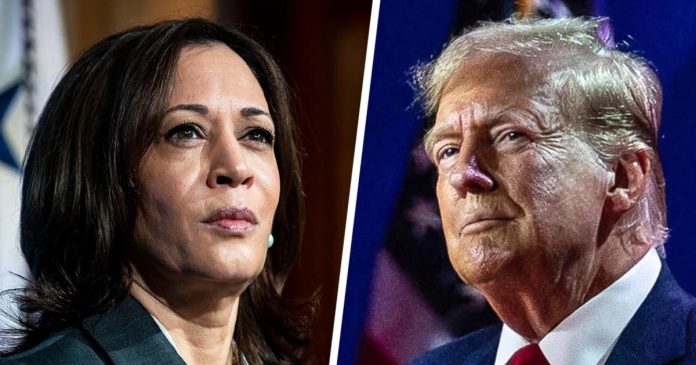
Trump vs. Harris: Financial Markets Lean to Trump as Polls Show Tight Race

1

With Election Day on November 5 rapidly approaching, the United States is preparing for the inauguration of a new president, with Donald Trump and Kamala Harris locked in a tight race for the White House.

Polls show a razor-thin margin, especially in key states, with both candidates showing nearly identical chances of victory, reminiscent of the 2020 election in which Donald Trump narrowly lost to Joe Biden. But this year, the financial markets suggest a favorite. The Trump stock boosted by over 100% this month is a clear evidence.

The world’s largest predictive market platform, Polymarket, currently gives Trump a 60% probability of winning. The platform has seen massive engagement, with over $2 billion traded in anticipation of Election Day. But how reliable is this prediction? Not entirely. Although Polymarket has grown significantly, it still lacks the scale to prevent large individual bets — often tens of millions of dollars — from heavily influencing market outcomes. Known as “whales,” these large bets can sway, influence, or even manipulate the market.

Nonetheless, if market sentiment is leaning toward Trump as the likely victor, opportunities could arise to profit from financial instruments that stand to gain from his policy promises or to avoid markets that may be vulnerable to downside risk.

Crypto Surge with Trump’s Endorsement

Several months ago, Trump expressed support for the crypto sector, with Elon Musk publicly aligning with the Republican cause. Since then, there has been a noticeable correlation between Trump’s polling gains and the price of Bitcoin. As shown in the chart below, Bitcoin has seen a significant rally over the past two months, almost reaching previous highs as Trump’s position has strengthened against Harris in the polls. Should Trump secure a victory, we could see further gains in Bitcoin.

Equity Markets and Election Volatility

The stock market, however, tells a different story. Historically, the days leading up to a presidential election are marked by considerable volatility and market dips, as we’re currently seeing. Yet, following the election, the market typically regains upward momentum. With this in mind, it may be prudent to look for an entry point into the U.S. stock market before the new president is elected, staying mindful of the typical election-related volatility, with the aim of capturing a potential post-election rally. If Trump wins, the market expects a more favorable environment for equities, while a Harris victory could see bonds outperform stocks.

Potential Setbacks for European Equities

Conversely, Trump’s proposed trade tariffs could place European equity markets at a disadvantage should he win, while a Harris victory might provide a short-term boost to European markets, which currently lag behind their global counterparts.

With the U.S. poised for significant political and economic change, all eyes are on the markets—and the strategies investors will adopt in response to the country’s choice on November 5.