DD
MM
YYYY

PAGES

DD
MM
YYYY

spot_img

PAGES

Home Blog Page 2893

Too Late to Buy Sui (SUI) and Kaspa (KAS)? This New ICO Promises 11X Gain By Launch Date

0

The two biggest runners this year are Sui (SUI) and Kaspa (KASPA), defying broader bearish trends on several occasions. Up by 175% and 260%, respectively, on the yearly charts, new investors would have missed out on significant gains.

With more promising alternatives, savvy investors have been betting instead on emerging cryptocurrencies. In the spotlight is IntelMarkets (INTL). This presale token promises a whopping 11x gain by the launch date and even more after its debut, considering its impending transformation of the global crypto trading market.

IntelMarkets (INTL): Anticipated 11X Gain By Launch Date

IntelMarkets (INTL), an up-and-coming cryptocurrency, is an investor favorite. For several reasons, of course. Mere participation in the presale promises significant gains—as much as 11x. This contributes to the ICO frenzy, pushing raised funds above $360,000 in just a few weeks.

The presale recently entered the second stage, priced at $0.018. This low entry point, coupled with its growth prospects, makes it a more compelling alternative to top altcoins like Sui (SUI) and Kaspa (KAS). With a projected 55x gain after listing on Tier-1 exchanges, it is a new DeFi project to keep on the radar.

Beyond the anticipated and projected gains, its potential transformation of the $36 billion global crypto trading market makes it a strong crypto contender. By integrating AI into blockchain and DeFi, IntelMarkets will build the first-ever AI-based blockchain and trading platform. Its autopilot and self-learning trading robots will assist users in becoming the top 1% of traders, setting it up for massive adoption.

Sui (SUI): Too Late to Buy?

Sui (SUI), a Layer-1 token, is a top-5 cryptocurrency by market capitalization. Rapidly rising to the ranks of the leading DeFi powerhouses, its performance this year has been jaw-dropping. On the yearly charts, the Sui price has been up over 170%.

In shorter timeframes, a 36% increase has been recorded in the past 7 days and over 10% on the daily charts. It trades above $1.2, hot on the heels of the all-time high of $2.18 registered during the March high six months ago.

Given previous growth, the Sui token might seem unappealing to new investors, not with the long list of more promising altcoins. In recent news, Sui announced the upcoming integration of USDC, the biggest regulatory-backed stablecoin. This move highlights its rapid evolution in the DeFi space—an altcoin to watch out for.

Kaspa (KAS): More Room for Growth?

Kaspa (KAS), one of the top altcoins, has defied bearish sentiments on several occasions this year. It has gone on several price discovery journeys, with the latest in August—$0.2. The Kaspa price soared over 260% on the yearly chart, becoming one of the year’s biggest highlights.

On the weekly charts, it is up 4%, with sights set on another price discovery. While it trades 15% below the current all-time high, analysts believe this is a discount. A Kaspa price prediction hints at a jump past $0.5 before the year’s end, putting it on the list of tokens to watch out for.

Although this might seem paltry to the upside potential of emerging cryptocurrencies and new ICOs, it is nonetheless a top crypto to buy for moderate gains. To ride this wave, this is a good time to stack up and expand your portfolio.

Conclusion

While it might be too late to buy Sui (SUI) and Kaspa (KAS), IntelMarkets promises an 11x gain by the launch date and a 55x upswing afterward. This new ICO is an investor favorite as a result, alongside its impending transformation of the wider crypto trading scene with AI.
Buy Presale

Website

Telegram

Coca-Cola Announces Plan to Invest $1bn in Nigeria Over The Next Five Years

1

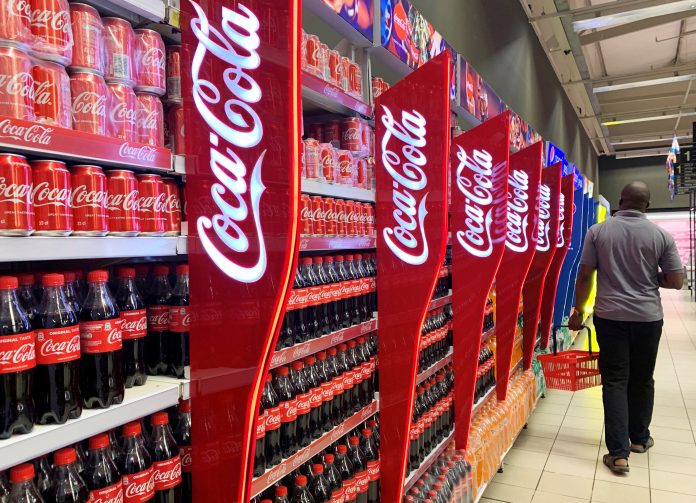
Coca-Cola Hellenic Bottling Company has announced plans to invest $1 billion in Nigeria over the next five years, marking a major move to further strengthen its operations in one of its most important global markets.

This was disclosed by the company’s Chief Executive Officer, Zoran Bogdanovic, during a meeting with President Bola Tinubu, where the significant contributions of Coca-Cola to Nigeria’s economy were highlighted.

According to a statement from the Special Adviser to the President on Information and Strategy, Bayo Onanuga, Coca-Cola generates approximately N300 billion in annual revenue from Nigeria, returning N90 billion to the government in taxes. The company has been actively investing in its Nigerian operations, with $1.5 billion spent since 2013 on expanding capacity, enhancing supply chain logistics, and workforce development.

Bogdanovic expressed confidence in Nigeria’s potential and reaffirmed Coca-Cola’s commitment to increasing its footprint in the country. He noted, “Since 2013, we have invested $1.5 billion in Nigeria in capacity expansion, transformation of our supply chain infrastructure capabilities, training, and development. I am very pleased to announce that, with a predictable and enabling environment in place, we plan to invest an additional $1 billion over the next five years.”

President Tinubu lauded Coca-Cola for its longstanding partnership with Nigeria and its contribution to employment creation, with the company employing over 3,000 workers across its nine production facilities. He stressed the importance of private sector partnerships in driving sustainable investments that align with his administration’s reforms aimed at improving the business climate. Tinubu also pledged the government’s support for Coca-Cola’s operations, including addressing environmental challenges such as climate change.

Coca-Cola’s decision to expand its investments in Nigeria comes at a crucial time for the federal government, which is seeking to attract foreign investors amid significant exits by multinational companies in recent years.

This latest commitment underscores the company’s belief in Nigeria’s long-term potential, despite the economic, regulatory, and infrastructural challenges that have characterized the business environment in recent years.

Earlier in the year, Coca-Cola was at odds with the Federal Competition and Consumer Protection Commission (FCCPC) over allegations of misleading trade descriptions and unfair marketing tactics. The FCCPC accused Coca-Cola Nigeria Ltd and its bottling subsidiary, NBC, of misleading consumers by promoting the “Original Taste, Less Sugar” variant as having the same formulation as the original Coca-Cola.

The FCCPC further warned that the company’s alleged abuse of market dominance would be subject to penalties under the Federal Competition and Consumer Protection Act (FCCPA) and the Administrative Penalties Regulation 2020 (APR), with regulatory action expected in the future.

Nigeria remains one of Coca-Cola’s largest and most lucrative markets on the African continent. With over 200 million consumers, the country offers immense opportunities for growth, particularly given its youthful population and increasing demand for fast-moving consumer goods (FMCG). Coca-Cola’s operations in Nigeria have significantly contributed to the company’s global revenues.

While Nigeria offers a vast consumer base, it also presents significant challenges. The country has faced persistent economic volatility, foreign exchange shortages, infrastructural deficiencies, and regulatory hurdles. In the wake of these challenges, many multinational companies have either scaled down their operations or exited the Nigerian market altogether. However, for Coca-Cola, the benefits of operating in Nigeria outweigh these obstacles.

AWG Increases Nigeria’s CTC Score to 70.5%, Making It Safe for Aircraft Leasing

0

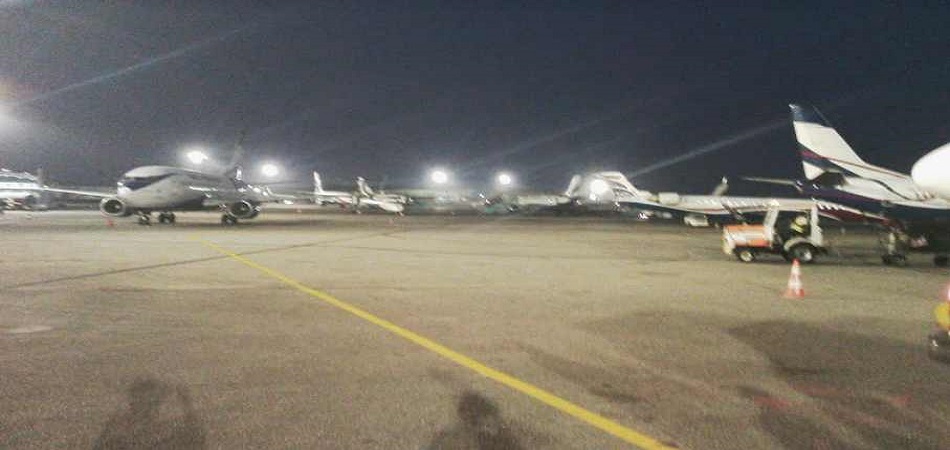
Nigeria’s aviation sector has received a significant boost as the Aviation Working Group (AWG) increased the country’s Cape Town Convention (CTC) compliance index score from 49 percent to 70.5 percent.

This development, announced by AWG Secretary-General Jeffrey Wool, signifies that Nigeria is now considered a safer environment for aircraft leasing, positioning the country as a more attractive destination for international aviation financing and leasing.

The AWG, a non-profit organization that includes major aviation manufacturers, leasing companies, and financial institutions, plays a critical role in shaping global aviation finance policies and regulations. By raising Nigeria’s compliance score, the group has affirmed the country’s commitment to adhering to the legal framework of the Cape Town Convention.

A Shift in Nigeria’s Aviation Standing

Nigeria’s journey towards compliance saw a critical turning point with the signing of the CTC practice direction on September 12 by John Tsoho, the chief judge of the Federal High Court. This move, part of the government’s broader efforts to reform the aviation sector, was initiated during a meeting of the Presidential Enabling Business Environment Council (PEBEC) chaired by Vice President Kashim Shettima.

The signing came after Nigeria was previously viewed as a non-compliant country under the Cape Town Convention, leading to its blacklisting by the AWG. Speaking about this during a press briefing, Festus Keyamo, Minister of Aviation and Aerospace Development, acknowledged that Nigeria’s prior non-compliance had deterred international stakeholders, but the new direction marked a reversal of that perception.

The Legal Impact and AWG’s Revised Score

In his letter to the minister, Wool highlighted that Nigeria’s increased score was a direct result of significant legal developments in the country’s aviation framework. He praised the efforts made to bring Nigeria into compliance, particularly emphasizing the legal significance of the CTC practice direction, which ensures that Nigerian courts apply the Convention without interference from other local laws in relevant cases.

According to the AWG, the new legal directions supersede previous non-compliant judicial precedents in Nigeria. The group’s evaluation raised the variable B score—which measures the legal application of the Convention—from 1 to 3. This adjustment reflects the improved compliance standards and adherence to CTC protocols.

AWG further noted that the practice direction signals a commitment to continue increasing compliance. Nigeria’s variable C score was also upgraded, from 3 to 5, indicating the country’s progress in meeting its obligations. Moreover, the variable D score, which evaluates the effectiveness of communication between the Nigerian authorities and AWG, was similarly increased from 3 to 5.

Thanks to the Nigerian Government’s Corrective Action

The AWG’s decision to increase Nigeria’s score stems from the corrective actions the government took to address previous issues of non-compliance. The practice direction directs courts to prioritize CTC obligations in aviation leasing cases, removing legal ambiguities that had hindered Nigeria’s compliance.

The positive development means that Nigeria is no longer at risk of losing its OECD discount eligibility—a status that provides the country with more favorable terms in international financial agreements. The AWG explicitly stated that it would no longer recommend a review of Nigeria’s eligibility for the discount based on past non-compliance.

However, despite these advancements, the AWG cautioned that Nigeria remains on the CTC compliance watchlist. The country is still undergoing a separate compliance-related review, meaning further developments could impact its future rating.

A New Era for Aircraft Leasing in Nigeria

This dramatic improvement in Nigeria’s CTC compliance score is expected to have far-reaching effects on the aviation industry. With the updated score, Nigeria is now viewed as a more reliable market for international aircraft leasing companies, which could attract more investment into the sector. Additionally, increased leasing activity could reduce costs for domestic airlines, which often face challenges in acquiring and maintaining aircraft.

The reform comes at a critical time for Nigeria’s aviation sector, which has been grappling with various challenges, including high operational costs, currency depreciation, and infrastructural deficits. As international aviation leasing becomes more viable, the sector may see a revitalization, providing a much-needed lift to the country’s struggling airlines.

New Opportunities Ahead

While Nigeria’s rise in the CTC compliance index is undoubtedly a positive development, challenges remain. The country must now focus on maintaining its compliance with the Convention and ensuring that all judicial and regulatory bodies consistently apply the new legal standards. Failure to do so could result in another drop in compliance, which would negatively impact investor confidence.

Experts in the aviation sector have lauded the government’s efforts but have also stressed the importance of ongoing legal and regulatory reforms. Ensuring that the Convention is uniformly applied across all relevant cases will be crucial in sustaining the progress made. With further improvements, Nigeria could see its compliance score rise even higher, unlocking new opportunities for growth and development in its aviation sector.

Abia State Returns To Top-3 In NECO Exams

0

He dropped a message on LinkedIn: “Dear Sir. Ndubuisi Ekekwe, kindly extend our heartfelt appreciation of these Nigerians to Alex Otti, the Executive Governor of Abia State, Nigeria. As I watch these Nigerians soaked in the euphoria of celebration, I am quick to reminisce on my own sojourn.” [He was commenting on the news that years-long unpaid benefits of Abia State Polytechnic staff have been paid. Most of those workers danced and jubilated].

My Response: “Thanks for the kind words on Abia State. I have passed the message to His Excellency, Governor Otti. He appreciates the kind wishes, but at the same time he knows that all Abians must dance, not just Abia Polytechnic workers who were owed salaries for years by previous governments. The aspiration of Governor Otti is that farmers, carpenters, teachers, doctors, students, workers, and everyone will DANCE in Abia because their lives are working. He is leading to make that possible, and seeks all ABIANS to join in building that state where everyone will jubilate and dance.”

On Saturday, I attended 4 different programs where three commissioners and Chief of State were involved. I looked at the time, it was 12 midnight in Nigeria, and the men and women were still working as though they just woke up. Later, I provided an update to His Excellency, and to my surprise, he responded. I responded and he responded.

Today, one of the signs of that hardwork is here: “The National Examination Council (NECO) has announced the release of the 2024 Senior School Certificate Examinations (SSCE) internal result…, with Abia State leading the table….On the performance front, Abia State emerged as the top-performing state in the country, with 83.40% of its candidates scoring five credits, including Mathematics and English. Abia State also led in the overall pass rate, with 95.84% of students achieving five credits irrespective of these two core subjects.”

Sure, more work ahead. But we will celebrate this small win. Abia State used to be top-3 in Nigeria, but we dropped outside the top 10.  But upon inauguration of Governor Otti, a key strategic objective was to return to the top-3 within four years. I am happy we are #1 within a year. The future of Abia is anchored on educating its young people; upon inauguration, nothing was spared to ensure our schools are back to maximum efficiency.

I congratulate the students, our teachers and the education leaders of our state for this. This is a validation that we can hit 99% literacy rate by 2030 so that illiteracy will be forever banished in God’s Own State.

Ndubuisi Ekekwe

Member, Abia State Economic Advisory Council

Co-Chair, Abia State Economic Transformation Council

Board Member, Abians in Diaspora Commission

Ethereum (ETH) & Solana (SOL) Holders Rush to the DTX Exchange (DTX) Presale As Token Frenzy Hits New Heights

0

Donald Trump is expected to announce the launch of World Liberty Financial – a new crypto exchange soon. This event is causing interest in the crypto market to rise. Against this backdrop, DTX Exchange (DTX) is standing out as one of the hottest presales in this space. It has already given early buyers a 200% return while reaching Stage 3 in record time.

Even some Ethereum (ETH) and Solana (SOL) holders are turning to this rookie. Recently, the options market showed a revival in Ethereum (ETH) interest, and Solana (SOL) sold out Breakpoint tickets, but DTX Exchange got all the attention. Let’s see why.

Ethereum (ETH): Options Market Showing Interest

Ethereum (ETH) is one of the most talked-about crypto coins. Recently, QCP revealed that the options market is showing renewed interest in Ethereum (ETH). There are now over 20,000 contracts targeting the $3,000 level by December 27. With this Ethereum news, the demand for the coin may rise before the year ends.

Speaking of which, the Ethereum coin value has fallen nearly 2% on the weekly chart. Ethereum (ETH) is trading below its 20-day EMAs while having an RSI of 40 in the neutral zone. Experts remain cautiously optimistic as neither sellers nor buyers gain the upper hand. They predict a potential value of $2,400 before October ends.

Solana (SOL): Breakpoint Even Sold Out

Solana (SOL) is also seeing some exciting developments. For instance, Solana (SOL) announced that tickets for the Breakpoint event have now been sold out. This event shows that people are still interested in the Solana (SOL) project. Some speakers for Breakpoint include Circle CEO Jeremy Allaire, Bybit CEO Ben Zhou and DRiFT co-founder Cindy Leow.

The Solana crypto value has dropped over 5% on the monthly chart. However, this Solana news could cause an uptrend for this coin. Some market analysts forecast that Solana (SOL) may reach a value of $145 in October.

DTX Exchange (DTX): A Next-Gen Trading Platform

DTX Exchange (DTX) is making a lot of stir in the crypto space. Its ongoing presale has already raised over $2.6M and could hit $3M before the end of next week. Not only that, DTX Exchange recently announced that it has opened up 50% of its token supply to the public. As a result, demand for DTX may suddenly rise and more people will have access to it.

The DTX utility token will power the upcoming DTX Exchange trading platform. This platform will stand out from its peers like Coinbase or Binance thanks to its hybrid trading model that combines the best of CEX and DEX. Thus, people can buy CFDs, bonds, crypto currencies and over 120K other asset classes in one place at a 1000x leverage. Plus, no sign-up KYC checks will guarantee people keep their privacy at all times.

The DTX token will give people access to governance voting rights and smaller trading fees. It is now worth $0.06 in Stage 3 of its presale – a 200% rise from its starting price of $0.02. But, this value will rise to $0.08 after Stage 4 begins. Analysts forecast another 40x jump after a Tier-1 exchange lists DTX soon.

Can DTX Exchange (DTX) Surge Faster Than Ethereum (ETH) & Solana (SOL)?

While Ethereum (ETH) and Solana (SOL) are crypto coins that could rise soon, DTX Exchange (DTX) is also making a name for itself. This rookie has a smaller market cap than them and ties to the $133T bonds market. These perks may give DTX an easier growth trajectory as it needs less new money for its price to rise while remaining more stable.

Learn more:

Buy Presale

DTX Exchange

Join The DTX Community