DD
MM
YYYY

PAGES

DD
MM
YYYY

spot_img

PAGES

Home Blog Page 2896

Binance Unveils Solana (SOL) Staking; Chainlink (LINK) Eyes Next Resistance; IntelMarkets (INTL) Sees Rising Whale Interest in Presale

0

In another exciting development, Binance, the world’s largest CEX, announced the launch of Binance Solana (SOL) staking. Users can stake their SOL crypto and receive BNSOL, a liquid staking token representing staked assets.

Meanwhile, in the crypto market, Chainlink (LINK) eyes the next resistance after a significant jump in price. At the same time, IntelMarkets (INTL), an emerging cryptocurrency, sees rising whale interest. This new altcoin stands at the crossroads between AI and DeFi, aiming to transform the crypto trading scene.

IntelMarkets (INTL): New Whale Favorite

The latest crypto sensation, IntelMarkets (INTL), is an AI-DeFi protocol. Its unique narrative has captured market interest, increasing whale activity. Just days after going live, over $250,000 has been raised in funding. Another $500,000 has been raised from Fortune 500 investors, alongside backing from Sovereign Wealth Fund.

With the presale recently kicking off, entry couldn’t be any lower. In the first stage, it costs $0.009, ridiculously undervalued according to industry experts. As it sails toward adoption and launch, a 75x upswing in value is projected, making it a more compelling altcoin than Solana (SOL) or Chainlink (LINK).

Regarding its fundamentals, it is designed to transform the $347 billion global crypto trading market. Its integration of AI technology into blockchain and DeFi will birth the first AI-based blockchain. It further stands out with its dual-chain functionality, offering support to both the Ethereum and Solana blockchain.

Solana (SOL): Binance Launched SOL Staking

Solana (SOL), a DeFi giant and leading altcoin, is a popular name in the crypto space. It facilitates the creation of dApps and its ecosystem is among the most vibrant. Noteworthy is its meme ecosystem, which, perhaps, trails behind only Ethereum’s.

On the market side, it has been consolidating between $127 and $134 in the past few days, with a 2% gain recorded on the weekly charts. The declining interest in Solana DeFi, alongside the largely underwhelming broader crypto market, can be linked to its poor performance.

But in more exciting news, Binance, the world’s largest crypto exchange platform, announced Solana staking. Users who staked their assets will receive BNSOL, representing staked assets, while also earning rewards. With this initiative set to drive demand and offer incentives to HODL, the Solana price is set for a big leap.

Chainlink (LINK): Targets Key Resistance Levels

Chainlink (LINK) is an Oracle network that connects dApps to existing systems to create products with real-world use cases. Its key role makes it one of the most sought-after tokens, pushing it to rank among the top 15 cryptocurrencies.

As it gathers momentum, sights are set on flipping the next key resistance. The Chainlink price spiked 6% in the weekly charts, trading above $10.6. Subsequent levels to watch out for in case of a breakout are $12.5 and $15.

Meanwhile, a more bullish Chainlink price prediction hints at a rally past $20 before the end of Q3. Besides, with the buzz around a rate cut by the Feds in the coming days, LINK is a crypto coin to bet on ahead of the anticipated market jump.

Conclusion

While Binance unveiled Solana (SOL) staking and Chainlink (LINK) approaches key resistance levels, IntelMarkets captures whales’ interest. This new AI-powered trading platform has been hailed as the future of crypto trading. With adoption imminent, it is tipped to become one of the biggest breakout stars this year.


Discover More About Intel Markets:

Presale: https://intelmarketspresale.com/

Buy Presale: https://buy.intelmarketspresale.com/

Telegram: https://t.me/IntelMarketsOfficial

Twitter: https://x.com/intel_markets

Internet Computer (ICP) and AAVE Stand Top Performers, But DTX Exchange Jumps Higher With Hybrid Blockchain Launch

0

Despite the crypto market underperforming, with big altcoins failing to defend weekly gains, Internet Computer (ICP) and AAVE have been resilient with bullish gains. With their overpowered price momentum and potential to attract a big share from large crypto stakeholders, Internet Computer (ICP) and AAVE cryptos are leading the gainers’ list.

Meanwhile, DTX Exchange (DTX) has flipped the odds with its bullish presale momentum and a breakthrough achievement with its hybrid blockchain debut.

Internet Computer (ICP) Burn Rate Sparks 13% Price Rally

Internet Computer (ICP) heads forward to reclaim its lost legacy as the crypto led the recent bull run with a record-breaking rise in its volume. The prime reason for the bullish rally of Internet Computer (ICP) is the surge of Bitcoin price to upper levels and the ICP’s soaring burn rate significantly pumped its price.


After a 13% rally on the weekly chart, Internet Computer (ICP) moves to maintain the solid support level at $8.35. Javon Marks also predicted a bullish trendline for Internet Computer (ICP) and revealed a price chart that suggests a 777% breakout in the upcoming weeks. ICP is also expanding its use cases in Web3 and AI, which can be pivotal in pumping its price to new heights.

AAVE Prepares For Bullish Breakout With Strategic Collaborations

AAVE is undergoing critical developments to exert dominance in the blockchain sector with its price breaking yearly records lately. The community is pondering a new proposal to partner with Coinbase’s Bitcoin wrapper, cbBTC, in its V3 protocol. Moreover, the launching of a dedicated EtherFi market by AAVE Dao has sparked a bullish rally for the crypto this week.

While the tables are turning with improving BTC conditions, AAVE price is gearing up after 12% weekly gains for another rally after recording a yearly high of $155, according to CoinMarketCap data. With the whales engaging to earn big with AAVE in the anticipated broader market rally in October, the crypto can peak past the $200 level and pump more if bullish pressures are sustained.

Large Whales Pump DTX Exchange Presale to $2.58 Million

DTX Exchange (DTX) advances with its revolutionary vision to outshine traditional marketplaces and solve liquidity problems and gas fee issues. The project demand has skyshot after raising a ground-breaking $2.6 million in batch 3 of the public presale and offers live trading with its testnet launch for users around the globe.

The platform supports industry-relevant features that empower traders with innovative opportunities to capitalise big and experience a seamless trading environment with end-to-end solutions. The hybrid nature of DTX commits to decentralised security protocols like no-KYC and non-custodial wallets which are a much needed feature for data-conscious traders.

First-Ever Hybrid L1 Blockchain; DTX Exchange Steals Spotlight

DTX Exchange (DTX) has recently launched its first-ever hybrid layer-1 blockchain that has raised the industry benchmarks by performing 10,000 TPS. This achievement has gained support by major L1 enthusiasts from around the globe as this can pivot the tradFi direction and act as a catalyst for more developments and enhanced blockchains in the sector.

Moreover, the DTX hybrid blockchain hosts 120k+ digital assets from stocks, crypto, forex, equities, and CFDs with distributive liquidity pools. The VulcanX integration has eliminated the gas fee. That is a major attraction for traders as it makes it easy for them to optimise their assets in the all-in-one platform of DTX Exchange.

Key Takeaways

Internet Computer (ICP) and AAVE have proven their worth with unmatched resilience against dropping the altcoin market alongside double-digit gains. With these tokens standing out as top cryptos with promising potential, DTX Exchange (DTX) makes its mark with ground-breaking presale rally.

DTX drives excitement among its 16,500 new users with its hybrid blockchain debut and cutting-edge trading platform. The crypto is all set to become a leading contender in the crypto space, offering early investors a prime opportunity to capitalise big with its presale run.


Learn more:

Buy Presale

Visit DTX Website

Join The DTX Community

Tekedia Invested In A Startup Making Quantum Bits (Qubits) from AI

0

Yesterday, we invested in a group of Oxford University PhDs, creating quantum bits (qubits) with artificial intelligence. And on Monday, we will close on another that unifies hardware and software, to make AI systems run faster. At Tekedia Capital, we have elevated our game, co-investing with some of the largest funds in the world.

Microelectronics. Neuromorphics. Semiconductors. We are looking for startups pioneering new vistas in this space vector, with focus on accelerating computational capabilities for the AI age.

Our Fund is open to explore all phases, from transistor design phase to software systems, that can optimize how GPU (including neuromorphic neural processing units), and broad processing elements compute, process and work, even when those units are brand-less, under in-networked protocols. In other words, in 3 years, we expect alternative processing units which may not be made by the leading chip brands today, and which can be coupled to deliver high quality, just as some big companies use non-premium branded chips/servers to run their data centers.

Tekedia Capital Syndicate is the largest tech-focussed, Africa-founded investment syndicate in Africa, investing $millions in companies in Africa and beyond. Check what we do and join here capital.tekedia.com .

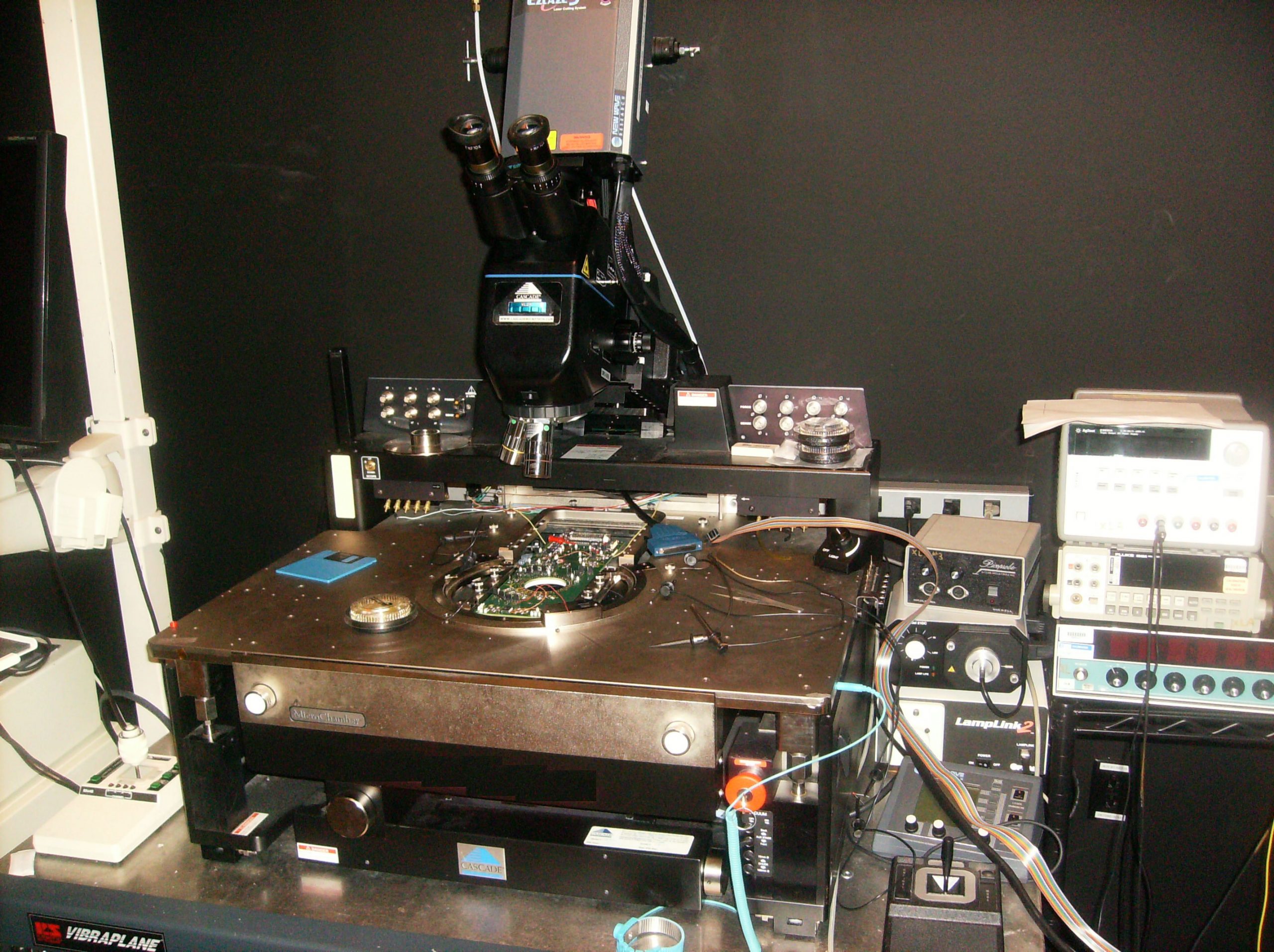
(photo: a setup where I tested an accelerometer (an inertial sensor) for use in a heart pacemaker)

Asia-Pacific Trading Hours, Source of Bullish Pressure for the Cryptocurrency Market

0

Cryptocurrency markets are renowned for their volatility, with prices fluctuating wildly within short periods. However, a pattern has emerged that suggests a particular time of day could be influencing the market in a significant way. The Asia-Pacific trading hours have recently been identified as a source of bullish pressures for cryptocurrencies, a trend that has caught the attention of investors and analysts alike.

Cryptocurrency prices are influenced by a myriad of factors, each playing a role in the digital assets’ market dynamics. Understanding these factors can provide investors with insights into the potential movements of cryptocurrency values. The basic economic principle of supply and demand is a significant driver of cryptocurrency prices. A limited supply coupled with high demand can lead to increased prices, while an excess supply with low demand can cause prices to drop.

The Asia-Pacific region, encompassing countries such as Japan, South Korea, and China, has long been a major player in the cryptocurrency space. The region’s influence on the market is not surprising, given its sizeable population, technological advancement, and the general openness of several of its economies to digital innovation. During the Asia-Pacific hours, increased trading activity has been observed, which often leads to a surge in prices.

This phenomenon was particularly noticeable when Bitcoin rose to $57,000, as reported by CoinDesk. The increase occurred during the European morning but was attributed to the momentum built during the Asia-Pacific hours. This uptrend is not isolated to Bitcoin; Ether has also seen similar patterns, with most losses occurring during U.S. trading hours and gains during the Asia-Pacific window.

The reasons behind this trend are multifaceted. One explanation could be the time zone overlap between the Asia-Pacific region and the rest of the world. When it is daytime in Asia, it is nighttime in the Western Hemisphere, which means less trading activity from American and European investors. This gives the Asia-Pacific market a more significant influence during its daylight hours.

Another factor could be the regulatory environment in the Asia-Pacific region. Some countries have clearer and more stable cryptocurrency regulations, which can instill confidence in investors and stimulate market activity. For instance, Singapore’s regulatory framework for cryptocurrencies is well-established, providing clarity and security for traders and investors.

Investor sentiment is a powerful influencer of cryptocurrency prices. Positive news and investor optimism can drive prices up, while negative news and pessimism can lead to price declines. Announcements of new regulations or the potential for future regulation can have immediate and profound effects on cryptocurrency prices. Investors often react quickly to regulatory news, causing price volatility.

Developments in blockchain technology, such as upgrades and forks, can impact prices. Innovations that improve scalability, security, or usability can increase investor confidence and demand. The ease with which a cryptocurrency can be bought and sold without affecting its price is known as liquidity. High liquidity tends to stabilize prices, while low liquidity can lead to more significant price fluctuations.

The bullish pressures during the Asia-Pacific hours also reflect the region’s growing interest in and adoption of cryptocurrencies. With a large and increasingly tech-savvy population, the demand for digital assets is naturally higher. This demand can drive prices up, especially if coupled with positive market news or developments within the region.

Investors looking to capitalize on these trends may consider adjusting their trading strategies to account for the Asia-Pacific hours. However, it is crucial to remember that the cryptocurrency market is unpredictable, and while historical data can provide insights, it does not guarantee future performance.

In conclusion, the Asia-Pacific hours have become a critical window for cryptocurrency traders, offering opportunities for those who can navigate the market’s complexities. As the global landscape of digital currencies continues to evolve, understanding the nuances of regional market behaviors will be essential for anyone looking to succeed in the crypto space.

TEPCO is Mining Bitcoin using surplus Energy in Japan, as Pakistan Discovers New Oil Reserves

0

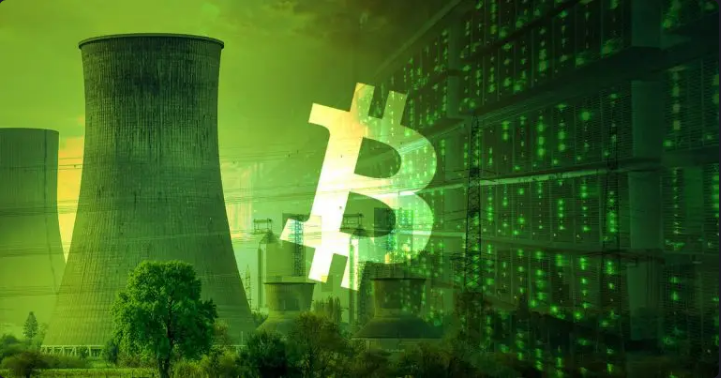
In a groundbreaking move that merges the worlds of energy and cryptocurrency, Tokyo Electric Power Company (TEPCO), Japan’s largest power provider, has embarked on a venture that could redefine the sustainable energy landscape. TEPCO, through its subsidiary Agile Energy X, has begun mining Bitcoin using excess renewable energy. This initiative not only showcases the innovative use of surplus energy but also highlights the potential for cryptocurrency to drive the growth of renewable energy sources.

Bitcoin mining is a critical process in the cryptocurrency network that involves verifying and adding transaction records to Bitcoin’s public ledger, known as the blockchain. The purpose of mining is twofold: to introduce new Bitcoins into the system (since the number of possible coins is capped at 21 million) and to confirm transactions in a trustful manner.

When a Bitcoin transaction is made, it is then grouped with others that have occurred within a roughly ten-minute window into a block. Miners then compete to validate these transactions and write them into the blockchain. They do this by solving complex mathematical problems that require powerful computers and specialized hardware. This process is called proof of work.

The miner who first solves the problem gets to add the block of transactions to the blockchain and is rewarded with newly minted Bitcoins. This reward serves as an incentive for miners to continue to contribute their computing power to the network. The difficulty of the problems adjusts dynamically so that, on average, a new block is added every ten minutes, regardless of the number of miners or the amount of computing power they contribute.

The decision by TEPCO to utilize its excess renewable energy for Bitcoin mining is a strategic one. With the global push towards sustainability, renewable energy producers often face the challenge of overproduction during periods of low demand. This surplus energy, if not utilized, represents a lost opportunity both economically and environmentally. TEPCO’s approach provides a solution by diverting this excess green energy, which would otherwise be wasted, to power Bitcoin mining operations.

The mining rigs have been installed adjacent to solar farms in the Gunma and Tochigi prefectures, regions known for their commitment to clean energy. By tapping into the unused energy from these solar and wind farms, TEPCO is effectively reducing the wastage of green energy. This not only helps in managing the energy grid more efficiently but also provides an additional revenue stream for the power company.

The implications of this venture are significant. It demonstrates that Bitcoin mining need not be environmentally detrimental; instead, it can be powered by clean, renewable energy that would otherwise go to waste. This dispels the myth that Bitcoin is inherently harmful to the environment and showcases how it can actually incentivize the growth of green energy.

Moreover, the profits generated from Bitcoin mining could encourage further investment in renewable energy infrastructure. As Agile Energy X President Kenji Tateiwa noted, this new source of income for power producers exposed to overinvestments could prompt a more significant introduction of green energy into Japan’s power grid.

This initiative by TEPCO is not an isolated case. Other countries, such as El Salvador, are also exploring the use of excess renewables for Bitcoin mining, utilizing their geothermal energy resources. As more renewable energy sources come online, Bitcoin mining could play a pivotal role in reducing power wastage and emissions, turning surplus energy into a valuable asset.

TEPCO’s venture into Bitcoin mining using surplus renewable energy is a testament to the evolving nature of both the energy sector and the cryptocurrency market. It highlights a path forward where the two can coexist and mutually benefit, driving the global transition towards sustainable energy. As the world continues to seek solutions for clean energy utilization and storage, TEPCO’s model presents an innovative and economically viable option that other power companies might soon emulate.

The future of energy and finance may well be intertwined, with cryptocurrency mining offering a bridge between excess renewable energy and economic profitability. TEPCO’s pioneering effort could very well be the catalyst for a new era of sustainable cryptocurrency mining, setting a precedent for others to follow.

The Discovery of Pakistan’s New Oil Reserves

In a remarkable turn of events, Pakistan has identified what could potentially be the world’s fourth-largest oil and gas reserves within its territorial waters. This discovery, confirmed after a comprehensive three-year survey conducted in collaboration with an allied nation, could significantly alter the economic landscape of Pakistan.

The global oil market is a dynamic and ever-changing landscape, with various countries playing pivotal roles in production. As of recent data, the top oil-producing nations have been identified, each contributing significantly to the world’s energy supply.

The Implications of the Discovery

The implications of such a discovery are far-reaching. Economically, Pakistan stands at the cusp of a transformative era. The development of these reserves could lead to a substantial reduction in the nation’s reliance on imported energy, thereby bolstering economic stability and growth. The potential revenue from these reserves could also provide a much-needed boost to the country’s foreign exchange reserves, which in turn could improve Pakistan’s credit rating on the global stage.

The United States leads the pack as the world’s top producer, a position it has maintained for several years due to advancements in technology such as shale oil fracking. This has dramatically increased the country’s oil output, making it a net petroleum exporter.

Following closely is Saudi Arabia, known for its vast reserves and significant influence within OPEC. The kingdom has been a consistent major player in the oil market, contributing a substantial portion of the world’s petroleum supply. Russia holds its ground as the second-largest producer, despite facing economic sanctions and geopolitical challenges. Its vast natural resources continue to make it a key supplier in the global oil economy.

Canada, with its oil sands and other resources, ranks as another leading producer, exporting a significant amount to its southern neighbor, the United States. Other notable producers include Iraq, China, Iran, and Brazil, each with unique reserves and production capacities that affect the global oil market.

These countries, along with others like the United Arab Emirates, Kuwait, and Venezuela, form the backbone of global oil production, influencing prices and market dynamics. As the industry evolves with new discoveries and technologies, the list of top producers may change, but for now, these nations hold the reins of the petroleum world.

Challenges and Considerations

However, the road to capitalizing on these reserves is fraught with challenges. The high costs associated with offshore drilling and the development of infrastructure to extract and process the oil and gas are significant hurdles. Moreover, the geopolitical implications of such a discovery cannot be ignored, as it may alter regional dynamics and attract international interest in Pakistan’s energy sector.

From an environmental perspective, the discovery raises concerns about the impact on marine ecosystems. Pakistan will need to ensure that exploration and extraction activities adhere to stringent environmental standards to mitigate any potential damage.

Experts urge caution and a measured approach to the development of these reserves. The process from discovery to production is complex and time-consuming, often spanning several years. It involves not only the drilling of wells but also the construction of necessary infrastructure, such as production platforms, pipelines, and processing plants.

The discovery of these oil and gas reserves presents Pakistan with an unprecedented opportunity to revitalize its economy and reduce energy dependency. However, it is imperative that the country navigates this path with careful planning and consideration of all economic, geopolitical, and environmental factors. If managed prudently, this discovery could indeed be the game-changer that Pakistan needs to secure a more prosperous and self-reliant future.