DD
MM
YYYY

PAGES

DD
MM
YYYY

spot_img

PAGES

Home Blog Page 2899

US Lawmaker Warns Prolonged Detention of Binance Executive in Nigeria Could Harm Bilateral Relations

0

U.S. lawmaker French Hill has expressed concerns over the prolonged detention of Binance executive Tigran Gambaryan in Nigeria, warning that it could strain relations between the two nations.

Hill who serves as Vice Chairman of the House Financial Services Committee and Chairman of the subcommittee overseeing digital assets and financial technology, stated that Tigran Gambaryan is not being held by Iran or Russia but he is being held by the country’s supposed friend, Nigeria.

In a video posted on X (formerly) Twitter, he said,

“In this administration, we have seen a lot of action on Americans held wrongfully detained abroad. And they frequently get a designation. But suddenly, here we have a country like Nigeria where we didn’t, we removed them from the list in the Biden administration on religious freedom issues. We’ve signed a commercial and investment partnership with the country in the middle of this tragedy.

“And I don’t think the leadership, the national security advisor, the president, the cabinet leadership in Nigeria gets they are putting our relationship on the line because of the way they are handling the situation. We need the president engaged here. This is wrong. This is a dispute that in no way involves Tigran Gambaryan and we’re watching him decline in his health. It is a horrifying situation and this country is a friend of the US; we are not talking about Iran, or Russia here, we are talking about Nigeria.”

He further stated that the response from the Nigerian government is embarrassing, stating that the US will continue to press harder to ensure the release of the Binance executive.

In response to his concerns the US Under Secretary for Management, John Bass disclosed the efforts made by the US government to ensure the release of Tigran Gambaryan out of detention.

He said,

“I think we are picking our way through some complicated tangles within the Nigerian system but I am hopeful we are taking out ways to resolve those in the near future, and I can assure you that the secretary and deputy secretary. Along with myself are seized with this and doing everything possible to get him out soon.”

He concluded by disclosing that the US embassy has been asked to advocate for the humanitarian release of Tigran Gambaryan because of the horrible conditions in the prison, his innocence, and his health.

This is not the first time that the US government is pushing for the release of the Binance executive. Recall that in May this year, the US Secretary of State Antony J. Blinken raised the issue with his Nigerian counterpart, quoting anonymous senior State Department officials. Richard M. Mills Jr, the U.S. ambassador to Nigeria, also called for Gambaryan’s release in private conversations with Nigeria’s president, finance minister, attorney general, and trade minister.

Backstory

Recall that the Nigerian government detained Binance executive Tigran Gambaryan since February 2024, in a dispute between the cryptocurrency exchange and the Nigerian government. Nigerian government alleged that Binance harmed the nation’s economy by allowing users to transfer funds out of the local currency, causing its collapse.

In a bid to address the issue, Gambaryan, 40, traveled to Nigeria in February for meetings with local officials about Binance’s business dealings in the country. He was however detained by the Nigerian government for tax evasion and money laundering, though the tax charges against him was later dropped.

Responding to his arrest, Binance CEO Teng said,

“To invite a company’s mid-level employees for collaborative policy meetings, only to detain them, has set a dangerous new precedent for all companies worldwide”.

In March, Binance stopped all transactions and trading in naira after a country-wide crackdown on crypto exchanges that authorities blamed for feeding a black market for foreign exchange.

Tigran Gambaryan’s trial for money laundering in Nigeria will on Oct. 9 determine whether he will be released on bail or remain in prison custody after a judge deferred ruling on his request. Despite calls for his release, Nigerian officials have maintained that Gambaryan’s case must proceed through the country’s judicial system.


Everything You Need to Know About VR Betting

0

Virtual reality has truly transformed industries, and this also extends to the gambling world. VR betting allows people to place wagers while socializing in digital realms. In fact, it can blur the line between what is real and what is online. VR tech is only evolving and getting more sophisticated. Soon enough, virtual reality betting may just be how we gamble online. If you are done reading Irish online casino reviews on bestcasinosonlines.com, let’s see what the hype is all about.

How Did VR Betting Emerge?

Virtual reality betting is changing the way people gamble with advanced VR technology. It lets players enjoy virtual casinos that mimic famous spots like Las Vegas, all from their own homes.

Players can customize their avatars, choosing their looks and creating new identities. This personal touch helps them express themselves and connect with others.

Interaction is key in VR betting. Players get to socialize with each other just like in a real casino. Actually, this is making the experience more fun and community-focused.

Platforms also offer live dealer games where users interact with real dealers via video.

VR Offers Experiences That Immerse You Digitally

Virtual reality betting offers a realistic casino experience by immersing you in a digital world. With a VR headset, you can enjoy the sights and sounds of a real casino.

You can interact with games using simple movements. These include things such as pulling a virtual slot machine lever or placing chips on a digital roulette table. This makes the virtual casino feel more authentic.

VR betting is also social. You can see and talk to other players through avatars. You can start chatting and celebrating wins in a real casino.

1. Players Experience Better Interaction

With VR, players interact in a more engaging way compared to traditional online gambling. Instead of just texting or limited actions, VR allows players to talk and use gestures as they would in a real casino. It lets players share tips, jokes, and express emotions.

VR betting platforms also offer live dealer games, where players interact with real croupiers in real time. This adds authenticity to the experience. Players can chat with dealers and immerse themselves in the action. This ends up blurring the line between virtual and real gambling.

2. Users Turn VR Betting into Social Hotspots

If VR headsets end up becoming more common among people, virtual casinos could become bustling social hubs. You enter a virtual casino and see other players as avatars. You can chat, gesture, and bond with them no matter their location in real life.

Virtual casinos can also host events like concerts and parties. This ends up making them a super fun place to connect with other people. This social element attracts new users who seek both gaming excitement and social interaction.

When users enter VR betting platforms, they can join groups and collaborate. These communities improve the gaming experience. They can offer lots support and even opportunities to work together.

Key Benefits of VR Betting

  • Immersive Experience: Feels like being in a real casino with 3D environments and realistic sights and sounds.
  • Enhanced Excitement: The immersive experience keeps players more engaged and excited.
  • Social Interaction: Players can chat and use gestures, making the games more interactive and fun.
  • Customization: Choose your character’s appearance and the gaming environment, from flashy casinos to quiet spots.

It’s Not All Smooth Sailing

Virtual reality betting has a lot of promise. But, it also struggles with technical issues like delays, graphics, and device compatibility.

Fortunately, developers are working to improve it. They are using advanced technology to make VR betting smoother with better graphics and new gameplay options.

There Is So Much Room for Market Growth

The virtual reality betting market is expected to grow as VR tech becomes better and more affordable. More people will likely try VR betting.

Combining VR with technologies like AR and blockchain could lead to new innovations in gambling. This makes VR betting a promising opportunity for developers, operators, and investors.

The Industry Will Face Certain Regulatory Challenges

Regulatory issues in VR betting stem from the fact that current gambling laws do not fit VR’s unique features. VR offers experiences that are very immersive, which is different from regular online gambling. Laws need updating to address these new aspects.

Regulators are worried about responsible gaming because its nature can make gambling more risky. They might need stricter rules, such as time limits, spending caps, and self-exclusion options.

Another concern is underage gambling. VR’s accessibility to younger users increases the risk of minors participating in virtual betting.

Policymakers should also take into consideration the impact of VR on gambling addiction. Regulators might need to work with mental health experts to find ways to help those who are struggling with gambling in VR.

We Also Have to Consider the Ethical Aspect of VR Betting

Ethical concerns with immersive experiences include their impact on users. This is especially true regarding gambling addiction and risky behavior.

To address this, developers and operators need to collaborate on safety measures. They should be providing resources for those struggling with gambling issues.

What Comes Next in VR Betting: Expectations and Predictions

The future of VR betting looks bright and exciting. With more tech improvement will come more realistic VR betting.

Enhanced graphics will play a key role. With better visuals and upgraded hardware, virtual casinos will look and feel more real. The casino environment and characters will be more lifelike. This will be making the gaming experience even more immersive.

Haptic feedback systems will make VR betting more authentic. These systems recreate touch sensations, like vibrations and textures. Holding a poker chip or feeling the fun of a slot machine win will be even more realistic.

Motion tracking technology will also enhance VR betting. It tracks players’ body movements and gestures, making gameplay more natural. Players will be able to gesture to hit or stand in blackjack or reach out to spin the roulette wheel. This tech provides more control and makes the virtual world feel real.

$500 Investment in These 3 AI Altcoins Could Yield 5,000% Returns in Q1 2025

0

An exciting opportunity sizzles in the crypto world. A modest $500 investment in three specific AI-driven altcoins holds the potential to snowball into massive gains by Q1 2025. This article reveals which coins are primed for exponential growth, promising returns that could significantly multiply initial investments. Discover the names of these game-changers and their unique appeals.

CYBRO Defies Market Headwinds, Empowering DeFi Investments with Smart AI Solutions

CYBRO is revolutionizing the DeFi landscape by harnessing the power of artificial intelligence to maximize earning potential on the Blast blockchain. Though still in its early stages, this groundbreaking project has already captured the imagination of crypto enthusiasts, driving its presale past the $2 million mark.

CYBRO offers unparalleled yield farming solutions that cater to a wide range of strategies, thriving in any market condition. At the heart of the platform is the CYBRO token, a high-utility asset poised to become indispensable in the crypto world. With its current undervaluation, experts predict a staggering 1200% growth potential, making CYBRO tokens a must-have for savvy investors.

CYBRO token holders enjoy a range of exclusive benefits designed to enhance their investment potential. With competitive staking rewards averaging 10%, investors can maximize their returns regardless of market conditions. Additionally, CYBRO owners gain access to airdrops, allowing them to participate in free token distributions. Furthermore, holders benefit from reduced trading and lending fees, as well as a comprehensive insurance program, ensuring a secure and rewarding experience on the platform.

With only 21% of the total tokens available for this presale and approximately 80 million already sold, the supply of CYBRO tokens is rapidly diminishing. This is your golden opportunity to secure a stake in a project that’s truly one in a million.

>>Join CYBRO and aim for future returns up to 1200%<<

NEAR Protocol: Powering the Future of Decentralized Apps

NEAR Protocol stands out for its focus on efficiency and scalability in decentralized app development. As we step into 2024, the protocol continues to attract developers with its unique sharding approach called Nightshade. This boosts transaction efficiency and enhances scalability. Founded by Alex Skidanov and Illia Polosukhin, NEAR has secured over $20 million from key venture firms. It also features the Rainbow Bridge, allowing smooth token transfers with Ethereum, and Aurora, which leverages Ethereum technologies for improved performance. As altcoin interest rises, NEAR’s strong infrastructure and support for innovative projects position it as an intriguing option in the evolving crypto landscape.

Internet Computer (ICP): Pioneering the Decentralized Web of the Future

The Internet Computer Protocol (ICP) could mark a new phase for the internet. Created by the DFINITY Foundation, ICP aims to expand the internet’s role, moving from simple information exchange to a global computing platform. The idea is to allow decentralized applications to operate swiftly, cutting computing costs and enhancing internet efficiency. By reducing reliance on big tech and traditional cloud services, ICP envisions a web where software and digital services run autonomously and securely. This technology has the potential to alter the digital world significantly, making it more open and user-friendly. With past trends hinting at growth, it’s a project that may catch the eye of those interested in the crypto space.

Injective (INJ) Could Lead the Next Wave of Blockchain Innovation

Injective (INJ) is a blockchain focused on financial applications. It’s built to power decentralized exchanges, prediction markets, and lending protocols. Everything operates on-chain, including spot and futures markets. Injective also enables Ethereum compatibility, allowing smooth transactions across various blockchains like Solana and Polygon. With its PoS security and low transaction fees, it supports a wide range of financial activities. Developers benefit from incentives, driving more innovation on the platform. Users can participate in governance through the INJ token. Backed by major investors, the Injective ecosystem is growing, hinting it could play a significant role in upcoming market trends.

Conclusion

NEAR, ICP, and INJ have less potential in the short-term. CYBRO, a technologically advanced DeFi platform, offers investors unparalleled opportunities to maximize their earnings through AI-powered yield aggregation on the Blast blockchain. With features like lucrative staking rewards, exclusive airdrops, and cashback on purchases, CYBRO ensures a superior user experience characterized by seamless deposits and withdrawals. Emphasizing transparency, compliance, and quality, CYBRO stands out as a promising project with strong interest from crypto whales and influencers.


Site: https://cybro.io

Twitter: https://twitter.com/Cybro_io

Discord: https://discord.gg/xFMGDQPhrB

Telegram: https://t.me/cybro_io

Singapore’s DBS Bank Approves Launch of Bitcoin Options Trading

0

Singapore’s DBS Bank, a leading financial institution in Asia, has announced the introduction of Bitcoin and Ethereum options trading for institutional clients, marking a significant milestone in the integration of cryptocurrency into traditional banking services. This move by DBS Bank, which boasts over $360 billion in assets under management, represents a pioneering step among major Asian banks, offering sophisticated Bitcoin derivatives amid a growing demand for digital asset allocation by professional investors.

The new offerings will include over the counter (OTC) options trading and structured notes linked to Bitcoin and Ethereum, providing eligible institutional investors and accredited DBS Private Bank clients with tailored exposure to these digital assets. The decision to launch these products comes at a time when the cryptocurrency market has seen approximately a 50% growth in market capitalization in the first five months of 2024 alone.

Bitcoin options trading, while offering potential benefits such as strategic investments and hedging opportunities, also carries with it a set of risks that traders should be aware of. Here are some of the primary risks associated with Bitcoin options trading:

Market Volatility: Bitcoin and other cryptocurrencies are known for their high volatility. The price of Bitcoin can swing dramatically in a short period, which can significantly affect the value of Bitcoin options contracts.

Leverage Implications: Options trading often involves leverage, which means traders can control large positions with a relatively small amount of capital. While this can amplify gains, it can also magnify losses, especially if the market moves against the trader’s position.

Complexity of Products: Bitcoin options are complex financial instruments that require a good understanding of the market and the product itself. Traders need to be familiar with various aspects of options trading, such as the Greeks, which measure different risks associated with options positions.

Liquidity Risk: The cryptocurrency options market is not as liquid as traditional financial markets. This can lead to wider spreads between the bid and ask prices and can make it more difficult to enter or exit positions without affecting the market price.

DBS Bank’s initiative is a response to the increasing interest from professional investors who are actively seeking to incorporate digital assets into their portfolios. With strong credit ratings and a reputation for expertise in structuring solutions, DBS aims to provide its clients with trusted institutional-grade access to the digital asset ecosystem. The bank’s approach includes offering various options structures that allow clients to hedge against market volatility and potentially earn yield, depending on the product’s structure and cryptocurrency price movements.

The introduction of these new financial products by DBS Bank is a testament to the growing acceptance and legitimacy of cryptocurrencies as an asset class. It also reflects the bank’s commitment to innovation and its ability to adapt to the evolving needs of its clients. As the first Asian-headquartered bank to offer such financial products, DBS is setting a precedent that could lead to wider regional access to Bitcoin and other digital assets.

This development is indicative of a broader trend in the financial industry, where traditional institutions are increasingly embracing cryptocurrency. The success of Spot Bitcoin ETFs in the US earlier this year has likely contributed to this shift, along with the expansion of Bitcoin and crypto derivatives offerings by other financial giants like CME Group.

As the market for digital assets continues to mature, the role of established financial institutions like DBS Bank will be crucial in shaping the future landscape of cryptocurrency investment. The bank’s move to introduce Bitcoin and Ethereum options trading is not only a strategic business decision but also a reflection of the changing attitudes towards cryptocurrency in the global financial community. With DBS leading the way, it is likely that other major banks in Asia and beyond will explore similar offerings, further integrating cryptocurrency into the fabric of global finance.

JP Morgan in Talks to Take Over Apple Credit Card Business

0

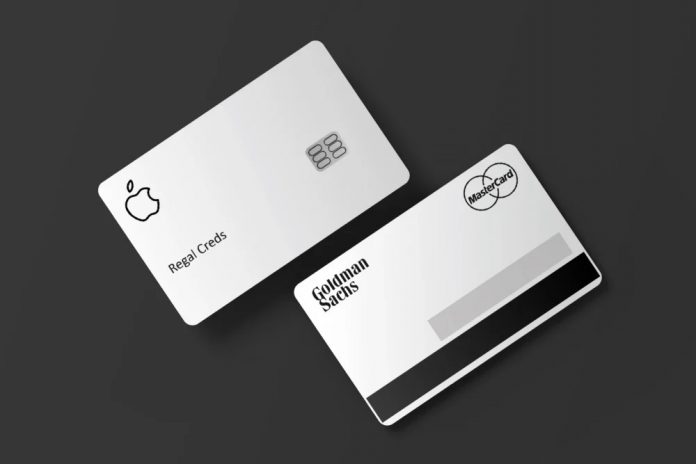
JPMorgan Chase, a leading global financial institution is reportedly in talks with Apple to take over the tech giant’s credit card program from Goldman Sachs.

The negotiations, first reported by the Wall Street Journal, which reportedly gained momentum earlier this year, could see JP Morgan acquire Apple’s credit card business, which currently serves over 12 million users and has $17 billion in outstanding balances.

Recall that since the launch of the Apple Card business in 2019, Goldman Sachs has been the issuer of the credit card. However, the relationship became rocky in recent years, until November 2023, when a CNBC report revealed that Apple issued a proposal to Goldman Sachs to end its credit card and savings account partnership within the next 12 to 15 months.

In 2023, Goldman and Apple began exploring alternatives, reaching out to multiple lenders, including American Express. However, some negotiations faced delays, partly due to concerns over the Apple Card’s high loss rate. This positioned JPMorgan as a potential buyer, with sources indicating that Goldman might sell the Apple Card program for less than its face value. However, insiders maintain that a deal is still in the works and could take months to finalize as crucial elements, such as pricing, remain under negotiation.

Goldman Sachs’s decision to exit the consumer banking Space, which included the $17 billion Apple Card Program, stems from the firm’s decision to refocus on its core business. The Apple Card launched in 2019 as a cash-back card tailor-made for the brand’s enthusiasts. With a $0 annual fee, 3% cash back on eligible Apple purchases, and 2% cash back on Apple Pay purchases, the card is a decent choice for anyone who frequently uses Apple’s payment service. For Apple, credit card and savings accounts are a way to add value and additional features to its iPhone, as well as bolster its quickly growing services business with fees.

Aside from JPMorgan, Apple has also been in discussions with other potential suitors, including Synchrony Financial and Capital One, as it seeks a new home for its credit card program. For JPMorgan, securing the Apple Card deal would significantly bolster its already strong presence in the US credit card market, providing access to Apple’s vast and loyal customer base. However, the bank is reportedly negotiating a purchase price below the face value of the outstanding balances, citing concerns over the program’s subprime exposure and the potentially costly terms involved.

The outcome of these negotiations could have considerable implications for both companies. For Apple, a deal with JPMorgan would allow the tech giant to continue its expansion into financial services with the backing of a major banking player. For JPMorgan, acquiring the Apple Card program would represent a substantial expansion of its credit card business and could lead to a deeper partnership with one of the world’s largest technology companies.

JPMorgan Chase could take over Apple’s credit card program, The Wall Street Journal reports, citing anonymous sources. Goldman Sachs, the initial partner on the credit cards, abandoned its ill-fated foray into consumer finance last year and pulled out of the Apple project after taking some heat for its rocky start. Apple had reportedly been in talks with Capital One and Synchrony to take over its card, which has some 12 million users. Sources tell the Journal that JPMorgan’s involvement is far from a done deal, as the bank is seeking concessions on details including billing practices and price.