DD
MM
YYYY

PAGES

DD
MM
YYYY

spot_img

PAGES

Home Blog Page 2916

The United States Federal Reserve’s Move on United Texas Bank

0

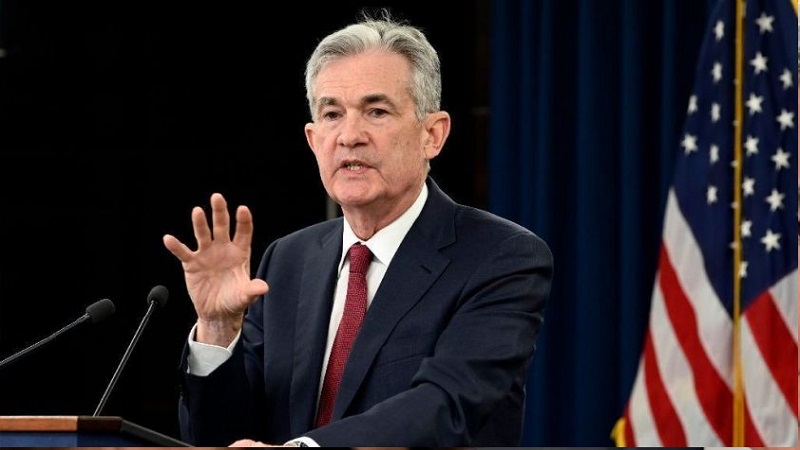
In a significant move that has caught the attention of the financial and cryptocurrency sectors, the Federal Reserve has issued a cease-and-desist order to a Texas-based bank. This action comes as a result of what the Federal Reserve describes as “significant deficiencies” in the bank’s risk management systems, particularly concerning its dealings with cryptocurrency clients.

The bank in question, United Texas Bank, has been a notable entity in the crypto-friendly banking space, managing around $1 billion in assets and employing 75 individuals. The examination conducted by the Federal Reserve in May 2023 uncovered issues in the bank’s corporate governance and oversight by its board of directors and senior management. These deficiencies were specifically related to foreign correspondent banking and virtual currency customers, highlighting the challenges banks face when engaging with the rapidly evolving digital asset industry.

The cease-and-desist order emphasize the importance of compliance with anti-money laundering (AML) regulations and the Bank Secrecy Act (BSA). The Federal Reserve’s action underscores the regulatory scrutiny that financial institutions face when servicing the cryptocurrency industry. It also reflects the ongoing tension between innovation in the financial sector and the need for robust risk management and regulatory compliance.

For the cryptocurrency industry, this development is a reminder of the regulatory hurdles that can impact banks and other financial services providers that wish to engage with digital assets. It also raises questions about the future of banking for cryptocurrency firms and the measures that banks must take to ensure compliance with existing financial regulations.

The response from United Texas Bank has been to begin measures to strengthen its BSA/AML compliance program and lower its BSA/AML risk profile. This includes a formal plan to enhance board oversight of its compliance with BSA/AML requirements, as agreed upon by the bank’s board of directors.

For United Texas Bank, this means an immediate halt to certain activities, especially those related to servicing crypto firms. The bank is now required to address the cited deficiencies and submit a formal plan to strengthen its board oversight and compliance with BSA/AML requirements.

This enforcement action is not just a wake-up call for United Texas Bank but serves as a cautionary tale for other financial institutions navigating the complex intersection of traditional banking and the burgeoning world of cryptocurrencies. It highlights the need for robust risk management and compliance practices in an industry that is under intense regulatory gaze.

This incident serves as a case study for other financial institutions that are navigating the complexities of the cryptocurrency market. It highlights the need for a balance between embracing technological advancements and adhering to the stringent regulatory frameworks designed to prevent financial crimes.

As the digital asset industry continues to mature, it is likely that we will see more interactions between traditional financial entities and the cryptocurrency sector. The Federal Reserve’s action is a pivotal moment that may shape the policies and practices of banks regarding cryptocurrency clients moving forward. For now, the industry watches closely as United Texas Bank adjusts its practices to meet regulatory standards, setting a precedent for other institutions in similar situations. The outcome
Banks Turn to Generative AI to Accelerate Instant Payments Project Challenges – Report

0

As the demand for real-time payments grows globally, banks face increasing pressure to upgrade their infrastructure to meet the requirements of instant payment systems.

New research from RedCompass Labs, a global leader in payments modernization, reveals that over half (54%) of banks are planning to leverage generative Artificial Intelligence (AI) to address the challenges of instant payments and other payments modernization projects.

Additionally, 42% of banks are actively considering integrating AI into their operations, signaling a growing trend toward automation and advanced technology in the banking sector. The report, titled “AI in Payments: The Future of Payments Modernization”, draws from a survey of 200 senior payments professionals across EU and US banks. It explores their perspectives on generative AI, their level of expertise, and their strategies for integrating AI into payment modernization.

Key Findings From The Research:

Al Adoption on the Rise: All banks surveyed are at least considering Al adoption, with 62% actively exploring its potential.

High Al Knowledge: A significant 80% of banks rate their knowledge of Al as advanced, with 28% claiming a very high level of expertise.

Top Al Concerns: The primary concerns about Al include user expertise (29%), low-quality inputs/outputs (28%), security and data protection (27%), transparency of decision-making (25%), and the accuracy of Al algorithms (25%).

Collaborating with Consultancies: Al is expected to enhance collaboration with external partners on payments projects, particularly by improving the quality of work (46%), payment expertise (44%), long-term vision (40%), speed (38%), and cost efficiency (36%).

The payment innovation and market share are being dominated by a few major banking players, widening the competitive gap. However, AI offers a solution to either close this gap or accelerate it, depending on who seizes the opportunity first. With AI, banks can significantly boost output while maintaining or reducing costs. Those who fail to embrace AI will face disadvantages in cost and speed, losing profit margins and market share.

Tom Hewson, CEO at RedCompass Labs, notes that from a process, skill, and expertise point of view, payments innovation and market share are being seized by a few big banking players who are widening an already significant competitive gap.

He further adds that banks and payment providers that don’t embrace Al in the payment modernization space will face both cost and speed disadvantages relative to those that do, resulting in a loss of profit margin and market share. “But, if they leverage the billions that have been invested into Al, make use of the tools available, and gather industry knowledge, they have a chance to keep up with the rate of change”, he concludes.

However, the challenge for many banks in leveraging AI lies in internal governance, trust issues, and a risk-averse mindset. By embracing advanced technology, especially in instant and cross-border payments, banks can accelerate projects, handle workloads more efficiently, and stay competitive.

While AI’s short-term impact may be overstated, its medium-term potential is immense. The payment landscape is evolving rapidly, and banks must adapt or be left behind. By embracing generative Al, banks have an opportunity to streamline their payments modernization efforts, meet regulatory demands, and improve their competitive standing in an evolving financial landscape.

Dangote’s Polypropylene Production Will be Catalytic for Nigeria’s Economy

0

Nations rise when great entrepreneurs emerge. Nigeria is supremely blessed that Dangote is living among us. Imagine if there was no Dangote, it would have been a nation of talk and talk, like I am doing, with no action. But with Dangote, there is a promise ahead. He has done it again:

“The Dangote Refinery is set to make a significant impact on Nigeria’s industrial sector by commencing polypropylene production by the end of October 2024. This move, poised to revolutionize the domestic supply chain, is expected to effectively curb the nation’s reliance on polypropylene imports, a critical raw material across industries such as packaging, textiles, and automotive manufacturing.”

Additionally, the Dangote Refinery’s capacity to meet local demand for polypropylene is expected to open doors for Nigeria to export surplus production to neighboring countries, potentially positioning the nation as a key supplier of the material in the West African region. The African market has long been reliant on imports from Asia and the Middle East, and with the Dangote Refinery in play, business leaders believe Nigeria could challenge these regions’ dominance in the market.

In the Igbo Nation, one of the most memorable lines is “otu onye ana-asi unu abiala [one person who is welcomed as MANY people]. Yes,  Dangote can use plural pronouns in Nigeria, in the world of business, because he has done many great things.

Indeed, it takes the killing of one leopard to be called a killer of leopards. I want to congratulate Alhaji for this voyage of rebuilding a nation through entrepreneurial capitalism, as he has killed many leopards of market frictions.

Dangote Refinery to Commence Polypropylene Production in October, Cutting Nigeria’s $267.7m Annual Import Cost

Dangote Refinery to Commence Polypropylene Production in October, Cutting Nigeria’s $267.7m Annual Import Cost

0

The Dangote Refinery is set to make a significant impact on Nigeria’s industrial sector by commencing polypropylene production by the end of October 2024. This move, poised to revolutionize the domestic supply chain, is expected to effectively curb the nation’s reliance on polypropylene imports, a critical raw material across industries such as packaging, textiles, and automotive manufacturing.

Polypropylene, a versatile polymer, is used extensively to create everything from plastic containers and automotive parts to fibers used in clothing and carpets.

Chairman of Dangote Group, Aliko Dangote, disclosed that the refinery is nearing full operational capacity and will soon meet local demand for polypropylene, a product that has historically been imported, costing Nigeria approximately $267.7 million annually. As Dangote noted, this transition to local production marks a major step toward reducing the strain on Nigeria’s economy caused by import dependence.

“Let me assure you of one thing,” he stated confidently, “Nigeria from October will not import any more polypropylene, which used to be about a quarter of a million tons. No more imports of polypropylene.”

The significance of this development cannot be overstated, particularly given the foreign exchange challenges faced by Nigeria’s industrial sector. For years, businesses involved in packaging, textiles, and automotive parts manufacturing have been grappling with delayed shipments due to foreign exchange shortages and long import timelines. This has forced many to adopt contingency strategies, such as stockpiling polypropylene to avoid disruptions in production.

Dangote addressed these issues directly, explaining how the refinery would eliminate such bottlenecks. He said the refinery is prepared to fully supply the market, and this will alleviate the struggles of local manufacturers who have been stocking up due to import delays.

Industry stakeholders are optimistic that the availability of domestically produced polypropylene will improve operational efficiency for manufacturers, enabling them to redirect their resources toward expanding production and improving competitiveness. This shift comes at a time when many industries have been under immense pressure, compounded by the depreciation of the naira and increasing import costs due to global supply chain disruptions.

Economic and Industrial Significance of Polypropylene

Polypropylene is indispensable in modern manufacturing due to its flexibility, strength, and resistance to chemicals and high temperatures. Its applications span various sectors, from the automotive industry, where it is used to make bumpers, battery cases, and interior trims, to consumer goods, such as food containers, furniture, and textiles.

Given the breadth of its applications, the economic impact of local polypropylene production will be profound. Experts believe that this development could stimulate the growth of related industries, especially Nigeria’s young automobile industry, by providing them with a reliable and affordable supply of raw materials.

According to industry analysts, the shift towards local production of polypropylene represents a major win for Nigerian manufacturers. Not only does it insulate them from global market volatility, but it also offers cost advantages that could help them compete more effectively both locally and internationally.

Additionally, the Dangote Refinery’s capacity to meet local demand for polypropylene is expected to open doors for Nigeria to export surplus production to neighboring countries, potentially positioning the nation as a key supplier of the material in the West African region. The African market has long been reliant on imports from Asia and the Middle East, and with the Dangote Refinery in play, business leaders believe Nigeria could challenge these regions’ dominance in the market.

This expansion into polypropylene production is in line with the Federal Government’s industrialization agenda, which aims to boost local production, reduce import dependence, and create a more resilient economy.

The commencement of polypropylene production at the Dangote Refinery marks a major milestone in Nigeria’s broader industrialization efforts. The refinery itself, billed as Africa’s largest, is expected to be a game-changer not just for Nigeria but for the entire continent. In addition to producing fuels, the refinery will serve as a significant petrochemical hub, generating other by-products essential for various industries, including plastics, fertilizers, and chemicals.

During a recent press briefing, Dangote reiterated the broader impact of the refinery’s operations.

“We are committed to ensuring that Nigeria not only meets its own needs but also plays a significant role in the regional and global markets. This is not just about self-sufficiency but about positioning Nigeria as a leader in industrial production across Africa,” he said.

For years, Nigeria has faced significant trade deficits, with a high percentage of its foreign exchange earnings allocated to importing raw materials like polypropylene. This has made the country vulnerable to global market fluctuations, as well as foreign exchange shortages that have hindered industrial output.

The expected cost savings from local polypropylene production will be significant, as manufacturers will no longer have to contend with the high costs associated with importing the material, which have been exacerbated by fluctuations in global oil prices and supply chain issues. Experts expect this to result in more affordable finished goods, which could, in turn, lead to lower prices for Nigerian consumers.

BigTech Fines, Back Taxes and Big Lessons: Americans invent, Chinese scale, Europeans regulate, Others merely consume!

0

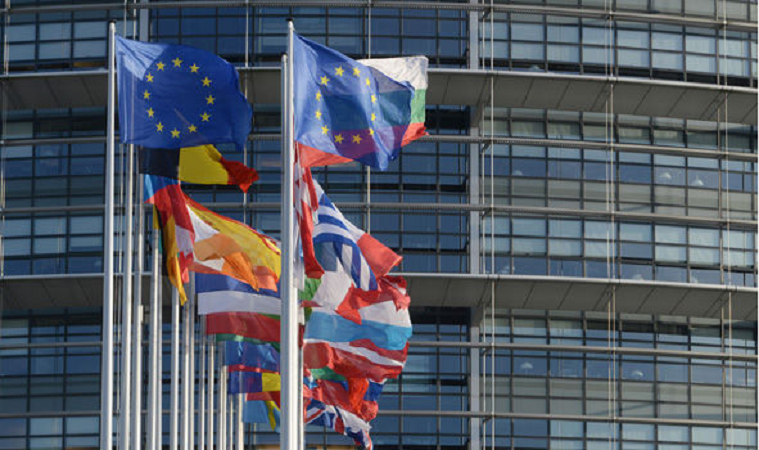
The Americans invent, the Chinese scale and the Europeans regulate. Others merely consume. For those three players, everyone is pushing. Europe now wants to collect really big, and is asking Apple to pay $14.4 billion in back taxes:

“Europe’s top court has dealt a significant blow to Apple, ruling against the tech giant in a long-standing legal battle over its tax dealings in Ireland…The ruling upholds the European Commission’s original 2016 decision, which ordered Ireland to recover up to €13 billion ($14.4 billion) in back taxes from Apple. The Commission had accused Ireland of providing “illegal” tax benefits to Apple over two decades, enabling the company to pay significantly less tax than it would have under standard EU rules.”

Good People, what are African lawyers doing? If you guys do not have an office, the Ovim Nation has a space we can donate; just stay there and send summons to BigTech. There is a likelihood you can collect for Africa. Europe generates $billions on fines and goal-post shifting back taxes yearly.

LinkedIn Summary: Apple and Google were fined billions by European regulators on Tuesday in two landmark rulings that are seen as a “key victory” for the bloc and its scrutiny of Big Tech. In a case dating back to 2016, the Court of Justice of the European Union ruled that Apple must pay Ireland roughly $14.4 billion worth of unpaid taxes. Meanwhile, Brussels fined Google about $2.6 billion in a seven-year-old case that accused it of “abusing its monopoly power” to best rivals in shopping. The decisions were seen as major tests of the EU’s bid to rein in large tech firms on tax and antitrust matters.

  • Apple said Tuesday’s decision effectively enabled the bloc to set “a double tax” on a business already taxed in the U.S.
  • Google said it was “disappointed” by the ruling, but that it had already made changes to comply with an earlier decision.
  • Google is separately facing allegations from federal prosecutors that it maintains an illegal monopoly on the advertising technology market, in an antitrust trial now underway in Virginia.

Comment on Feed:

Comment 1: Ndubuisi Prof – The conclusion is based on the premise that because EU does something, this must be a lesson for Africa, and in particular Nigeria.

Ireland simply pursued a sovereign approach to having strong ‘Ease to Do business’ credentials.

But it is a member of the EU and Brussels has ruled. It can either abide by the decision or pull out.
Ireland has a former British colonial heritage, not French.

It’s approach is different. Irrespective Britain in no longer in EU, the dynamic of Ireland leaving EU would be like Nigeria deciding to leave ECOWAS.

Moreover everywhere has strong points and weak points and while Nigeria has challenges, this does not mean on all things, EU model is right and Nigeria model is wrong.

Nigeria already has close to the worst ‘Ease to do business’ credentials as any in Africa, and unlike Ireland in EU, it’s position in ECOWAS is not at risk by retaining what small number of policies that are useful, and building upon them to improve its ranking.

Nigeria needs to ignore EU and pay attention to Rwanda. If Goliath had sought advice from David rather than conflict, he may have lived and prospered.

My Response:  Good points. Of course, I wrote in figures of speech. No African country (except South Africa) can modulate the big tech considering how much we make for them.