DD
MM
YYYY

PAGES

DD
MM
YYYY

spot_img

PAGES

Home Blog Page 2918

Analyzing the Kremlin’s Stance on Ukraine Peace Talks

0

The recent dismissal by the Kremlin of Germany’s overtures for peace talks regarding the Ukraine conflict marks a significant moment in international diplomacy. The German Chancellor’s suggestion for a peaceful resolution was met with a clear rebuff from the Kremlin, indicating a stark divergence in the approaches to the ongoing situation in Ukraine.

The conflict began with Russia’s annexation of Crimea in 2014 and has since involved the eastern regions of Donetsk and Luhansk. Ukraine’s sovereignty and territorial integrity remain central to the dispute. Ukraine’s strategic location between Russia and the European Union has heightened tensions. Russia’s resistance to Ukraine’s closer ties with the West, especially the EU and NATO, has been a significant factor in the escalation of the conflict.

Russia has expressed strong opposition to Ukraine joining NATO, viewing it as a threat to its own security. The presence of NATO forces and military exercises in Eastern Europe has been a point of contention. The conflict has severely impacted Ukraine’s economy and political landscape, with implications for energy security and economic relations in the region.

The Kremlin’s stance, as articulated by Dmitry Peskov, the spokesperson for Russian President Vladimir Putin, underscores a fundamental disagreement with the German perspective. The suggestion that peace talks could be initiated at this juncture was flatly rejected, with Peskov stating that no “tangible contours” for a peaceful settlement have emerged. This response not only highlights the current impasse but also reflects the complexities of negotiating peace in the shadow of ongoing conflict.

The war has had devastating human rights consequences, with thousands of civilians killed and injured, and millions displaced within Ukraine and as refugees. Disinformation campaigns have been a persistent issue, with both sides accusing each other of spreading false information to influence public opinion and international perspectives.

The German Chancellor’s call for accelerated peace talks aligns with a broader desire within the international community for a resolution to the conflict that respects the sovereignty and territorial integrity of Ukraine. However, the Kremlin’s position suggests that their prerequisites for such discussions are not being met, particularly concerning territorial concessions and the broader control over Ukraine’s future.

The divergence in viewpoints between Germany and the Kremlin is emblematic of the broader challenges facing peace negotiations. The Ukrainian leadership’s categorical rejection of the concessions demanded by Moscow, which they equate to capitulation, further complicates the prospect of talks. President Volodymyr Zelensky’s calls for a “just peace” adds another layer to the discourse, emphasizing the need for a resolution that is equitable and honors the sacrifices made by the Ukrainian people.

The interplay of these diplomatic positions reveals the intricate web of interests, demands, and geopolitical strategies that define the current impasse. The path to peace is fraught with obstacles, not least of which is the alignment of diverse international actors with the conflicting parties’ objectives. The German Chancellor’s initiative, while reflective of a commitment to peace, must navigate the realities of a situation where consensus seems distant.

As the world watches the unfolding events, the importance of continued dialogue and diplomatic efforts cannot be overstated. The resolution of the Ukraine conflict will require not only the willingness to engage in talks but also the capacity to bridge the significant divides that currently exist. The Kremlin’s dismissal of Germany’s “chatter” about peace talks is a sobering reminder of the long road ahead in the quest for peace in Ukraine.
Nigerian Securities and Exchange Commission’s Stance on Unlicensed Crypto Firms

0

In a significant move to regulate the burgeoning cryptocurrency market within its jurisdiction, the Nigerian Securities and Exchange Commission (SEC) has announced its intention to commence enforcement actions against unlicensed crypto firms operating in the country. This decision underscores the SEC’s commitment to establishing a clear regulatory framework and protecting investors from potential risks associated with unregulated digital asset markets.

The SEC’s Director General, Emomotimi Agama, has been vocal about the regulatory body’s stance, emphasizing that the enforcement actions are aimed at entities that intend to operate in the Nigerian market without seeking regulation. The SEC’s approach is not merely punitive but also developmental, as it seeks to foster a secure and regulated environment conducive to market growth without stifling innovation.

The recent developments follow the SEC’s move last month to begin issuing licenses to compliant crypto firms, signaling a cautious yet progressive approach to cryptocurrencies. Notably, licenses were granted to cryptocurrency exchanges Quidax and Busha, among others, which met the regulatory requirements set forth by the SEC.

The Nigerian Securities and Exchange Commission (SEC) has established a comprehensive set of requirements for entities seeking to operate as Digital Assets Exchange (DAX) operators within the country. The aim is to create a regulated environment that ensures investor protection while fostering innovation in the digital assets space. Here are the specific requirements for obtaining a crypto license in Nigeria:

Application Fee: Entities must pay an application fee of ?100,000 ($240).
Processing Fee: A processing fee of ?300,000 ($722.46) is required.
Registration Fee: The registration fee is set at ?30 million ($72,000).
Minimum Paid-up Capital: DAX operators must maintain a minimum paid-up capital of ?500 million ($1.2 million).

Additionally, crypto exchanges and other digital asset service providers must register with the Corporate Affairs Commission (CAC) and adhere to the SEC’s regulations to operate legally in Nigeria. The SEC has also introduced the Regulatory Incubation Program, which allows firms to test their business models under SEC supervision, further integrating them into the regulatory framework.

Furthermore, the SEC has introduced the Regulatory Incubation Program (RI), which allows firms to test their business models and technologies in a controlled environment under SEC supervision. This program is part of the SEC’s broader strategy to integrate firms into the regulatory framework, especially those that had commenced operations before the issuance of the Rules on Virtual Asset Service Providers in May 2022.

These measures reflect Nigeria’s proactive approach to managing the risks and opportunities presented by the growing interest in cryptocurrencies, ensuring that the market’s expansion is matched with investor security and legal compliance. For more detailed information, entities can refer to the full guidelines provided by the SEC.

The SEC’s proactive measures come at a time when the global crypto landscape is witnessing increased scrutiny from regulators, aiming to balance the need for innovation with investor protection. Nigeria’s SEC is positioning itself as a forward-thinking regulator, aware of the potential of digital assets and the necessity of a robust regulatory system to support its growth.

As the SEC embarks on this regulatory journey, the crypto community, investors, and stakeholders will be watching closely to see how these enforcement actions unfold and what impact they will have on the future of cryptocurrency in Nigeria and beyond.

Regulatory and High Compliance Costs Threaten Nigerian Banking Industry – Elumelu

0

The Nigerian banking sector is currently facing significant challenges that threaten its ability to sustain growth and drive innovation. High regulatory and compliance costs have become a pressing issue, burdening financial institutions with expenses that could potentially stifle the sector’s capacity to contribute to the country’s economic development.

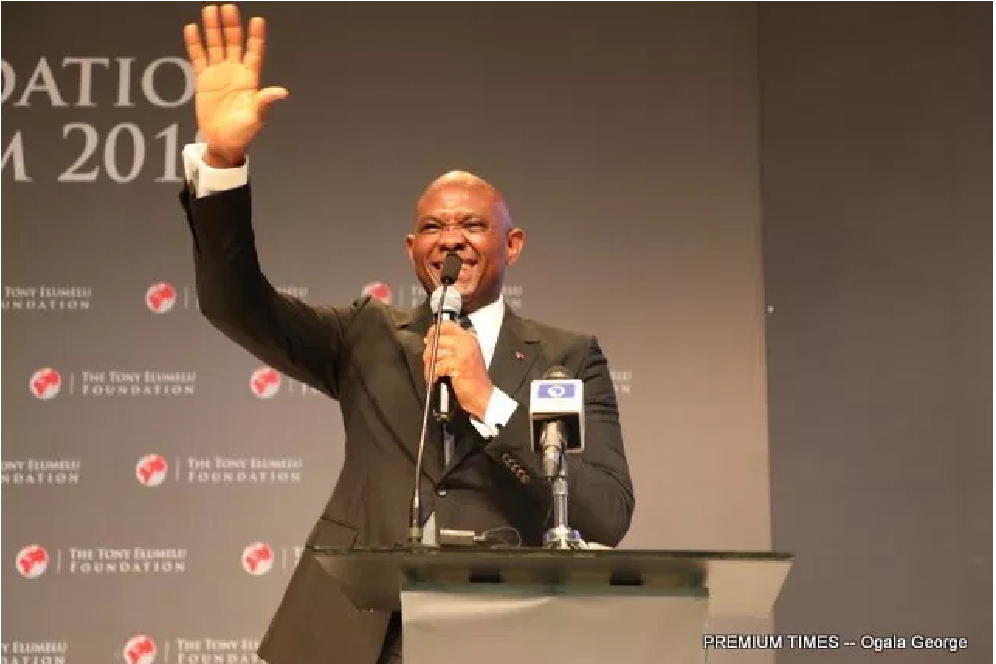
Tony Elumelu, Chairman of the United Bank for Africa (UBA) Group, highlighted these concerns during his keynote speech at the CIBN 17th Annual Banking & Finance Conference, where he emphasized the need for urgent reforms to alleviate the financial strain on banks.

Elumelu’s remarks come at a critical time when Nigeria’s banking sector is being leaned on to support an economy grappling with inflation, foreign exchange volatility, and dwindling investor confidence.

During his address, Elumelu noted the essential function banks play in Nigeria’s economic landscape but stressed that regulatory and compliance costs have risen to a level where they are now constraining growth. He called for collaboration between the government, regulatory bodies, and banking institutions to address these issues.

He stated, “The sector employs millions, provides crucial financial support to countless businesses, and generates income for millions of shareholders. However, the sector faces challenges that impede its growth and innovation, including regulatory and high compliance costs.”

This burden, according to Elumelu, has been made worse by Nigeria’s regulatory framework, which imposes stringent costs on banks in the form of levies and fees.

The Heavy Financial Burden from AMCON

Lending credence to Elumelu’s assertion is the burden of the levy the banks are mandated to pay to The Asset Management Corporation of Nigeria (AMCON).

A major financial obligation for Nigerian banks comes from contributions to the Asset Management Corporation of Nigeria (AMCON). Since AMCON’s inception in 2011, which was aimed at recovering bad loans in the banking system, it has relied heavily on the financial sector for funding. The Central Bank of Nigeria (CBN) has been contributing N50 billion annually to the AMCON resolution trust fund, while banks themselves are mandated to make additional payments to this fund.

The cost of these contributions is significant. AMCON fees now account for approximately 11.43% of banks’ operating expenses, making them one of the largest single expenses for many financial institutions. Over the last decade, from 2014 to 2023, 10 deposit money banks in Nigeria collectively paid a staggering N1.66 trillion into the Banking Sector Resolution Cost Trust Fund (BSRCTF), also known as the AMCON sinking fund.

In 2021, Nigerian banks, with combined assets of N70.25 trillion, paid N259.75 billion to AMCON in levies, representing a 17% increase from the N300.65 billion paid in 2020. As banks grow their asset bases, the levies increase correspondingly, putting additional pressure on profitability.

Shareholders argue that this ongoing financial burden is eroding their value, as it takes a significant portion of potential returns.

The financial toll of these levies has not only affected banks’ balance sheets but has also had a profound impact on shareholder returns and market competitiveness. According to economic analysts, the mandatory contributions to AMCON have consistently undermined banks’ profitability, reducing returns on average assets (ROAA) and returns on average equity (ROAE) by as much as 0.6%. This translates to an estimated 30% depletion in the bottom lines of Nigerian banks, making them less profitable compared to their peers in other frontier and emerging markets.

For instance, in 2015, 13 banks contributed a total of N107.9 billion to AMCON. By 2021, contributions surged to N259.75 billion, largely in line with the sector’s growing assets. This also meant that banks had less to reinvest in new products, services, and technological innovations, effectively stunting their ability to compete globally.

Financial experts warn that if these regulatory costs continue to rise, Nigerian banks may face declining investor interest, as profitability becomes less attractive relative to other markets.

Given the current financial situation, Elumelu is advocating for meaningful dialogue between the government, banking institutions, and regulatory bodies to craft a more conducive environment that allows banks to thrive. Without such intervention, he warned, the sector could be hamstrung by regulatory burdens at a time when it is most needed to drive economic recovery.

Elumelu’s comments resonate with growing concerns across the financial sector about the sustainability of the current regulatory regime. In addition to AMCON levies, banks are grappling with compliance costs related to other regulatory frameworks.

Financial experts say that the cumulative effect of these requirements is that banks are left with little room to innovate or expand their services, which could have long-term consequences for Nigeria’s economic growth.

Sterling Bank Adopts Africa’s First Indigenous Core Banking System, SeaBaaS, Marks Significant Milestone

0

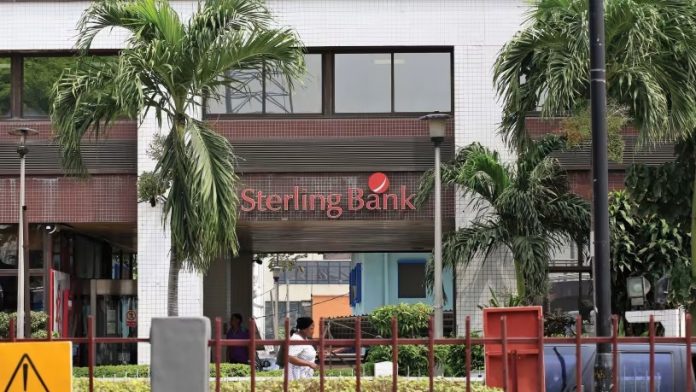
Sterling Bank, one of Nigeria’s leading financial institutions, has taken a pioneering step by migrating to Africa’s first indigenous core banking system, SeaBaaS (Secure, Efficient, Agile Banking as a Service).

SeaBaaS is Sterling’s new core banking application, developed specifically for the African market by Peerless. SeaBaaS provides a stable, reliable, and flexible platform that supports local economic growth and innovation.

The move to adopt an indigenous core banking system underscores Sterling Bank’s commitment to fostering African innovation and reducing reliance on foreign banking technologies. By adopting an African-developed platform, Sterling Bank is setting a precedent for other financial institutions across the continent to explore locally developed solutions that are tailored to meet the unique needs of the African market.

Check out some Strategic Advantages of the Sterling Bank’s migration to this new system:

1. Customization for Local Needs: Unlike foreign solutions, the indigenous system is designed to address the specific regulatory, operational, and market conditions within Nigeria and Africa. This offers enhanced flexibility in responding to local banking challenges and customer preferences.

2. Cost Efficiency: By adopting a homegrown system, Sterling Bank is likely to benefit from lower costs associated with software licensing, maintenance, and customization compared to foreign-developed solutions. This may also reduce foreign currency outflows, which is crucial in economies like Nigeria’s.

3. Improved Customer Experience: The migration is expected to result in faster, more efficient banking services, providing Sterling Bank’s customers with seamless transactions, enhanced security, and better access to a wide range of financial services, all while promoting financial inclusion.

4. Data Sovereignty: With increased concerns about data privacy and security, especially when relying on foreign technologies, the use of an indigenous core banking system gives Sterling Bank greater control over its data infrastructure, aligning with national regulations on data protection and sovereignty.

Speaking on the Sterling Bank adoption of Africa’s first indigenous core banking system, SeaBaaS, the bank’s CEO Abubakar Suleiman, emphasized that this migration is part of a broader digital transformation strategy, aimed at improving operational efficiency, reducing service downtime, and delivering enhanced financial services to its customers.

He described this development as the beginning of a new era in Africa’s quest for economic self-sufficiency, with the intellectual property behind SeaBaaS set to be shared with partners across the continent in the coming months.

In his words,

Partnering with Peerless to create SeaBaaS is not just a milestone for us; it is a renewal ofour resolve and ambition to remain a world-class organization. It is proof that African institutions can do great things that will make the world stand up and take notice of us. We are once again proving that the notion of Nigerian banking being one of the most technologically advanced is not just a myth, but a reality that is manifested in the quality of solutions we can develop, and services we can deliver to our customers.”

Suleiman reiterated that the transition to SeaBaaS represents many things to many people. For the African banking industry, he said it is the continent’s first indigenously conceived and engineered core banking application, built and owned entirely by a Nigerian company, with every line of code, database configuration, and interface proudly African, delivered by home-grown talent. For our customers, it offers faster transactions, enhanced security, and innovative financial products tailored to their needs. For regulators, it ensures greater transparency, robust reporting, and compliance with evolving standards”.

He further acknowledged the challenges faced during the implementation, stating that implementation issues had been resolved, with the institution’s full bouquet of digital banking services being restored in phases for customers’ use.

“This successful deployment reminds us that nothing truly valuable comes without challenges. While this transition has tested our systems and patience, it also reinforced our commitment to innovation and excellence. We enter this new phase confident that the migration will deliver unmatched efficiency and transformative customer experiences”, he added.

He finally pointed out the financial implications of the migration, noting that African banks collectively spend hundreds of millions of dollars annually on foreign core banking systems, which exacerbates the continent’s trade balance issues.

Sterling Bank adoption of Africa’s first indigenous core banking system highlights the growing capability of African technology companies to develop world-class solutions. This migration is likely to inspire confidence in local tech innovations and encourage other banks and financial institutions across Africa to consider adopting similar solutions, boosting the continent’s financial ecosystem.

Notably, the bank is focused on using technology to foster innovation and increase financial inclusion in Nigeria and beyond. As Africa continues to embrace digital transformation in banking, Sterling Bank’s pioneering move demonstrates the potential of indigenous technology to drive innovation, reduce costs, and provide tailored solutions for local markets.

TUC Urges Central Bank of Nigeria to Grant NNPCL N1,000/$1 Special FX Rate to Lower Fuel Price

0

The Trade Union Congress (TUC) has urged the Central Bank of Nigeria (CBN) and the Nigeria Customs Service (NCS) to grant the Nigerian National Petroleum Company Limited (NNPCL) a special foreign exchange (FX) rate of N1,000/$1, a move it believes will significantly lower petrol prices.

According to TUC President Festus Osifo, securing this favorable exchange rate will reduce the cost of importing fuel, which could bring the price of petrol down from the current N900+ per liter to N600 per liter, depending on the region.

Osifo, who also leads the Petroleum and Natural Gas Senior Staff Association of Nigeria (PENGASSAN), told ChannelsTV that the primary issue causing high fuel prices isn’t the subsidy removal implemented by President Bola Tinubu in May 2023, but rather the drastic devaluation of the naira that followed. He explained that without this devaluation, petrol prices would likely be around N350 per liter, as opposed to the current high rates.

Despite the removal of fuel subsidies, the TUC president revealed that the NNPCL is still indirectly subsidizing petrol prices, which is why the TUC is advocating for this special FX rate. Osifo argued that by giving the NNPCL the same preferential treatment reportedly given to the Dangote Refinery, where crude is sold in naira, the cost of fuel could be stabilized, and subsidy payments would no longer be necessary.

Osifo said, “If you give a special rate to NNPC, you don’t need to pay for subsidy anymore. The same special rate that was given to Dangote (Refinery) to sell, a special rate was given.

“Before now, we have had our Customs giving special rates. So, that special rate should be given in that sector.

“With the sale of crude to Dangote in naira, and you decide that that crude you are selling to Dangote in naira, the exchange rate will be N1,000 to a dollar. If you do that, all marketers can go to Dangote and sell at a reduced rate compared to what is practicable today.

“It is about the exchange rate and that is what we have propounded over time.”

Economic Realities Stark Against a Special FX Rate

While the TUC’s proposal aims to alleviate the burden of high fuel costs on Nigerians, experts say fixing a special FX rate for fuel imports would come at a heavy price. This means that the government must intervene to defend the naira once again.

Defending the naira at such a rate would require the government to pump significant amounts of foreign reserves into the economy, as was the case before Tinubu’s unification of the exchange rate. That could set the stage for another challenging economic scenario, given that Nigeria’s current financial situation leaves the government with limited funds to maintain such a policy effectively.

Experts warn that to implement a special FX rate, the government would have to supply significant amounts of foreign exchange at the special rate, essentially pegging a large amount of the naira artificially at a lower value for fuel imports. In the past, pegging the naira came at great expense to the Nigerian economy. For instance, prior to President Tinubu’s decision to unify the exchange rate in June 2023, Nigeria was spending around $1.5 billion monthly to maintain a fixed exchange rate, according to Presidential Spokesman, Bayo Onanuga.

This approach drained the nation’s foreign reserves, which were already stretched thin due to economic pressures. The CBN, for instance, injected $11.24 billion into the economy between January 2022 and July 2022 to stabilize the naira.

Given the current economic realities, it is unlikely that Nigeria has the reserves or financial muscle to sustain such an intervention without severely impacting other areas of the economy.

However, analysts have noted that if the government does not intervene by creating a special FX rate or securing cheaper alternatives for fuel importation, Nigerians should brace for higher fuel prices.

Dangote Refinery, which was expected to significantly reduce the cost of petrol, is now likely going to sell at over N1,000 per liter. This is because the refinery is expected to operate with a market-driven approach, meaning it will base its pricing on current international exchange rates and fuel market conditions.

Analysts have noted that the TUC’s argument that a special FX rate will reduce fuel prices overlooks the larger financial burden of defending such a policy. However, they admitted that the TUC’s warning about the broader implications of rising fuel prices cannot be ignored. With petrol prices expected to rise further without government intervention, the cost of production and transportation across industries will increase.

The ripple effect will be felt across businesses, many of which are already operating under strained financial conditions due to the high cost of fuel, inflation, and reduced consumer spending power, they warned.

Industry groups such as the Nigerian Association of Chambers of Commerce, Industry, Mines and Agriculture (NACCIMA) and the Lagos Chamber of Commerce and Industry (LCCI) have cautioned that continued fuel price hikes will lead to job losses and business closures, further worsening Nigeria’s economic situation.

This prediction aligns with broader concerns raised by economic experts, who warn that without strategic intervention, fuel costs will compound the country’s inflationary crisis and contribute to greater economic instability.