DD
MM
YYYY

PAGES

DD
MM
YYYY

spot_img

PAGES

Home Blog Page 2922

Fresh Blow to Beijing: Netherlands Restrict Dutch Chip Tool Giant, ASML Holding, From Servicing Machines in China

0

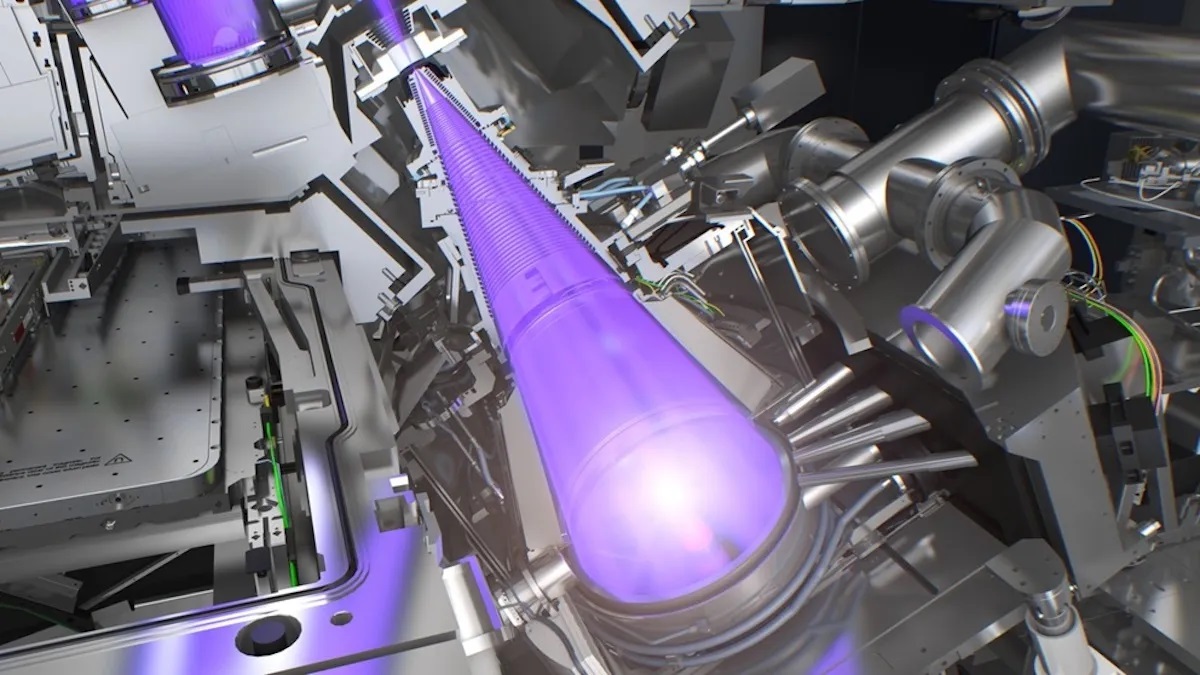
The tightening grip of export controls on China’s semiconductor industry just got tighter, as the Netherlands restricted Dutch chip tool giant ASML Holding from servicing some of its most advanced machines in China, SCMP reports, citing industry insiders.

This means mainland semiconductor factories are staring at a potentially significant production slowdown. This development compounds the challenges China already faces from existing U.S. restrictions and could represent a major setback to its technological advancement in a sector critical to national growth.

Earlier this month, Dutch foreign trade and development minister Reinette Klever announced new export controls, which require ASML to apply for licenses to sell and service its 1970i and 1980i immersion deep ultraviolet (DUV) lithography machines to Chinese customers. These machines, known for their versatility in covering various manufacturing nodes, are a vital workhorse in China’s semiconductor factories. Now, the ability to maintain and repair these machines, critical to keeping production yields high, could be disrupted.

This shift comes as part of a broader alignment with U.S. trade restrictions that took effect in November last year, aimed at limiting China’s access to critical technologies over national security concerns. Washington had already placed restrictions on the same equipment, and The Hague’s decision solidified the Western alliance’s strategy to curb China’s semiconductor industry.

Unsurprisingly, China’s commerce ministry has voiced strong objections to this latest move, viewing it as a targeted attempt to stifle its tech growth.

ASML, which enjoys a near-monopoly in the world of advanced chip-making tools, stated that the rule change is “technical” and won’t affect its financial outlook for this year. However, the more immediate concern isn’t ASML’s revenue, but the potentially crippling effect on Chinese foundries that rely heavily on timely maintenance and updates to keep their production lines humming.

According to industry insiders familiar with ASML’s operations, losing access to service engineers and spare parts for these machines could have enormous short-term consequences. Maintenance services, which typically require 24/7 availability to resolve machine failures, are vital to preventing production bottlenecks.

For China, the loss of service could mean delays, inefficiencies, and eventually, a dip in chip output—a blow to its semiconductor ambitions.

ASML has a long history in China, entering the market in 1988 and installing more than 1,000 machines, including lithography tools and inspection systems. Yet, the number of those machines that are now subject to Dutch export controls remains unclear. ASML has said little about how deeply the new restrictions will affect its operations, but industry professionals agree that the real struggle comes not from maintenance alone but from the lack of new advanced lithography machines altogether.

To be clear, ASML is already barred from shipping its most cutting-edge EUV (extreme ultraviolet) machines to China—equipment that is essential for producing chips smaller than 7 nanometers, a threshold crucial for the most advanced applications in everything from AI to mobile processors. Now, the new restrictions also include some immersion DUV systems, such as the 1970i and 1980i models, further choking off China’s access to high-end chip manufacturing technology.

For China, the loss is not just about repairing machines; it’s about the future of its tech sector. Semiconductor factories rely on these machines to compete globally, and without access to the latest equipment, they risk falling behind. It’s not just a hit to one sector, but a ripple that will affect everything from AI development to defense and consumer electronics.

Moreover, the timing could hardly be worse. Mainland China is ASML’s second-largest market by revenue after Taiwan, and in 2023, it accounted for €2.35 billion (US$2.5 billion) in sales—almost half of ASML’s global system sales for the second quarter. But due to a significant backlog, ASML has only been able to fill 50% of its orders from China, exacerbating the country’s existing supply shortages.

The restrictions have left China scrambling to find alternatives, but the road to them is bumpy. Even though ASML’s older-generation dry DUV systems, which use air instead of water for printing circuits, remain unrestricted for now, they are far less efficient for producing the most advanced chips. And, according to Paul Van Gerven, editor at Dutch tech magazine Bits&Chips, the U.S. could introduce further sanctions if the Dutch authorities begin to waver. The race to find loopholes in these restrictions could soon close off entirely.

In the broader geopolitical context, the move is seen as part of a Western effort to limit China’s technological rise, particularly in areas where it could pose a competitive or security threat. The Dutch government’s decision aligns tightly with U.S. policy, and both nations appear committed to maintaining these restrictions despite pushback from Beijing. The fear, from the West’s perspective, is that allowing China unrestricted access to advanced chip-making tools would give the nation an unassailable advantage in AI, military technology, and other high-stakes sectors.

The final piece of this puzzle is ASML itself, which finds itself walking a tightrope between massive financial interests in China and political pressure from Western governments. While it has avoided discussing details about servicing restricted machines in China, ASML’s CFO Roger Dassen has said the company still has “eyes on the tools” in Chinese fabrication plants. But for how long that will remain the case, given the escalating restrictions, is anyone’s guess.

Analysts believe that this could be one of the most significant setbacks to China’s semiconductor industry to date. Losing access to ASML’s advanced machines, maintenance services, and spare parts at a time when the country is trying to reduce its reliance on foreign technology, could slow its tech advancement by years.
Olaf Scholz Rules Out Vote of Confidence in Bundestag in Key Interview

0

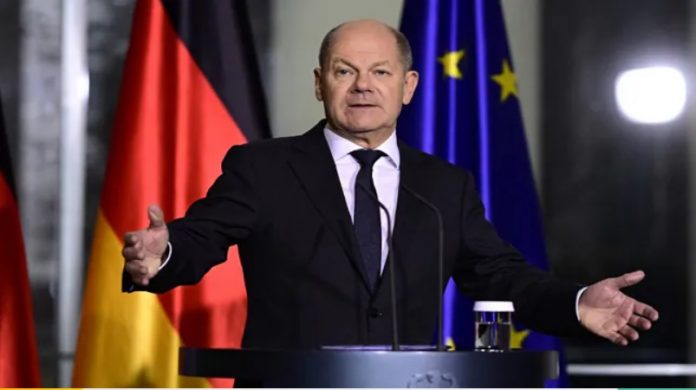
In a significant political development, German Chancellor Olaf Scholz has announced that he will not be seeking a vote of confidence in the Bundestag ahead of next year’s elections. This decision comes amidst a complex political climate in Germany, where the fragmentation of the political landscape has posed challenges to forming stable governments at both state and federal levels.

Chancellor Scholz made this announcement during his annual summer interview with the German public broadcaster ZDF. He emphasized that his coalition government retains a majority in the lower house and remains committed to fulfilling its duties. This move is seen as a response to the recent polling trends and electoral setbacks faced by the three parties constituting the current government coalition.

The chancellor’s stance indicates a strategic approach to governance in the lead-up to the parliamentary elections. By forgoing the vote of confidence, Scholz appears to be signaling confidence in the existing government’s mandate and stability. This decision also suggests a focus on continuity and the completion of the government’s agenda, rather than engaging in what could be a politically risky maneuver.

Volkswagen chief executive says situation ‘alarming,’ cuts needed

The automotive industry is facing a significant shift as Volkswagen’s chief executive, Oliver Blume, has recently described the situation at the company’s core VW brand as “alarming.” The statement comes in the wake of proposed spending cuts and potential plant closures, sparking concern among employees and industry observers alike.

Blume’s comments highlight the challenges that traditional automakers are facing in an evolving market. With a decrease in vehicle purchases in Europe and new competitors from Asia entering the market, Volkswagen is considering radical changes to remain competitive. The company’s commitment to its home country remains strong, with Blume emphasizing the importance of Germany as a location for Volkswagen, a sentiment that resonates with many employees whose families have long-standing ties with the company.

The economic pressures are not unique to Volkswagen; they reflect broader trends affecting the European auto industry. As Blume puts it, “The pie has gotten smaller, and we have more guests at the table.” This metaphor aptly captures the increased competition and the need for automakers to adapt swiftly to maintain their market position.

Despite the potential for job cuts and plant closures, which have not occurred in Germany since 1988, Volkswagen’s leadership is tasked with steering the company through these turbulent times. The proposed reforms aim to save the company significant sums, with figures suggesting a target of €4 billion in savings. The response from the workforce has been one of concern, as evidenced by the gathering of some 25,000 workers at Volkswagen’s headquarters in Wolfsburg to hear management’s defense of the planned cuts.

The situation at Volkswagen is a clear indicator of the broader economic challenges and the need for agility in corporate strategy. As the industry continues to navigate these difficulties, the decisions made by companies like Volkswagen will likely set a precedent for how traditional automakers can survive and thrive in a rapidly changing landscape.

A Polish Ice Hockey team issued an apology following the display of a banner with a Nazi reference during a game against the German team Eisbaren Berlin. The banner, which made a direct reference to the Auschwitz-Birkenau extermination camp located near the city, was unfurled by fans during the Champions Hockey League match.

The incident has sparked a wide array of reactions, highlighting the sensitive nature of historical remembrance and the responsibilities of sports teams to foster respect and unity. The Polish team’s prompt apology reflects an awareness of the gravity of the reference and a commitment to addressing the issue responsibly.

This occurrence serves as a reminder of the profound impact that historical events continue to have on present-day activities, including sports. It underscores the importance of remembrance and the need for continuous dialogue to ensure that such references do not undermine the spirit of sportsmanship and mutual respect that is essential to international sporting events.

The apology from the Polish team is a step towards acknowledging the emotional weight of the past and the role that sports can play in bridging historical divides. It is a call to action for teams and fans alike to be mindful of the symbols and messages they display, ensuring that sports remain a domain where individuals and nations can come together in a spirit of fair play and camaraderie.

Scholz’s remarks have sparked discussions on the future of German politics, particularly in light of the upcoming elections. The chancellor’s acknowledgment of the complexities in forming governments reflects a broader European trend of increasing political diversity and coalition-building challenges.

The implications of this decision will likely resonate throughout the political sphere in Germany, as parties and politicians prepare for the electoral contests ahead. It remains to be seen how this will affect the dynamics of the German political system, and the strategies adopted by various political entities.

Attack on Donald Trump Raises Fears of Political Violence in the US

0

The recent events surrounding the former President Donald Trump have indeed raised concerns about political violence in the United States. It is a serious issue that affects not only the individuals directly involved but also the fabric of American society. Political violence, or the threat of it, undermines the democratic process and the principles of dialogue and peaceful disagreement that are foundational to the functioning of any democracy.

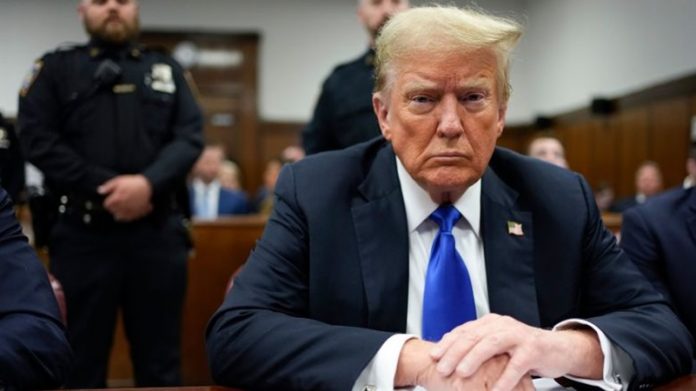
On Sunday there was a second attempt on Donald Trump’s life in this election campaign. In July a would-be assassin shot at him during a rally, nicking his ear and killing a bystander. This time the Secret Service spotted a rifle sticking out of a fence beside the golf course in Florida where Mr Trump was playing. The suspect was quickly arrested, and Mr Trump confirmed he is safe and well. The incident puts the Secret Service under new scrutiny. As for its impact on the election, Republicans and Democrats must again try to avoid politicizing a failed assassination.

The incidents involving Donald Trump have prompted a bipartisan call for the condemnation of violence and a reflection on the state of political discourse in the country. It is a moment that requires leaders and citizens alike to reaffirm their commitment to a politics free from violence and intimidation.

In these times, it is crucial to remember the importance of civil discourse and the power of words to either inflame or soothe tensions. The responsibility falls on everyone—politicians, media, and the public—to engage in conversations that promote understanding and progress, rather than division and fear. Political violence has been a recurring and unfortunate aspect of human history, often emerging during periods of intense social and political upheaval.

Here are some historical examples of political violence:

Assassination of Abraham Lincoln (1865): The 16th President of the United States was assassinated by John Wilkes Booth, an actor and Confederate sympathizer, at Ford’s Theatre in Washington, D.C. This event marked the first assassination of a U.S. president.

Wilmington Insurrection (1898): In Wilmington, North Carolina, white supremacists overthrew the local government, which was elected with a significant African American voter base, in a violent coup that left many African Americans dead or expelled from the city.

The Assassination of Archduke Franz Ferdinand (1914): The heir to the Austro-Hungarian throne was assassinated by Gavrilo Princip, a Bosnian Serb nationalist, leading to the outbreak of World War I.

The October Revolution (1917): The Bolsheviks, led by Vladimir Lenin, overthrew the Russian Provisional Government in a coup, leading to the establishment of the Soviet Union.

The Assassination of Mahatma Gandhi (1948): Mahatma Gandhi, the leader of the Indian independence movement against British rule, was assassinated by Nathuram Godse, a Hindu nationalist.

The Troubles in Northern Ireland (Late 1960s-1998): A complex conflict characterized by sectarian violence, paramilitary operations, and political strife between mainly Protestant unionists and mainly Catholic nationalists.

The Rwandan Genocide (1994): Political violence escalated into a genocide against the Tutsi population, with estimates of up to a million people killed.

The Assassination of Israeli Prime Minister Yitzhak Rabin (1995): Rabin was assassinated by Yigal Amir, an Israeli ultranationalist, due to his role in the signing of the Oslo Accords.

These examples illustrate the diverse contexts and motivations behind political violence, from ideological conflicts to power struggles and ethnic tensions. It is a reminder of the importance of dialogue, tolerance, and the rule of law in preventing such tragedies. For a more detailed exploration of political violence in American history, you can refer to the articles by TIME on the recent history of political violence in America and America’s long history of political violence.

As the nation moves forward, it is hoped that this can be a turning point towards a more respectful and safer political environment for all, regardless of party affiliation or political beliefs. The focus must remain on finding common ground and working together to address the challenges facing the country, while firmly rejecting any form of violence as a means of political expression.

Dangote Refinery to Transport 75% of Products Via Sea to Reduce Costs and Traffic Congestion

0

In a move to reduce the higher costs associated with road distribution and ease the burden on Nigeria’s congested road infrastructure, Dangote Refinery has announced its intention to transport 75% of its local petroleum product supply via sea routes.

This decision is part of a broader effort to improve the efficiency of product evacuation from the refinery while lowering transshipment costs for consumers. Key destinations targeted by this shift include Warri, Port Harcourt, and Calabar, among others.

Speaking to Arise News on Sunday as the refinery began distributing Premium Motor Spirit (PMS), Devakumar Edwin, Vice President (Oil & Gas) at Dangote Industries Limited, revealed the new transportation plans, highlighting the benefits of leveraging Nigeria’s sea routes.

“We have both exporting facilities by sea and by road. 75% of the production can be evacuated through sea. In fact, now we are ramping up to make it even 100%,” Edwin stated, noting the company’s commitment to adopting sea transportation to reduce reliance on Nigeria’s overburdened road network.

The refinery, the largest single-train facility globally, boasts an impressive capacity to load 40 tankers of PMS simultaneously within 40 minutes and can manage up to 2,900 trucks daily. However, this immense capacity poses a significant risk of traffic congestion along the Lekki-Epe corridor, where the refinery is located.

By prioritizing sea routes for product evacuation, the refinery aims to circumvent these potential bottlenecks.

“Anything going to Calabar, Port Harcourt, Warri, Apapa, Atlas can all be taken through the sea. So only what is imminently required by road can be taken. But I also have the facility to load 83% of my production also through road,” he said.

This flexibility allows the refinery to meet urgent demands by road while minimizing traffic congestion and the associated logistical bottlenecks.

Sea Transportation as a Solution to Cost and Regional Access

In addition to alleviating road congestion, the switch to sea transport is expected to significantly reduce the costs associated with road haulage, such as wear and tear on vehicles, fuel expenses, and delays due to poor road conditions or traffic. The refinery’s sea transportation plans, according to Edwin, will play a key role in cutting transshipment costs and ultimately lowering product prices for consumers.

The strategic use of sea routes will also enhance access to various parts of Nigeria. For instance, products destined for central Nigeria, including cities like Abuja and Jos, can be shipped from Port Harcourt and Warri, while those heading to the East and Northeast will be dispatched from Calabar.

“We can avoid all traffic congestion on the road by evacuating through sea and it will also bring down the cost of transhipment,” Edwin said.

While sea transportation offers multiple benefits, including cost reductions and reduced traffic, the refinery’s road capacity remains available to address urgent supply needs, particularly in regions that may not be fully serviced by sea routes. This built-in flexibility ensures that there will be no interruptions in supply, even as Dangote Refinery shifts toward maritime solutions.

The Nigerian National Petroleum Company Limited (NNPCL) moved approximately 300 trucks to the 650,000-barrel-per-day Dangote Refinery in Lagos, initiating the first loading on Sunday, September 15, 2024.

As the largest single-train refinery in the world, Dangote Refinery’s operational capacity is immense, with the ability to manage thousands of trucks daily. However, the move to sea transportation reflects the company’s commitment to sustainable and cost-effective distribution.

In a statement on Monday, the refinery assured Nigerians of the availability of quality petroleum products and putting an end to the endemic fuel scarcity in the country.

Nigerians have placed high hopes on Dangote Refinery to address energy insufficiency and insecurity, which has bedeviled the economy in the past 50 years. The refinery’s vast capacity to produce and distribute petroleum products locally holds the potential to significantly reduce the country’s reliance on imported fuel. Thus, the plan to transit to sea transportation for effective distribution of petroleum products across the country, which paves the way for a more efficient and cost-effective supply chain, has been widely lauded.

However, some energy analysts caution that while the refinery’s use of sea transportation is a welcome development, it may take some time before these cost savings translate to noticeable reductions at the pump.

Investors Who Struck Gold With Crypto: Experts Next 3 Hot Picks!

0

Market data from popular platforms such as Lookonchain have quoted how smart investors made millions of dollars trading cryptos. With the market now heading to the bulls, investors are focusing their attention on cryptos with bullish potential.

Meanwhile, based on a detailed analysis of the market, the 3 hot picks on experts’ lists for the upcoming bull season are Dog Killer, Litecoin, and Angry Pepe Fork. With its strong fundamentals, APORK is seen as the next Pepe Coin. More details below.

Angry Pepe Fork Projected for 20x Rallies in Q4

Angry Pepe Fork is a new Solana-based meme coin on a mission to conquer zombie meme coins causing havoc on the blockchain with the help of its APORK army. The project is backed by two major utilities – Conquer to earn model and staking pool.

Angry Pepe Fork is not just a project with no utility like Bonk and PopCat. It is a project which allows users to buy and stake their tokens in the presale. However, to get huge APYs, people need to buy early and enjoy the APORK shared rewards for the next two years.

The conquer-to-earn model allows users to earn more tokens by participating in community activities, quests, raids, tournaments, etc. Some analysts who have seen the potential of the project believe it will follow the trajectory of PopCat which saw over 1000% rallies in the year. Given that, with APORK sold for $0.02185, now is a golden opportunity to join.

Dog Killer Price Analysis – Will It Retest the $400 Mark in Q4?

Dog Killer, a token developed on the Shiba Inu ecosystem, has declined significantly in the past week due to the fluctuating crypto market. CoinMarketCap data shows a 14% drop in the Dog Killer price chart in the past month, which has pushed it down below the $300 support zone.

Zooming in, the Dog Killer technical analysis shows bearish market sentiment with the Dog Killer coin trading below the 50-day and 200-day EMA. Unlike Angry Pepe Fork which has real-world utility, Dog Killer only promises lucrative rewards to holders which it hasn’t yet specified.

Going forward, Dog Killer crypto has had only 12 green days in the past month with a Fear and Greed index of 32. Meanwhile, Coincodex believes that Dog Killer will bounce back and forecast a surge toward the $838 mark very soon. For that reason, it is one of the cryptos to keep an eye on.

Litecoin Price Forecast – LTC on the Path to $80

Litecoin is one of the popular cryptocurrencies on experts’ watchlists ahead of Q4. Ranked as the number one crypto for payment, Litecoin price surged to over $100 in April. While the coin has retraced since then, Litecoin is beginning to show signs of an imminent rally.

Litecoin CoinMarketCap data shows the MCAP is consolidating within $4.5 – $5B. Also, over 15 Litecoin key market indicators, such as the moving averages, are showing a buy signal. While the Litecoin crypto market sentiment is bearish, the coin has had 18 green days, which puts it on the experts’ watch list.

In a post on X, Whales Crypto Trading observed that Litecoin has broken out of a falling wedge pattern on the intraday chart. The analyst believes that the breakout signals the end of the previous downtrend. As such, a 40% bullish move is possible soon. Having set support above $60, the LTC price might retest $80 soon.

Litecoin vs Dog Killer vs Angry Pepe Coin

The three cryptos could offer a maximum return to investors. However, for investors with low liquidity, Angry Pepe Fork and Dog Killer could be a smart choice based on their low prices. However, with APORK’s unique staking model and plans to add more features, the meme coin could topple established meme coins sooner than anticipated.


Visit the Angry Pepe Fork Presale:

Website: https://angrypepefork.com/

Telegram: https://t.me/AngryPepeFork

Socials: https://x.com/AngryPorkCoin