DD
MM
YYYY

PAGES

DD
MM
YYYY

spot_img

PAGES

Home Blog Page 2927

The Pros and Cons of Using USDC vs. USDT for Businesses

0

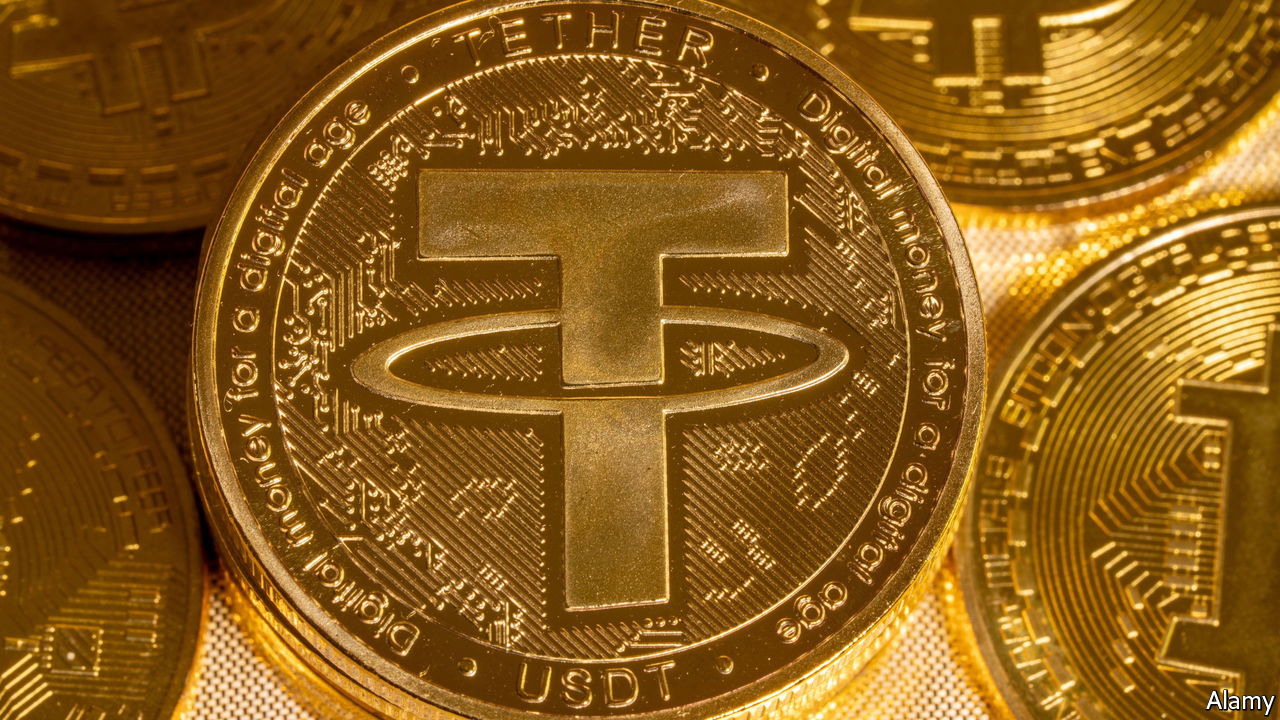
When it comes to stablecoins, two of the most popular options are USDC (USD Coin) and USDT (Tether).

Both are pegged to the U.S. dollar, meaning 1 USDC or 1 USDT is supposed to always be worth $1.

But there are some differences that businesses need to know about before choosing which one to use.

This article will look at the pros and cons of each and help businesses decide which might be better for them.

What Are USDC and USDT?

Stablecoins are designed to give the stability of traditional currencies while allowing businesses to still use them in the world of cryptocurrency.

An example of such stablecoins includes USDC and USDT.

USDC is one of the newer cryptocurrencies created in 2018 by Circle in collaboration with Coinbase. It works very transparently and is backed 1:1 with U.S. dollars in reserve.

By contrast, USDT, otherwise known as Tether, was created as far back as 2014 and hence is one of the oldest stablecoins.

It is also pegged at 1:1 to the U.S. dollar, but the percentage of its reserves in actual cash has come under a lot of question.

Key Differences Between USDC and USDT

Let’s break down the difference between USDC and USDT into simple terms.

Feature USDC (USD Coin) USDT (Tether)
Founded 2018 by Circle and Coinbase 2014 by Tether Limited
Transparency High – Audited by third-party firms Medium – Quarterly attestations
Reserves Mostly cash and U.S. Treasuries Mix of cash, loans, bonds, and other assets
Regulatory Compliance Strong focus on compliance Faced legal challenges and fines
Adoption Growing rapidly in business sectors Widely used on exchanges and DeFi
Blockchains Supported Over 10 including Ethereum, Algorand Multiple including Ethereum, Tron, Solana

Advantages of Using USDC

  • Transparency: USDC is relatively transparent when it comes to its reserves. They are audited on a regular basis, for instance, by the companies Grant Thornton LLP. Therefore, you actually know what your USDC tokens are backed with.
  • Regulatory Compliance: USDC obeys the law. This can be a huge plus for businesses that need to be very sure of their compliance with financial regulations.
  • Lower depegging risk: USDC usually has a lower depegging risk against the dollar due to its more conservative strategy of keeping its reserves in cash and short-duration U.S. Treasuries.

Cons of Using USDC

  • Lower liquidity: While USDC is one of the fastest-growing cryptocurrencies, it is not as widely adopted as USDT and, hence, not as liquid. That might mean higher trading costs or longer trading times if moving big figures.
  • Dependence on U.S. Regulations: Since this is based on compliance, it’s more dependent on changes in U.S. regulations. If rules tighten, it could affect USDC more so than USDT.
  • Limited Exchange Support: USDC may not be supported on all exchanges, particularly new or smaller exchanges.

Pros of Using USDT

  • High Liquidity: USDT happens to be one of the most traded stablecoins; therefore, its liquidity is high. One can easily convert it into other cryptocurrencies or even into fiat currency.
  • Wide Adoption: Most, if not all, major crypto exchanges support USDT. Due to that fact, USDT should be very convenient for those businesses seeking fast trades.
  • Diversified, flexible reserve management: Tether keeps a diversified portfolio of its reserves in cash, bonds, and other investments. This theoretically means additional stability in changing economic conditions.

Cons of Using USDT

  • Lack of Transparency: Tether has faced scrutiny, and even fines, for not being totally transparent about its reserves. That could be a risk if trust is essential in your business.
  • Legal risks include regulatory ones: For instance, there is the $18.5 million fine against USDT by New York’s Attorney General Office in 2021. It is a risk to which businesses need to pay attention.
  • Risk of depegging: There have also been times when USDT has lost peg against the dollar, and the holder can be faced with short-run losses. This may be a problem if you are holding in great quantity.

How to Choose Between USDC and USDT

When deciding between USDC and USDT, think about what matters most to your business:

  1. Regulatory Compliance: If you need to follow strict regulations, USDC might be better.
  2. Liquidity Needs: For quick and easy trading, USDT is more widely accepted.
  3. Transparency and Trust: If you want clear proof of reserves, USDC wins.

Tips for Businesses

  1. Diversify: You don’t have to choose just one. Consider holding both USDC and USDT to balance liquidity and compliance needs.
  2. Stay Updated: Regulations and market conditions can change fast. Keep an eye on updates from both Circle and Tether.
  3. Test Small: Start with small amounts to see which stablecoin works best for your specific use cases.

Future Trends to Watch

Stablecoins like USDC and USDT could play even bigger roles as businesses move more into digital assets. Watch for:

  1. New Regulations: Governments are looking more closely at stablecoins. Future regulations could change how USDC and USDT operate.
  2. Integration with DeFi: Both USDC and USDT are used in Decentralized Finance (DeFi). New partnerships or blockchain support could shift the balance of power.

Conclusion

In my opinion, it depends on your business needs. If you value transparency and regulation, go with USDC.

But if you need high liquidity and ease of access, USDT might be better. Consider what aligns with your goals and risk tolerance.

Remember: Both USDC and USDT have their strengths and weaknesses. Use this information to make the best choice for your business.


Expert Top Picks For This September! Dogs ( DOGS), Ponke (PONKE), Super Trump (STRUMP) & Yeti Ouro (YETIO)

0

Key Insights

  1.  The altcoins market is shifting from one hand to the other as investors look for other exciting coins.
  2. Dogscoin remains fairly volatile but very lucrative. Its market capitalization is $526,758,369, and its current trading price is $0.001093.
  3.  The current competition level has put Yeti Ouro (YETIO) in this position with others, such as Dogs, Ponke, and Super Trumo.
  4. These tokens provide higher usability and more promotion, so they attract investors seeking position diversification.

This altcoin market is beginning to transition as investors focus more on newer and better projects. In new tokens launched recently, Yeti Ouro (YETIO) is emerging as a popular token name, along with Dogs, Ponke, and Super Trumo. In this article, we’ll discuss why experts and traders expect these particular altcoins to be so popular in the near future and why people prefer investing in them.

1.   DOGS

As of September 12, 2024, the DOGS coin is $0.001021 and has a market capitalization of $527,364,498. Its market volume is $234,045,685, which means that the coin is actively traded in the market. The DOGS coin has a total circulation of 516,750,000,000 tokens; the total and maximum number of tokens it can have is 550,000,000,000. The coin achieved a high of $0.001644 on 28/08/2024 and a high of $0.0009377 on September 08, 2024.

DOGS is a community-oriented project based on the TON Blockchain platform. It will offer millions of users tokenized stickers with a focus on decentralized ownership and reasonable rewards. Thus, the coin has significant demand, and more than 103 thousand watchlists follow its changes. The dogs token price in USD has become a key metric for investors and enthusiasts alike, reflecting the project’s growing popularity. As the ecosystem expands and more users adopt the DOGS tokens for various purposes within the platform.

2.  Ponke (PONKE)

Ponke is a meme coin built on the Solana blockchain—very fast and inexpensive compared to other blockchains. It is aimed at online traders as well as players, so the coin provides a smooth and entertaining performance. In Ponke’s case, a User Engagement approach has been primarily involved with the ‘helmet’ tool and social account presence to make its community more powerful and involving.

Ponke (PONKE) is currently being priced at $0.2512 with a market capitalization of $139,530,646. The coin has a 24-hour trading volume of 9,249,958$, proving high market interaction. Ponke has a total of 555544226 tokens in circulation and 555555555 tokens in total, the maximum number of tokens to be circulated in the market. This coin would hit its peak of $0.7098 on 19/07/2024 and the lowest stock price on its record at $0.02173 on February 10, 2024. Ponke is available for trading on numerous market platforms such as HTX, Gate. IO, Bitrue, Bybit, BingX Futures, and Bitmart make it appealing to a more significant number of users.

Ponke has the added advantage of having a very powerful community, new features, and interaction with some of the major global exchanges. Like any meme coin, it comes with the same risks; however, investing in it can be very rewarding for anyone willing to take a chance and deal with unnecessary fluctuation.

3.  Super Trump (STRUMP)

Super Trump is another meme-based cryptocurrency that operates on the blockchain and is associated with the political figure Donald Trump. The token acts as an emblem of Trump’s political platform, where supporters can invest in the decentralized economy and share their political views. This makes it stand out from the many other tokens because STRUMP has an inline feature of directly donating part of the transaction fees towards Trump campaign team wallets. The coin has had a somewhat unpredictable price movement, with the highest recorded value of $0.0294 as of June 03, 2024, and the lowest price of $ 0.00209 on April 16, 2024. Currently, the circulating supply of Dash is at 2.34 billion tokens, which is capped at a total of 2.60 billion tokens.

Super Trump has experienced a series of price hikes depending on the speculative demands and political factors for more than 4400% from the lows recorded in March. The token has received much attention and acknowledgment, especially from those interested in political meme tokens. However, it should be noted that its price is often characterized by variations, and most industry specialists believe it may continue to rise: it is expected to cost $0.0116 by the year-end and a maximum of $0.0730 by 2032. Still, investors should know the risks of investing in meme coins, such as high price fluctuations and speculation.

Yeti Ouro (YETIO): best choice for investment

YETIO is still in its presale phase, and it has attracted attention and interest from investors. When fully launched, the coin is set to experience unprecedented growth.

Yeti Ouro is quite different in that it implements cryptocurrency with gaming features through the Play-to-Earn (P2E) mechanics. The Yeti Go racing game is designed to enable gamers to make real money in the form of cryptocurrency, thus appealing to gamers and investors. The project’s tokenomics are solid, with proper deflationary theory, where 5% of the tokens will be burned to ensure the token is always in high demand.

YETIO has a high potential to show good results for the several upcoming months. It has a vast potential to overtake other coins, such as DOGE or PEPE, and it has a clear-cut plan that opts for the security of the project. Analysts assumed Yeti Ouro could be the next gem that shines in a class of its own with an opportunity for 100x gains for investors.

Conclusion

Be aware! The altcoins market is changing. Indeed, with the play-to-earn model and adrenalinized gameplay, YETIO is designed to make a big splash on the market. Its potential for high returns makes it an attractive option for those looking to capitalize on the next big thing in the crypto world.


Join the Yeti Ouro Community:

3 Altcoins Under $5 Set for 100x Gains in the Next Bull Run

0

Some low-cost altcoins are poised for massive growth. Investors are always on the lookout for hidden gems, and three specific cryptocurrencies under $5 could be the next big winners. This article reveals which coins are primed for significant gains in the upcoming market surge.

CYBRO Defies Market Headwinds, Empowering DeFi Investments with Smart AI Solutions

CYBRO is revolutionizing the DeFi landscape by harnessing the power of artificial intelligence to maximize earning potential on the Blast blockchain. Though still in its early stages, this groundbreaking project has already captured the imagination of crypto enthusiasts, driving its presale past the $2 million mark.

CYBRO offers unparalleled yield farming solutions that cater to a wide range of strategies, thriving in any market condition. At the heart of the platform is the CYBRO token, a high-utility asset poised to become indispensable in the crypto world. With its current undervaluation, experts predict a staggering 1200% growth potential, making CYBRO tokens a must-have for savvy investors.

CYBRO token holders enjoy a range of exclusive benefits designed to enhance their investment potential. With competitive staking rewards averaging 10%, investors can maximize their returns regardless of market conditions. Additionally, CYBRO owners gain access to airdrops, allowing them to participate in free token distributions. Furthermore, holders benefit from reduced trading and lending fees, as well as a comprehensive insurance program, ensuring a secure and rewarding experience on the platform.

With only 21% of the total tokens available for this presale and approximately 80 million already sold, the supply of CYBRO tokens is rapidly diminishing. This is your golden opportunity to secure a stake in a project that’s truly one in a million.

>>Join CYBRO and aim for future returns up to 1200%<<

Polkadot Eyes Interconnected Blockchain Future in 2024

Polkadot is a decentralized protocol launched in 2020 to enable secure communication between different blockchains. It allows data and value to move across networks like Ethereum and Bitcoin without middlemen. Polkadot’s use of parachains boosts transaction speed and scalability, setting it apart from older networks. The DOT token is central to its network, letting users vote on upgrades and validate transactions. Created by Gavin Wood, a co-founder of Ethereum, and supported by the Web3 Foundation, Polkadot has shown promise in making blockchains work together more efficiently. As we enter 2024, interest in Polkadot as a link between networks continues to grow, suggesting a potentially interconnected future for blockchain technology.

NEAR Protocol: Unlocking Opportunities with Decentralized Apps

NEAR Protocol is catching attention in 2024 with its focus on decentralized app development. It promotes efficiency and scalability through sharding, a process that manages data across nodes. Founded by Alex Skidanov and Illia Polosukhin, it has strong financial backing. NEAR uses Nightshade sharding for smooth scaling, Rainbow Bridge for Ethereum token transfers, and Aurora for enhanced performance and reduced costs. As blockchain trends upward, NEAR’s framework could drive more projects to adopt its model. With its technology to bridge Ethereum and tap into Layer 2 solutions, NEAR looks set to play a part in the growth of decentralized solutions.

Kaspa Coin: Exploring the Potential of BlockDAG Technology

Kaspa is a cryptocurrency that uses proof-of-work and the GHOSTDAG protocol. Unlike typical blockchains, Kaspa’s blockDAG allows multiple blocks to coexist and order them in consensus, avoiding orphaning. This provides a secure network with very fast block times. Currently, it processes one block per second, with plans to increase this rate significantly. Kaspa’s features aim to improve scalability and confirmation times, including Reachability and block data pruning. It also focuses on SPV proofs and plans to support subnetworks, paving the way for future layer 2 solutions. Kaspa could play a key role as the crypto market looks forward to the next altcoin season.

Conclusion

While DOT, NEAR, and KAS show promise, their short-term potential appears limited. In contrast, CYBRO, a cutting-edge DeFi platform, offers exceptional prospects for maximizing earnings. Leveraging AI-powered yield aggregation on the Blast blockchain, CYBRO provides lucrative staking rewards, exclusive airdrops, and cashback on purchases. With a focus on seamless deposits and withdrawals, the platform ensures a superior user experience. Emphasizing transparency and compliance, CYBRO has garnered significant interest from influential figures and major investors, positioning it as a standout project in the current market.


Site: https://cybro.io

Twitter: https://twitter.com/Cybro_io

Discord: https://discord.gg/xFMGDQPhrB

Telegram: https://t.me/cybro_io

Tekedia Capital Congratulates Binta for Its New Award

0
Tekedia Capital portfolio company, Binta Financial , wins a major award in Canada. Binta’s services are intended to help immigrants and new arrivals. Binta: keep winning. At Tekedia Capital, we’re breeding future unicorns https://capital.tekedia.com/
 
Meanwhile, we have announced the timeline for Tekedia Oct 2024 Investment Cycle:
– Venture Investing and Portfolio Management program – begins Sept 23, 2024
– Publication of startups for Tekedia Capital Investment Cycle – Oct 7, 2024
– Startup Demo Day: Saturday, Oct 19, 2024

Nigerian Banks Suffer N42.6 Billion Loss to Fraud in Q2 2024, Amid Surge in Financial Crimes

0

The Nigerian banking sector witnessed a staggering rise in fraudulent activities in the second quarter (Q2) of 2024, amounting to a total loss of N42.6 billion between April and June.

This was disclosed by the Financial Institutions Training Centre (FITC) in its recently released Q2 2024 Fraud and Forgeries report. The loss recorded in Q2 2024 alone eclipsed the total amount lost to fraud throughout 2023, where Nigerian banks collectively lost N9.4 billion.

A breakdown of the figures revealed a significant escalation in fraud-related losses quarter-on-quarter, with a staggering 8,993% increase compared to the N468.4 million lost in Q1 2024. Compared to the N5.7 billion loss in Q2 2023, this year’s Q2 figures represent a 637% increase.

Major Fraud Types And Channels

According to FITC, miscellaneous and other types of fraud accounted for the largest share of the losses, making up 96.46% of the total amount lost in Q2. This category alone accounted for N41.14 billion. Other significant losses were attributed to fraudulent withdrawals, which cost banks N781.2 million, and computer/web fraud, amounted to N400.7 million in losses.

The total amount involved in fraud cases during Q2 2024 saw a dramatic 1,784% increase, surging from N2.9 billion in Q1 to an astonishing N56.3 billion by Q2. Fraudulent activities were perpetrated through various channels, including ATMs, online platforms such as web and mobile banking, bank branches, and point-of-sale (POS) terminals.

Interestingly, despite the overall rise in fraud, card-related fraud experienced a decline of 47.66%, with cases dropping from 21,469 in Q1 to 11,237 in Q2. In contrast, fraudulent activity involving cheques and cash increased by 36.67% and 9.09%, respectively, with cheques surging from 30 cases in Q1 to 41 cases in Q2, while the use of cash rose from 209 in the first quarter of 2024 to 228 in the second quarter of 2024.

Cash-related fraud also saw a modest rise of 9.09%, increasing to 228 cases in the second quarter of 2024. A more detailed analysis revealed that fraud losses through bank branches saw an astronomical increase of 31,497%, surging from N133.9 million in Q1 to N42.2 billion in Q2. Computer and web-based fraud also experienced a massive jump, with losses growing 1,560%, from N24 million in Q1 to N400.8 million in Q2.

Despite the overall trend of increasing fraud, mobile fraud recorded a decline. The amount lost via mobile channels decreased by 59%, falling from N216.4 million in Q1 to N88.7 million in Q2 2024. However, the FITC report did not provide specific data regarding losses due to ATM-related fraud. The surge in fraud across Nigerian banking platforms poses significant challenges for financial institutions, regulators, and consumers alike.

As fraud becomes more sophisticated and widespread, the FITC proposed that deposit money institutions can utilize AI-driven tools that flag unusual entries or patterns to implement continuous and automated monitoring systems that can detect anomalies or discrepancies in settlement files. Additionally, regular unannounced internal audits focusing specifically on settlement processes can be conducted to identify and address any irregularities promptly.