DD
MM
YYYY

PAGES

DD
MM
YYYY

spot_img

PAGES

Home Blog Page 2959

The OpenAI Unification and Nvidia Crowning Position

1

The best investors are customers. When a company becomes a category-king, those customers could also become super-investors. Simply, companies which define new paths, typically orthogonal to whatever others are doing, creating a new basis of competition, have friends. ChatGPT’s OpenAI is having a moment, validating those ancient words – “victory has relations while vanquish is an orphan”.

Indeed, when Microsoft has shipped to you  truckloads of money, and Apple and Nvidia are knocking, you are indeed victorious: “The world’s biggest tech companies, including Apple and Nvidia, have been in discussions about investing in OpenAI…The maker of ChatGPT is looking to raise “several billion dollars” in a new funding round that values it at more than $100 billion”.

Google, Amazon, Facebook’s Meta and OpenAI [the AI Utilities] are fighting for the soul of generative AI. In other words, America owns the productive element of this new sector. Others in the world, outside China, will focus on consumerism. Europe, among other things,  will be the referee as the regulator!  When all is done, the AI Utilities will become like your electricity and water boards, supplying you everything AI, at home and office.

Good People, remember that in the last 40 years, IBM, despite its technology heritage, has never crossed the $200b market cap. But Nvidia is valued at about $3 trillion. This will give you a good idea why this play of $billions could be necessary.

 If Nvidia invests in OpenAI which uses its AI accelerators and broad hardware, it will create a market for itself. But if it keeps that money and Google takes down OpenAI, and Google is not using Nvidia chips at scale, Nvidia will obey gravity on its market cap.So, these investments are not necessarily about making money via OpenAI market appreciation, but creating markets and distribution channels for their products. You get it – self-preservation.

Looking at this from an engineering angle, the real winner is Nvidia because OpenAI cannot advance faster than Nvidia can, since Nvidia chips power OpenAI, and if Microsoft and Apple are uniting to support OpenAI, Nvidia can have a longer lunch!

Nigerian Government Gives Traders A Month to Reduce Consumer Goods Prices

0

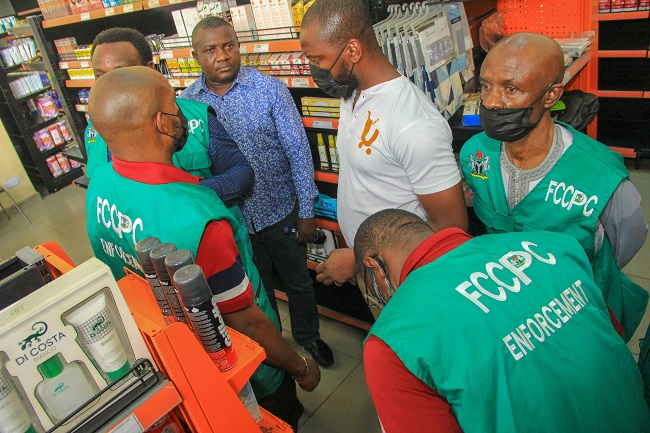
The Federal Competition and Consumer Protection Commission (FCCPC) has issued a one-month moratorium for traders and market stakeholders engaging in exploitative pricing, with a firm warning to reduce prices of goods before enforcement actions commence.

This announcement was made by the newly appointed Executive Vice Chairman of the FCCPC, Mr. Tunji Bello, during a stakeholder engagement focused on exploitative pricing held on Thursday in Abuja.

Addressing the growing trend of unreasonable pricing of consumer goods and services, Bello said that the Commission is determined to curb unethical practices that threaten the stability of Nigeria’s economy. He cited a glaring example of price exploitation, pointing out that a fruit blender branded as “Ninja,” priced at $89 (approximately N140,000) in a popular Texas supermarket, was being sold for a staggering N944,999 in a supermarket located on Victoria Island, Lagos.

Bello questioned the rationale behind such a significant price hike, stressing that these practices are not only unjustifiable but also detrimental to the nation’s economic health.

In his address, the Vice Chairman highlighted the legal implications for those found guilty of exploitative pricing. Under Section 155 of the law, violators—whether individuals or corporate entities—face severe penalties, including hefty fines and potential imprisonment if convicted.

“This is intended to deter all parties involved in such illicit activities,” he stated, but he also noted that the current approach is not punitive.

Instead, the FCCPC is appealing to traders and market stakeholders to embrace a spirit of patriotism and cooperation, offering them a one-month grace period before the Commission initiates strict enforcement measures.

The FCCPC’s stance is a response to the persistent complaints from consumers about the exorbitant prices of goods and services across Nigeria. Bello explained that the Commission’s investigation into these practices revealed a worrying trend of price fixing and collusion among market associations, leading to unjustified price surges. This, he said, undermines consumer trust and contributes to economic instability.

During the engagement, the Chairman of the National Association of Nigerian Traders (FCT Chapter), Ifeanyi Okonkwo, pointed out that one of the significant factors contributing to the high prices of goods is the excessive charges on imported goods at Nigerian ports. He called on the FCCPC to establish a task force, including representatives from the traders’ association, to effectively monitor and enforce fair pricing across the market.

Okonkwo’s concerns were echoed by other market stakeholders who cited a range of issues contributing to the continuous rise in prices. These included the high cost of transportation, insecurity, multiple taxation, and the overall economic climate, which has been challenging for both businesses and consumers.

In response to these concerns, Bello acknowledged that the government is aware of the difficulties facing market stakeholders and is committed to addressing them.

“We have heard and you have genuine issues, and the government has the responsibility to address these problems,” Bello assured.

However, he also urged traders to reflect on their practices, noting that there are instances where traders have collaborated to exploit consumers.

“There are also gang-ups to exploit consumers by traders,” he remarked, emphasizing the need for self-regulation within the industry.

Fighting Inflation Through Price Control?

While the FCCPC’s engagement with stakeholders is part of its efforts to checkmate market practices and ensure that consumers are not unduly exploited, this move is seen as another attempt at price control. Previous attempts to regulate prices have met with limited success, often triggering backlash and running into resistance from market players who argue that such measures are at odds with the principles of a free market.

The high cost of goods and services in Nigeria has been attributed to high inflation, exacerbated by economic reforms of President Bola Tinubu’s administration – mainly, the removal of fuel subsidy and the floating of the foreign exchange market.

The government has deployed various interventions to tackle inflation, which has remained stubbornly high at 33.40% as of July. The government recently announced the removal of import tariffs and duty fees on select food products, in an effort to make essential goods more affordable for consumers. However, this policy shift has yet to translate into a noticeable reduction in the inflation rate.

The removal of import tariffs was intended to lower the prices of key food items, but its impact has been limited by other factors such as transportation costs, insecurity, and the depreciation of the naira. Against the backdrop of the unmaterialized anticipated relief for consumers, many believe the government is now exploring additional measures like the FCCPC’s price control initiative.

However, market stakeholders who attended the Abuja engagement session expressed mixed reactions to the FCCPC’s directive. Some acknowledged the need to protect consumers from exploitative pricing, but others pointed to the underlying economic challenges that drive up costs, including high transportation expenses, multiple taxation, and insecurity.

Tekedia Capital Portfolio, Egoras, Unveils Showroom [video]

0

Egoras, a Tekedia Capital portfolio company, unveils a new showroom in PHC, Nigeria.
They began by repairing household items, sourcing young technical minds from Aba and PHC. Today, they have a brand, and are building a great business. This is a tour of one of Egoras’ consumer electronics showrooms where you can buy freezers, generators, etc. Egoras, a Tekedia Capital portfolio company, is serving Nigeria with innovation.

When we gave Ugoji Harry funds to begin this mission, we saw a BOLD entrepreneur with the capacity to build a critical pillar for the new Africa. I am proud that Tekedia Capital supported this vision.

Egoras – unlock more doors and win more territories.

At Tekedia Capital, we are funding BOLD entrepreneurs, from real estate to manufacturing, agriculture to financial services, and more. We are supporting Egoras on its big manufacturing plant in Ukwa East in Abia State where hundreds would be employed.

Tekedia Capital >> a force for a new Africa, funding uncommon visionaries across a great continent and beyond.

Implications of US SEC Issuing Wells Notice to OpenSea and NFT Industry

0

The recent news that OpenSea, a leading non-fungible token (NFT) marketplace, has received a Wells Notice from the U.S. Securities and Exchange Commission (SEC) has sent ripples through the crypto community. The SEC’s claim that NFTs traded on OpenSea are securities has sparked a debate on the nature of NFTs and the appropriate regulatory framework for digital assets.

A Wells Notice is a formal notification that the SEC may bring enforcement action against a company or individual. In this case, the SEC is suggesting that NFTs, which are unique digital tokens representing ownership of a specific item or asset, should be classified as securities. This classification would subject them to a different set of regulatory requirements, potentially reshaping the NFT landscape significantly.

OpenSea has responded with surprise and readiness to contest the SEC’s claims, emphasizing the impact such a move could have on creators and artists in the space. The company has also pledged $5 million to support legal defenses for NFT creators and developers who might face similar regulatory challenges.

The debate over whether Non-Fungible Tokens (NFTs) should be classified as securities is intensifying, especially with the recent Wells Notice issued to OpenSea by the U.S. Securities and Exchange Commission (SEC).

Here are some of the arguments that support the classification of NFTs as securities:

One of the primary criteria under the Howey Test, which is used to determine whether a transaction qualifies as an “investment contract” and thus a security, is the investment of money. Some argue that purchasing NFTs involves an investment of money with the expectation of future profits, aligning them with this criterion.

Buyers often purchase NFTs with the expectation that their value will increase over time, allowing them to sell at a profit. This expectation of profits, derived from the efforts of others, such as the original creator or a community’s promotion, can be seen as another hallmark of a security.

The value of NFTs can sometimes be heavily influenced by the efforts of the creators or promoters who work to enhance the value of the NFTs. This reliance on the efforts of others for profits could potentially meet the Howey Test’s criteria for a security.

Some NFTs are being used in ways that resemble traditional financial products. For example, some platforms allow NFTs to be used as collateral for loans or fractionalized into smaller parts that can be bought and sold, which brings them closer to the definition of securities.

The response from the crypto community has been largely critical of the SEC’s action. Many argue that applying traditional securities law to NFTs is a misstep that could stifle innovation and harm the burgeoning digital economy. Critics point out that NFTs, especially those representing digital art, are more akin to collectibles or fine art, which have never been regulated as securities.

Adding a political dimension to the controversy, Democratic Congressman Wiley Nickel has voiced his criticism of the SEC’s move. He has called the regulatory approach “heavy-handed” and suggested that it represents an “aggressive use of ‘regulation by enforcement'”. This criticism reflects a broader concern about the SEC’s current strategy and its implications for the future of digital asset innovation.

The debate over whether NFTs are securities is not just a legal issue but also a philosophical one. It touches on the very nature of what constitutes a security in the digital age and how new forms of asset ownership should be governed. The outcome of this situation could set a precedent for how digital assets are treated by regulators worldwide.

Meanwhile, NFT has integrated technologies which also support classic canvas wall art photos prints in the physical space for those who want translation in the real world.

As the situation unfolds, the crypto community, legal experts, and regulators will be watching closely. The resolution of this dispute will likely have far-reaching implications for the NFT market and the broader crypto ecosystem. For now, the industry remains in a state of uncertainty, awaiting clarity on the legal status of NFTs and the rules that will govern their trade.

Starting Small: Crafting Scalable MVPs for African Markets

0

In the dynamic world of entrepreneurship, particularly in African markets, the principle of “starting small” cannot be overstated. For any entrepreneur venturing into new territories or innovative domains, embracing a phased, iterative approach is important. This article delves into why starting small is essential for creating scalable Minimum Viable Products (MVPs) and how it can be effectively applied to the diverse and evolving markets across Africa.

The Importance of Starting Small

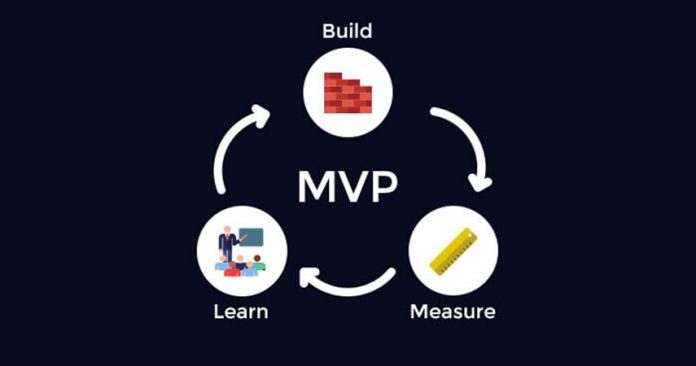
Starting small revolves around launching a product or service in its most basic form, then gradually scaling based on real-world feedback. This approach allows entrepreneurs to manage risk, conserve resources, and refine their offerings before a full-scale launch. By focusing on a small segment of the market initially, businesses can fine-tune their MVPs, ensuring that they are better suited to meet the needs of a larger audience in the future.

Benefits of a Phased Approach

1. Risk Management: Launching a product with limited features and a small user base helps mitigate the risk of large-scale failures. If the MVP doesn’t perform as expected, the losses are contained, allowing for adjustments before committing further resources.

2. Cost Efficiency: Developing a full-featured product requires significant investment. By starting small, entrepreneurs can allocate funds more strategically, focusing on essential features that solve core problems. This lean approach minimizes unnecessary expenditures and maximizes learning opportunities.

3. Real-Time Feedback: An MVP allows for early interaction with users, providing valuable insights into their needs and preferences. This feedback is crucial for iterative development, helping entrepreneurs make informed decisions about future enhancements.

4. Focused Learning: When starting small, businesses can concentrate their efforts on a specific market segment. This focused approach enables a deeper understanding of customer behaviors and preferences, which can inform broader market strategies.

5. Agility and Flexibility: A small-scale launch provides the flexibility to pivot or refine the product based on user feedback. This adaptability is essential in rapidly changing markets, allowing businesses to respond to emerging trends and customer needs more effectively.

Practical Steps for Creating Scalable MVPs in African Markets

1. Identify a Niche: Begin by selecting a specific niche within the broader African market. Understanding local nuances, consumer behaviors, and market needs will help in designing an MVP that resonates with early adopters. For example, targeting a specific demographic or geographic area can provide a clearer focus and reduce complexity.

2. Develop a Core Value Proposition: Your MVP should address a well-defined problem or need within the chosen niche. This involves identifying key pain points and developing a solution that delivers substantial value with minimal features. The goal is to offer just enough functionality to demonstrate the product’s potential without overcomplicating the initial release.

3. Engage with Early Adopters: Once the MVP is ready, engage with a small group of early adopters who are willing to provide feedback. This group should represent your target market and be prepared to test the product in real-world conditions. Their insights will be instrumental in refining the MVP and validating its market fit.

4. Iterate Based on Feedback: Use the feedback gathered from early adopters to make iterative improvements to your MVP. This process involves analyzing user experiences, identifying pain points, and making necessary adjustments to enhance the product’s value and usability.

5. Gradual Scaling: After refining the MVP based on initial feedback, gradually expand your user base. This scaling should be done methodically, monitoring performance and user satisfaction at each stage. This approach allows for continuous learning and adaptation, ensuring that the product evolves in alignment with market needs.

Overcoming Common Challenges

Entrepreneurs in African markets may face unique challenges when implementing a small-scale MVP strategy.

Understanding and addressing these challenges can improve the possibility of success:1. Diverse Markets: Africa is characterized by its diverse cultures, languages, and economic conditions. Tailoring the MVP to address local variations and preferences is crucial for gaining traction in different regions.

2. Infrastructure Limitations: In some areas, infrastructure challenges such as limited internet connectivity or unreliable power supply can impact the deployment and usability of digital products. Designing MVPs that are resilient to these limitations can enhance user experience and adoption.

3. Regulatory Environment: Navigating the regulatory landscape can be complex, with varying regulations across countries. Ensuring compliance with local laws and regulations from the outset can prevent legal issues and facilitate smoother market entry. Watch this closely in Africa.

4. Funding Constraints: Access to funding can be limited, particularly for early-stage start-ups. Starting small helps manage financial constraints by focusing on essential features and minimizing initial investment.

5. Cultural Sensitivity: Understanding and respecting local cultural norms and values is essential for product acceptance. Incorporating cultural insights into the MVP can improve its relevance and appeal to the target audience.

From MVP to Scalable Success

Starting small is not just a strategy but a mindset that fosters continuous learning and adaptation. By using this approach, entrepreneurs can build a solid foundation for scaling their operations and achieving long-term success. The journey from a basic MVP to a fully developed product involves iterative refinement, user engagement, and strategic scaling.

As African markets continue to evolve, the ability to start small, learn from real-world feedback, and adapt accordingly will be crucial for entrepreneurs looking to make a significant impact. By prioritizing a phased approach, businesses can navigate the complexities of the market, build strong customer relationships, and position themselves for sustainable growth.

Facts:

a. Risk Management: Starting small helps manage risks by limiting initial investments and focusing on essential features.

b. Cost Efficiency: A phased approach allows for strategic allocation of resources and reduces unnecessary expenditures.

c. Real-Time Feedback: Early interaction with users provides valuable insights for iterative development.

d. Diverse Markets: Africa’s varied cultures and economic conditions require tailored MVPs to address local needs effectively.

e. Infrastructure Limitations: Designing MVPs that account for local infrastructure challenges can enhance usability and adoption.