DD
MM
YYYY

PAGES

DD
MM
YYYY

spot_img

PAGES

Home Blog Page 2967

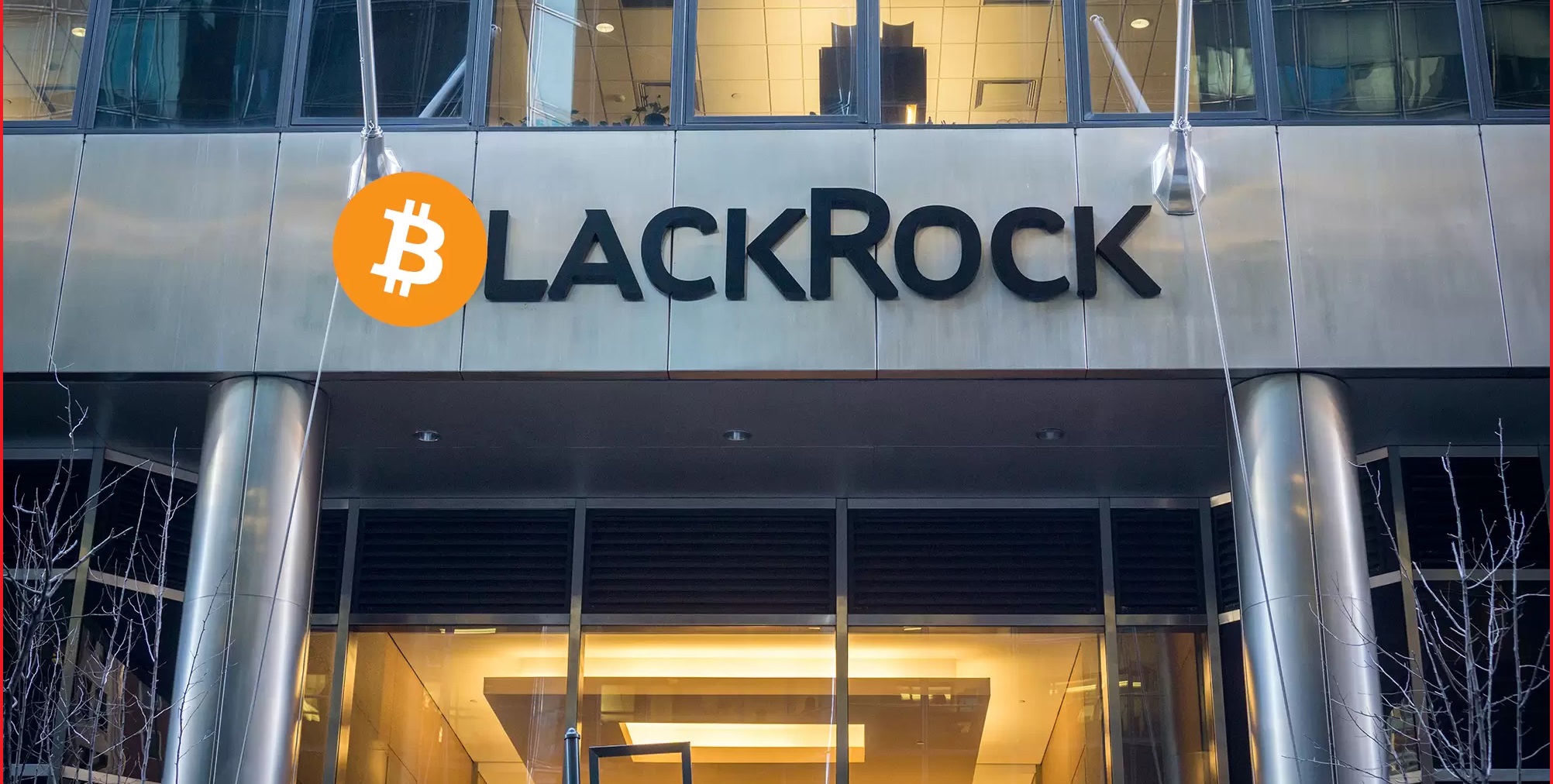
BlackRock’s Ethereum ETF on the Brazilian Stock Exchange

0

The world of finance is witnessing a significant milestone with BlackRock’s introduction of an Ethereum ETF on the Brazilian Stock Exchange. This move marks a pivotal moment in the integration of cryptocurrency into traditional financial markets, reflecting a growing acceptance and recognition of digital assets.

BlackRock, a global investment management corporation, has been at the forefront of incorporating cryptocurrencies into its offerings. The launch of the Ethereum ETF, trading under the ticker code ETHA39, represents a Brazilian depositary receipt, allowing investors to gain exposure to Ethereum without directly owning the digital asset.

The decision to list the Ethereum ETF in Brazil follows the successful launch of BlackRock’s iShares Bitcoin Trust ETF (IBIT) on the same exchange earlier this year. The Ethereum ETF’s debut is not just a testament to BlackRock’s confidence in the potential of Ethereum but also highlights Brazil’s progressive stance on cryptocurrency investments.

Brazil’s B3 exchange has become a hub for institutional products, with the Brazilian Securities and Exchange Commission (CVM) recently approving two Solana-based ETFs for listing. BlackRock’s Ethereum ETF has already achieved a significant milestone in the United States, surpassing $1 billion in net inflows, indicating a strong investor interest in the product.

Investing in an Ethereum ETF offers several advantages for those looking to participate in the cryptocurrency market. Ethereum ETFs provide investors with an opportunity to diversify their portfolio. By including an asset class that is relatively uncorrelated with traditional investments, investors can potentially reduce overall portfolio risk.

For many, investing in cryptocurrencies directly can be daunting due to the technical knowledge required. Ethereum ETFs simplify the process, allowing investment through a traditional brokerage account without the need to manage a digital wallet or navigate a cryptocurrency exchange.

ETFs are regulated investment products, which means they come with a level of security and oversight that may not be present when purchasing cryptocurrencies directly. This regulatory framework can provide peace of mind for investors concerned about the risks associated with digital asset custody.

Ethereum ETFs trade on stock exchanges, providing the same ease of buying and selling as stocks. This liquidity makes it easier for investors to enter and exit positions compared to the sometimes-illiquid cryptocurrency markets. ETFs can be more tax-efficient than other investment vehicles, offering benefits such as lower capital gains taxes compared to actively managed funds. This efficiency can be particularly advantageous in the volatile crypto market.

An Ethereum ETF offers a straightforward way to gain exposure to the price movements of Ethereum without the complexities of buying, storing, and securing the cryptocurrency itself. These funds provide better liquidity compared to direct cryptocurrency holdings and are subject to regulatory oversight, offering a safer and more reliable investment option.

The introduction of the Ethereum ETF in Brazil is expected to provide investors with a simplified and regulated way to access one of the largest cryptocurrencies by market capitalization. It also opens up opportunities for a wider range of blockchain applications, potentially supporting a diverse ecosystem of decentralized applications.

As the cryptocurrency market continues to evolve, the listing of BlackRock’s Ethereum ETF on the Brazilian Stock Exchange is a clear indicator of the growing convergence between digital assets and traditional finance. It underscores the potential of cryptocurrencies to become a mainstream investment option, further bridging the gap between the new age of digital finance and established financial institutions.

For investors in Brazil and around the globe, this development could signal the beginning of a new era in investment opportunities, providing a regulated and accessible path to participate in the growth of the cryptocurrency market.


Wyoming’s Trailblazing Stablecoin Initiative

0

In a bold move that underscores its commitment to innovation and financial diversification, the state of Wyoming is gearing up to launch its very own stablecoin. The “Wyoming Stable Token” is set to make its debut in 2025, marking a significant milestone in the state’s proactive embrace of blockchain technology and digital assets.

The stablecoin, which will be pegged to the US dollar, aims to provide a secure and efficient medium of exchange that could revolutionize the way transactions are conducted within the state. By leveraging the stability of the dollar and the efficiency of blockchain technology, Wyoming is positioning itself at the forefront of a financial revolution.

Governor Mark Gordon has been a vocal advocate for this initiative, emphasizing the potential benefits of a state-backed digital currency. The stablecoin is expected to facilitate faster and cheaper transactions for businesses and individuals alike, fostering an environment conducive to economic growth and innovation.

The Wyoming Stable Token Commission, tasked with overseeing the development and implementation of the stablecoin, is currently in the process of selecting potential partners, including exchanges and wallet providers, to ensure a smooth rollout. The commission’s commitment to transparency is evident, with plans to make audits publicly available to maintain trust in the stablecoin’s dollar parity.

This pioneering effort is not without its challenges, however. The introduction of a state-backed digital currency raises questions about its interaction with federal monetary policies and the broader implications for the national financial ecosystem. Despite these considerations, Wyoming’s leadership remains undeterred, driven by a vision to harness blockchain technology for the betterment of its financial infrastructure.

To ensure the stability of its forthcoming stablecoin, Wyoming is implementing several measures. One of the key strategies is the establishment of a “buffer” in its reserves. This buffer will act as a safeguard to absorb fluctuations and maintain the stablecoin’s value in alignment with the US dollar. Full transparency is also a priority for the state, with plans to conduct public audits to verify that the stablecoin maintains a consistent 1-to-1 ratio with the dollar. This approach is designed to prevent the issues that have affected other stablecoins, which have sometimes deviated from their pegged values.

Moreover, the Wyoming Stable Token Act has laid the groundwork for the creation of this digital asset, aiming to foster a legal and financial environment conducive to blockchain businesses. The Act also establishes a state commission tasked with overseeing the development and issuance of the stablecoin, ensuring that all steps taken are in accordance with the law and aimed at maintaining stability.

The state’s commitment to creating a stable and reliable digital currency reflects its dedication to innovation and financial advancement. As Wyoming prepares to launch its stablecoin, these stability measures will be closely watched by other states and countries considering similar initiatives. The success of Wyoming’s stablecoin could potentially lead to a broader acceptance and integration of digital currencies into the global financial system.

As the world watches with keen interest, Wyoming’s stablecoin project represents more than just a novel financial instrument; it is a testament to the state’s entrepreneurial spirit and its willingness to lead by example in the digital age. With the anticipated launch of the Wyoming Stable Token, the state is set to chart a course that could redefine the landscape of state-level financial innovation for years to come

Flutterwave Strengthens Presence in Africa, With New Payment Systems License in Uganda

0

Flutterwave, a leading African Fintech company, had made significant strides in its expansion across the continent by securing a Payment Systems Operator (PSO) license in Uganda.

The license, granted by the Bank of Uganda, allows Flutterwave to offer its innovative digital payment solutions within the country, further solidifying its position as a key player in Africa’s fintech ecosystem.

With the PSO license, Flutterwave will offer payout services for disbursing funds like salaries and commissions, invoicing solutions for easy tracking and payment collection, and mobile money integration to provide convenient and accessible payment options for Ugandans.

The license will also streamline fund transfers and payment collections across diverse customer segments and locations in Uganda, enabling businesses to benefit from efficient, reliable, and tailor-made payment solutions through either Flutterwave for Business or SendApp.

Commenting on the license approval, Flutterwave founder and CEO Olugbenga Agboola said,

“Securing this license in Uganda is a significant step towards realizing our vision of a financially connected Africa. At Flutterwave, we believe that the future of Africa lies in its ability to seamlessly connect its people, businesses, and economies through technology. We are excited to contribute to this journey, empowering Ugandan businesses and individuals to harness the full potential of digital payments and drive inclusive growth.”

Also speaking, Oluwabankole Falade, Chief Regulatory Officer at Flutterwave added,

“The acquisition of this license further solidifies our standing as a leading payment technology service provider in Africa. We are deeply committed to adhering to all regulatory requirements and maintaining a strong relationship with the Bank of Uganda to ensure our services remain safe, secure, and beneficial to the Ugandan people.”

Uganda, with its rapidly growing digital economy and increasing demand for online payment services, presents a promising market for flutterwave. The company’s entry into the East African country, is expected to boost e-commerce, support local businesses, and contribute to the overall growth of the country’s digital economy.

This expansion follows Flutterwave’s successful operations in other African markets, including Nigeria, Kenya, and South Africa. By obtaining the Payment Systems Operator license in Uganda, Flutterwave is not only expanding its geographic footprint but also strengthening its ability to facilitate secure, efficient, and reliable payment services across the continent.

The move is part of Flutterwave’s broader mission to build a unified payments platform for Africa, connecting the continent to the global economy. As the company continues to expand, it is poised to play a pivotal role in shaping the future of digital payments in Africa.

What boxing techniques exist?

0

Boxing is a sport rich in techniques, blending offense and defense to create a complex and strategic combat form. Understanding the various techniques is essential for any boxer to succeed in the ring. This can also help you to try 1xBet online betting and succeed on it.

In 1st place, let’s describe the different punches:

  • Jab: A quick, straight punch with the lead hand. It’s fundamental for maintaining distance, setting up combinations, and keeping opponents off balance.
  • Cross: A powerful, straight punch thrown with the rear hand. It follows the jab and is effective for delivering significant impact.
  • Hook: A semi-circular punch thrown with either hand. It targets the side of the opponent’s head or body, useful in close-range combat.
  • Uppercut: A vertical punch thrown upwards with either hand, targeting the opponent’s chin. It’s particularly effective in close quarters.
  • Overhand: A looping punch thrown with the rear hand. It’s used to surprise opponents, often over their guard.

It is a great idea to try online betting at 1xBet on other boxers that employ these techniques too.

How to properly defend

The 1st blocking technique is blocking. This is done by using the hands and arms to absorb and deflect incoming punches. Effective blocking can mitigate damage and create counter-punching opportunities. If you want to wager on boxers that succeed at defending, you can install 1xBet apk now and start using it.

In 2nd place, there is parrying. This is redirecting an opponent’s punch with a slight tap or push. This requires precise timing and can create openings for counterattacks.

In 3rd place we have slipping, which is moving the head to the side to avoid a punch. Slipping is a fundamental defensive move that helps avoid damage while staying in position to counter. Punters can install the 1xBet apk now, and use it to wager on which technique is likely to be used.

Finally, in 4th place, there is bob and weave. It is done by bending the knees and moving the upper body in a weaving motion to avoid punches. It’s particularly effective against hooks and can position a boxer for powerful counter-punches.

Other important aspects

Combination punching involves throwing a series of punches in quick succession. The 1xBet casino games for everyone can be used before the next great combination of punches is thrown.

Some combinations include the jab-cross (1-2), jab-cross-hook (1-2-3), and jab-jab-cross (1-1-2). Effective combinations can overwhelm an opponent’s defense and create openings.

Finally, clinching involves wrapping the arms around an opponent to prevent them from punching. There are games for everyone at the 1xBet casino, and you can try them as you wait for a new boxing event.


Disclaimer:

BCLB ?: 0000348

18+

T@C apply

Play responsibly

IMF Emphasizes Urgent Reforms for Nigeria to Achieve its 3.1% 2024 Economic Growth Target

0

At the Lagos Chamber of Commerce and Industry (LCCI) International Business Conference and Expo 2024, the International Monetary Fund (IMF) issued a stark reminder that Nigeria’s projected economic growth for 2024 hinges on the successful implementation of robust reforms.

Speaking on Tuesday, Christian Ebeke, IMF Resident Representative, outlined the critical need for Nigeria to enhance governance and business regulations to surpass the 2.9% growth rate of 2023 and achieve the anticipated 3.1% in 2024.

Ebeke’s remarks at the conference painted a picture of cautious optimism. While acknowledging the progress Nigeria has made in its credit market, financial, and external sectors, he emphasized that these gains alone would not suffice to propel the country toward its growth target.

“Insecurity, tight financial conditions, multiple taxes, insufficient power, and corruption are foremost constraints identified by businesses,” Ebeke highlighted, echoing the concerns of many within Nigeria’s business community. He noted that these challenges were significant barriers to achieving sustained economic growth.

However, Ebeke also expressed confidence in Nigeria’s ability to overcome these hurdles, provided that the government remains committed to reform.

“What comforts the IMF is that these issues can be addressed by the Nigerian government, and they are currently being addressed through reforms by the Federal Government. And we are encouraged by the fact that these issues can be reversed,” he said.

The IMF’s outlook for Nigeria is contingent on the country closing its structural gaps—an endeavor that Ebeke likened to India’s experience. He suggested that if Nigeria could reduce governance and business regulation bottlenecks by 25%, the country’s GDP output could see a significant boost of 6.4% over the next three years.

Government’s Commitment to Reform and Investment

The conference also served as a platform for the Nigerian government to showcase its efforts to create an enabling environment for economic growth. The Minister of Marine and Blue Economy, Adegboyega Oyetola, disclosed the vast investment opportunities available in Nigeria, particularly in the marine and blue economy sectors.

“Nigeria’s strategic location and abundant resources present vast investment opportunities, particularly in the marine and blue economy sector,” Oyetola said, assuring the audience of the government’s dedication to fostering economic growth and attracting significant investments despite existing challenges.

Oyetola highlighted several government initiatives designed to stimulate investment in the marine and blue economy sector. These include tax exemptions for businesses operating in free trade zones and infrastructural support aimed at enhancing the sector’s competitiveness. He also pointed to new export opportunities under the Guided Trade Initiative (GTI) of the African Continental Free Trade Area (AfCFTA) and the Cabotage Vessel Financing Fund (CVFF) as examples of the government’s proactive approach.

“Our commitment to the marine and blue economy is demonstrated through ongoing port rehabilitation and modernization projects. To boost investment, the Nigerian government has introduced various incentives, including tax reliefs, trade zone benefits, infrastructure development, and financial support. I encourage the business community and investors to take advantage of such incentives to contribute to Nigeria’s economic development and be part of Africa’s promising future,” Oyetola said.

Lagos State’s Role in Nigeria’s Economic Future

Governor Babajide Sanwo-Olu of Lagos State also spoke at the event, emphasizing Lagos’s position as Africa’s economic hub and its role in driving Nigeria’s growth. Sanwo-Olu highlighted the state’s conducive business environment, strategic location, and vast market potential, coupled with a pool of energetic talents.

“Our administration has implemented and continues to implement policies and initiatives to attract investments, create opportunities, and drive growth,” Sanwo-Olu stated. He pointed to infrastructure development as a key area of focus, with ongoing upgrades and expansions in transportation, logistics, telecommunications, healthcare, education, and the digital ecosystem.

Sanwo-Olu also stressed the importance of a solid infrastructure foundation for achieving the state’s growth projections.

“The projected growth will not happen without a solid foundation of infrastructure that can keep up with our rapidly growing population,” he said.

The governor noted that Lagos is investing heavily in digital infrastructure to support innovation, especially as the state is one of Africa’s startup capitals.

In the agricultural sector, Sanwo-Olu highlighted efforts to ensure food security, despite Lagos’s small landmass.

“We are building Africa’s largest food logistics hub here in Lagos,” he announced, explaining that the hub, once completed, would have the capacity to hold enough food to supply Lagos for 90 days in the event of shortages.

Sanwo-Olu also mentioned investments in tourism and entertainment, designed to showcase the best of Lagos and Nigeria.

“We will continue to roll out incentives for investors, from tax breaks and waivers to streamlined regulatory processes, and a judicial system that is competent, efficient, and guarantees the sanctity of contracts and property rights,” he added.

Private Sector’s Call for an Enabling Environment

LCCI President Gabriel Idahosa spoke to the broader context of Nigeria’s economic journey, emphasizing the importance of creating an enabling environment for business growth. He noted that Nigeria, blessed with vast resources and an entrepreneurial spirit, is home to Africa’s largest economy, a burgeoning middle class, and a youthful population eager to contribute to the global economy.

“To fully harness the nation’s potential, there must be an enabling environment to support business growth, encourage innovation, and ensure that local and international investors remain confident in their investments,” Idahosa said.

He acknowledged the government’s commitment to making Nigeria a preferred destination for global investors and pointed to the ongoing engagement between the private sector and government to implement policies that promote ease of doing business, improve infrastructure, and enhance security.

“We also see the government embarking on bold reforms in various sectors, including agriculture, energy, foreign exchange markets, and technology, to further diversify our economy and reduce our reliance on oil,” Idahosa observed.

He urged the government to focus on creating a policy and regulatory environment that would attract foreign investments into building factories in Nigeria to manufacture products currently being imported.

International Support for Nigeria’s Economic Development

The conference also saw a show of international support, with ambassadors from countries such as Belgium, Germany, Israel, Bulgaria, India, Ireland, Kenya, and Bangladesh affirming their commitment to deepening partnerships with Nigeria. These diplomats emphasized the mutual benefits of strengthening economic ties across various sectors, further underscoring Nigeria’s importance on the global stage.

While challenges remain as Nigeria looks toward achieving its 2024 growth targets, the consensus at the LCCI conference was clear:, the path to economic prosperity is within reach, provided that the government continues to implement the necessary reforms and create an environment conducive to sustainable growth and investment.