DD
MM
YYYY

PAGES

DD
MM
YYYY

spot_img

PAGES

Home Blog Page 2968

Unlocking Business Opportunities in The Grand Canyon State: A Guide to Registering Your Arizona Business

0

Arizona, known for its beautiful landscapes and thriving metropolitan areas, offers entrepreneurs and business owners vast opportunities. Whether you’re looking to start a tech company in Phoenix or a boutique in Sedona, understanding how to navigate the registration process is key to successfully launching your venture in the Grand Canyon State. This guide will walk you through the essential steps of registering your business in Arizona, from choosing the right business structure to complying with state regulations, helping you set a solid foundation for your enterprise.

Choosing the Right Business Structure

The first critical step in registering your business in Arizona is deciding on the appropriate business structure. Each structure—whether a sole proprietorship, partnership, limited liability company (LLC), or corporation—carries different implications for liability, taxation, and operational complexity. 

Sole proprietorships and partnerships are simpler to establish but offer less protection from personal liability, meaning your assets could be at risk if your business is sued or incurs debt. On the other hand, LLCs and corporations provide limited liability protection, shielding your assets from business liabilities, but require more paperwork and regulation adherence.

To decide which structure best suits your needs, consider your business’s size, acceptable risk level, and long-term business goals. Consulting with a business attorney or accountant can provide valuable insights tailored to your situation, ensuring you make an informed decision that aligns with your business strategy and personal preferences.

Navigating the Registration Process

Once you have chosen your business structure, the next step is to formally register a business in Arizona by getting in touch with the Arizona Corporation Commission (ACC). This process involves filing the necessary documents and paying applicable fees, which vary depending on the type of business entity you are establishing.

For LLCs and corporations, you must file Articles of Organization or Articles of Incorporation, respectively. These documents should outline key details about your business, including the business name, principal address, member/manager information, and the registered agent responsible for receiving legal documents on behalf of the company.

Additionally, you’ll need to check if your chosen business name is available. This can be done through a name search on the ACC’s website. If the name is available, you may consider reserving it while preparing your registration documents. This reservation lasts for 120 days, giving you ample time to complete your registration without losing your preferred name.

Completing these steps accurately is crucial as errors can delay the approval process. Many business owners use professional services or consult legal professionals to ensure everything is filed correctly.

Understanding Licensing and Taxation Requirements

With your business officially registered, the next steps involve obtaining the necessary licenses and understanding your tax obligations. Depending on the nature of your business and its location, different licenses or permits may be required at the state, county, or city level.

For instance, if you’re opening a restaurant, you will need health permits, a food handler’s license, and possibly a liquor license, among others. It’s important to research which specific licenses are necessary for your business type by consulting the Arizona Department of Revenue and your local city or county offices.

Regarding taxation, you must register for an Arizona Transaction Privilege Tax (TPT) license if you sell goods or certain services. This tax is similar to a sales tax but is levied on the privilege of doing business in Arizona. You’ll also need to consider other state taxes, such as employment taxes if you have employees.

Compliance with these licensing and taxation requirements is essential for avoiding penalties and ensuring your business operates legally and smoothly within Arizona.

Registering your business in Arizona is a significant step toward realizing your entrepreneurial dreams. By carefully choosing your business structure, accurately navigating the registration process, and understanding the necessary licensing and taxation requirements, you set the stage for a successful business operation. Arizona’s dynamic economy and supportive business environment offer fertile ground for your ambitions to grow and thrive, allowing you to capitalize on the myriad opportunities that the Grand Canyon State offers.

Fair Play in the Digital Age: How European Online Casinos Ensure Game Integrity

0

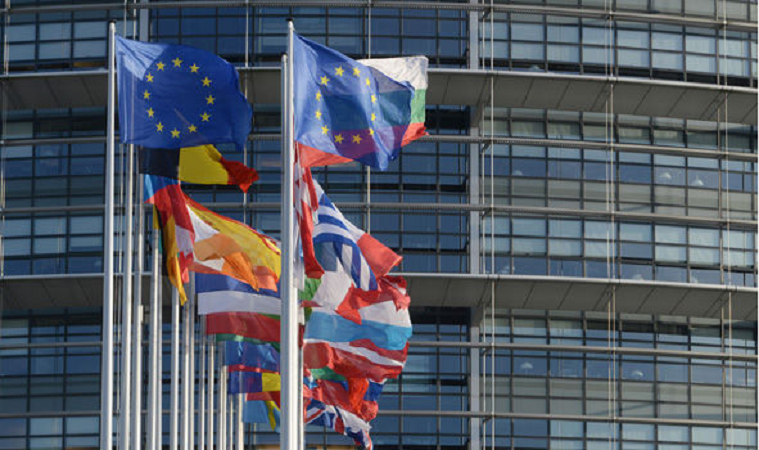
Ensuring fair play is paramount in the vast, fast-paced world of online gambling. European online casinos, particularly, are at the forefront of adopting rigorous measures to maintain game integrity. These efforts are crucial for maintaining player trust and adhering to the stringent regulatory standards set by European authorities. This article explores the mechanisms and technologies European online casinos employ to ensure that every shuffle of cards, wheel spin, and dice roll is fair and random. Understanding these processes can help players feel more secure and confident about their online gambling experiences.

Advanced Random Number Generators (RNGs)

The Random Number Generator (RNG) is at the heart of ensuring fairness in online casino games. This technology produces entirely random outcomes, such as the landing position of the roulette ball, the distribution of cards in blackjack, or the symbols that appear on a slot machine spin. European online casinos utilize sophisticated RNG software regularly tested and certified by independent third-party companies.

These RNG systems are not just any run-of-the-mill software. They are complex algorithms designed to mirror the randomness of natural gaming conditions. For instance, when you play roulette online, the RNG must ensure that each spin is independent of the last, with the probability of every number remaining constant. The certification process involves rigorous testing over millions of game rounds, ensuring the RNG behaves just as it would over the long term in a real-life scenario.

Moreover, transparency is key in RNG usage. Reputable online casinos in Europe disclose their use of RNGs and provide details about their certification. This openness reassures players that the games are not rigged and that the outcomes are as random as those in a physical casino.

Regulatory Oversight and Compliance

European online casinos operate under some of the world’s most stringent gambling regulations. These regulations are designed to protect players and ensure the integrity of gambling operations. Jurisdictions such as the United Kingdom, Malta, and Gibraltar are known for their strict regulatory frameworks and oversight mechanisms.

Casinos must obtain a license from relevant regulatory bodies, and part of maintaining this license involves regular audits and compliance checks. These audits assess everything from RNG software and game logic to financial transactions and player security. Failure to meet the standards can result in fines, suspension of licenses, or even expulsion from the market.

The role of these regulatory bodies extends beyond mere compliance checks. They also serve as mediators between disgruntled players and the casino, ensuring that disputes are handled fairly and lawfully. By fostering a secure and equitable environment, these regulations help maintain the reputation of online gambling in Europe as safe and fair.

Education and Transparency

A key component of fair play in the digital age is the education of players about what fairness means in online gambling and how it is maintained. EU casino platforms often lead the way in this area, providing extensive resources that help players understand the importance of RNGs, the implications of regulatory oversight, and how to recognize a licensed and compliant online casino.

Transparency initiatives include publishing payout percentages, game theoretical return to player (RTP) rates, and RNG certification results. Many casinos also offer insights into security practices, data protection measures, and responsible gambling policies. This level of transparency helps build trust with players, reassuring them that the games are fair and that the casino operates with integrity.

Fair play remains the cornerstone of the thriving online casino industry in Europe. Through sophisticated RNG technology, adherence to strict regulatory standards, and a commitment to transparency and education, European online casinos ensure that game integrity is never compromised. For players, understanding and recognizing these efforts can make the difference between a positive online gambling experience and a questionable one. As the digital gambling landscape evolves, the commitment of European casinos to maintaining the highest standards of fairness and security is more critical than ever.

The Rise of Online Gambling in Washington: Trends and Player Safety

0

In Washington State, the digital chips are down, and the stakes are higher than ever as online gambling carves out its niche in the Pacific Northwest. This blossoming sector is capturing the attention of players and policymakers alike, driven by technological innovations and a growing appetite for digital entertainment. However, with great convenience comes great responsibility, especially in safeguarding players and ensuring fair play. This article delves into the trends shaping Washington’s online gambling landscape and the critical measures implemented to keep players safe.

Growth and Trends in Washington’s Online Gambling

The online gambling scene in Washington has seen a notable uptick, reflecting broader national and global trends. This surge is primarily fueled by advancements in mobile technology, with smartphones transforming into portable casinos. Players can now spin slots or call bluffs from their couch, on the bus, or while sipping coffee at their favorite local spot. It’s all at their fingertips.

As the number of digital platforms increases, so does the diversity of games. The variety is staggering, from classic table games to innovative slots that tell a story as they spin. This isn’t just about gambling; it’s about entertainment and engaging experiences that resonate with a broad audience, including younger demographics who might never set foot in a traditional casino.

This growth isn’t just a boon for players and casino operators; it’s a significant contributor to the state’s coffers. Online gambling has opened new revenue streams through licensing fees, taxes, and data-driven marketing strategies. However, with this rapid expansion, the challenge remains to manage growth without compromising player safety or the integrity of the games.

Regulatory Measures and Legal Framework

As the popularity of online gambling grows, so does the need for a robust regulatory framework around casino app platforms and other sites. Washington has been proactive in this regard, establishing regulations that ensure online games are fair, transparent, and secure. This involves licensing requirements that are among the strictest in the nation, ensuring that only reputable operators can step into the arena.

These regulations are not just red tape. They’re about protecting the player. For instance, the state mandates using random number generators to keep games fair and random audits by independent bodies to ensure compliance. Moreover, the legal framework is designed to keep out bad actors who might exploit vulnerable players.

Washington has also been a pioneer in promoting responsible gambling practices. This includes setting up self-exclusion programs and providing resources for those who might be at risk of gambling addiction. These measures show that it’s not just about enabling gambling; it’s about fostering a responsible environment where player protection is paramount.

Enhancing Player Safety and Security

In the digital age, player safety extends beyond responsible gambling practices, including safeguarding personal and financial information. Washington’s online casinos employ state-of-the-art security measures to protect players. Encryption technologies, secure servers, and real-time monitoring systems are just the tip of the iceberg.

Education plays a pivotal role, too. Players are being educated about the importance of playing at licensed sites, understanding the risks of gambling, and knowing how to spot the signs of fraud. It’s about empowering players with the knowledge they need to protect themselves.

Furthermore, new threats have emerged with the rise of technology, such as hacking and phishing attacks. In response, online platforms in Washington are continuously updating their security protocols to address these risks. This ongoing vigilance ensures that the thrill of the gamble is the only risk players are taking.

The rise of online gambling in Washington is a narrative of innovation, economic opportunity, and proactive measures to safeguard the community. As the sector evolves, the focus on player safety and robust regulations will remain vital. Washington’s approach offers a blueprint for balancing the economic benefits of online gambling with the imperative of player protection. The future looks promising, and as long as we play our cards right, it will be a win-win for all stakeholders involved.

Zuckerberg’s Admission of White House Pressure to Censor Contents Validates Musk’s Censorship Claims

0

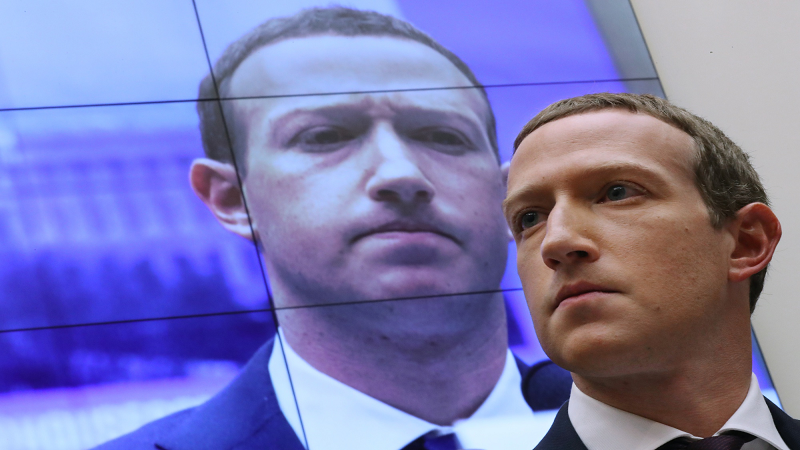
In a revealing statement, Mark Zuckerberg admitted that Facebook had faced pressure from the White House to censor certain content, lending significant weight to the warnings of Elon Musk, the owner of Twitter (now X), who has long criticized government censorship.

Zuckerberg’s admission that Facebook experienced pressure from the White House to suppress certain content is the latest mark in the ongoing discourse about government interference in social media.

“I believe the government pressure was wrong, and I regret that we were not more outspoken about it,” Zuckerberg wrote. “I feel strongly that we should not compromise our content standards due to pressure from any Administration in either direction — and we’re ready to push back if something like this happens again.”

With this revelation, which highlights the growing tension between social media giants and government authorities, the debate over free speech has intensified, especially as the US Presidential election draws close.

Zuckerberg vowed not to repeat contributions he made in the last presidential election cycle to fund election infrastructure.

“My goal is to be neutral and not play a role one way or another — or to even appear to be playing a role,” he said. “So I don’t plan on making a similar contribution this cycle,” he said.

Elon Musk’s Free Speech Crusade

Zuckerberg’s acknowledgment of governmental influence echoes the concerns that Elon Musk has been voicing since he acquired Twitter. Musk, a vocal advocate for free speech, has repeatedly warned of the dangers posed by government overreach in regulating online discourse.

The tech billionaire said his purchase of Twitter in 2022 was driven by a strong belief in the importance of free speech.

“Free speech is the bedrock of a functioning democracy, and Twitter is the digital town square where matters vital to the future of humanity are debated,” Musk declared shortly after taking control of the platform.

He added that his vision was to transform Twitter into a haven for open dialogue, unencumbered by government censorship.

Musk wasted no time in implementing changes to achieve this vision. He overhauled Twitter’s content moderation policies, which he deemed too restrictive, and replaced them with guidelines, including Community Notes, that prioritized freedom of expression. This shift was intended to create a space where users could share their views without the fear of censorship—a direct challenge to what Musk perceives as a growing trend of government control over digital platforms.

Also, he unblocked many accounts suspended under the previous Twitter management.

The Twitter Files: A Revelation of Government Influence

In 2023, Musk made a bold move to reinforce his commitment to transparency by releasing the “Twitter Files.” This series of internal documents and communications exposed the extent to which the U.S. government had exerted pressure on Twitter’s previous management to censor content. The files revealed a systematic effort by various government agencies to influence the platform’s content moderation decisions, particularly around politically sensitive topics.

Musk said following the release of the files that the level of government involvement in content decisions was shocking, adding that it’s a clear violation of the principles of free speech, and it’s something that every citizen should be concerned about.

The Twitter Files provided a rare and disturbing look at how deeply government authorities had embedded themselves in the content moderation processes of one of the world’s most influential social media platforms. The documents showed how officials had directly influenced which posts were allowed to remain and which were removed, sparking a wave of criticism from free speech advocates who argued that the government’s actions amounted to censorship by proxy.

However, Zuckerberg’s recent admission has added fuel to the fire of an ongoing debate about the role of government in regulating speech on social media platforms. The issue extends beyond the control of information to the very heart of democratic principles and the free exchange of ideas.

Musk has positioned himself as a leading voice against this trend, in a contrasting approach with that of other social media giants like Facebook. He said the government cannot be allowed to dictate what’s true and what’s not, declaring that the power to control information should not be concentrated in the hands of a few, especially when those hands are influenced by government agendas.

As social media platforms become increasingly central to public discourse, the question of who controls the flow of information becomes more pressing. If social media platforms are perceived as extensions of government power, the trust that users place in these platforms could be severely undermined.

Musk’s approach, while controversial, is believed to represent a counter-movement against this trend.

Ndubuisi Ekekwe Celebrates 200,000 LinkedIn Followers

0

Good People, let me thank you all for taking this village boy from Ovim, to 200,000 followers at LinkedIn. That is now a city, well more than a village! And all connections are natural and organic, by looking at the level of engagement. We do close to 1 million views weekly!

In college, I edited and published FUTO Bubbles, a print magazine, as a student. When I write, I have liberation.  Thanks for  making time, and I truly appreciate your time  on this feed.

Please connect on Linkedin as I am more active there.