DD
MM
YYYY

PAGES

DD
MM
YYYY

spot_img

PAGES

Home Blog Page 2969

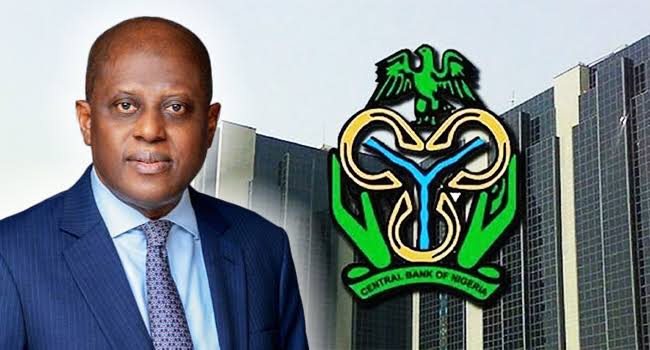
Central Bank of Nigeria (CBN) announces increase in Standing Lending Facility (SLF) rate to 31.75%, SDF to 25.75%

0

In another move to manage liquidity in Nigeria’s financial system, the Central Bank of Nigeria (CBN) has announced an increase in the rates for its Standing Deposit Facility (SDF). This adjustment is part of the CBN’s broader strategy to curb excess liquidity and promote more active lending among banks, amid ongoing efforts to address inflationary pressures.

Following the 296th Monetary Policy Committee (MPC) meeting, the CBN announced significant changes, including an increase in the Standing Lending Facility (SLF) rate to 31.75%, the SDF rate to 25.75%, and an adjustment of the Asymmetric Corridor around the Monetary Policy Rate (MPR).

One of the most significant shifts is the revision of the Asymmetric Corridor around the Monetary Policy Rate (MPR) from +100/-300 basis points (bps) to +500/-100 bps. This adjustment is designed to make it less attractive for banks to park excess funds at the central bank and instead encourage them to lend more actively to the private sector.

The circular detailed the following specifics:

  • Commercial and Merchant Banks: They will receive a 25.75% rate on deposits up to N3.00 billion. Deposits exceeding this amount will attract a lower rate of 19.00%.
  • Payment Service Banks: They will receive 25.75% on deposits up to N1.50 billion, with amounts above this threshold earning 19.00%.

These new rates are effective immediately, with all authorized dealers expected to comply with the updated guidelines.

These measures, aimed at controlling excess liquidity in the financial system, have sparked a debate over their long-term impact.

The CBN’s decision to raise the SLF rate and the SDF is understood to be born of its commitment to combating inflation. However, the ripple effects of these adjustments are not lost on financial experts, who have voiced concerns about the broader implications for Nigeria’s economy.

The impact of these policies is expected to be felt across various sectors. Banks, now facing higher costs to borrow short-term funds from the CBN, may pass on these costs to consumers in the form of higher lending rates. This could reduce the availability of credit for businesses and consumers alike, further slowing economic activity.

Additionally, the reduction in interest rates for excess deposits at the CBN is intended to push banks toward more active lending. However, with the current economic climate and the rising cost of funds, there is a risk that banks may become more risk-averse, choosing to tighten lending criteria rather than increase their exposure.

Financial analysts believe that while the CBN’s efforts to manage inflation are commendable, the high cost of borrowing will inevitably slow down economic activities. Businesses, especially small and medium-sized enterprises (SMEs), will struggle to access affordable credit, which could lead to a slowdown in investment and job creation, they say.

Others have warned that while tightening monetary policy might be necessary to address inflation, it must be done with caution. This is because the Nigerian economy is at a delicate stage.

It is believed that high interest rates, if not managed properly, could lead to a contraction in economic growth. Economists have advised that the focus should be on striking a balance between curbing inflation and sustaining growth.

The central bank’s move is part of a broader strategy to rein in inflation, which has been exacerbated by a range of factors including rising food prices, supply chain disruptions, and currency devaluation. Yet, the challenge remains to ensure that these measures do not inadvertently choke off the economic growth needed to sustain the nation’s recovery.

While the CBN remains focused on its inflation-targeting mandate, the debate continues over the best course of action. The warnings from economic experts suggest that a more nuanced approach may be required—one that carefully balances the need to control inflation with the imperative to foster sustainable economic growth.

NNPCL Is Broke: Nigeria Seeks Public-Private Partnerships to Revamp Nigeria’s Crumbling Oil Pipeline Infrastructure

0
NNPC HQs in Abuja (credit: Guardian)

The Federal Government of Nigeria has acknowledged the dire state of the country’s oil pipeline infrastructure, revealing that the Nigerian National Petroleum Company Limited (NNPCL) lacks the financial capacity to undertake the necessary repairs and upgrades.

This admission was made by the Minister of State for Petroleum Resources (Oil), Heineken Lokpobiri, during the 2024 Energy and Labour Summit organized by the Petroleum and Natural Gas Senior Staff Association of Nigeria (PENGASSAN) in Abuja.

Lokpobiri highlighted the critical need to overhaul Nigeria’s oil pipeline network, which has suffered decades of neglect and corrosion. Most of these pipelines, constructed in the 1960s and 1970s, have far exceeded their intended lifespan, making them highly vulnerable to vandalism and leaks.

The minister noted that even if Nigeria were capable of increasing its crude oil production beyond 1.7 million barrels per day (mbpd), the deteriorating state of these pipelines poses a significant challenge to evacuating the oil to export terminals.

“The reason why pipeline vandalism is very easy to do is because the pipelines have all expired; they are completely corroded, and so, anybody can just go and tap it and the thing is busted,” Lokpobiri explained.

He noted that while more advanced and secure pipeline technologies exist, they are significantly more expensive, requiring a shift in the country’s approach to managing its oil infrastructure.

NNPC’s Financial Constraints and the Need for PPP

Lokpobiri candidly stated that the NNPC does not have the financial resources to fund the extensive repairs and replacement of the old pipeline network.

“The NNPC, that is our joint venture partner, do they have the money to be able to replace these pipelines? I think NNPC will speak for themselves whether they have the money to be able to do that, and I don’t think they have,” he declared.

Given these financial constraints, the minister called for public-private partnerships (PPP) as a viable solution to address the infrastructure deficits. He urged for the involvement of the private sector, noting that successful investments would require restoring investor confidence, which has been lacking over the past decade due to various challenges, including security concerns and regulatory uncertainties.

The minister also addressed the ongoing issue of fuel smuggling, attributing it to the pricing policies of the NNPC, which imports Premium Motor Spirit (PMS) and sells it below the landing cost. This pricing discrepancy, he said, creates a lucrative opportunity for smugglers, who illegally transport fuel to neighboring countries where it commands higher prices.

He disclosed the difficulty in curbing this illicit activity, noting the complicity of some security agents at Nigeria’s borders.

“Nigeria plays a very critical role in the energy security in Africa. That is why whatever PMS we import into Nigeria finds its way to the whole of West Africa. That is why smuggling cannot stop,” Lokpobiri remarked, stressing the importance of a strategic approach to achieving energy security in the region.

Local Refining and Production Goals

The minister expressed concerns about the ability to supply crude oil to local refineries, including the Dangote Refinery, unless Nigeria significantly ramps up its production levels. While the Federal Executive Council has resolved to prioritize local refining by ensuring a steady supply of crude to domestic refineries, Lokpobiri noted that meeting these obligations remains a challenge.

“Our ambition is to ramp up production. It is only when we ramp up production that the midstream and the downstream can also be successful,” he stated. The minister highlighted the importance of attracting investors to explore and produce more crude oil, which would not only satisfy domestic needs but also allow for continued exports to generate foreign exchange.

Lokpobiri concluded by affirming the government’s commitment to supporting local refineries, both large and small, by ensuring a fair and competitive environment. He reiterated that the government’s goal is to secure sufficient feedstock for local refiners while maintaining a balance between domestic supply and export demands.

The Challenge of High Cost of Governance

However, the revelation that Nigeria lacks the funds to undertake pipeline replacement is seen as a sobering reminder of the nation’s fiscal challenges that further highlight the pressing need for the government to re-evaluate its spending priorities.

The pipelines, which are crucial for transporting Nigeria’s crude oil, are not just outdated—they are dangerously corroded – having been constructed in the 1960s and 1970s, painting a troubling picture as oil remains the major source of the country’s revenue.

While the development highlights the ugly situation of the NNPC, which has been operating at a loss until recently when it announced profits, it points to a major issue that has been eating the country deeply – the high cost of governance and corruption.

The government’s inability to finance the pipeline repairs is believed to be a reflection of a broader issue that has plagued Nigeria for years: the misallocation of resources. While the government struggles to fund essential infrastructure, it has continued to engage in extravagant spending that drains the national coffers. Critics have long argued that the government’s lavish expenditures on non-essential projects and the perks of public office have left vital sectors, like oil and gas, severely underfunded.

Last month, BudgIT, a civic tech organization, revealed an alarming allocation of N732.5 billion for vague empowerment projects in Nigeria’s 2024 budget.

This is against the backdrop of criticism of Nigeria’s government maintaining an oversized political class, with a bloated number of ministries, agencies, and special advisers. The cost of governance is among the highest in the world, with public officials enjoying luxurious lifestyles funded by taxpayers.

The national budget routinely allocates enormous sums for the purchase of exotic cars, renovations of government offices, and frequent foreign trips under the guise of diplomatic engagements. These expenditures continue despite calls for austerity and fiscal discipline, especially given the country’s economic realities.

In 2024, the National Assembly budget was pegged at N344.85 billion, covering expenses that include lawmakers’ salaries, allowances, and other perks, such as constituency projects that have often been criticized for their lack of transparency and impact. This amount stands in stark contrast to the allocation for critical sectors such as health, education, and infrastructure, which continue to suffer from underfunding.

This pattern of spending is not new. Under previous administrations, the government’s focus on maintaining a lavish lifestyle for the political elite often took precedence over investing in the country’s infrastructure and economic development. Former President Muhammadu Buhari’s administration, for example, was frequently criticized for approving spending demands from the national assembly amid revenue deficiency that impacted developmental projects.

Thus, many see Lokpobiri’s admission that the NNPCL does not have the funds to replace the old pipelines as a wake-up call for the government to reassess its priorities. While the minister calls for PPP, admitting that the NNPCL cannot fund the repair of the pipelines alone, experts have noted that the success of such partnerships hinges on creating a conducive investment climate—a challenge in a country where confidence in governance has been eroded by years of mismanagement and corruption.

These challenges, make it increasingly clear that the government must curtail its excessive spending to free up resources for critical economic development projects. Economists have warned that the country cannot afford to continue on its current path, where the wealth of the nation is squandered on luxuries while vital infrastructure crumbles.

Top Presales to Watch This Month: Shiba Shootout and MinePro Among Others

0

Why These Presales Are Worth Your Attention

Navigating the vast ocean of crypto presales can be daunting, but the right picks can turn a modest investment into significant returns. As the crypto landscape continues to evolve, new projects emerge with the potential to reshape the market. Below, we spotlight four presales: Shiba Shootout, Memereum, Pawfury, and MinePro, that are generating both buzz and millions in investments, each offering something unique for early investors.

1. Shiba Shootout: Aiming for the Stars

Shiba Shootout ($SHIBASHOOT) has captured the attention of meme coin enthusiasts with its engaging Wild West theme and a game that’s already making waves in the mobile gaming community. Launched just a month ago, Shiba Shootout has quickly surpassed the $1 million mark in its presale, showing no signs of slowing down.

The project’s native game, Shiba Sharpshooter, has already been downloaded over 1,000 times on Google Play, and a Web3 version is on the way. The combination of an immersive gaming experience and the ever-popular Shiba Inu brand makes Shiba Shootout a project worth watching closely.

2. MinePro: Mining Profits from Bitcoin’s Dominance

Riding the ever-reliable wave of Bitcoin’s success, MinePro is set to revolutionize how investors think about crypto mining. With the simple act of staking $MINE tokens, investors can earn Bitcoin, bypassing the hefty investments and complexities traditionally associated with Bitcoin mining.

MinePro’s presale has already caught significant attention, raising substantial funds and setting the stage for its token’s future success. Analysts predict the $MINE token could soar to $50 by the end of 2025, making it a potentially lucrative investment. Unlike other projects, MinePro doesn’t just offer a promise; it delivers a direct link to the world’s most stable cryptocurrency, Bitcoin. This connection makes MinePro a standout in the crypto presale landscape, offering investors a secure and profitable entry into the world of Bitcoin mining.

3. Memereum: A Decentralized Powerhouse

Memereum is rapidly becoming a well-known name in the crypto sphere, thanks to its highly successful presale. With over 30 million tokens sold, Memereum has demonstrated that there’s significant investor interest in its vision of a fully decentralized platform. Memes and crypto go hand in hand, as degens flock to projects that lean into meme culture or use meme as a buzzword, so it was a no-brainer that a team that both pulls off a good product surrounding it would jump to success.

What sets Memereum apart is its commitment to security and decentralization, offering users a platform where transactions can be conducted without intermediaries. This ensures that control remains firmly in the hands of the community. With plans to launch a decentralized exchange (DEX) and introduce advanced security features, Memereum is positioning itself as a leader in the next generation of blockchain projects.

4. Pawfury: The Meme Coin Revolution

In an impressive display of market momentum, Pawfury (PAW) has become the latest sensation in the meme coin world. With a presale that has already reached $5.4 million, Pawfury is drawing investors away from established names like Pepe and Shiba Inu.

The rapid success of Pawfury’s presale isn’t just about numbers—it reflects the project’s innovative approach and the community’s belief in its potential. Offering secure and transparent operations alongside a supportive community, Pawfury is more than just another meme coin; it’s a platform that’s poised to drive the next wave of decentralized finance. The final phase of the presale is underway, and with the FOMO (Fear of Missing Out) kicking in, this is one project that could see explosive growth.

Riding the Wave To The Next Bull Run

The crypto market has seen a resurgence in investor interest this year, largely fueled by the approval of Bitcoin ETFs back in January. This monumental shift has breathed new life into the market, attracting both seasoned investors and newcomers eager to capitalize on the next big opportunities. Amid this wave of renewed enthusiasm, new projects have successfully captured attention, raising substantial amounts of investment and building strong communities around them.

In this vibrant landscape, projects like Shiba Shootout, Memereum, and Pawfury are shining examples of how innovation and engagement can drive success even in a crowded market. However, for those looking to secure long-term growth tied to the ever-dominant Bitcoin, MinePro stands out as the top pick. With its revolutionary approach to Bitcoin mining, MinePro is not just riding the wave of Bitcoin’s success—it’s paving the way for the future of decentralized finance.


Join MinePro Presale Now:

Presale: https://mineprobusiness.net?referrer=tekedia

Telegram: https://t.me/MineProBitcoin

Discord: https://discord.gg/dWtWJjwNYy

Additional disclaimer: The opinions in this article belong solely to the author and do not reflect those of MinePro or its team. MinePro and its affiliates are not liable for any content provided.

This information is not financial advice and does not consider your individual circumstances or needs. We recommend conducting your own research or seeking independent professional advice before making financial decisions based on this content.

Nigeria’s New Education Policy that Limits Tertiary Education Age to 18 Sparks Backlash

0

In a move that has sparked widespread criticism, the Nigerian Federal Government has announced a new policy setting the minimum age for writing the Senior Secondary School Certificate Examinations (SSCE) and the Joint Admission and Matriculation Board (JAMB) examination at 18 years.

According to the Minister of Education, Professor Tahir Mamman, from 2025, any candidate who is not up to 18 will not be allowed to write the SSCE, effectively barring them from seeking admission into tertiary institutions. This policy, according to government officials, is aimed at ensuring that students are emotionally and intellectually mature before they proceed to higher education.

However, the announcement has been met with condemnation from critical stakeholders in the education sector, who argue that the policy is not only regressive but also paradoxical when considered in the broader context of Nigerian society. The irony of this policy becomes glaring when juxtaposed with other societal practices in Nigeria, where children under 18 are married off, sent to prison, or even given adult responsibilities far beyond their years.

A Policy That Stifles Educational Progress

Nigeria operates a 6-3-3-4 educational system, where a child enrolls in school at age six, and spends six years in primary education, three years in junior secondary, and another three years in senior secondary before advancing to higher education. Under normal circumstances, a Nigerian student is expected to complete secondary education by the age of 17 or 18. However, due to various factors such as accelerated learning programs, some students finish secondary school by 16 or even younger.

Professor Mamman, speaking on a television program, justified the new policy by emphasizing that it aligns with the 6-3-3-4 system, which theoretically should see students completing secondary school at 18.

He argued that younger students lack the maturity required to thrive in a university environment.

“It is not just a matter of academic readiness; it’s about emotional and psychological maturity,” he said. “We have seen cases where students who entered university too early struggled to cope with the demands of higher education.”

Yet, this rationale has been met with strong opposition from educational stakeholders who see the policy as an unnecessary barrier to academic achievement. The Nigeria Union of Teachers (NUT), the National Parents/Teachers Association of Nigeria (NAPTAN), the Congress of University Academics (CONUA), the Academic Staff Union of Universities (ASUU), and various non-governmental organizations have all voiced their concerns.

Dr. Mike Ene, Secretary General of the NUT, expressed his disappointment regarding the policy, stating, “One good thing about our minister is that he is a lecturer and also a Senior Advocate of Nigeria. One hopes the policy will stand the test of time. They should have another look at the policy. They cannot just wake up and make such a decision. They must consult widely on it.”

Ene further warned that the policy could negatively impact the education sector, particularly for gifted students who excel academically but are younger than 18.

NAPTAN’s Deputy National President, Chief Adeolu Ogunbanjo, was even more critical, declaring that the association would challenge the policy in court if the government refused to drop it.

“We have spoken to some lawyers on the matter, they said we should just be patient for the year 2025 to roll in. Around March next year, before WAEC and others start to conduct the SSCE, we will sue the government if they refuse to drop the policy,” Ogunbanjo said.

The Irony of Child Protection in Nigeria

The policy’s introduction has brought to the fore a glaring irony in Nigeria’s approach to child development. While the government insists that students must be 18 to take on the academic rigors of higher education, it seems to turn a blind eye to other areas where children are forced into adulthood much earlier.

In many parts of Nigeria, it is not uncommon for girls as young as 12 or 13 to be married off, often to men much older than them. Child marriage is a pervasive issue in Nigeria, particularly in the northern regions, where cultural and religious practices allow for the marriage of girls well before they reach 18. According to UNICEF, Nigeria has one of the highest rates of child marriage in the world, with 43% of girls married before their 18th birthday, and 16% married before the age of 15.

The Nigerian legal system has also faced criticism for its treatment of minors. Children as young as 13 have been sent to prison for various offenses, where they are often incarcerated alongside adults. The country’s juvenile justice system is fraught with challenges, and many young offenders do not receive the protection and rehabilitation they need.

This practice stands in stark contrast to the government’s assertion that children under 18 are not mature enough for university but are seemingly mature enough to face the harsh realities of marriage and prison.

AriseTV journalist Oseni Rufai highlighted this contradiction in a commentary, stating, “They say pupils can’t go to university before 18, but they can get married at 12. Is this alliance with the other side of the country really benefiting us? Their way of reasoning is becoming increasingly frustrating.”

Lawyer Ridwan Oke echoed these sentiments, pointing out the inconsistencies in how the law treats minors in Nigeria.

“A 15-year-old is too small to be admitted into the University in Nigeria but a Court can grant a remand order to remand them in Police custody with adults. A 15-year-old is too small to be admitted into a University but some of them are not too small to be remanded in prison custody with adults in KiriKiri [prison],” Oke remarked. “Once again, Nigerian math will stress you.”

The decision to enforce an age limit for SSCE and university admission raises critical questions about the direction of education policy in Nigeria. It is believed that by placing arbitrary restrictions on when students can progress in their academic careers, the government risks stifling the potential of thousands of young Nigerians. Stakeholders are worried that this policy could create a backlog in the education system, with students who complete secondary school before 18 left in limbo, unable to advance to higher education.

Dr. Niyi Sunmonu, National President of CONUA, proposed a more flexible approach, suggesting that the minimum age for university admission should be set at 17.

“A student can leave secondary school at 16 or a little above that and seek admission for higher education at 17. The minister should call a meeting of stakeholders in the sector to deliberate on it,” Sunmonu advised. “The policy should go through the process of acceptance by all and even be legislated upon by the National Assembly. Parents want to be free from the burden of educating their children as soon as possible.”

This sentiment reflects the broader concern that the policy does not take into account the realities of modern education and child development. In today’s world, many children are starting school earlier and advancing through the education system more quickly than previous generations. By the time they reach secondary school, some students are ready to move on to university, regardless of whether they have reached the age of 18.

The Nigerian government’s approach to this issue appears to be rooted in a desire to control and regulate the education system rather than adapt to the changing needs of students and society. Stakeholders believe that this rigid stance has the potential to alienate young people and discourage them from pursuing higher education, particularly if they feel that their academic achievements are being disregarded in favor of an arbitrary age limit.

Mr. Oladapo Adekoya, a member of the Concerned Parents and Educators Network (CPE), pointed out that the policy reflects a “modern slavery mentality and approach.” Adekoya criticized the government for focusing on age rather than addressing the underlying issues that affect education and child welfare in Nigeria.

“These people are never serious. The real issues they will neglect and keep pursuing shadows,” he said. “At 18, a young adult should be fully set to launch a career path if all necessary skills and abilities are properly impacted. The curriculums themselves are outdated and practically useless. Let’s concentrate on the issues that matter, then the issue of age on admission will set in automatically.”

Concerned Nigerians said the irony of the situation is that while the government insists on the maturity of students entering university, it fails to recognize the contradictions in its policies and societal practices. It is believed that if Nigeria is to truly support the development and well-being of its young people, it must adopt a more consistent and comprehensive approach that considers all aspects of their lives, not just their age.

Cardano Founder Hints At Partnership With Algorand As ADA Price Recovers Sharply

0

In the midst of Cardano (ADA) price recovery from weekly lows, Charles Hoskinson, the founder of Cardano (ADA), raised some attention in the crypto space by hinting at a strategic partnership between Cardano’s AI chain—Minotaur and Algorand (ALGO). Meanwhile, this new ETF-trading platform, ETFSwap (ETFS) is bound to share in the spotlight as it offers game-changing trading features and versatile investment opportunities.

Cardano (ADA) And Algorand (ALGO) Looks To Forge An AI Powerhouse 

According to Hoskinson, the potential of Cardano’s AI chain could be pushed to the limit if a collaboration with Algorand (ALGO) occurs. He added in this tweet that the crypto industry would witness the birth of the greatest decentralized AI powerhouse.

Originally, this partnership idea started gaining traction when Gary Malouf, the Chief Technology Officer (CTO) of the Algorand (ALGO) Technologies, expressed his interest to discuss and potentially work with Cardano (ADA).

Following this, a Cardano (ADA) development and DEX enthusiast, Dave attracted more traction to this idea by posting a tweet, proposing a collaboration. John Woods, CTO of Algorand Foundation responded to this with positivity, indicating that he was open to discuss the idea. This particularly raised the possibility of Cardano (ADA) and Algorand (ALGO) sealing a partnership deal.

Although Hoskinson did not respond directly to Woods’ X (formerly Twitter) post, he disclosed that a partnership discussion between both networks would be “epic”. Cardano (ADA) community members may be even more excited for this potential collaboration, seeing that the network experienced surging activity that raised the price of ADA by 12.96% in the past week, according to CoinMarketCap. The price of Algorand (ALGO), on the other hand, is reflecting a 13.12% weekly rise, following Cardano’s progress.

While the specifics of Cardano (ADA) and Algorand (ALGO) partnership has not been fully divulged, both Hoskinson and Woods are looking to explore the benefits of working together.

ETFSwap (ETFS) Emerges As The Best Sustainable Investment Option For Investors

With plans to change the financial status of many investors, ETFSwap (ETFS) is not just a DeFi ETF-trading platform, but an avenue to potentially achieve continued financial growth through enticing investment opportunities. This ambitious vision is why ETFSwap (ETFS) is gaining recognition alongside major networks like Cardano (ADA) and Algorand (ALGO).

As a decentralized ETF platform, ETFSwap (ETFS) will allow investors and traders to seamlessly access a vast array of tokenized institutional ETFs and cryptocurrencies. Psyched by this innovation, over 500 million ETFS tokens have already been bought, allowing the project to realize almost $4 million in its ongoing presale. 

ETFSwap’s investment opportunities are not only limited to traditional assets alone. On its platform, investors will also gain exposure to sectors like real estate, technology, and healthcare. Additionally, ETFSwap (ETFS) will provide perpetual futures trading and high leverage options. With these, both seasoned investors and newcomers gain the flexibility and potential needed for achieving significant profit.

The ETFSwap (ETFS) platform is also planning to offer investors advanced AI algorithms to help with investment recommendations, using analysis from market trends and historical data. This platform strongly prioritizes profit maximization alongside security, and transparency. Additionally, ETFSwap (ETFS) offers investors high yield staking options, allowing them to earn staking rewards and passive income. 

This platform is completely user friendly and ensures that KYC verification is not necessary for users. This poses ETFSwap’s native token, ETFS as one of the best investment assets to emerge this year.

Moving on, the entire infrastructure of the platform has undergone a thorough audit by CyberScope, a leading blockchain auditing firm, confirming its robust security and operational integrity. The platform’s team members have also passed rigorous KYC verification by SolidProof, proving their commitment to maintain the highest standards of trust and transparency.

Wrapping Up

The presale for ETFSwap (ETFS) is still ongoing, with many investors hurrying to invest in the innovative token before it spikes to new highs. ETFS is expected to hit $0.03846 in its next presale run, signaling the best time for investors to start accumulating ahead of its projected price surge.  


For more information about the ETFS Presale:

Visit ETFSwap Presale

Join The ETFSwap Community