DD
MM
YYYY

PAGES

DD
MM
YYYY

spot_img

PAGES

Home Blog Page 2979

New York Judge Rules Against SEC’s Limit on Tron’s Defense

0

In a significant development in the ongoing legal tussle between the U.S. Securities and Exchange Commission (SEC) and the Tron Foundation, a New York judge has ruled against the SEC’s efforts to limit Tron’s defense arguments. This decision marks a pivotal moment in the case, which has been closely watched by the cryptocurrency community and legal experts alike.

The case centers around the SEC’s allegations that the Tron Foundation, along with its founder Justin Sun, engaged in the sale of unregistered securities. The SEC’s approach to this case has been to apply the Howey Test, a legal standard used to determine whether certain transactions qualify as investment contracts and therefore, securities. The crux of the SEC’s argument is that the sale of TRX and BTT tokens met the “common enterprise” prong of the Howey Test, which Tron’s legal team has contested.

In a recent move, the SEC sought to force a pre-trial conference and require Tron to file an additional response, aiming to prevent Tron from using certain defense arguments. However, Judge Edgardo Ramos of the U.S. District Court for the Southern District of New York denied the SEC’s request, allowing Tron to proceed with its planned defense strategy.

One of the key aspects of this case is the application of the Howey Test, specifically the “common enterprise” prong, which is used to determine whether a transaction involves a security. The judge’s decision to allow Tron to present its full defense without restrictions could encourage other crypto entities facing similar lawsuits to adopt a more assertive stance in court.

Furthermore, if Tron ultimately prevails, it could challenge the SEC’s current approach to classifying tokens as securities, potentially leading to a reevaluation of the regulatory framework for digital assets. This could result in a more defined and perhaps more favorable environment for the operation and innovation of cryptocurrencies.

However, it’s important to note that the legal landscape is complex, and each case has its own unique factors. The implications of this ruling will unfold over time and will likely be shaped by the outcomes of subsequent cases and the evolving stance of regulatory bodies.

This ruling is not just a procedural win for Tron; it also sets a precedent for how defenses can be structured in cases involving cryptocurrency and securities law. By upholding the right for Tron to present its full argument, the court has reinforced the principle of a fair trial, a cornerstone of the U.S. legal system.

The outcome of this case could have far-reaching implications for the cryptocurrency industry, particularly in how tokens are classified and regulated. If Tron succeeds in its defense, it may lead to a reevaluation of the SEC’s criteria for determining what constitutes a security in the context of digital assets.

As the case progresses, all eyes will be on the Southern District of New York, where the future of cryptocurrency regulation may well be shaped. For now, Tron’s legal team can prepare for the next phase of the battle, bolstered by a judicial system that has affirmed their right to a comprehensive defense.


GoPro Joins the Workforce Reduction Trend, Announces Plan to Lay Off 139 Employees

0

GoPro Inc. announced a significant restructuring plan on Monday, including a 15% reduction in its workforce. This decision is part of the company’s strategy to cut operating expenses and improve financial efficiency.

The company plans to lay off approximately 139 employees, which constitutes about 15% of its total workforce. The layoffs are scheduled to begin in the third quarter of 2024 and are expected to be completed by the end of the year. This move is projected to incur restructuring charges in the range of $5 million to $7 million. Specifically, $1 million of these charges will be recorded in the third quarter, with an additional $4 million to $6 million expected in the fourth quarter of 2024.

Despite the anticipated short-term costs associated with the restructuring, GoPro’s shares experienced a 1.5% increase following the announcement. The company, which had 925 full-time employees at the end of the second quarter, is aiming to streamline its operations and reduce expenses to better position itself for future growth.

GoPro’s recent financial performance highlights the need for restructuring. For the second quarter ended June 30, 2024, the company reported revenue of $186 million, marking a significant 22.7% decline compared to the same period last year. Operating expenses also rose by 5% year-over-year, reaching $103 million. This combination of declining revenue and increasing costs has intensified the need for cost-cutting measures.

In addition to its financial challenges, GoPro is also dealing with legal and trade issues. In May 2024, the U.S. International Trade Commission initiated a probe into GoPro’s claims that its patents related to cameras, systems, and accessories are being infringed upon by Chinese company Arashi Vision. Arashi Vision has been accused of importing similar products into the U.S. market, potentially violating GoPro’s intellectual property rights.

The Broader Trend of Workforce Reductions in Tech

GoPro’s recent decision to reduce its workforce by 15%, or approximately 139 employees, reflects a broader trend sweeping through the tech industry. As companies grapple with financial pressures and the rapid adoption of new technologies like artificial intelligence (AI), workforce reductions have become a common strategy for both cutting costs and repositioning for the future.

The technology sector, once known for its rapid growth and aggressive hiring, has seen a marked shift in recent years. Many tech companies, ranging from startups to industry giants, have announced significant layoffs. This trend has been driven by a combination of factors, including declining revenues, rising operational costs, and the need to invest in new technologies to remain competitive.

The tech industry has also seen a slowdown in demand for certain products and services, particularly in areas where growth had been fueled by the pandemic. As consumer behavior normalizes and demand wanes, companies that had ramped up operations during the boom are now scaling back, resulting in layoffs.

The Impact of AI Adoption

While financial challenges are a significant factor, the rise of AI is also playing a crucial role in the tech industry’s workforce reduction trend. As companies across the sector incorporate AI into their operations, the need for certain roles has diminished. AI-driven automation is replacing many tasks previously performed by human workers, leading to a restructuring of the workforce.

For example, companies are increasingly using AI to streamline customer service, manage logistics, and even develop software, reducing the need for large teams of employees. This shift towards AI not only enhances efficiency but also allows companies to focus their resources on areas where human expertise is still essential.

Moreover, the integration of AI often requires new skill sets that existing employees may not possess. As a result, some companies are choosing to lay off workers whose roles have been rendered obsolete by AI, while investing in new hires with expertise in AI and machine learning.

In essence, while layoffs can help companies reduce short-term expenses, they also allow for realigning resources toward innovation and future growth areas, particularly in AI. This shift is essential for companies looking to maintain a competitive edge in a rapidly evolving tech industry.

CBN Announces 130% Surge in Remittance Inflows, Reaching a Record $553m in July 2024.

0

The Central Bank of Nigeria (CBN) has announced a remarkable 130% surge in remittance inflows, reaching a record $553 million in July 2024. This figure, the highest monthly total ever recorded, signifies a substantial increase from the same period in 2023 and is believed to underscore the effectiveness of the CBN’s strategic policies aimed at enhancing liquidity in Nigeria’s foreign exchange market.

According to a statement by Hakama Sidi Ali, the Acting Director of Corporate Communications at the CBN, this unprecedented growth in remittance inflows is a direct result of the central bank’s deliberate policy measures. These initiatives have been designed to bolster the flow of foreign exchange into Nigeria, stabilizing the market and supporting the country’s economic objectives.

Key among these measures is the licensing of new International Money Transfer Operators (IMTOs), which has expanded the network of channels through which remittances can be sent to Nigeria. Additionally, the CBN’s implementation of a “willing buyer-willing seller” model has provided greater flexibility in the foreign exchange market, allowing remittances to be exchanged more efficiently and at market-driven rates.

Another significant policy move was the facilitation of timely access to naira liquidity for IMTOs, ensuring that these operators can meet the demands of remittance recipients without delays. This, combined with the recent easing of restrictions on exchange rates quoted by IMTOs, has made the Nigerian market more attractive to remitters and IMTOs alike.

Diaspora remittances have long been a critical source of foreign exchange for Nigeria, supplementing both foreign direct investment and portfolio investments. The CBN’s initiatives to increase remittance inflows are part of a broader strategy to harness this vital resource for economic stability and growth. The central bank has set an ambitious goal of doubling formal remittance receipts within a year, a target that seems increasingly achievable given the current trend.

Background: CBN’s Reforms and Strategic Moves

The impressive growth in remittance inflows can be traced back to several key reforms implemented by the CBN earlier in 2024. In January, the CBN removed the previous cap on exchange rates quoted by IMTOs, allowing for more flexibility and competitiveness in the market. This move was followed by the release of revised guidelines for IMTO operations, which included a significant increase in the application fee for an IMTO license—from N500,000 in 2014 to N10 million in 2024, reflecting a nearly 1,900% increase.

The CBN also set a minimum operating capital requirement of $1 million for foreign IMTOs, with an equivalent requirement for local operators. Initially, IMTOs were barred from purchasing foreign exchange from the domestic market to fulfill their obligations, but this restriction appears to have been lifted, allowing IMTOs to trade on the official market.

To further boost remittance inflows, the CBN established a Collaborative Task Force in partnership with IMTOs, tasked with doubling remittance inflows into Nigeria. This task force reports directly to the CBN Governor, Yemi Cardoso, highlighting the importance of remittances in the CBN’s broader economic strategy.

Moreover, the CBN recently granted 14 new Approval-in-Principle (AIP) licenses to IMTOs, further expanding the network of operators in the market. These steps, combined with ongoing reforms and efforts to streamline processes, have evidently paid off, as demonstrated by the record-breaking remittance inflows in July 2024.

The surge in remittances comes at a time when Nigeria is grappling with various economic challenges, including a volatile foreign exchange market and fluctuating oil revenues. The increase in remittance inflows not only provides much-needed foreign exchange liquidity but also contributes to the country’s broader economic resilience.

The CBN’s report also highlights a slowdown in Nigeria’s year-on-year headline inflation rate, marking the first decrease in 19 months. This development signals the effectiveness of the CBN’s monetary policy tightening measures, which have been aimed at curbing inflation and stabilizing the economy.

The increase in remittance inflows plays a complementary role in these efforts by boosting the supply of foreign currency, which can help ease inflationary pressures linked to exchange rate volatility.

However, these reforms and the uptick in remittance inflow, have failed to boost the naira’s value in the forex market. The naira traded at N605 per dollar in the parallel market on Tuesday.

Looking ahead, the CBN has expressed its commitment to closely monitoring market conditions and adjusting its policies as necessary to maintain the flow of remittances and ensure the stability of the foreign exchange market.

Franklin Templeton files for Crypto ETF with Initial Holdings including Bitcoin and Ethereum

0

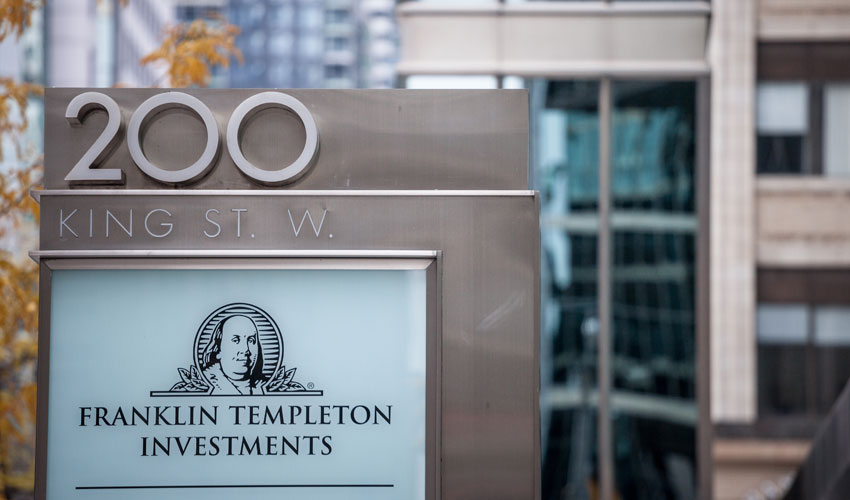
The investment landscape is continually evolving, and a significant development has been the filing for a crypto ETF by Franklin Templeton, a name synonymous with global asset management. This move marks a pivotal moment in the integration of cryptocurrencies into mainstream financial services.

The proposed ETF, which has been filed under the ticker ‘EZPZ’, is set to initially include Bitcoin and Ethereum, the two leading cryptocurrencies by market capitalization. This step by Franklin Templeton is indicative of the growing acceptance and institutional interest in digital assets as a legitimate investment class.

The ETF, if approved, would offer investors a regulated and simplified means of gaining exposure to the digital asset market without the complexities of direct cryptocurrency ownership. This includes the security of custody provided by Coinbase, a leading cryptocurrency exchange, which is set to serve as the custodian for the fund.

For investors unfamiliar with the process of buying, storing, and managing cryptocurrencies, ETFs offer a straightforward alternative. By purchasing shares in a crypto ETF, investors can bypass the complexities associated with direct cryptocurrency ownership.

Cryptocurrency ETFs can provide diversification within an investment portfolio. Since crypto assets have a low correlation with traditional asset classes, they can help in spreading risk. Crypto ETFs are traded on traditional stock exchanges, which means they can be bought and sold through regular brokerage accounts. This makes it easier for a wider range of investors to access the cryptocurrency market.

Investing in a crypto ETF can reduce the security risks associated with holding cryptocurrencies directly, such as theft or loss of private keys. ETFs are held in traditional brokerage accounts, which are typically insured and regulated. Crypto ETFs are subject to regulatory oversight, providing a level of security and legitimacy that may not be present when purchasing cryptocurrencies directly from unregulated exchanges or marketplaces.

ETFs are known for their liquidity, allowing investors to quickly enter and exit positions. A crypto ETF integrates the cryptocurrency market with traditional financial markets, potentially increasing liquidity for digital assets. ETFs generally have lower fees compared to actively managed funds, making them a cost-effective option for investors. Additionally, the transaction costs associated with trading ETFs are often lower than those for buying and storing cryptocurrencies directly.

The move by Franklin Templeton to file for a crypto ETF is not just a leap into a new asset class but also a reflection of the firm’s commitment to innovation and adapting to investor needs. With a history of 75 years in the asset management industry, Franklin Templeton’s venture into the digital asset space is a significant endorsement for the crypto market.

The ‘EZPZ’ ETF aims to reflect the performance of the price of Bitcoin and Ethereum before the payment of the fund’s expenses. It represents a bridge between traditional finance and the burgeoning world of cryptocurrencies, offering a credible oversight by a trusted partner in the financial landscape.

This development is a clear signal that cryptocurrencies are becoming an increasingly important part of the financial ecosystem. It also highlights the potential for other traditional financial institutions to explore similar offerings, thereby expanding the accessibility and credibility of cryptocurrency investments.

The anticipation around the approval of this ETF is high, and it could potentially open the doors for more investors to enter the crypto market. It is a step forward in the recognition of cryptocurrencies as a valuable component of a diversified investment portfolio.

How to Bypass Phone Number Verification without Compromising Privacy

1

Implementing phone number verification in today’s information space has become a popular procedure in various services. An easy example is the creation of social network accounts, where sites now require users to receive SMS verification. However, sharing personal phone numbers comes with the issue of privacy.

This blog will focus on avoiding phone number verification without losing privacy while being as secure as possible.

The Importance of Privacy in the Digital Age

Since everyone’s information is accessible to all individuals in this highly technologically evolved society, privacy is the primary concern. It is crucial to safeguard data for privacy and one’s psyche, as failure poses serious cons. Therefore, it’s critical to implement safeguards to maintain user privacy when using social networking sites.

Understanding Phone Number Verification

Phone number verification is another form of ID check that online platforms demand from their users to ensure that a user is genuine. This often includes entering the users’ phone number and receiving an SMS from the platform, with a code that must be entered to finish the verification.

Standard methods of phone number verification include:

  • SMS Verification: The user receives an SMS on their phone with a code they must submit on the platform.
  • Voice Call Confirmation: This is comparable to an SMS, although, in this instance, the user receives the code via an automated phone message.
  • App-Based Verification: Codes are received in applications such as Google Authenticator.

These methods assist in avoiding fake accounts or individuals being fake that they are a particular person. However, they have privacy issues simultaneously, and sharing the phone number entails specific adverse outcomes.

The Need for Bypassing Phone Number Verification

There are various scenarios where bypassing phone number verification may be necessary. For instance, keep your number private or avoid spam and unsolicited calls when signing up for new services. Users often face challenges such as:

  • Privacy Concerns: Sharing a personal phone number can expose users to privacy risks.
  • International Access: Users travelling abroad may not have access to their primary phone number.
  • Temporary Accounts: Sometimes, users must create temporary accounts for short-term purposes without using their primary number.

These difficulties show how important it is to have trustworthy ways to get around phone number verification without sacrificing privacy.

How to Bypass Phone Number Verification

Here, we’ll look at safe ways to get around phone number verification while maintaining your privacy.

Use Temporary Phone Numbers

Verification codes can be obtained with temporary phone numbers (such as those from SMS-MAN) without revealing your number. These numbers can be used for one-time verifications and are usually available online.

Utilize Virtual Phone Numbers

Virtual phone numbers work similarly to temporary numbers but are often available longer. Services like Google Voice and Burner offer virtual numbers to receive SMS verification codes and make calls.

Leverage VoIP Services

Verification can be done using VoIP (Voice over Internet Protocol) phone numbers like TextNow and Skype. These services are most likely to provide more privacy as they are not interlinked to your personal phone number.

Step-by-Step Guide

  1. Select a Service: Choose a reliable service like SMS-MAN, Google Voice, or Burner.
  2. Sign Up: Register for the chosen service and get a temporary or virtual number.
  3. Enter the Number: Use the provided number for SMS verification on the platform.
  4. Receive the Code: Check the service for the received verification code.
  5. Enter the Code: Input the code on the platform to complete verification.

You can avoid phone number verification by following these procedures without jeopardising your privacy.

FAQs

Can I use my personal phone number for verification?

You may use your phone number which is suitable but in this case, you need to think about privacy as such use may lead to, such as spam or other unwanted calls.

Are temporary phone numbers safe to use?

Yes, they are generally safe for verification but do not use any old service-providing site so that your number is not compromised.

Conclusion

Competition has grown so much, and everybody is plugged in. Therefore it is your duty and right to protect yourself and your privacy. Learn how to bypass phone number verification and regain your rights to your data while remaining private. The key is knowing and acting, regardless of direction, with either Google Voice, VoIP, or temporary phone numbers. Remember that you own your privacy, so do not be afraid to use these techniques to keep your data confidential.