DD
MM
YYYY

PAGES

DD
MM
YYYY

spot_img

PAGES

Home Blog Page 2998

Nigeria’s Inflation Drops to 33.40% in July, First Decline in Nearly Two Years

0

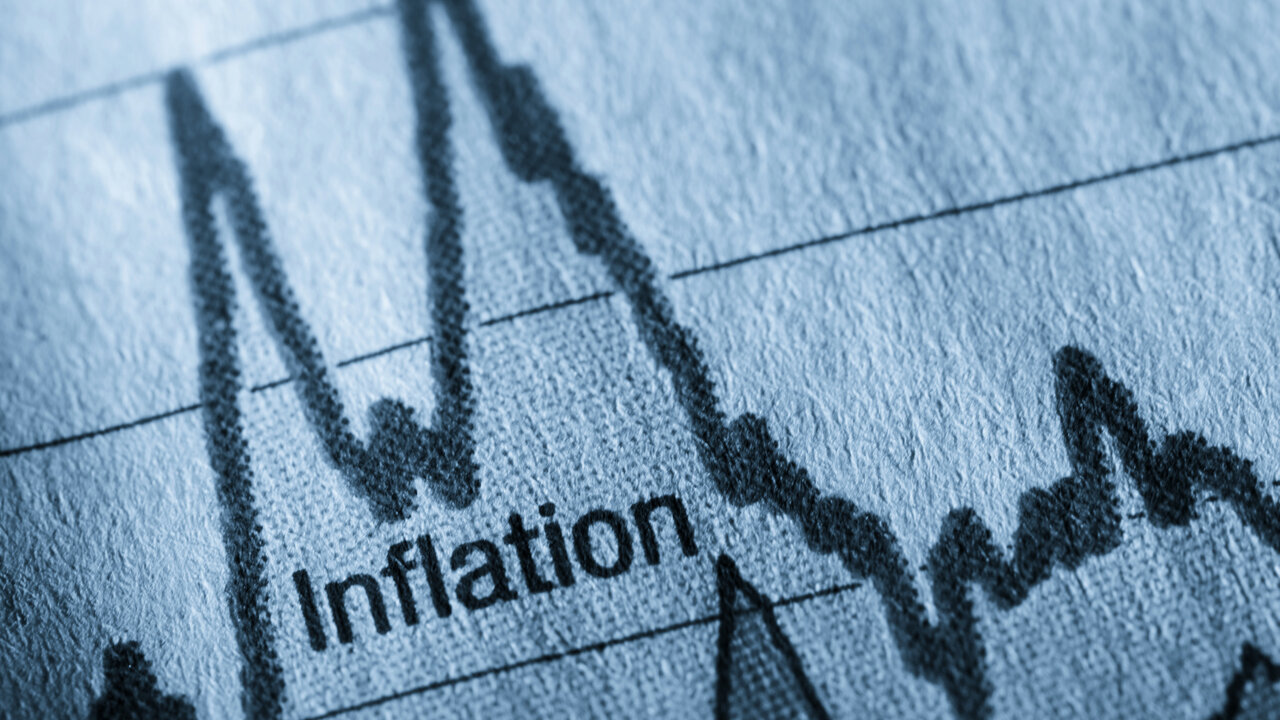
Nigeria’s headline inflation rate saw its first decline in over a year, dropping to 33.40% in July 2024 from 34.19% in June 2024, according to the National Bureau of Statistics (NBS). This marks a significant shift, as inflation has been steadily rising since December 2022, when it last decreased to 21.34%.

The slight decrease of 0.79 percentage points in the headline inflation rate signals a potential stabilization in the country’s inflationary pressures, though inflation remains high compared to previous years.

The NBS report highlights that the headline inflation rate for July 2024 was still 9.32 percentage points higher than the 24.08% recorded in July 2023, showing that inflationary pressures continue to persist on a year-on-year basis.

On a month-to-month basis, the inflation rate also saw a minor dip, with a 2.28% increase in July 2024 compared to the 2.31% rise in June 2024, reflecting a modest reduction in price increases for goods and services.

Key Contributors to Inflation

The most significant contributors to inflation in July 2024 were food and non-alcoholic beverages, which made up 17.30% of the year-on-year inflation, followed by housing, water, electricity, gas, and other fuels, contributing 5.59%. Despite the overall decline, these categories remain key drivers of inflationary trends in the country.

Core Inflation on the Rise

While headline inflation showed a slight decline, core inflation—which excludes volatile items like food and energy—continued to rise.

On a year-on-year basis, core inflation surged to 27.47% in July 2024, up from 20.47% in July 2023, marking an increase of 6.99 percentage points.

Month-on-month core inflation also increased slightly, rising to 2.16% in July 2024 from 2.06% in June 2024. The 12-month average for core inflation stood at 24.65%, compared to 18.84% in the same period the previous year.

Food Inflation Declines

Food inflation, a significant driver of overall inflation in Nigeria, showed signs of easing in July 2024. On a year-on-year basis, food inflation stood at 39.53%, up from 26.98% in July 2023, driven by higher prices of staples like semovita, yam flour, and wheat flour.

However, on a month-on-month basis, food inflation declined slightly to 2.47%, down from 2.55% in June 2024. The slowdown in food inflation can be attributed to a deceleration in the price increases of certain food items, such as tin milk, fresh fish, and garri.

Urban and Rural Inflation Trends

Inflation rates in urban and rural areas displayed different trends. The urban inflation rate for July 2024 reached 35.77% year-on-year, up from 25.83% in July 2023, while the month-on-month urban inflation rate remained nearly unchanged at 2.46%.

Rural inflation, on the other hand, was recorded at 31.26% year-on-year, compared to 22.49% in July 2023. On a month-on-month basis, rural inflation saw a slight decrease, falling to 2.10% in July 2024 from 2.17% in June 2024.

These numbers suggest that inflationary pressures are being felt more acutely in urban areas, though both urban and rural regions continue to experience high price increases.

Regional Breakdown of Inflation

On a regional basis, inflationary pressures varied across the country. The highest year-on-year inflation rates were recorded in Bauchi (46.04%), Jigawa (40.77%), and Kebbi (37.47%). In contrast, Benue (27.28%), Delta (28.06%), and Borno (28.33%) experienced the slowest year-on-year inflation.

However, on a month-on-month basis, Abuja, Borno, and Enugu recorded the largest inflation increases, while Taraba, Kwara, and Ondo saw the slowest price rises.

Food Inflation by Region

For food inflation, Sokoto (46.26%), Jigawa (46.05%), and Enugu (44.06%) led the way in year-on-year increases, while Adamawa, Bauchi, and Benue saw the slowest growth. Month-on-month, the states of Borno, Sokoto, and Enugu recorded the highest food inflation increases, while Kwara, Taraba, and Ondo saw the slowest month-on-month growth in food prices.

The drop in inflation comes at a critical juncture as the Nigerian government continues its efforts to stabilize the economy. Among its recent interventions are zero percent import duty and exemption of value-added tax (VAT) on several essential food items, which was announced last month.

This initiative is set to run until December 31, 2024, and is aimed at alleviating the high cost of basic commodities like maize, millet, rice, and wheat in the Nigerian market. The core objective of the policy is to reduce the price of staple foods that have become increasingly expensive due to inflationary pressures, supply chain disruptions, and a declining local agricultural output.

However, the decline in inflation rates is considered too little to effect a significant reduction in the cost of goods and services.

The overall slight decline in inflation rates may signal the beginning of a stabilization phase, but with inflation still elevated compared to historical norms, economists are advocating continued policy measures to ensure that the country can sustain these improvements and support both businesses and consumers through this period of economic recovery.
10K Silk Road BTC ($593.5M) moved to Coinbase Prime

0

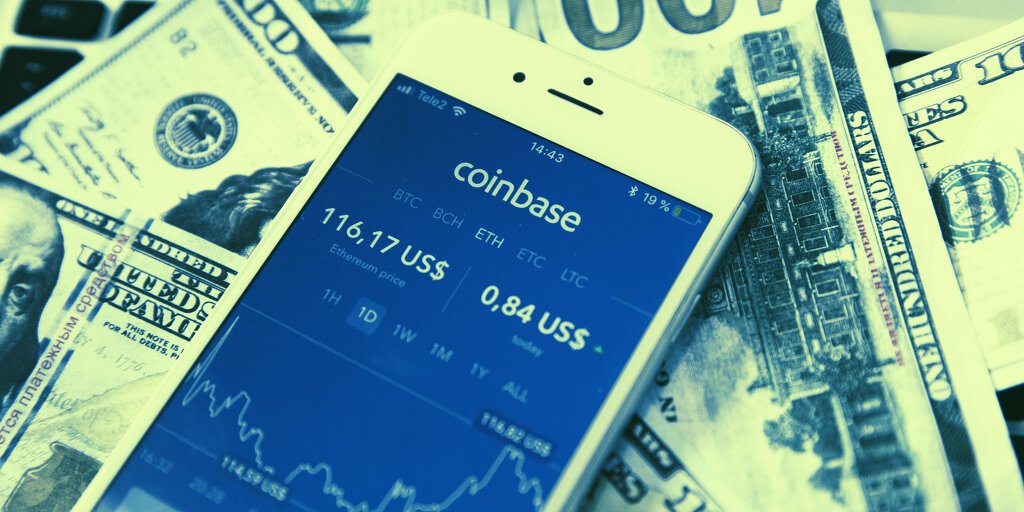
In a move that has caught the attention of the cryptocurrency community, the U.S. government has transferred a significant amount of Bitcoin, originally seized from the Silk Road marketplace, to Coinbase Prime. This transaction involves approximately 10,000 BTC, valued at nearly $593.5 million, marking a notable event in the ongoing narrative of the infamous Silk Road case.

The Silk Road, an online black-market platform, was shut down by the FBI in 2013, and its assets were subsequently seized, including a large amount of cryptocurrency. Over the years, the handling of these assets has been a subject of interest for both the government and the public, especially considering the volatility and substantial value of Bitcoin.

The recent transfer to Coinbase Prime does not necessarily indicate an immediate sale of the assets. According to reports, the U.S. Marshals Service, which is responsible for managing seized assets, has established a partnership with Coinbase Prime to “safeguard and trade” large-cap digital assets. This move could be part of a strategy for asset management rather than liquidation.

The market’s reaction to such transfers is always a point of speculation. In this case, Bitcoin’s price remained relatively stable around $59,000, despite a brief decline from $61,000 earlier in the day, which occurred before the transaction. This suggests that the market may not have been significantly impacted by the government’s transfer, at least in the immediate aftermath.

The history of the Silk Road Bitcoin is a complex one, with the U.S. Department of Justice seizing over 50,000 BTC in 2022 and arresting James Zhong, who pleaded guilty to wire fraud related to the dark web marketplace. The last confirmed sale of Silk Road assets by the government took place in March 2023, when nearly 9,861 coins were sold for $216 million.

The management of seized cryptocurrencies presents unique challenges and requires a specialized approach. When law enforcement agencies seize digital assets as part of criminal investigations, they must navigate a complex landscape to ensure these assets are handled correctly.

Once suspicious activity involving cryptocurrencies is identified, several steps are taken, which may include freezing the assets, seizing them, and eventually forfeiting them. Cryptocurrency platforms play a crucial role in this process by using compliance tools to monitor transactions and flag any suspicious activity. If a transaction is deemed suspicious, the platform may take actions such as submitting a suspicious activity report, requesting an explanation from the user, restricting transaction amounts, temporarily freezing funds, or banning the user.

For law enforcement agencies, the process involves safely tracking, storing, and potentially selling the seized cryptocurrencies. This requires a secure end-to-end solution that can handle the tracking and realization of forfeited assets. Agencies like the U.S. Marshals Service (USMS), which is the primary custodian for the Department of Justice’s seized assets, have implemented safeguards for the storage and access to seized cryptocurrencies. However, challenges such as comprehensive inventory management and the establishment of clear policies and procedures for asset management remain.

The USMS has been working towards outsourcing the management of its seized cryptocurrency to address some of these challenges. This move is expected to assist in improving the management and tracking of these digital assets. The outsourcing contract aims to provide a more structured and efficient approach to handling the complexities of cryptocurrency asset management.

Asset management for seized cryptocurrencies involves a multi-faceted approach that includes monitoring, reporting, seizing, and forfeiture processes. It requires collaboration between cryptocurrency platforms and law enforcement agencies, along with the implementation of secure systems and clear policies to manage these digital assets effectively. As the cryptocurrency market continues to evolve, so too will the strategies for managing seized assets, highlighting the need for ongoing adaptation and expertise in this field.

As of now, wallets linked to the U.S. government hold an estimated $12 billion in BTC, along with smaller amounts of other cryptocurrencies. The management and potential sale of these assets are closely watched by the crypto community, as they can have significant implications for the market.

The Silk Road Bitcoin transfer to Coinbase Prime is a reminder of the ongoing intersection between law enforcement, government asset management, and the dynamic world of cryptocurrency. It underscores the importance of transparency and strategic planning in handling assets that have the power to influence market movements and investor sentiment.

The Big Irony on FX Policy As Nigeria Goes for Dollar-denominated Domestic Bond

0

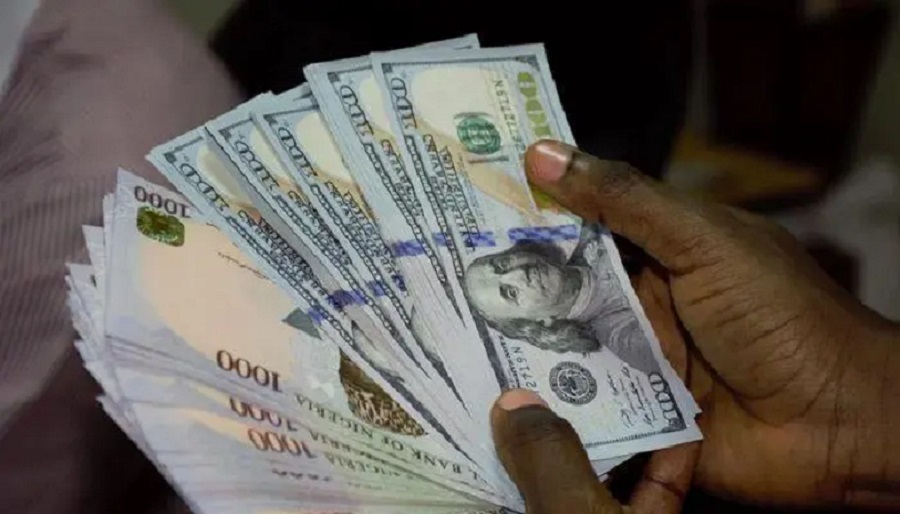
It is here – dollar-denominated domestic bond hits Nigeria, and that means you can earn interests on those US dollars if you make them available to the government: “The Federal Government of Nigeria is preparing to issue its first-ever dollar-denominated domestic bond on Monday, aiming to raise $500 million from a mix of local and international investors…Initially, the federal government aims to raise $500 million through the bond issuance. However, according to an auction circular, the government is targeting $1 billion in subscriptions and could potentially upsize the bond program to $2 billion, depending on demand.”

It could hit $5 billion depending on the yield rate. Does anyone here know the yield rate as it is not indicated in the piece?

Left and Right: When a bird leaves the ground and perches on the ant-hill, it is still very much on the ground. Nigeria promised to disconnect the nation from the US dollar, and today, it is issuing US dollar bonds locally. Simply, it does not see value on its currency, and that is why it has to pursue this path LOCALLY.

I hope it works because if you annihilate your currency to the point that having piles of it does not help you do great things, it could be extrapolated that recent policies may indeed be pure own goals. But hey, we continue to believe.

Poor Naira will struggle over this.

The government wants to entice us to bring those hidden US dollars which are in special bunkers into the banking system in Nigeria. Possibly, if you have US dollars under your pillow when you see the promise of getting that money back with interest, you will participate in the bond offering. This one is home, and domestic, which means villagers in Ovim, Abia State, can participate.

Are you excited already? Yes, the promise is to lend USD dollars, and be paid back in USD dollars with interest, by the Nigerian government. You have been waiting for that, and the government is going to make it possible soon.

As a village boy, the idea is good on paper, but this policy will destroy Naira further. Yes, he is coming again. Hold on – and chill. My point is simple: if you allow Nigerians to invest in USD to be paid interest in USD, people will sell Naira to look for USD to invest in this bond. In other words, Naira will weaken because this bond will put pressure on the local currency.

The implication is this: as the nation hopes to attract some local USD into the system, there is a risk of messing up Naira further in the process. In other words, the government is bringing this fight home, no more in New York or London, and Naira may not be prepared.

Comment on Feed

Comment: Well, let’s hope it will bring out those funds that have been hidden in overhead tanks and under the ground in Ghana-must-go bags

My Response: Naira will hit N2,000 as most will buy USD to invest. Hidden dollar criminals do not believe in a 3-10% annual yield rate – they get 10,000% overnight. I do not expect them to participate.

Nigerian Government to Issue $500m First Domestic Dollar Bond on Monday

CBN’s July 2024 PMI Report Reveals Continued Employment Contraction

0

The latest Purchasing Managers’ Index (PMI) report from the Central Bank of Nigeria (CBN) for July 2024 underscores persistent challenges in Nigeria’s labor market, revealing that the Composite Employment Index has continued its downward trajectory for the seventh consecutive month.

The index registered at 48.7 points, indicating a contraction, though it showed a modest improvement from June’s 48.3 points. Despite the slight uptick, the sustained contraction highlights the ongoing difficulties businesses face in maintaining or expanding their workforce in the face of growing economic headwinds.

The report noted, “At 48.7 index points, the Composite Employment Level indicated contraction in July 2024 for the seventh consecutive month. The index improved in July 2024 compared to the 48.3 points recorded in the previous month.”

Employment Levels in Key Sectors

The downturn in employment levels was widespread across various sectors, with 18 subsectors reporting contractions. Notably, the Printing & Related Support Activities subsector experienced the most significant decline, reflecting the broader struggles of industries grappling with operational challenges.

On the other hand, the Primary Metal subsector remained stable, with no changes in employment levels, while 17 subsectors, including the Petroleum & Coal Products subsector, reported increases, with the latter showing the highest employment levels.

“Eighteen subsectors reported a contraction in Employment, with Printing & Related Support Activities recording the highest decline in the review month. The Primary Metal subsector remained unchanged, while the remaining 17 subsectors reported increased Employment Levels, with the Petroleum & Coal Products subsector having the highest Employment Level,” the report said.

The PMI, which gauges the economic health of the manufacturing, services, and agricultural sectors, painted a nuanced picture. While there was a marginal improvement in the employment index, the overall contraction in employment levels across these sectors signals ongoing challenges. The industrial sector, in particular, saw its employment index dip to 47.0 points, underscoring persistent workforce reductions in critical subsectors such as Printing & Related Support Activities and Primary Metal.

In contrast, the services sector remained flat at 50.0 points, with growth in some subsectors offset by declines in others. The agricultural sector also continued its downward trend, with the employment index falling to 47.8 points, driven by significant declines in the Fishing/Fish Farming and Livestock subsectors.

The broader economic situation remains troubling, with the most recent unemployment data from the National Bureau of Statistics (NBS) showing an increase in Nigeria’s unemployment rate to 5.0% in the third quarter of 2023, up from 4.2% in the previous quarter. This uptick in unemployment, coupled with the declining labor force participation rate, underscores the urgent need for effective policy interventions to address the labor market’s fragility.

The CBN’s PMI report also highlighted a continued contraction in economic activities, marking the 13th consecutive month of decline since June 2023. Despite a slight improvement, with the PMI standing at 49.7 points in July compared to 48.8 points in June, the data still signals a contraction in economic activities. This improvement was driven by expansions in output level, suppliers’ delivery time, and stock of inventory, even as new orders and employment contracted during the period.

Government’s Tax Breaks to Spur Employment

Against the backdrop of a declining employment rate, the Nigerian government has introduced tax incentives aimed at encouraging companies to boost their workforce. Under this new initiative, companies that significantly increase their employment levels will be eligible for substantial tax breaks. This policy is part of a broader strategy to stimulate job creation and mitigate the ongoing contraction in the labor market.

The ongoing contraction in employment levels, despite slight improvements, points to deep-seated issues within Nigeria’s economy, according to economists. While analysts have lauded the government’s tax incentive program, they warned that the effectiveness of such measures will depend on their ability to address the underlying challenges faced by businesses across various sectors.

Nigerian Government to Issue $500m First Domestic Dollar Bond on Monday

0

The Federal Government of Nigeria is preparing to issue its first-ever dollar-denominated domestic bond on Monday, aiming to raise $500 million from a mix of local and international investors. This groundbreaking move comes as the government seeks to diversify its funding sources and attract foreign investment into the country.

The announcement, made by Dr. Gbadebo Adenrele, Managing Director of Investment Banking at United Capital Group, during a hybrid roadshow organized by the Debt Management Office (DMO), signals a pivotal moment in Nigeria’s financial markets. Adenrele confirmed that the auction will open next week on Monday, with more details to be communicated to investors.

This bond offering is particularly significant for several reasons, not least because it marks Nigeria’s first foray into issuing a dollar-denominated bond domestically. The five-year bond will offer bullet repayment at maturity in U.S. dollars, with the principal repaid in full at the end of the term. Investors can look forward to semi-annual interest payments, making the bond attractive to both domestic and foreign investors seeking a stable income stream.

According to Adenrele, “The principal will be repaid after five years, with interest payments made every six months. This structured repayment schedule is designed to provide confidence to investors.”

The bond will be listed on both the Nigerian Exchange (NGX) and the Financial Market Dealers Quotation (FMDQ) platforms, enhancing its accessibility to a broader range of investors.

Wale Edun, Nigeria’s Minister of Finance and Coordinating Minister of the Economy, emphasized the government’s readiness to launch the bond, expressing confidence that the initiative would attract strong investor interest despite the current political climate.

Edun acknowledged the delicate balance between maintaining reforms and addressing public concerns, but he noted that the bond is a critical part of the government’s broader economic strategy.

“In the financial market, you never know. When you wake up and you see an event that helps the issue, you will take advantage of it. But we can assume that we are imminently about to launch. We are eagerly looking forward to not just the funds but the experience of Nigerians taking leadership in this all-important area,” Edun said.

He added that the bond would provide much-needed capital to fund sectors vital for economic growth, calling it “another arrow in the quiver” of Nigeria’s financial strategy.

The Director General of the Debt Management Office, Patience Oniha, also expressed optimism about the auction, noting that the settlement date for the domestic dollar bond would likely be 10 days after the auction date. The swift settlement timeline reflects the government’s eagerness to deploy the funds to stimulate key sectors of the economy.

Expansion of the Bond Program and Subscription Targets

Initially, the federal government aims to raise $500 million through the bond issuance. However, according to an auction circular, the government is targeting $1 billion in subscriptions and could potentially upsize the bond program to $2 billion, depending on demand.

The flexible structure of the bond issuance allows the government to adjust the offer size if investor appetite exceeds initial expectations, providing an opportunity to raise more funds to meet its development goals.

The bond program offers a minimum subscription of $10,000, with additional investments accepted in multiples of $1,000. This entry point is designed to attract a wide range of investors, from institutional players to high-net-worth individuals, both in Nigeria and abroad. The bond’s listing on the NGX and FMDQ will further ensure liquidity and accessibility, appealing to a diverse investor base.

Strategic Use of Proceeds and Tax Incentives

The proceeds from the bond will be ring-fenced and invested in critical sectors as determined by the President, based on the recommendation of the Minister of Finance. The National Assembly will be involved in appropriating the funds, ensuring that the capital raised is directed toward sectors that can catalyze economic growth and development. This targeted approach aims to foster transparency and accountability, boosting investor confidence.

Moreover, the bond comes with significant tax benefits. Interest payments to bondholders will be exempt from income tax, enhancing the bond’s attractiveness. The Federal Inland Revenue Service (FIRS) has issued additional exemptions, which will further incentivize investment.

Investor Caution Stirred by Economic and Political Uncertainty

Investor sentiment toward Nigerian bonds has been cautious recently. This wariness stems from the nationwide protests that erupted early this month, which raised concerns that the government might reverse some of its key economic reforms.

The protests, sparked by the removal of fuel subsidies and other austerity measures, caused widespread discontent across various sectors of the economy. As a result, some investors feared that the government might backtrack on its market-friendly policies in an attempt to quell public unrest.

While the government has reaffirmed its commitment to reforms aimed at stabilizing the economy and improving fiscal discipline, many have expressed concerns that further political pressure could force the government to reinstate costly subsidies or implement policies that may weaken the fiscal framework.

This cautious sentiment is reflected in the bond market, where yields on Nigerian bonds have been rising due to the perceived risk of policy reversals. Investors are closely watching how the government balances its reform agenda with the need to maintain social stability. Nevertheless, the government remains optimistic that the dollar-denominated bond will attract significant interest, particularly due to its unique structure and tax incentives.

To mitigate investor concerns, business leaders say the government will need to communicate clearly its long-term economic vision, emphasizing that it remains committed to its reforms despite the political pressure. They note that a stable political environment, coupled with a continued focus on structural reforms, could help reassure investors and pave the way for the success of this bond issuance and future debt instruments.