Morgan Stanley has appointed Amy Oldenburg as Head of Digital Asset Strategy, a newly created role announced in late January 2026. This move signals the investment bank’s accelerating push into cryptocurrencies, blockchain, and tokenized assets, building on recent developments in the space.
Oldenburg is a longtime Morgan Stanley executive with over 20 years at the firm. She previously led emerging-markets equity within Morgan Stanley Investment Management and oversaw digital asset initiatives in that unit.
The position sits within the bank’s firmwide strategy and execution efforts, coordinated via an internal memo from co-presidents Andy Saperstein and Dan Simkowitz. This appointment comes shortly after Morgan Stanley filed in early 2025 to launch spot ETFs for Bitcoin (BTC), Solana (SOL), and potentially staked Ethereum, aiming to provide regulated exposure to these assets for its wealth management clients serving around 19 million through its division.
The bank is also preparing to offer direct cryptocurrency trading on its ETrade platform in the first half of 2026, partnering with Zerohash for infrastructure and starting with BTC, ETH, and SOL. Additionally, Morgan Stanley plans to introduce a proprietary digital wallet later in 2026, supporting cryptocurrencies as well as tokenized real-world assets like stocks, bonds, and real estate.
This aligns with broader efforts to integrate digital assets into traditional finance, including cautious client guidance—such as viewing Bitcoin as “digital gold” and suggesting modest allocations (2-4%) for speculative exposure. The role helps coordinate these initiatives, from product development and partnerships to risk management, as institutional adoption grows amid evolving regulations and mainstream integration.
This reflects a trend among major Wall Street firms embracing digital assets more fully in 2026, moving beyond passive exposure to active infrastructure and client offerings. The news has been widely covered in financial and crypto media, with positive sentiment on platforms like X highlighting it as a sign of “institutional normalization.”
The new role, created firmwide and reporting through strategy and execution leadership (co-presidents Andy Saperstein and Dan Simkowitz), centralizes oversight of disparate digital asset efforts.
Oldenburg, a 20+ year veteran who previously led emerging markets equity and digital initiatives in Morgan Stanley Investment Management, brings deep institutional expertise to align product development, partnerships, risk management, and client offerings.
This helps avoid siloed execution as the bank ramps up multiple fronts simultaneously. As a major player with trillions in assets under management and millions of wealth management clients including ~19 million via its division, Morgan Stanley is transitioning from cautious observation to active participation.
This positions it to capture market share in a space where competitors like BlackRock via massive Bitcoin ETF inflows and JPMorgan (blockchain platforms) have already advanced.
The hire follows closely on major 2025-2026 moves: filings for spot Bitcoin (BTC) and Solana (SOL) ETFs (early 2025/2026), a staked Ethereum (ETH) product, direct crypto trading on ETrade (BTC, ETH, SOL starting H1 2026), and a proprietary digital wallet for cryptocurrencies plus tokenized real-world assets (RWAs like stocks, bonds, real estate, and potentially private equity).
This reflects Wall Street’s shift from viewing crypto as speculative to treating it as a core asset class—often likened to “digital gold” with modest recommended allocations (2-4%).
By integrating regulated products into brokerage platforms, retirement accounts, and advisor portfolios (removing high minimums in some cases), Morgan Stanley broadens crypto exposure beyond high-net-worth or crypto-native investors. This could drive mass adoption, especially among younger, tech-savvy clients, while providing safer, compliant entry points.
Institutional giants entering with ETFs, wallets, and direct trading increases legitimacy, potentially attracting billions in new capital. Recent spot Bitcoin ETF inflows already show momentum; Morgan Stanley’s scale could amplify this, supporting price stability and growth in BTC, ETH, SOL, and tokenized assets.
This intensifies rivalry in custody, tokenized assets, and infrastructure. Banks are racing to modernize with Morgan Stanley’s push contributing to a “battleground” in institutional crypto services. It also highlights trends like self-custody emphasis (Oldenburg has noted “not your keys, not your coins” for emerging markets) alongside regulated wrappers.
Success depends on approvals, evolving U.S. rules like CLARITY Act progress, and balancing innovation with compliance/risk. Broader shifts e.g., potential consumer moves away from traditional deposits toward stablecoins/on-chain finance could impact credit creation and stability.
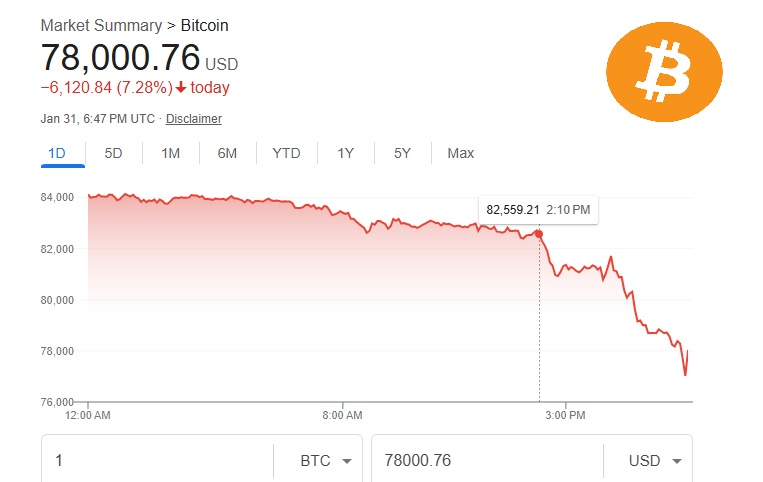
While positive for long-term integration, short-term crypto volatility remains, with some viewing bank involvement skeptically. However, sentiment on platforms like X largely frames this as bullish “institutional normalization.”
This move underscores 2026 as a pivotal year for crypto’s convergence with traditional finance—shifting from fringe experimentation to structured, scalable mainstream integration. It’s a clear vote of confidence in digital assets’ staying power, likely accelerating adoption across wealth management and beyond.
Like this:
Like Loading...