U.S. consumer prices are expected to have risen at their fastest pace in a year and a half in November, a development that would reinforce growing concerns about affordability pressures facing American households and keep the Federal Reserve cautious on further interest rate cuts.
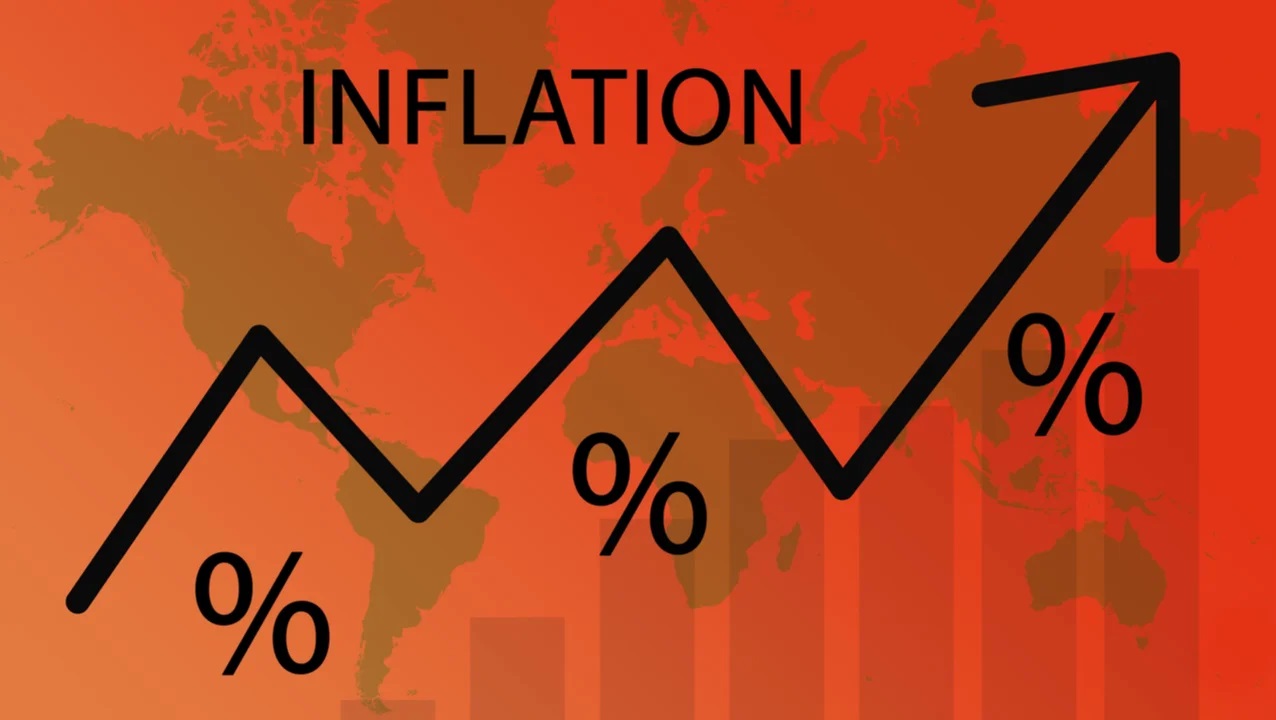
Economists polled by Reuters estimate that the Consumer Price Index (CPI) climbed 3.1% year-on-year in November, up from 3.0% in September and the strongest increase since May 2024. If confirmed, the data would signal that the slowdown in inflation seen earlier in the year has lost momentum, even as policymakers had hoped price pressures were easing sustainably.
The November figures, however, come with unusual complications. The Labor Department’s Bureau of Labor Statistics (BLS) will publish only year-on-year inflation rates when it releases the delayed CPI report on Tuesday, after a 43-day government shutdown disrupted data collection. Month-to-month price changes will not be available, and the October CPI report was canceled entirely because prices could not be collected retroactively.
The shutdown has already made history, with the government failing to publish an unemployment rate for October for the first time ever. While the BLS said it will release some additional price indexes that do not rely on in-person data collection, it cautioned that “the number of publishable indexes will be small,” and acknowledged it “cannot provide specific guidance to data users for navigating the missing October observations.”
As a result, economists are urging caution in interpreting the data, advising analysts and investors to focus on year-on-year trends or two-month changes rather than short-term movements.
“Downward inflation progress has stalled,” said Andy Schneider, senior U.S. economist at BNP Paribas. “This largely reflects companies in goods-producing sectors passing tariff costs through into prices.”
Tariffs imposed under President Donald Trump’s trade policy have increasingly become a central factor in the inflation narrative. While the impact was initially muted as businesses ran down inventories accumulated before the duties took effect or absorbed some of the costs themselves, economists say that strategy is nearing its limits.
“Retailers are in the middle of the process of pushing tariffs onto consumers, and had passed on about 40% of the total by September,” said Samuel Tombs, chief U.S. economist at Pantheon Macroeconomics. “We expect that proportion to climb gradually to 70% by March and then stabilize.”
That shift is expected to weigh most heavily on lower-income households, who typically have little savings to cushion higher prices and have seen slower wage growth compared with higher earners. Economists say this dynamic is amplifying the political sensitivity of inflation, which remains one of the most visible economic issues for voters.
Trump, who won the 2024 presidential election after campaigning on promises to rein in inflation, has in recent weeks offered mixed messaging, alternately dismissing affordability concerns, blaming his predecessor Joe Biden, and pledging that Americans will begin to see the benefits of his policies next year.
The November CPI could still come in below expectations, some economists caution, because the delayed data collection may have captured a period later in the month when retailers rolled out holiday discounts. That effect could show up in categories such as furniture and recreational goods.
“November CPI this year could capture a period that more heavily reflects holiday season discounts than a usual November,” said Veronica Clark, an economist at Citigroup. “If there is some abnormal weakness in November goods prices, there could be a larger rebound in these components in December.”
Core inflation, which strips out volatile food and energy prices, is expected to rise 3.0% year-on-year in November, matching September’s pace. Higher rents and goods prices are likely to keep core inflation elevated, though declines in airfares and hotel and motel rates could provide some offset.
Federal Reserve officials remain focused on inflation measures tied to the Personal Consumption Expenditures (PCE) index, which underpins the central bank’s 2% target. Those figures are also facing delays. October’s Producer Price Index report was canceled, November’s PPI is now due in mid-January, and the government has yet to announce a new release date for November’s PCE data. Both headline and core PCE inflation were well above target in September.
Against this backdrop, the Fed last week cut its benchmark interest rate by 25 basis points to a range of 3.50% to 3.75%, but signaled that further reductions are unlikely in the near term. Policymakers say they need clearer evidence that inflation is moving decisively lower and that the labor market remains on solid footing.
Fed Chair Jerome Powell was blunt about the source of recent price pressures, telling reporters that “it’s really tariffs that are causing most of the inflation overshoot.”
Some relief could eventually come from the White House’s decision to roll back duties on a limited number of goods, including beef, bananas, and coffee. Economists warn, however, that price reductions tend to lag policy changes and may not be immediately visible to consumers.
“With the tendency for firms to revisit pricing decisions at the start of the calendar year, we see the potential for another burst of goods inflation in the first quarter,” said Sara House, senior economist at Wells Fargo.
Currently, the November inflation report is expected to confirm what many households already feel: price pressures remain stubborn, policy uncertainty is high, and the path back to stable, broadly affordable prices is proving slower and more uneven than hoped.