Have you ever wondered how physicians progressed from cluttered paper charts to programs that can identify disease in milliseconds?
Once upon a time, not too long ago, every diagnosis began with… a clipboard. Penmanship. Folder-stuffed filing cabinets. Faxed test results.
Today, most of that work happens on a screen. And that shift has changed:
- How fast doctors find answers
- How many mistakes slip through
- What happens when things still go wrong
Here’s the problem:
Improved technology hasn’t eliminated diagnostic errors either. According to STAT news, approximately 371,000 people die every year because of a misdiagnosis. Furthermore, 424,000 individuals are permanently disabled as a result of a misdiagnosis.
Smarter systems help. But they don’t fix everything.
Let’s take a closer look…
Here’s what’s inside:
- Why Diagnostic Workflows Matter
- The Paper Chart Era
- The Switch To Electronic Records
- How Smart Systems Changed Diagnosis
- Where Things Still Go Wrong
Why Diagnostic Workflows Matter
A diagnostic workflow is just the journey a patient makes from “something feels wrong” to “here’s what it is.”
One pathway = first visit, tests, results and follow-up. If one link is broken, the diagnosis is lost.
And when it does, the damage isn’t only physical.
Patients who have suffered because of a misdiagnosis can sustain two types of harm. Economic damages include things like medical expenses and lost income. Non-economic damages encompass the more intangible losses — pain and suffering, emotional distress and diminished quality of life. States often limit the amount of non-economic damages a jury can award victims. Florida’s Supreme Court unanimously ruled such caps were unconstitutional in 2014 and 2017 decisions. The justices have not relented since, and lawmakers have discussed reinstating the caps regularly.
Why does this matter here?
The method used to reach a diagnosis — whether it’s on paper or via computer screen — creates a paper trail. And that paper trail often determines what can be substantiated later.
The Paper Chart Era
For most of the last century, medicine ran on paper.
Your health history lived inside of a big fat folder. See 3x doctors? Bet you had 3x different folders. And none of them communicated with each other.
That created some big risks:
- Messy handwriting led to wrong readings
- Test results got lost or filed in the wrong place
- Past symptoms were buried deep in the chart
Think about it:
A physician in a hectic ER had seconds to decide. Paging through 50 pages of notes wasn’t possible. So critical information was omitted.
Doctors did care. It was just difficult to get the big picture from within the system.
The Switch To Electronic Records
Then came electronic health records (EHRs).
The big push began around 2009 when federal incentives started financially rewarding hospitals that went digital. And hospitals went digital fast. By 2024, more than 99 percent of non-federal acute care hospitals had certified EHRs in place. By comparison, less than 10 percent had fully electronic records in 2008.
That’s a massive jump.
What problems did EHRs solve? A patient’s entire history was available instantly. Labs appeared automatically in the record. Alerts for allergies and previous drugs popped up on screen.
Pretty cool, right?
But here’s the kicker…
Of course, EHRs created problems of their own. Physicians began clicking checkboxes rather than actually observing their patients. So many alerts appeared that most were ignored. “Alert fatigue” became a dangerous possibility in hospitals everywhere.
How Smart Systems Changed Diagnosis
Today’s tools go way beyond digital filing cabinets.
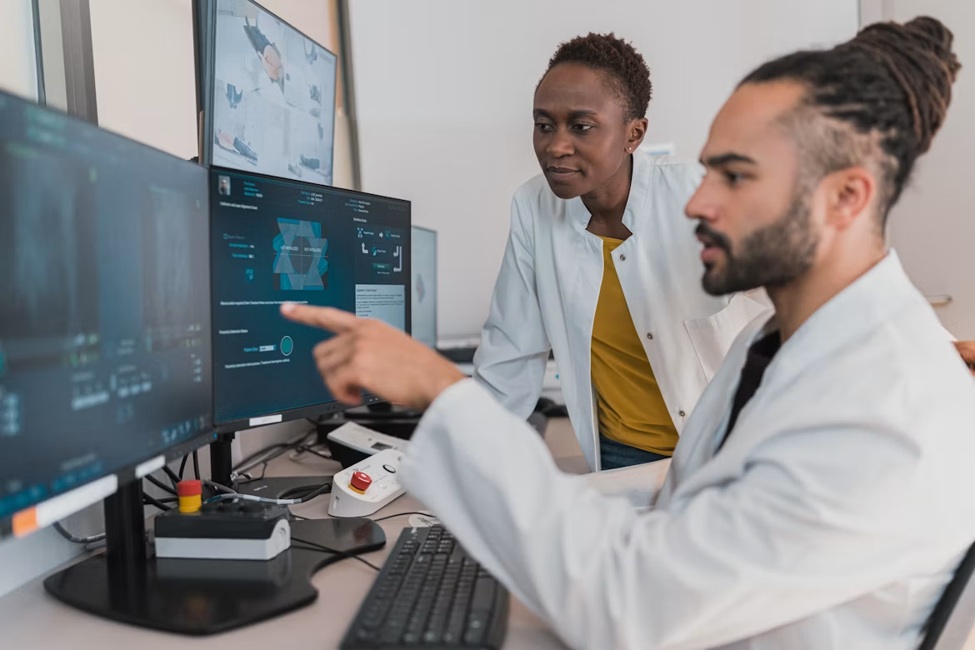
Smart systems are already beginning to incorporate artificial intelligence (AI) and clinical decision support to facilitate physician clinical reasoning. They can:
- Scan X-rays for early signs of disease
- Suggest possible conditions based on symptoms
- Warn doctors when a test result needs follow-up
For instance, some hospitals have implemented software that monitors vital signs as they happen. If a patient begins exhibiting early symptoms of sepsis, the system alerts clinicians before the condition becomes severe.
That’s a huge step forward.
Sepsis, stroke and cancer are among the most commonly missed diagnoses. Early-detection tools that identify these diseases can prevent heartache and save lives.
But remember…
These tools only work when utilized properly by physicians. An intelligent alarm is useless if there is no response.
Where Things Still Go Wrong
Technology changed the tools. It didn’t change human nature.
Mistakes still happen for a few simple reasons.
Rushed Appointments
Physicians may spend 15 minutes or less with each patient. That’s barely enough time to ask good questions. Strange symptoms are dismissed as “not serious.”
Missed Follow-Ups
A test gets ordered. The result comes back abnormal. But nobody calls the patient.
One of the most prevalent gaps within today’s workflows. Someone needs the data…it’s right there in the system…but never makes it into the hands of that person.
Too Much Trust In Software
Smart systems are useful but they aren’t flawless. If a doctor relies too heavily on what a computer thinks, they may forget to double check themselves. Artificial intelligence can make mistakes as well.
Systems That Don’t Talk
Hospitals often use different programs. When a patient changes providers records don’t always transfer. That could leave a physician with only half the information.
What This Means For Patients
Here’s the good news:
You have more power than ever before.
Patient portals are now standard in most health systems. You can access your test results, notes and visit summaries. You can see them yourself, which means you can catch errors as well.
A few simple habits go a long way:
- Read your test results as soon as they’re posted
- Ask what the next step is before leaving any visit
- Keep a list of your symptoms and when they started
- Get a second opinion if something doesn’t feel right
It really is that simple.
Plus if something goes wrong digital data provides a black and white timeline of when what went wrong occurred.
The Road Ahead
Diagnostic workflows have evolved significantly. Paper charts were replaced by electronic health records… and now EHRs are starting to evolve into smart AI-powered systems.
Each step made it easier to:
- Find patient history fast
- Spot warning signs early
- Track what happened and when
However, even systems are imperfect. Missed handoffs, skipped follow-ups and poor communication continue to cause catastrophic injury.
Diagnostic accuracy is optimal when smart technologies and meticulous physicians collaborate. Patient engagement further reduces this risk of misdiagnosis.
Technology is a powerful helper. It’s just not a replacement for paying attention.