DD
MM
YYYY

PAGES

DD
MM
YYYY

spot_img

PAGES

Home Blog Page 3004

Subway calls ‘Emergency’ Meeting with Franchisees amid Sales Downturns

0

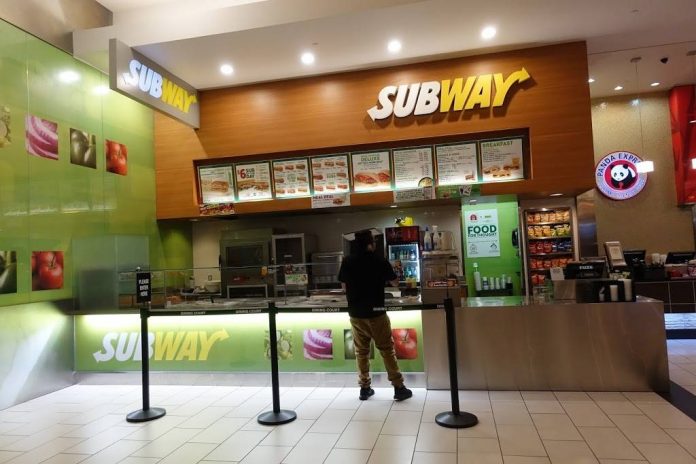
Subway, the global fast-food chain known for its submarine sandwiches, has recently found itself navigating through turbulent waters as sales have taken a significant downturn. In response to this challenging situation, the company convened a meeting with its North American franchisees to strategize on a path forward. This meeting, held on August 15, 2024, was a pivotal moment for the brand as it sought to address the concerns of its franchisees and outline a plan to recapture market share and customer traffic.

The decline in sales is not an isolated issue for Subway; it reflects a broader trend within the fast-food industry, where many chains are grappling with the task of attracting cost-conscious consumers in an inflationary economic climate. The competition is fierce, and brands like McDonald’s, Taco Bell, and Wendy’s have also been experimenting with aggressive pricing strategies to lure customers.

Subway’s recent acquisition by Roark Capital, a private equity firm, for $9 billion in May 2024, has added another layer of complexity to the situation. The acquisition process, which began in August 2023, faced delays due to a Federal Trade Commission (FTC) review. Now, under new ownership, Subway is under pressure to perform and deliver results to its stakeholders.

Franchisees have expressed concerns that the company’s aggressive discounting strategies, such as steep coupon offers, have not translated into the expected sales growth. Instead, these promotions have reportedly eroded profits, with some stores struggling to break even. The company’s data indicates significant drops in same-store sales, with some areas experiencing declines as steep as 10% compared to the previous year.

The fast-food industry is currently experiencing fierce competition, with many chains introducing aggressive pricing strategies to attract cost-conscious consumers affected by inflation. Subway’s situation is reflective of the broader struggles within the industry, as they attempt to navigate these challenges and find a path to recovery.

One of the key strategies highlighted was the evaluation of promotional offers. Subway has been experimenting with various coupon deals to attract customers, but the effectiveness of these promotions has been mixed. Some franchisees reported that despite the discounts, their sales did not meet expectations, and profitability was compromised.

Subway also addressed the need for strategic pricing in the competitive fast-food market. With competitors like McDonald’s, Taco Bell, and Wendy’s employing aggressive pricing strategies, Subway is looking to find a balance that will not only draw customers but also maintain profitability.

The meeting served as a platform for Subway to reassure its franchisees and outline a plan of action. While the specifics of the strategies were not publicly disclosed, the focus was clear: Subway aims to enhance its market presence and ensure that its franchisees can thrive even in challenging economic times.

The success of these strategies will depend on their implementation and the response from the market. Subway’s efforts to adapt and innovate in the fast-food industry will be closely watched by stakeholders and customers alike. The brand’s ability to navigate through these turbulent times will be a testament to its resilience and commitment to its franchisees and patrons.

The outcome of the meeting and the effectiveness of the new strategies remain to be seen. However, it is clear that Subway is taking steps to address the issues at hand and work collaboratively with its franchisees to improve the situation. The focus now shifts to the implementation of these strategies and their impact on Subway’s market position in the coming months.

SpaceX Starlink Could Win Nigeria’s Mobile Broadband Internet

0

Elon Musk has a clear plan: become the largest broader service provider in sub-Saharan Africa in this decade. In Nigeria, specifically, I do not expect most of the terrestrial telcos to invest significant amounts since they are logging losses every quarter: “Telecommunication companies expect a decline in investments in their network capabilities due to the negative return on capital recorded”.

But as that is happening. “Elon Musk’s Starlink is advancing a plan to enhance internet connectivity across Nigeria by establishing ground stations, signaling a major shift in the country’s telecommunications market.”

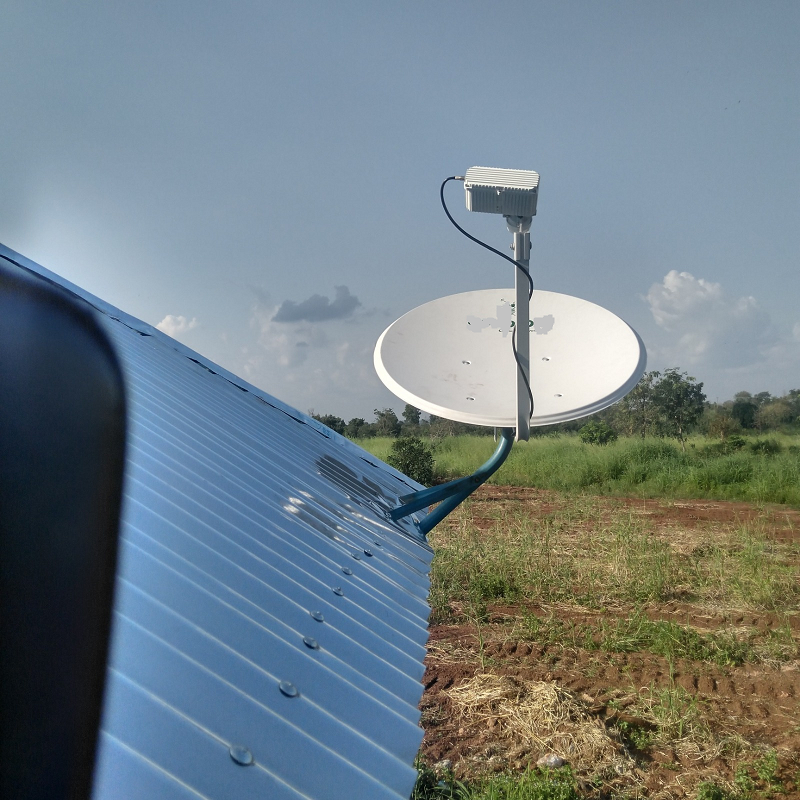
Starlink’s ground stations, also known as gateways, are vital for transmitting data between the company’s Low Earth Orbit (LEO) satellites and terrestrial internet infrastructures. These stations act as intermediaries, relaying data from the satellites to internet backbones on the ground and vice versa.

Through the establishment of local ground stations in Nigeria, Starlink aims to streamline data transfer, bypassing the need to route traffic through international data centers, which has traditionally been a bottleneck for Nigerian internet users. This would not only reduce latency but also enhance the overall performance and reliability of internet services in the country.

The CDMA companies destroyed the old NITEL cobwebs of wired telephony, the GSM took down the CDMA providers, and right now, satellite, and specifically SpaceX Starlink, is a threat vector to these GSM operators.

The GSM operators have no grand strategy for rural broadband service, Starlink via its distribution model has an opportunity therein. As Starlink builds these ground stations, expect a massive redesign in the industry.

To Starlink: the Ovim Community League – Diaspora Worldwide will fund 100% of a ground station if you decide to locate one in Ovim, Abia State. It will not cost you a single kobo or cent. We will also pay for all locally associated costs and will offer you FREE land.  Recently, we added a 28-room classroom in my alma mater – Secondary Technical School Ovim and I am supposed to be the alternate Physics supporting teacher, but poor networks from the telcos have not allowed me to teach.

Nigerian PhD holders will save for over 85 years to afford lawmakers’ N160m SUV – Obi

0

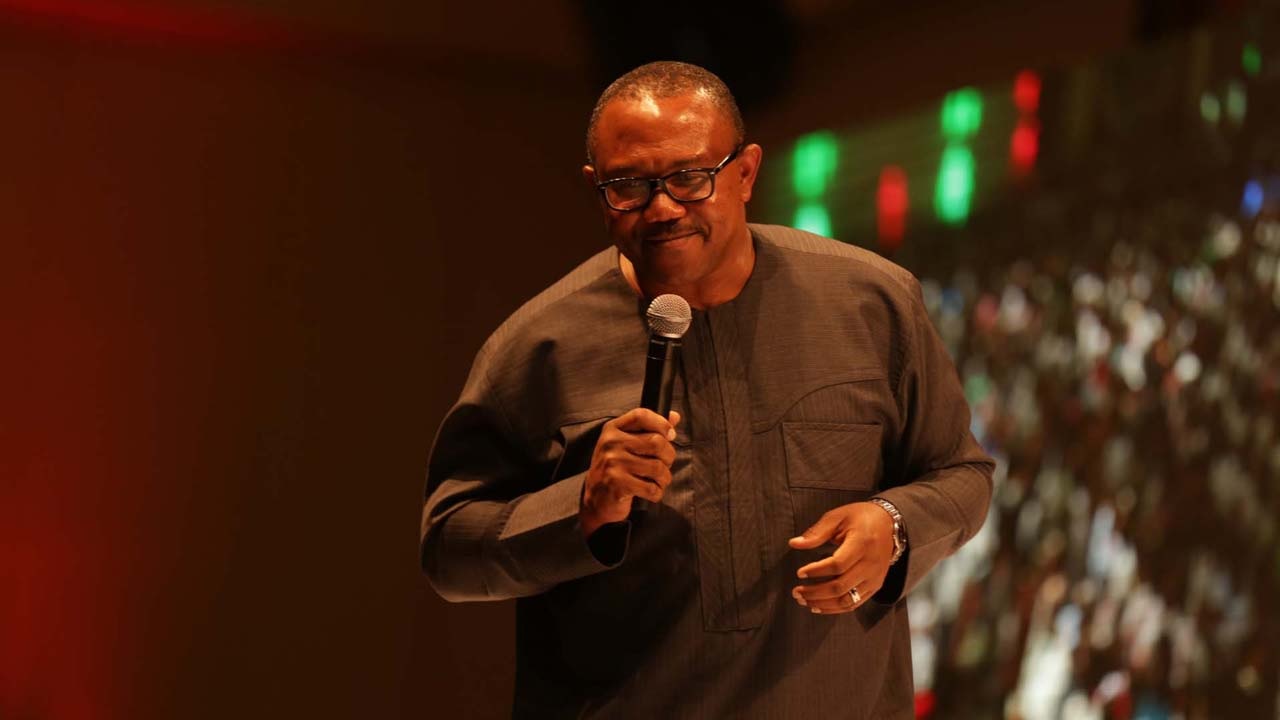
Peter Obi, the Labour Party’s presidential candidate in the 2023 general election, has expressed serious concerns over the pay disparity between Nigerian lawmakers and university lecturers, especially PhD holders.

He said given the current pay gap, Nigerian PhD holders will need to save for over 85 years to afford lawmakers’ N160m SUV. Obi’s remark is in response to the recent comments made by Chris Maiyaki, Executive Secretary of the National Universities Commission (NUC), regarding the state of Nigeria’s education system.

On August 13, during the 2024 Registry Lecture at Babcock University, Ogun State, Maiyaki acknowledged that Nigeria’s university system has experienced a significant decline over the last 30 years. He said that increasing the number of PhD holders could help address the decline in educational standards.

According to him, Nigerian graduates were once celebrated both locally and internationally, but today the system is beleaguered by several issues, including poor governance, academic corruption, and severe underfunding. He noted that the current state of tertiary education is fraught with social vices, economic pressure, manpower shortages, and the persistent disruption of academic calendars due to strikes.

“Some of these are also attributed to poor governance systems and also sometimes the broken family system. We have fallen short in procuring state-of-the-art museum modern current journals, books, and laboratory equipment in some cases,” Maiyaki explained.

He further highlighted that one of the solutions to these challenges would be the production of more PhD holders, which he believes would help stabilize the system.

“We need more PhDs; we need to stabilize. The system has suffered a lot of instability due to a combination of factors. We need sustained constant funding and so many things to be done,” he added.

However, Obi countered that while Maiyaki’s suggestion has merit, it overlooks fundamental obstacles. On August 16, Obi took to X (formerly Twitter) to voice his disagreement with Maiyki’s assertion, noting that the prolonged time it takes to earn a PhD in Nigeria and the inadequate compensation for academics makes it difficult to achieve Maiyaki’s proposed solution.

The former Anambra State governor explained that earning a PhD in Nigeria often takes a minimum of ten years following secondary education due to a combination of inefficiencies, lack of resources, and delays within the system.

“According to the Executive Secretary, the situation requires the production of more PhD holders to address these issues. However, the Executive Secretary’s solution overlooks several obstacles, such as the unnecessarily prolonged time it takes to obtain a PhD in Nigeria and the frustrating disparity between wages and the level of academic attainment in the country,” Obi stated.

He further highlighted that the salary disparity between PhD holders and lawmakers is especially troubling.

“If fortunate, one might be employed as a Lecturer Grade 2 with a monthly salary of around 150,000, often paid irregularly, totaling N1,800,000 annually. In stark contrast, our legislators, whose required educational qualification is merely a secondary school certificate, receive a monthly salary of N21 million, which is more than 10 years’ salary of a PhD holder,” he said.

This striking difference in pay, according to Obi, weakens the motivation to pursue higher education and contributes to a diminishing respect for academic qualifications in Nigeria.

Obi’s comparison between the financial realities of PhD holders and legislators underscores a broader concern about the cost of governance in Nigeria, which many citizens have decried as excessively high. For years, Nigerians have called for a drastic reduction in the financial resources allocated to public officials, particularly members of the National Assembly, whose salaries and allowances are seen as disproportionate to the country’s economic challenges.

The 2024 federal budget allocation for the National Assembly, for example, highlights this imbalance.

According to the Budget Office of the Federation, the total 2024 budget for the National Assembly stands at N514.85 billion. Of this, N49.14 billion is allocated to 109 Senators, each earning a monthly salary of N37.57 million. Meanwhile, the 360 members of the House of Representatives are allocated N78.62 billion, with each receiving N18.20 million per month.

Obi pointed out that these figures are alarming, especially when compared to the annual earnings of PhD holders who contribute significantly to the country’s intellectual and academic growth.

“The wage gap between our legislators and PhD holders, combined with the prolonged time it takes to complete advanced degrees in Nigeria, disincentivizes academic achievement and undermines the value of education in the country,” Obi stated.

He argued that the government must address the wider issue of economic inequality if it hopes to reform the education system.

Obi is known for revamping Anambra’s education sector. Thus, his critique of the NUC’s proposal calls attention to the systemic issues at the heart of Nigeria’s educational decline. While producing more PhD holders might be part of the solution, Obi indicates that the root causes of the country’s educational challenges need to be addressed. He advocates for a comprehensive approach that includes fair compensation for academics, and the provision of adequate resources to universities, financed through a reduction in the cost of governance, particularly the exorbitant pay of lawmakers.

Obi’s comments echo the sentiments of many Nigerians who have long called for reforms in the political and economic system. For years, critics have argued that Nigeria’s governance model is too expensive, with much of the nation’s budget being funneled into maintaining an oversized and overcompensated political class.

The sharp contrast between the financial rewards for public office holders and the meager earnings of highly educated professionals like PhD holders is largely believed to be a reflection of a fundamental misalignment in Nigeria’s priorities.

Starlink Is Building Ground Stations for Satellite Internet Across Nigeria

2

Elon Musk’s Starlink is advancing a plan to enhance internet connectivity across Nigeria by establishing ground stations, signaling a major shift in the country’s telecommunications market.

These ground stations are being constructed on approximately 29,000 acres of land acquired in key locations: Okun Ajah in Lagos State, Sagamu in Ogun State, and Port Harcourt in Rivers State, according to anonymous sources quoted by Naira Metrics.

The initiative is part of Starlink’s broader strategy to solidify its presence in Nigeria, which has seen growing adoption of its services, threatening the dominance of traditional internet service providers (ISPs) in the market.

Starlink moved into Nigeria in collaboration with Equinix, a global leader in data center solutions, following its acquisition of MainOne for $320 million in 2022.

Construction of the first ground station in Lagos is already underway and is expected to be completed by the fourth quarter of 2024. The other stations in Sagamu and Port Harcourt are set to follow, with projected completion in 2025. The involvement of Equinix and the scale of the land acquisition highlight the significance of this project, positioning Starlink to play a transformative role in Nigeria’s internet connectivity.

Starlink’s ground stations, also known as gateways, are vital for transmitting data between the company’s Low Earth Orbit (LEO) satellites and terrestrial internet infrastructures. These stations act as intermediaries, relaying data from the satellites to internet backbones on the ground and vice versa.

Through the establishment of local ground stations in Nigeria, Starlink aims to streamline data transfer, bypassing the need to route traffic through international data centers, which has traditionally been a bottleneck for Nigerian internet users. This would not only reduce latency but also enhance the overall performance and reliability of internet services in the country.

The installation of these ground stations represents a significant leap forward for Starlink’s presence in Nigeria, where it has quickly emerged as a competitive force in the ISP market. Since its formal entry into the Nigerian market in 2022, Starlink has experienced a rapid surge in customer numbers. By the first quarter of 2024, it had become the third-largest ISP in the country, trailing only two established players—Spectranet and FibreOne.

Despite its relatively higher costs compared to traditional ISPs, Starlink has managed to attract a substantial number of customers, thanks to its satellite-based technology, which offers high-speed internet to regions that were previously underserved or lacked reliable connectivity.

This rapid growth is indicative of the increasing demand for Starlink’s services among Nigerians who are dissatisfied with the performance of local ISPs. Starlink’s technology, which provides high-speed internet even in remote or rural areas, has made it a preferred choice for individuals and businesses in locations where traditional ISPs struggle to deliver reliable services. Many local ISPs, some of which have been operating for years, are now facing a shrinking customer base as more users switch to Starlink’s satellite service.

The ground stations project also underscores Starlink’s broader ambition to dominate the Nigerian internet market. With these stations in place, Starlink will be able to provide more direct and efficient internet services, further reducing its reliance on international infrastructure. This could potentially set a new standard for internet connectivity in Nigeria, challenging the established dominance of local ISPs. Starlink’s ability to offer faster speeds, lower latency, and greater reliability gives it a competitive edge, especially in regions where traditional ISPs have failed to meet customer demands.

Starlink’s entry into the Nigerian market in 2022 came with multiple licenses from the Nigerian Communications Commission (NCC), including an Internet Service Provider (ISP) license, a Sales and Installation license, and an International Gateway license. The International Gateway license, in particular, allows Starlink to establish and operate facilities for the transmission of international voice and data services into and out of Nigeria. This, coupled with the ground station project, positions Starlink to become one of the most influential players in the Nigerian telecom industry.

For Nigerians, the ground stations signify a potential game-changer in internet access. Traditionally, internet traffic from Nigeria has been routed through international data centers, leading to delays and potential service bottlenecks.

By having local ground stations, Starlink will be able to streamline this process, significantly reducing latency and improving internet speeds. This will be especially beneficial for users in remote or rural areas where connectivity has historically been poor or unreliable. Starlink’s technology provides a solution that bypasses traditional infrastructure challenges, offering a more robust and efficient alternative to local ISPs.

Goodwill Gesture: Chinese Company Releases One of the Seized Aircraft to Nigerian President

0

The ongoing dispute between Nigeria and Zhongshan Fucheng Industrial Investment Co. Ltd has taken a slightly positive turn with the release of one of three aircraft seized in France. The Airbus A330, valued at over $100 million, has now been released by Zhongshan as a gesture of goodwill, allowing President Bola Tinubu to attend a scheduled meeting with French President Emmanuel Macron.

This seizure of the aircraft is a result of a protracted legal battle that began when the Ogun State government terminated a contract with Zhongshan for the management of the Ogun Guangdong Free Trade Zone (OGFTZ). The ensuing dispute led to a series of arbitration rulings in favor of Zhongshan, with courts in multiple countries, including France, the United Kingdom, and the United States, upholding an arbitral award of approximately $70 million.

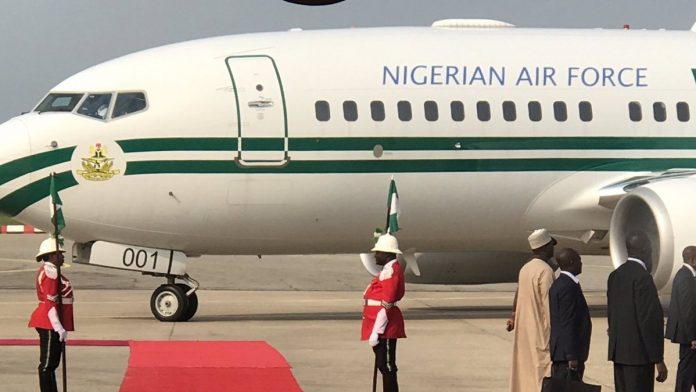
The three presidential jets were seized following ex parte orders issued by the Judicial Court of Paris on March 7, 2024, and August 12, 2024. These orders were part of Zhongshan’s efforts to enforce the €74.4 million arbitration award granted in 2021. The aircraft, Dassault Falcon 7X was undergoing maintenance at Paris-Le Bourget airport, while the Boeing 737 and Airbus A330 were stationed at Basel-Mulhouse International Airport for similar reasons.

Zhongshan’s decision to release the Airbus A330 comes after it learned of President Tinubu’s need for the aircraft for his meeting with President Macron in France. A spokesperson for the company stated that this was a gesture of goodwill and reiterated the company’s commitment to reaching a reasonable settlement with the Nigerian government.

“Zhongshan has consistently sought to act reasonably and fairly in the course of a legal dispute with Nigeria which was not of its making,” the spokesperson said.

“It has now been made aware that an Airbus A330, currently detained in France as a result of a French court order obtained by Zhongshan, is needed for the President of the Federal Republic of Nigeria to travel to a scheduled meeting with President Macron of France early next week.

“As a gesture of goodwill, Zhongshan has lifted the seizure of that aircraft immediately. This will allow it to be used for the President’s trip.”

However, the Boeing 737 and Dassault Falcon 7X remain detained.

The dispute between Zhongshan Fucheng and Ogun State dates back to 2016 when the state government revoked the Chinese company’s management contract for the OGFTZ. The disagreement escalated to international arbitration, which ruled in favor of Zhongshan, awarding it $55.6 million in compensation, along with interest, legal fees, and other associated costs.

The total amount owed by Nigeria is approximately $70 million. Nigeria has resisted honoring the award, leading to multiple asset seizures and enforcement actions in foreign jurisdictions.

Zhongshan has maintained that it acted in accordance with international law and has sought only to enforce its legitimate rights under the China-Nigeria Bilateral Investment Treaty. The company initiated arbitration proceedings in 2017, and on March 26, 2021, the arbitral tribunal, chaired by Lord Neuberger, the former president of the UK Supreme Court, ruled decisively in favor of Zhongshan.

Both the Ogun State government and the Federal Government of Nigeria have issued statements expressing their opposition to the enforcement of the arbitral award. They argue that the aircraft in question are sovereign assets used exclusively for sovereign purposes and are therefore immune from seizure under international law.

Timeline of The Events

  • 2001: China and Nigeria signed a Bilateral Investment Treaty (BIT) to encourage investments between the two countries.
  • 2010: Zhongshan Fucheng Industrial Investment Co., through its parent company Zhuhai Zhongfu Industrial Group, acquires the rights to develop the Ogun Guangdong Free Trade Zone (OGFTZ) in Ogun State, Nigeria.
  • 2011: Zhongshan establishes a local entity, Zhongfu International Investment (NIG) FZE, to manage the development of the free trade zone. The company begins infrastructure projects such as roads, sewerage, and power networks within the zone.
  • 2012: The Ogun State government appoints Zhongfu as the interim manager of the OGFTZ.
  • 2013: A joint venture agreement is signed, making Zhongfu the permanent manager of the OGFTZ, with a majority shareholding in the project.
  • 2016: Ogun State terminates Zhongfu’s appointment and takes steps to expel the company from Nigeria. The Chinese executives face harassment, and their immigration papers are revoked.
  • 2017: Zhongshan initiates arbitration proceedings against Nigeria, claiming a breach of the bilateral investment treaty (BIT) between China and Nigeria.
  • 2021: On March 26, 2021, the ad hoc arbitral tribunal, chaired by Lord Neuberger, issues a ruling in favor of Zhongshan, awarding the company $55.6 million in compensation, interest of $9.4 million, and legal costs of £2.86 million.
  • 2022: In June and August, Zhongshan secures interim charging orders on two Nigerian government-owned properties in Liverpool, UK, as part of its efforts to enforce the arbitral award.
  • 2023: The UK High Court dismisses Nigeria’s claim of sovereign immunity regarding the Liverpool properties, ruling that the Nigerian government had exceeded the time limit for appealing the arbitral award.
  • July 2023: The UK Court of Appeal upholds the $70 million arbitration award against Nigeria, rejecting the government’s claim that the properties were used for diplomatic purposes.
  • 2024: The US Court of Appeals for the District of Columbia affirms the enforceability of the arbitration award under the US Foreign Sovereign Immunities Act, allowing Zhongshan to proceed with its efforts to seize Nigerian assets abroad.
  • August 2024: The Judicial Court of Paris issued orders on March 7 and August 12, leading to the seizure of three Nigerian government aircraft. Zhongshan announces the release of the Airbus A330 on August 16, 2024, to facilitate President Tinubu’s travel to France.

Although the Airbus A330 has been resolved, the dispute remains unresolved as the Boeing 737 and Dassault Falcon 7X continue to be detained. Both parties have expressed a willingness to engage in further negotiations, with Zhongshan reaffirming its readiness to reach a “reasonable compromise.” Nigeria, meanwhile, remains committed to contesting the seizure through legal and diplomatic channels.