DD
MM
YYYY

PAGES

DD
MM
YYYY

spot_img

PAGES

Home Blog Page 3010

African Union Endorses AI Adoption Across Member States

0

The African Union (AU) recently greenlighted the adoption of Artificial intelligence (AI) across its member states, signaling a major shift in the continent’s approach to technology and innovation.

This decision was announced in a document published on the AU website titled “Continental Artificial Intelligence Strategy”. The AU executive council endorsed the Continental AI strategy during its 45th Ordinary Session in Accra, Ghana, on July 18-19, 2024. According to the Union, this endorsement underscores Africa’s commitment to an Africa-centric, development-focused approach to AI, promoting ethical, responsible, and equitable practices.

The AU wrote,

“Artificial Intelligence (Al) is more than a technological leap; it’s a transformative force reshaping our world. With far-reaching impacts across economics, society, and geopolitics, Al is driving revolutionary changes in healthcare, agriculture, finance, and education.

For Africa, Al is a strategic asset pivotal to achieving the aspirations of Agenda 2063 and the Sustainable Development Goals (SDGs). It promises to ignite new industries, fuel innovation, and create high-value jobs while preserving and advancing African culture and integration. In a landmark decision, the African Union Executive Council endorsed the Continental Al Strategy during its 45th Ordinary Session in Accra, Ghana, on July 18-19, 2024.

“This strategy underscores Africa’s commitment to an Africa-centric, development-focused approach to Al, promoting ethical, responsible, and equitable practices. The Continental Al Strategy calls for unified national approaches among AU Member States to navigate the complexities of Al-driven change, aiming to strengthen regional and global cooperation and position Africa as a leader in inclusive and responsible Al development.”

The AU’s Continental Artificial Intelligence Strategy outlines a five-year implementation period from 2025 to 2030, divided into two phases.  The initial phase, which covers from 2025-2026, prioritizes laying the groundwork by establishing governance frameworks, developing national Al strategies, mobilizing resources, and enhancing capacities within the African Union, Regional Economic Communities, specialized agencies, and member states.

The subsequent phase, from 2027 to 2030, focuses on the practical implementation of critical projects and initiatives outlined in the continental Al strategy. It is worth noting that the AU endorsement of AI adoption across member states aligns with its Agenda 2063, which envisions a prosperous Africa based on inclusive growth and sustainable development. AI is seen no doubt as a catalyst for achieving these goals by improving productivity and creating new opportunities across various sectors.

Notably, AI adoption will have a significant impact on economies across the African continent, where it will play a pivotal role in increasing efficiency in industries such as agriculture, mining, and manufacturing.

On the future outlook, the AU’s Al adoption marks a significant step forward for the continent. If successfully implemented, it could position Africa as a leader in the global Al landscape, driving innovation and sustainable development across its member states. However, the success of this initiative will largely depend on the commitment of individual countries to invest in the necessary infrastructure, education, and regulatory frameworks to support Al technologies.
Exploring Celsius’s Legal Battle Against Tether

0

In the volatile world of cryptocurrency, legal disputes can emerge as swiftly as the markets fluctuate. A recent case that has captured the attention of the crypto community involves Celsius, a digital asset lender that has filed a lawsuit against Tether, the issuer of the world’s largest stablecoin, USDT. The lawsuit seeks to recover approximately $2.4 billion, which Celsius claims is due to the improper liquidation of 39,000 Bitcoin.

The origins of the dispute date back to an agreement in 2022, where Celsius borrowed USDT from Tether, providing Bitcoin as collateral. As the market took a downturn and the value of Bitcoin plummeted, Tether, adhering to the terms of the agreement, liquidated the collateral. Celsius, however, contends that the liquidation was mishandled and is now seeking restitution for the Bitcoin, which at the time of the lawsuit amounts to a staggering $2.4 billion.

Tether’s Stance on the Matter

Tether has responded to the lawsuit with a firm stance, labeling it a ‘meritless shakedown’ and attributing the legal action to financial mismanagement on the part of Celsius. Tether’s CEO, Paolo Ardoino, has been vocal about the company’s position, asserting that the lawsuit misunderstands the principles of risk management and liquidation processes. Ardoino reassures that Tether’s financial position is robust, with nearly $12 billion in equity, ensuring that USDT holders will not be affected, even if the lawsuit progresses.

This lawsuit is more than just a legal battle between two companies; it is indicative of the broader challenges facing the cryptocurrency industry. The case highlights the complexities of managing digital assets and the importance of clear, enforceable contracts. It also underscores the need for transparency and sound risk management practices in an industry that is still in its formative years.

One of the primary implications of this lawsuit is the potential for setting a legal precedent. The outcome could influence how similar disputes are resolved in the future, especially those involving collateral liquidation during market downturns. It may also prompt crypto firms to reassess their risk management strategies and the terms of their lending agreements to avoid similar conflicts.

Moreover, the case underscores the need for clearer regulatory frameworks to govern cryptocurrency transactions. As the industry matures, the establishment of standardized practices and legal guidelines becomes increasingly important to protect all parties involved in crypto lending and borrowing.

Another implication is the impact on the reputation and stability of stablecoins, particularly Tether, which is a central player in the crypto market. The resolution of this lawsuit could affect investor confidence in stablecoins and their issuing companies, potentially leading to increased scrutiny and calls for transparency.

Furthermore, the lawsuit brings to light the importance of contractual clarity and the adherence to agreed terms. It serves as a reminder that in the volatile world of cryptocurrencies, the fine print of agreements can have significant consequences when market conditions change.

As the case unfolds, the crypto community will be watching closely to see how the courts interpret the agreements and actions of both parties. The resolution of this lawsuit could have far-reaching consequences, potentially influencing the regulatory landscape and the operational practices of crypto firms worldwide.

Navigating US Consumer Price Index and Product Price Index

0

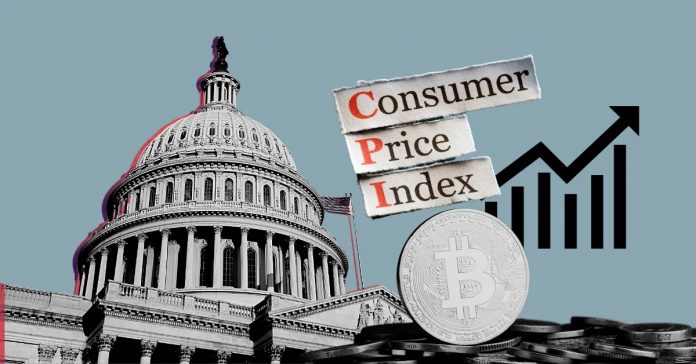
The economic indicators of a country are crucial in understanding its financial health, and two of the most significant indicators are the Consumer Price Index (CPI) and the Producer Price Index (PPI). These metrics provide a temperature check on inflation, which is a key factor in monetary policy decisions and market movements.

The CPI measures the average change over time in the prices paid by urban consumers for a market basket of consumer goods and services. It is often used to adjust other economic indicators for the effect of inflation and can influence the Federal Reserve’s decisions on interest rates.

On the other hand, the PPI measures the average change over time in the selling prices received by domestic producers for their output. This index differs from the CPI in that it measures prices from the perspective of the seller rather than the buyer and includes prices for goods at various stages of production.

Recent data indicates that the U.S. CPI and PPI have shown signs of fluctuation, suggesting shifts in inflationary pressures. According to the latest numbers, the PPI for final demand rose 2.6 percent for the 12 months ended in June 2024, marking the largest 12-month increase since a 2.7 percent rise for the year ended March 2023. This data is pivotal as it precedes the Federal Reserve’s decision-making process regarding interest rates, which can have widespread implications for the economy.

High inflation, defined as a sustained and broad rise in the prices of goods and services, can have far-reaching effects on an economy. It erodes purchasing power, meaning that consumers can buy less with the same amount of money over time. This is particularly impactful for lower-income consumers who spend a higher proportion of their incomes on necessities and have less of a buffer against rising costs.

For businesses, high inflation can lead to increased costs of raw materials and labor, which may result in higher prices for consumers. This can create a cycle of inflation that becomes difficult to break. Additionally, high inflation can impact investment decisions, as it affects the return on investment. Bonds and fixed-income securities become less attractive because the real rate of return diminishes as inflation rises.

Investors may turn to real estate, commodities, and value stocks, which historically have outperformed during periods of high inflation. These assets are often seen as hedges against inflation because they can pass on increased costs to consumers or because their value increases with the general price level.

From a macroeconomic perspective, high inflation can impair the economy’s long-term performance by destabilizing markets and reducing the effectiveness of monetary policy. Central banks, like the Federal Reserve, may respond to high inflation by raising interest rates to cool off the economy. However, this can also slow down economic growth and increase the risk of recession.

Investors and analysts closely monitor these figures, as they can impact the stock and commodities markets. For instance, futures were muted at the start of the week, with many awaiting the CPI reading, which is expected to show inflation trends for July. Similarly, the oil market is on track for further gains, with tightening supply and bullish economic indicators, but upcoming CPI data could potentially influence crude oil prices.

The anticipation of U.S. inflation data has also affected the gold market, with prices rising as traders expect the data to potentially signal a Federal Reserve rate cut, which could fuel a gold rally. These examples underscore the far-reaching impact of CPI and PPI data on various sectors of the economy.

As we await the release of the July 2024 CPI data, it is important to consider the broader economic context. The Federal Reserve’s response to these indicators will be telling of the central bank’s view on the current state of inflation and its strategy moving forward. With the potential for rate adjustments on the horizon, the financial markets remain vigilant.

For those interested in delving deeper into the intricacies of these indices, the U.S. Bureau of Labor Statistics provides comprehensive resources and publications that explain the methodologies behind the PPI and offer insights into how these figures are calculated.

The upcoming U.S. CPI and PPI data serve as critical barometers for inflation and will be instrumental in shaping economic policy and market trends. Stakeholders across the board—from policymakers to investors—will be keenly observing these figures to make informed decisions in an ever-evolving economic landscape.

New Market Development in Africa | Tekedia Mini-MBA

0

Join us today at Africa’s finest business school for entrepreneurial capitalism as our Faculty, Mayowa Olugbile, Founder of Frontier Enterprises, ex-General Partner of Future Africa fund, ex-Flutterwave, and many more, teaches on the topic “New Market Development in Africa”.

At Tekedia Mini-MBA, understanding the massive opportunities in intra-African trade, we have been deepening capabilities to prepare our Learners on how to thrive and win in Africa. This makes sense especially for those in markets like Nigeria where the currency has weakened, and they need to sell to other countries. 

The currency used in Togo, Benin Republic, etc – the CFA franc – is the new latent US dollar, in Nigeria,  because that currency is 10x ahead of Naira in the last nine years. So, besides America, Europe and more, unlocking the African market is strategic.

Our Faculty has invested in dozens of companies across Africa, and he worked in Corporate Finance in one of Africa’s leading digital companies. He understands the ecosystem, and today, he will explain what and how we can WIN that future. 

Tue, Aug 13 | 7pm-8pm WAT | New Market Development in Africa – Mayowa Olugbile, Frontier Enterprises.

This is Tekedia Mini-MBA . our product is KNOWLEDGE. To register for the next Tekedia Mini-MBA which begins on Sept 9, please go here.

Nigeria’s Crude Oil Supply Challenge Deepens As Dangote Refinery, Others, Raised Requirements to 597,700bpd in H2 2024

0

Nigeria’s ambitious plans to boost its local refining capacity are facing significant headwinds as the nation’s refineries, led by the Dangote Refinery, have raised their crude oil requirements to 597,700 barrels per day (bpd) for the second half of 2024.

This increase, a sharp rise from the 483,000 bpd demanded in the first half of the year, underscores the escalating needs of the domestic refining sector. However, it also highlights the growing challenge of securing adequate crude supplies, a situation that analysts warn could undermine Nigeria’s quest for self-sufficiency in refining.

Strain on Local Supply Chains

The Nigerian Upstream Petroleum Regulatory Commission (NUPRC) recently reported that in the first six months of the year, the country’s oil producers were able to deliver only 177,777 bpd to local refineries, falling dramatically short of the increased demand. This shortfall has sparked tensions between the Dangote Refinery and the NUPRC, particularly over the enforcement of the Petroleum Industry Act (PIA), which mandates the prioritization of crude supply to domestic refineries.

The Dangote Refinery, with its massive 650,000-bpd capacity, is expected to play a central role in reducing Nigeria’s reliance on imported petroleum products. However, the refinery’s spokesperson, Anthony Chiejina, has criticized the NUPRC for failing to enforce the PIA’s provisions.

According to Chiejina, the regulatory body has facilitated the sale of only one crude cargo between the refinery and domestic producers, leaving the refinery largely dependent on international traders.

“Aside from the term supply we bilaterally negotiated with NNPCL, so far NUPRC has only facilitated the purchase of one crude cargo from a domestic producer. The rest of the cargoes we have processed were purchased from international traders,” Chiejina stated.

He emphasized the importance of local refineries being able to buy crude directly from Nigerian producers rather than through international intermediaries, which complicates the supply chain and potentially drives up costs.

Chiejina further expressed frustration with the NUPRC’s justification for its inaction, citing the “sanctity of contracts” as an excuse for not enforcing the PIA.

“Unfortunately, the NUPRC has effectively admitted in their statement that they will be unable to enforce the domestic crude supply obligation as specified in the PIA, citing ‘sanctity of contracts’ as an excuse,” he added.

Analysts Express Concerns Over the Impact

Industry analysts have voiced serious concerns that the ongoing shortfall in crude oil supplies to Nigeria’s refineries could derail the country’s ambitions to achieve sufficient local refining capacity. One of the key refineries at the center of these concerns is the Port Harcourt Refinery, which is slated to commence operations this month.

The refinery’s success is critical to meeting domestic fuel demands, but its reliance on a steady supply of crude oil could be jeopardized by the current supply chain challenges.

Analysts warn that if the crude supply issues are not addressed, the Port Harcourt Refinery and others might struggle to operate at optimal capacity, leading to continued reliance on imported petroleum products. This would be a significant setback for Nigeria, which has long aimed to reduce its dependence on fuel imports and to capitalize on its abundant crude oil resources fully.

The Wider Implications for Nigeria’s Oil Industry

The growing tension between the Dangote Refinery and the NUPRC over crude supply is emblematic of broader challenges facing Nigeria’s oil industry. The NUPRC’s inability to enforce the PIA’s domestic supply obligations has called into question the effectiveness of the regulatory framework that was supposed to transform the sector. This has also raised concerns about the future of Nigeria’s refining ambitions, especially as the country prepares to bring more refineries online.

The NUPRC has indicated that eight refineries, with a combined refining capacity of 864,500 bpd, are expected to begin operations in August. Meeting the crude supply demands of these new refineries will require significant cooperation from the country’s oil producers, including major players like TotalEnergies, Chevron, Shell, and ExxonMobil, who are expected to supply the necessary crude primarily through their joint ventures with the Nigerian National Petroleum Corporation (NNPC) Limited.

However, the shortfall in crude supply this year suggests that meeting these demands may be more challenging than anticipated. If the current supply chain issues are not resolved, Nigeria’s vision of becoming a major refining hub could be at risk, with potentially serious consequences for the country’s economy and energy security.

This has become critical given reports that vested interests in the West are seeking to jeopardize the quest for functional refineries in Nigeria, especially, the Dangote Refinery, which is expected to disrupt the European refining industry.

Thus, analysts believe that the ability to secure a reliable supply of crude oil will determine not only the success of individual refineries but also the broader trajectory of Nigeria’s oil and gas sector.