DD
MM
YYYY

PAGES

DD
MM
YYYY

spot_img

PAGES

Home Blog Page 3044

The Intersection of Cryptocurrency, Fairness, Freedom, and Decentralization

0

Cryptocurrency has emerged as a revolutionary force in the financial world, embodying the principles of fairness, freedom, and decentralization. These core values resonate with a growing global community that seeks an alternative to traditional financial systems, which are often seen as centralized and opaque. Cryptocurrency is not just a technological innovation; it is a movement towards a more just and open society. As we look to the future, the principles of fairness, freedom, and decentralization will undoubtedly continue to shape the evolution of finance and the broader socio-economic fabric of our world.

Fairness in the context of cryptocurrency is closely tied to the concept of decentralization. By design, decentralized systems aim to distribute power away from central authorities, thereby offering a level playing field for all participants. In blockchain gaming, for instance, fairness is a critical requirement, and decentralized randomness plays a crucial role in ensuring that all players have an equal chance of winning, free from manipulation by miners or other parties.

Freedom in the crypto space is about the autonomy of managing one’s assets without reliance on intermediaries. This trustless environment, where transactions occur directly between parties, was a foundational goal of Satoshi Nakamoto, the creator of Bitcoin. Nakamoto envisioned a system where “any two willing parties to transact directly with each other without the need for a trusted third party,” especially in the wake of the 2008 financial crisis.

Decentralization is arguably the most defining characteristic of cryptocurrency. It removes the need for centralized authorities, enhancing privacy and protection for investors. Most cryptocurrencies leverage blockchain technology to achieve this, creating a peer-to-peer network that is maintained by a collective rather than a single entity. This structure not only bolsters security but also fosters a sense of community among users who contribute to the network’s integrity.

Furthermore, decentralized finance (DeFi) has been a beacon of hope for the unbanked population, offering access to financial services through mobile technology. With a significant portion of the world’s population lacking access to traditional banking, DeFi presents an opportunity for financial inclusion and empowerment.

The debate around decentralization is ongoing, with discussions on its advantages and challenges. While decentralization offers increased security and fairness, it also presents difficulties in achieving consensus and maintaining efficiency. Despite these challenges, the pursuit of a decentralized financial system continues to drive innovation in the crypto space.

As we look to the future, the principles of fairness, freedom, and decentralization will likely remain at the heart of cryptocurrency’s appeal. These ideals offer a vision of a financial system that is more inclusive, transparent, and resilient—a vision that continues to inspire and attract a diverse array of individuals and institutions around the world.

In conclusion, cryptocurrency is more than just a digital asset; it represents a movement towards a financial paradigm that aligns with the values of fairness, freedom, and decentralization. As the technology matures and the community grows, these principles will continue to shape the evolution of finance, challenging the status quo and offering new possibilities for economic empowerment and innovation.


Trump Media Stock Plummets 10% Following Debate With Vice President Kamala Harris

0

The share price of Trump Media plunged by over 10% on Wednesday, marking a significant setback for the company following former President Donald Trump’s much-criticized debate performance against Vice President Kamala Harris.

The drop comes a day after the highly anticipated presidential debate, where Trump’s performance was widely panned by political analysts across the spectrum.

This decline brings Trump Media’s stock price to its lowest point since the Truth Social app owner, trading under the ticker DJT, became publicly listed on the Nasdaq in late March. The stock had surged earlier in the week, with a 10% increase on Tuesday as investors appeared optimistic about Trump’s debate chances. However, the poor reception of his performance seemed to erase that momentum.

Trump Media’s stock price has often been seen as tied to Donald Trump’s political fortunes. The company itself has acknowledged that its business model is influenced by Trump’s popularity, with many analysts linking its value to his electoral prospects. Wednesday’s stock drop, following a subpar debate showing, could indicate that investors—many of whom may be Trump supporters—were disappointed with his performance.

During the debate in Philadelphia, Vice President Kamala Harris was widely seen as more composed and articulate, while Trump struggled to stay on topic, frequently reacting to Harris’ attempts to throw him off balance.

“While I don’t think the debate hosts were fair to Donald Trump, Kamala Harris exceeded most people’s expectations tonight,” Elon Musk admitted after the debate.

Political commentators from both sides noted that Harris appeared better prepared, and her team quickly challenged Trump to a second debate immediately after the first one concluded.

Despite Harris’ confidence, Trump seemed uninterested in a rematch. In a post on his Truth Social platform on Wednesday, he reiterated his claim that Harris only wanted another debate because she had “been beaten badly.” He further questioned, “Why would I do a Rematch?”—indicating that a second debate may not take place.

Stock Price Volatility and Trump’s Ownership

Prior to the debate, Trump Media had been experiencing a weeks-long stock decline, which saw shares drop by as much as 75% from their intraday high in March. The company had initially surged during its merger with a blank-check firm that took Trump Media public. However, the downturn has been linked to various factors, including political uncertainty and market conditions.

A key moment contributing to the stock’s volatility was President Joe Biden’s decision to drop out of the 2024 presidential race and endorse Vice President Kamala Harris as the Democratic Party’s presidential candidate. The move shifted the dynamics of the election, presenting Harris as Trump’s primary challenger and potentially reshaping investor sentiment around Trump Media.

Adding to the pressure on the company, insiders—including Trump himself—are expected to be eligible to sell their shares after a lock-up agreement lifts on September 19. Trump owns approximately 57% of Trump Media’s stock, which was valued at around $1.9 billion based on Wednesday’s closing price. It remains unclear whether Trump plans to sell any of his shares once the restriction lifts, but any move in that direction could further impact the stock’s performance.

The connection between Trump’s political standing and the performance of Trump Media underscores the company’s reliance on his electoral prospects. The latest stock plunge may signal growing concern among investors regarding his ability to maintain or grow his political base, especially as the campaign heats up.

Trump Media’s initial success was closely linked to the excitement surrounding Trump’s re-entry into politics and his founding of Truth Social, an alternative social media platform aimed at providing a voice for conservatives. However, the company has faced challenges, both in its operations and in the broader political climate.

With the 2024 election season in full swing, Trump’s media ventures—especially Trump Media—are likely to see continued volatility as investors closely track his political performances and public reception. Should Trump bounce back in future debates or gain ground in the polls, it’s possible that the company’s stock could recover. Conversely, continued political missteps may compound the stock’s decline.

For now, the drop in Trump Media’s share price reflects the high stakes tied to Trump’s political fortunes, with many investors betting on his future electoral success—or failure.

From the #best school – Tekedia Institute [photos]

0

From the #best school – Tekedia Institute. Our product is Knowledge.  Thank you, our Faculty and Learners. More SMEs and companies send team members to Tekedia Institute than any university in Africa.

Congratulations, my fellow co-learners. Tekedia Mini-MBA celebrates with you. Go into the market and win. #ready2lead

The Impact of ETF Listings on ETH Market Liquidity

0

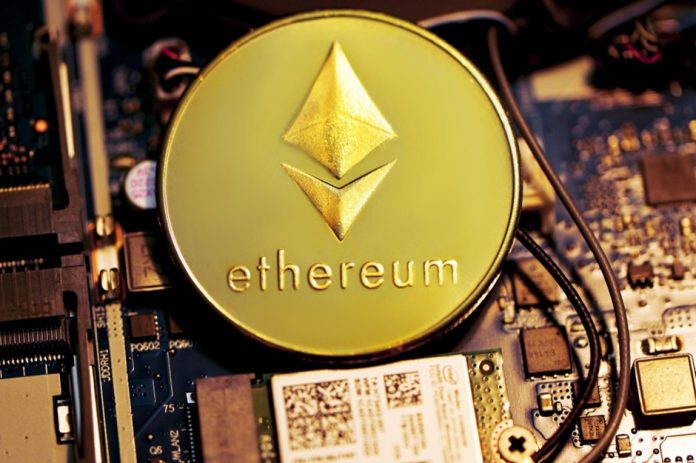
The cryptocurrency market has witnessed a significant event with the listing of Ethereum Exchange-Traded Funds (ETFs), which has led to a noticeable shift in market liquidity. Since the introduction of nine Ethereum ETFs on July 23, there has been a 20% drop in Ether liquidity on exchanges. This phenomenon has raised concerns and discussions among investors and market analysts.

The initial expectation for the introduction of ETFs was to provide a boost to market liquidity. This was based on the premise that ETFs would make it easier to execute large buy and sell orders at stable prices. However, the reality for Ether has been quite different compared to Bitcoin, which saw a liquidity boost following its own ETF listings earlier in the year.

The decline in liquidity has been attributed to several factors. One of the primary reasons is the outflow from Ether ETFs, which has been substantial. Data indicates that there has been a cumulative outflow of over $500 million since the ETFs’ debut. Additionally, the average 5% market depth for ETH pairs on U.S.-based centralized exchanges has declined by 20% to roughly $14 million, and by 19% on offshore centralized venues to around $10 million. This reduction in market depth means it’s now easier to move the spot price by 5% in either direction, indicating reduced liquidity and increased sensitivity to large orders.

One potential long-term effect is increased price volatility. With a reduced market depth, large orders can have a more pronounced impact on the market price, leading to greater price swings. This could deter some investors, especially institutional ones, who prefer stable and liquid markets for large-scale operations.

Another effect could be the alteration of market dynamics. A less liquid market may discourage new participants, particularly those looking to execute large transactions without significantly affecting the market price. This could lead to a decrease in overall market activity and possibly slow down the growth rate of the ETH market. The drop in liquidity might also affect the perception of ETH as a mature and stable asset. Investors may view ETH as a riskier investment, which could influence the asset’s adoption rate and its integration into traditional financial products and services.

Furthermore, the liquidity drop could impact the development and deployment of decentralized finance (DeFi) applications. DeFi relies heavily on the liquidity of underlying assets to function effectively. A sustained decrease in liquidity could lead to higher costs and reduced efficiency for these applications, potentially hampering innovation in the space.

The situation is further compounded by poor market conditions and seasonal effects, often associated with lower trading activity during the summer months. Despite the overall liquidity for ETH pairs on centralized exchanges being greater than at the beginning of the year, it has dropped nearly 45% since its peak in June. The price of Ether has also been affected, with a decline of over 25% to $2,380, as reported by various sources. This price movement reflects the sensitivity of the cryptocurrency to shifts in market liquidity and investor sentiment.

The current liquidity crisis poses challenges for the Ether market, especially for investors looking to execute large transactions. It also highlights the need for a deeper understanding of the impact of financial instruments like ETFs on digital assets. As the market evolves, it will be crucial for investors to stay informed and adapt their strategies accordingly.

The ‘New Altcoin Season’ Is Approaching: Stock Up on SOL and Four Other Promising Altcoins

0

A fresh wave in the crypto market signals the arrival of new opportunities for altcoin investments. As excitement builds, SOL and four other promising altcoins emerge as top contenders poised for growth. This intriguing shift urges investors to pay attention and prepare for what could be a game-changing season in the world of digital currencies.

CYBRO Presale Achieves $1.8 Million Milestone: A One-in-a-Million Investment Opportunity

CYBRO is capturing the attention of crypto whales as its exclusive token presale quickly surges above $1.8 million. This cutting-edge platform offers investors unparalleled opportunities to maximize their earnings in any market condition.

Experts predict a potential ROI of 1200%, with CYBRO tokens available at a presale price of just $0.03 each. This rare, technologically advanced project has already attracted prominent crypto whales and influencers, indicating strong confidence and interest. In an exciting development, CYBRO has also launched a referral program, offering 12% from direct referees’ token purchases, 3% from second-level referees, and 2% from third-level referees. Rewards are sent weekly in USDT, and referees earn double CYBRO Points on their first deposit using the referral code.

In addition to tokens, CYBRO introduces exclusive Points, providing even greater benefits for investors. These Points grant automatic entry into the CYBRO Airdrop, where the number of tokens you receive is proportional to the Points you hold. Up to 1 million Points are distributed weekly, earned by investing in CYBRO’s DeFi Vaults.

Holders of CYBRO tokens will enjoy lucrative staking rewards, exclusive airdrops, cashback on purchases, reduced trading and lending fees, and a robust insurance program within the platform.

With only 21% of the total tokens available for this presale and approximately 80 million already sold, this is a golden opportunity for savvy investors to secure a stake in a project that’s truly one in a million.

>>>Join CYBRO and aim for future returns up to 1200%<<<

SOL: Surfing the Waves of Scalability in Crypto’s New Season

Solana’s blockchain is all about scalability, making it a favored spot for decentralized applications alongside Ethereum and Cardano. What makes Solana different? It’s built to handle faster transactions with flexibility for developers to use various programming languages. At the core is SOL, the platform’s cryptocurrency, crucial for running transactions and rewarding supporters within the network. Solana skips out on sharding and second-layer solutions, aiming instead for a high-capacity network. This approach seeks to draw both developers and investors, offering a sturdy foundation for active applications. As we look to 2024, Solana offers intriguing potential, especially if history’s patterns of growth repeat themselves.

Aave’s Role in the DeFi Space: A Look at 2024’s Crypto Landscape

Aave is a well-known player in the DeFi world. It allows people to lend and borrow crypto directly on the Ethereum blockchain. Users can earn interest with their crypto assets without needing a traditional bank. The system uses smart contracts for trust and security. Aave supports 17 different cryptocurrencies for lending and borrowing. A unique feature is its flash loans, completed in seconds without needing collateral. AAVE tokens are central to the platform, offering benefits and voting rights. With a safety module and token supply controls, Aave continues to attract attention in the crypto sphere with its decentralized approach and innovative features.

Helium (HNT): Powering the Future of IoT Communication

Helium (HNT) is gaining attention as we enter a new altcoin season. Launched in 2019, Helium creates a network for IoT devices to talk to each other. Its system uses low-power and wireless connections, helping with data transfers through nodes known as Hotspots. These Hotspots combine a wireless gateway and a blockchain mining device, allowing users to mine Helium’s cryptocurrency, HNT. Since its inception in 2013, Helium aims to solve issues with current infrastructure for IoT communication. With its innovative approach, Helium might catch the interest of those looking at the growth and potential widespread use of IoT solutions.

Conclusion

CYBRO, a technologically advanced DeFi platform, offers investors unparalleled opportunities to maximize their earnings through AI-powered yield aggregation on the Blast blockchain. With features like lucrative staking rewards, exclusive airdrops, and cashback on purchases, CYBRO ensures a superior user experience characterized by seamless deposits and withdrawals. Emphasizing transparency, compliance, and quality, CYBRO stands out as a promising project with strong interest from crypto whales and influencers.


Site: https://cybro.io

Twitter: https://twitter.com/Cybro_io

Discord: https://discord.gg/xFMGDQPhrB

Telegram: https://t.me/cybro_io