DD
MM
YYYY

PAGES

DD
MM
YYYY

spot_img

PAGES

Home Blog Page 3047

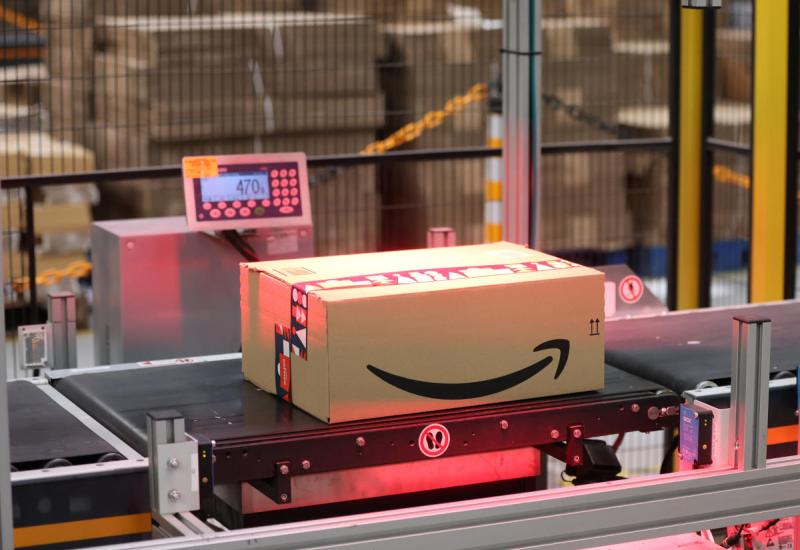
Amazon’s Leadership Principles Under Threat

0

Amazon, the global e-commerce giant, has long been recognized for its distinctive set of Leadership Principles. These principles guide the company’s decision-making process and have been integral to its success. However, recent discussions and analyses suggest that these very principles are under scrutiny and could potentially be threatened by internal and external challenges.

The Leadership Principles at Amazon emphasize customer obsession, ownership, innovation, and high standards, among others. They reflect a culture that promotes long-term thinking, rigorous problem-solving, and a relentless pursuit of excellence. However, it is crucial to examine whether these principles stand resilient in the face of rapid growth and intense market competition.

One of the core issues that have been raised pertains to the principle of “Earn Trust.” This principle is founded on the belief that leaders should listen attentively, speak candidly, and treat others respectfully. Yet, there have been reports suggesting that the application of this principle may not always align with the experiences of some employees. For instance, allegations of unfair treatment and a high-pressure work environment have surfaced, raising questions about the balance between upholding high standards and ensuring a supportive work culture.

Moreover, the principle of “Bias for Action,” which encourages swift decision-making and risk-taking, could potentially lead to a culture where speed is prioritized over thorough deliberation. While this principle has undoubtedly contributed to Amazon’s agility and innovation, it also necessitates a careful consideration of its long-term implications on employee well-being and sustainable growth. Despite this principle, there have been reports from employees about a high-pressure work environment and unfair treatment, suggesting a disconnect between the principle and its implementation.

Furthermore, the addition of new principles like “Strive to be Earth’s Best Employer” and “Success and Scale Bring Broad Responsibility” reflects a response to criticisms regarding Amazon’s workplace culture and societal impact. These additions indicate an acknowledgment of past shortcomings and a commitment to improvement, aligning with the need for a safer, more productive, and just work environment.

As Amazon continues to grow, the application and evolution of its Leadership Principles will be closely watched by both employees and industry observers. The challenge lies in maintaining the core values that have driven Amazon’s success while also addressing the criticisms and adapting to an ever-changing corporate landscape.

The challenge for Amazon lies in adapting these principles to an evolving corporate landscape while maintaining their essence. It is about finding the equilibrium where the principles do not compromise the company’s integrity or the trust of its stakeholders. As Amazon continues to expand and diversify, it will be imperative to ensure that its Leadership Principles evolve in a manner that supports both its business objectives and the needs of its diverse workforce.

Amazon’s Leadership Principles have been a cornerstone of its corporate identity and success. However, as the company navigates through challenges and criticisms, it must reflect on the application of these principles and strive to reinforce a culture that is both performance-driven and ethically sound. The path forward will require a nuanced approach that upholds the principles without undermining the values they represent.

Techstars Lays Off 17% of Its Workforce, Ends J.P. Morgan Partnership [updated]

0

Techstars, a global startup accelerator that provides mentorship, funding, and a network of support to early-stage companies, has laid off 17% of its workforce, ending its $80 million J.P Morgan-backed AdvancingCities program by the end of 2024. The AdvaningCities initiative was launched in 2022, and was designed to support diverse founders in cities like Oakland, New York, Miami, and Washington D.C. 

In an email announced by Techstars Co-founder and CEO David Cohen, he disclosed that the startup accelerator “overbuilt and overhired”. The layoffs primarily affect teams in engineering, support services, and sales, with most of the company’s accelerator programs remaining unaffected except for those linked to J.P Morgan.

This recent layoff of workers follows a 7% reduction in headcount earlier in the year and is part of a broader shift in strategy under Cohen’s leadership, focusing less on scaling and more on improving support for founders.

It is worth noting that Techstars is currently undergoing an operational restructuring, which was publicly announced in February 2024, after it missed 2023 revenue projections and logged $7 million in losses, according to preliminary numbers seen by TechCrunch.

The primary focus of the restructuring is to position the startup accelerator for future growth and to better support its portfolio companies. Part of the restructuring includes cutting programs worldwide, laying off staff, and shuttering accelerators in cities like Oslo, Austin, and its former mothership, Boulder, Colorado.

In addition to the layoffs, Techstars is also restructuring its accelerator programs. Starting in 2024, the company will move to a two-term schedule, where most of its programs will start and end together twice a year. This change is intended to create better funding opportunities and a more concentrated Demo Day experience for participating startups, thereby increasing the success of its portfolio companies.

Key Points on Techstars Restructuring:

• Venture Capital Industry Challenges: The restructuring is being undertaken in response to broader challenges facing the venture capital industry.

• Focus on Core Strengths: Techstars is aiming to concentrate on its core strengths and areas of expertise.

Techstars restructuring process comes as the venture capital (VC) industry is undergoing a significant transformation driven by several factors, including market volatility, the rising cost of capital, and shifts in investment strategies.

With economic uncertainty and tighter financial conditions, many VC firms are becoming more selective in their investments, focusing on profitability and sustainable growth rather than rapid scaling. There has been a noticeable slowdown in funding rounds, with startups facing more scrutiny regarding their business models and paths to profitability.

Additionally, valuations have been adjusted downward, and there is an increased emphasis on due diligence. The restructuring also involves VCs diversifying their portfolios, and investing in sectors that are more resilient to economic downturns, such as climate tech, Al, and other emerging technologies.

This shift is also prompting changes in how VC firms operate internally, with some reducing their workforce or restructuring their teams to adapt to the new market dynamics. The overall goal of this restructuring is to ensure that VC firms can continue to generate returns for their investors in a more challenging economic environment.

Updated: We received this statement from a J.P. Morgan spokesperson:

In 2022, J.P. Morgan announced the $80MM Advancing Cities Fund, raised as a private placement to invest in a Techstars accelerator program focused on advancing equitable access to funding among diverse founders across the U.S. The fund is expected to be fully deployed by the end of this year, as planned. JPMorganChase remains committed to supporting founders across the country through the expansion of its diverse manager network, private investments platform and engagement capabilities.

Implications of Russia’s Potential Block on Google, iOS, and Android

0

In a move that could significantly alter the digital landscape, Russia is considering a ban on major Western technology platforms, including Google, iOS, and Android. This decision is part of a broader strategy to assert digital sovereignty and reduce reliance on Western technology. The implications of such a ban are far-reaching and multifaceted, affecting not only the tech industry but also the everyday lives of Russian citizens.

The potential ban could have profound economic repercussions. Google, iOS, and Android are integral to the global tech ecosystem, and their absence could disrupt the market for both consumers and businesses. Companies that rely on these platforms for their operations may face significant challenges, potentially leading to financial losses and a need to seek alternative solutions.

Moreover, the ban could accelerate the development of domestic technologies as Russia seeks to fill the void left by these platforms. This could foster innovation within the country but may also lead to isolation from the international tech community.

On a social level, the ban could impact the way information is accessed and shared. With platforms like YouTube experiencing slowdowns and potential unavailability in Russia, the flow of information could be stifled. This raises concerns about access to diverse perspectives and the free exchange of ideas, which are essential for a healthy, informed society.

Some Russians are adapting to the new digital reality by seeking out alternative platforms and technologies. This resilience reflects a long history of navigating state-imposed restrictions. The potential ban has accelerated the adoption of domestic services and platforms, which are seen as viable substitutes for their Western counterparts.

Culturally, the absence of these platforms could lead to a shift in digital consumption habits. As alternatives are sought, there may be a rise in the popularity of domestic platforms, which could influence the cultural landscape and the type of content that is produced and consumed.

Legally, the move underscores the tension between national laws and international human rights standards. The fines imposed on Google and TikTok for failing to remove banned content highlight the challenges tech companies face in navigating different regulatory environments.

However, there is also a palpable concern over the increased surveillance and censorship that comes with the government’s tightening grip on the digital space. Activists and journalists, in particular, have faced detentions and fines, highlighting the risks associated with voicing dissent or simply being under the watchful eye of pervasive security systems.

Politically, the ban reflects the ongoing power struggle between Russia and Western nations in the digital domain. It is a clear statement of intent to preserve control over the digital space within Russia’s borders, which could have wider implications for international relations and cyber diplomacy.

Amidst these developments, a segment of the population continues to advocate for digital freedom and access to global platforms. They argue that such access is crucial for a connected and informed society, and they resist measures that threaten to isolate Russia from the international community.

The potential blocking of Google, iOS, and Android by Russia is a complex issue with implications that extend beyond the immediate technological concerns. It touches on economic stability, social dynamics, cultural expression, legal challenges, and political power plays. As the situation evolves, it will be crucial to monitor the responses from both the affected tech giants and the international community.

Musk X is Gearing up Plans to Launch Its Peer-to-Peer Payment Service

0

Elon Musk-owned social media platform X, formerly known as Twitter, is reportedly gearing up plans to launch its payment service in 2024.

According to independent app researcher Nima Owji who made this disclosure on X with an image attachment, he revealed that the company is working on adding a “Payments” button to the navigation bar under the bookmarks tab.

In a chat with Techcrunch, Owji said that he found references for new payment features, such as “transactions, balance, and transfer.” The latest findings are in line with Musk’s plan to launch the payment feature in mid-2024.

Musk had earlier made this disclosure during a conversation with Cathie Wood of ARK Invest at an X space event in December 2023, in which he noted that he expects the payment services to be fully launched by the “middle of next year” (2024), pending the approval of several money transmitter license applications. Musk said he hoped to have launched payments on the social media platform sooner but had been weighed down by bureaucratic processes.

This new proposed feature will allow peer-to-peer payments, similar to services like Venmo or PayPal, which is part of Elon Musk’s vision to transform X into an “everything app”.

The platform has already obtained money transmitter licenses in a significant amount of U.S. states, a necessary step to process payments legally. This move marks X’s foray into the fintech space, aiming to compete with established players like Apple, and Google, amongst others. The company envisions a future where financial transactions are seamlessly integrated into a social media app.

By adding a peer-to-peer payment service on X, Musk seeks to achieve several key objectives;

1. Enhanced User Engagement: Integrating financial transactions with social media can increase user engagement by allowing users to handle more aspects of their daily lives within a single app. This aligns with Musk’s vision of making X a platform where users can manage social interactions, financial transactions, and other activities seamlessly.

2. New Revenue Streams: The payment service opens up new opportunities for revenue generation through transaction fees, partnerships, and other financial services. This can help diversify X’s income sources beyond advertising.

3. Competitive Edge: By entering the fintech space, X can compete with established players like PayPal, Apple, and Google. Offering integrated payment services can make X more attractive to users who prefer a one-stop solution for both social media and financial needs.

While the launch of a payment service is underway, Musk has dampened expectations regarding the immediate integration of cryptocurrency into X’s payment services.

As X navigates this new territory, users are closely observing how the platform will leverage its technological prowess to innovate within the financial sector. The company’s ability to integrate financial services with its existing offerings could create a seamless user experience that further solidifies its market position.

The Lesson from US Court Ruling on Google Search and Monopoly

1

The ruling: “After having carefully considered and weighed the witness testimony and evidence, the court reaches the following conclusion: Google is a monopolist, and it has acted as one to maintain its monopoly,” US Judge Mehta stated. “It has violated Section 2 of the Sherman Act.”

In the wake of a federal court’s landmark antitrust ruling against Google, competing tech giants stand to gain a foothold in the search industry that could reap big returns, writes The Wall Street Journal. One potential remedy could involve ending Google’s multibillion-dollar deals with Apple, Samsung and others to be their default search engine. LinkedIn parent Microsoft’s Bing, for instance, stands to make billions if users switch. AI developments have already begun to alter how users use search, and recent deals, including the collaboration between OpenAI and Apple, could mark a sea change for the industry. (LinkedIn News)

In the 19th century, railroads played a pivotal role in shaping the American economy, with intense competition and financial struggles characterizing the industry. However, this era also saw the rise of monopolies like Standard Oil, which revolutionized the oil industry through efficient production and transportation methods. The Panic of 1873 further exacerbated economic challenges, leading to significant repercussions for both businesses and consumers. In response to concerns about monopolistic practices, the Sherman Antitrust Act was introduced in 1890 to regulate anti-competitive behavior and promote fair competition. Fast forward to today where tech utilities dominate.

Here is the deal: Google won search  via innovation and has the rights to capture all the associated goodies on innovation. But Google should not and must not use contracts to keep its dominance on search. In other words, paying Apple about $20 billion to have Google as its default in its browser is not fair and balanced, not just for the competitors, but also for users.

In the Igbo Nation, these proverbs – “whenever one wakes up is his own morning” and “your  beginning starts whenever you’re ready” – are absolute on competition. That you pioneered a category does not mean another person cannot begin from where you have stopped. This ruling is something the African Union and ECOWAS courts could consider, making a determination if there are potential illegalities in the African tech space, especially when it comes to exclusive contracts by and with foreign and local companies.

Simply, I support the Call of the US Court.

US Judge Rules Google “A Monopolist” – Potentially Breaking Its Dominance, with Wider Impact on Apple and Mozilla