DD
MM
YYYY

PAGES

DD
MM
YYYY

spot_img

PAGES

Home Blog Page 3052

Understanding the Uses and Importance of a 200 watt solar panel

0

In an era where sustainable living and energy efficiency are becoming increasingly important, solar panels have emerged as a popular choice for both individuals and businesses. Among the many options available, the 200 watt solar panel stands out for its versatility and effectiveness. This article will explore the uses, importance, and reasons why a 200 watt solar panel is an excellent choice for those looking to harness the power of the sun.

1. What is a 200 watt solar panel?

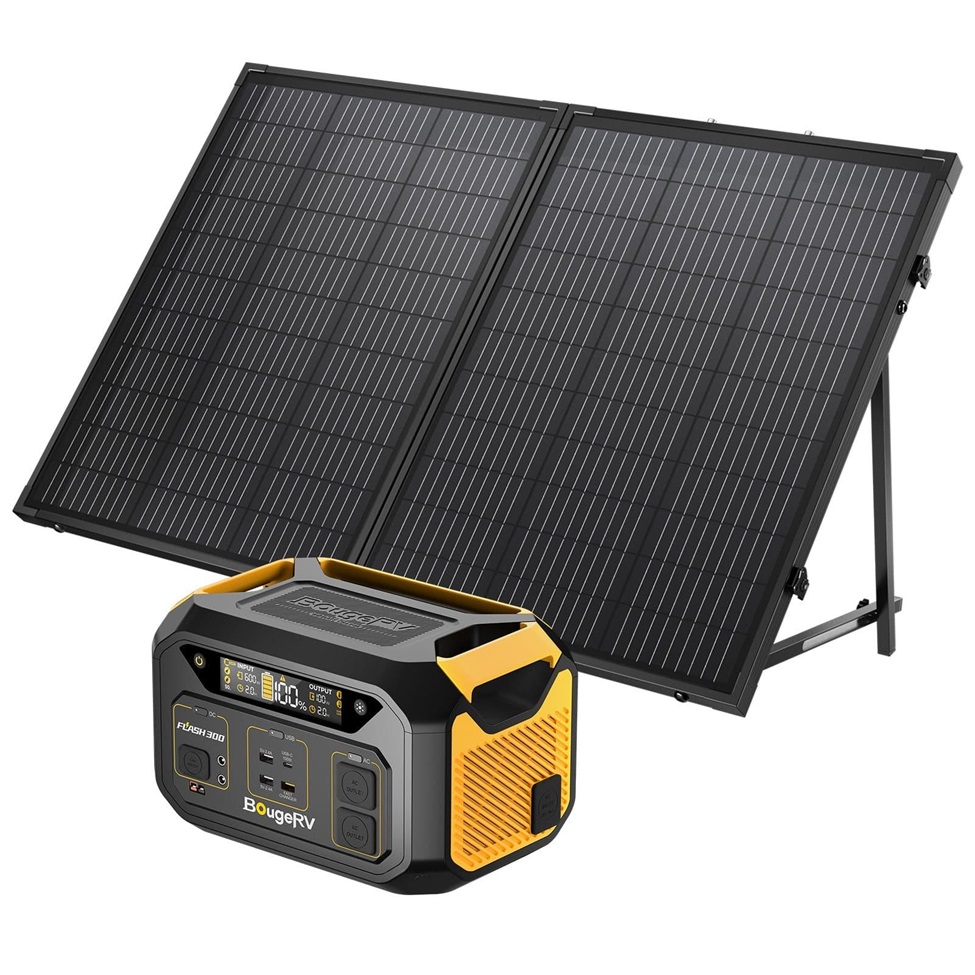
A 200 watt solar panel is a photovoltaic (PV) panel that can generate up to 200 watts of electricity under optimal sunlight conditions. It typically measures around 58 to 65 inches in length and 26 to 30 inches in width, making it relatively compact and easy to handle. The panel consists of multiple solar cells made from silicon, a material that efficiently converts sunlight into electrical energy.

This type of solar panel is designed to be compatible with various applications, from small residential setups to portable power systems for RVs, boats, and off-grid cabins. Its size and power output make it a practical choice for those seeking a balance between energy generation and space efficiency.
2. Key Uses of a 200 watt solar panel

The 200 watt solar panel is incredibly versatile and can be used in a wide range of applications. Here are some of the most common uses:

  • Home Energy Systems: A 200 watt solar panel can be a valuable addition to a home energy system, especially for those who want to start small or have limited roof space. It can power small appliances, charge batteries, or supplement the existing grid supply, reducing electricity bills and promoting energy independence.
  • Portable Power for RVs and Camping: For outdoor enthusiasts, a 200 watt solar panel is an ideal solution for powering an RV or camping setup. It provides enough power to run essential appliances like lights, fans, or even a small refrigerator, enhancing comfort without relying on noisy generators or constant grid connections.
  • Marine Use: On boats, a 200 watt solar panel can charge batteries, power navigation equipment, or run small appliances. It is particularly useful for longer trips where access to shore power is limited, allowing boaters to remain self-sufficient on the open water.
  • Off-Grid Living: For those living in remote areas or seeking an off-grid lifestyle, a 200 watt solar panel offers a reliable source of renewable energy. It can power basic needs like lighting, communication devices, and water pumps, making off-grid living more feasible and sustainable.
  • Emergency Backup Power: In areas prone to power outages, a 200 watt solar panel can provide an emergency power source for essential devices like phones, radios, and medical equipment. This ensures that critical communication and safety needs are met even during prolonged blackouts.

3. Importance of Choosing a 200 watt solar panel

Choosing a 200 watt solar panel brings several important benefits, making it a valuable investment for many users. Here are some key reasons to consider:

  • Compact Size with Adequate Power: A 200 watt solar panel strikes a good balance between size and power output. It’s compact enough to be installed in limited spaces, yet powerful enough to generate sufficient electricity for various applications. This makes it an ideal choice for those who want to harness solar energy without committing to larger, more cumbersome panels.
  • Affordability: Compared to higher-wattage panels, a 200 watt solar panel is generally more affordable, making it an accessible option for individuals and families looking to reduce their carbon footprint without a significant upfront investment. Its cost-effectiveness is further enhanced when considering the savings on electricity bills over time.
  • Ease of Installation and Portability: The relatively small size of a 200 watt solar panel means it is easier to install and transport than larger panels. This makes it suitable for DIY installations and portable setups, such as those needed for RVs or camping. The panel’s portability also allows for flexibility in positioning, enabling users to maximize sunlight exposure throughout the day.
  • Energy Independence: Relying on a 200 watt solar panel for part of your energy needs can reduce dependence on the grid and fossil fuels. This contributes to greater energy security, especially in areas with unreliable grid connections or frequent power outages. Additionally, it empowers individuals to take control of their energy consumption, promoting a more sustainable lifestyle.

4. Why Opt for a 200 watt solar panel?

There are several compelling reasons to opt for a 200 watt solar panel:

  • Sustainability: Solar energy is a clean, renewable resource that reduces carbon emissions and helps combat climate change. By choosing a 200 watt solar panel, you are contributing to a more sustainable future by decreasing your reliance on non-renewable energy sources.
  • Adaptability: A 200 watt solar panel is incredibly adaptable, making it suitable for a range of uses, from home energy systems to outdoor adventures. Whether you need to power a small appliance in your house or provide electricity on a remote camping trip, this panel is versatile enough to meet your needs.
  • Cost-Effectiveness: With a relatively low upfront cost and the potential for significant energy savings over time, a 200 watt solar panel is an economical choice. Additionally, many regions offer incentives or rebates for solar installations, further enhancing the return on investment.
  • Ease of Maintenance: Solar panels, including the 200-watt variety, require minimal maintenance. Regular cleaning to remove dust and debris and occasional checks for damage are usually sufficient to keep them operating efficiently for many years. This low-maintenance requirement makes them an attractive option for both residential and portable applications.
  • Scalability: A 200 watt solar panel can be part of a modular solar energy system, allowing you to expand as your energy needs grow. You can start with one panel and add more over time, creating a scalable solution that adapts to your changing requirements.

5. Practical Tips for Using a 200 watt solar panel Effectively

To make the most of a 200 watt solar panel, consider the following practical tips:

  • Optimize Placement: Ensure that the panel is positioned to receive maximum sunlight throughout the day. This often means placing it in a south-facing direction with minimal shade.
  • Regular Cleaning and Maintenance: Dust, dirt, and debris can reduce a solar panel’s efficiency. Regularly clean the panel with water and a soft brush to maintain optimal performance.
  • Use Energy-Efficient Devices: Pairing the solar panel with energy-efficient appliances and devices can extend its capabilities, allowing you to do more with the power generated.
  • Monitor Performance: Use a solar charge controller or energy monitor to track the panel’s performance and ensure it is generating the expected amount of electricity.

Conclusion

The 200 watt solar panel is a versatile, efficient, and cost-effective solution for a wide range of energy needs. Whether you are looking to supplement your home’s energy, power your outdoor adventures, or embrace an off-grid lifestyle, this solar panel offers a practical and sustainable option. By understanding its uses, benefits, and practical applications, you can make an informed decision that aligns with your energy goals and helps contribute to a cleaner, greener future.

 

Coinbase Stock Falls 21% the Largest Weekly Decline This Year

0

The cryptocurrency market is known for its volatility, and Coinbase, as a major player in the industry, is not immune to these fluctuations. The recent 21% drop in Coinbase stock is the largest weekly decline the company has faced this year, signaling a significant moment for investors and the cryptocurrency community at large.

Coinbase’s stock has faced a challenging week, resulting in a decline that has seen the cryptocurrency exchange fall below Block, Inc. in market capitalization. Despite this, some analysts suggest that Coinbase Global Inc (COIN) may be more resilient than it appears. Investors often prefer to invest in shares held by company insiders, as management is typically more aligned with the company’s success and shareholder interests. Currently, insiders own just over 23% of Coinbase Global Inc’s shares, while financial institutions hold 42.32%.

This type of growth is hard to come by in today’s market. As a clear industry leader driving innovation, Coinbase is the ultimate growth stock to buy with $1,000 today for three key reasons. Coinbase makes money from transactions occurring on its exchange, and despite the recent drop, it remains a strong contender in the market.

The recent downturn in Coinbase’s stock price reflects broader market trends and investor sentiment towards the cryptocurrency market. The company’s upcoming earnings report, scheduled between October 31 and November 4, 2024, will be a critical moment for investors to gauge the health and future prospects of Coinbase.

Coinbase’s journey since its founding in 2012 has been marked by rapid growth and expansion, providing financial infrastructure and technology for the crypto economy in the United States and internationally. The company offers the primary financial account in the crypto economy for consumers and a marketplace with a pool of liquidity for transacting in crypto assets for institutions. It also provides technology and services that enable developers to build crypto products and securely accept crypto assets as payment.

Despite the recent slump, it’s important to consider the broader perspective. Coinbase has been a resilient player in the cryptocurrency space, with a history of navigating through market cycles. The company’s fundamentals, such as its revenue streams and innovation in financial technology, remain strong. Moreover, insiders and financial institutions continue to hold a substantial portion of Coinbase shares, indicating a level of confidence in the company’s long-term prospects.

For investors, these market movements can be concerning, but they also present opportunities. Market corrections can provide entry points for those who have been waiting on the sidelines. It’s essential for investors to conduct thorough research and consider their investment horizon and risk tolerance before making decisions.

Coinbase’s upcoming earnings report will be closely watched for insights into the company’s performance and strategic direction. As the cryptocurrency landscape evolves, Coinbase’s role in shaping the future of digital finance will be of great interest to stakeholders and observers alike.

Coinbase’s resilience in the face of regulatory changes and its ability to innovate and adapt will be key factors in its recovery and future growth. For those looking at the long-term potential of cryptocurrency and blockchain technology, Coinbase’s current stock price may present an opportunity for investment.

Analyzing the Kremlin’s Stance on Ukraine Peace Talks

0

The recent dismissal by the Kremlin of Germany’s overtures for peace talks regarding the Ukraine conflict marks a significant moment in international diplomacy. The German Chancellor’s suggestion for a peaceful resolution was met with a clear rebuff from the Kremlin, indicating a stark divergence in the approaches to the ongoing situation in Ukraine.

The conflict began with Russia’s annexation of Crimea in 2014 and has since involved the eastern regions of Donetsk and Luhansk. Ukraine’s sovereignty and territorial integrity remain central to the dispute. Ukraine’s strategic location between Russia and the European Union has heightened tensions. Russia’s resistance to Ukraine’s closer ties with the West, especially the EU and NATO, has been a significant factor in the escalation of the conflict.

Russia has expressed strong opposition to Ukraine joining NATO, viewing it as a threat to its own security. The presence of NATO forces and military exercises in Eastern Europe has been a point of contention. The conflict has severely impacted Ukraine’s economy and political landscape, with implications for energy security and economic relations in the region.

The Kremlin’s stance, as articulated by Dmitry Peskov, the spokesperson for Russian President Vladimir Putin, underscores a fundamental disagreement with the German perspective. The suggestion that peace talks could be initiated at this juncture was flatly rejected, with Peskov stating that no “tangible contours” for a peaceful settlement have emerged. This response not only highlights the current impasse but also reflects the complexities of negotiating peace in the shadow of ongoing conflict.

The war has had devastating human rights consequences, with thousands of civilians killed and injured, and millions displaced within Ukraine and as refugees. Disinformation campaigns have been a persistent issue, with both sides accusing each other of spreading false information to influence public opinion and international perspectives.

The German Chancellor’s call for accelerated peace talks aligns with a broader desire within the international community for a resolution to the conflict that respects the sovereignty and territorial integrity of Ukraine. However, the Kremlin’s position suggests that their prerequisites for such discussions are not being met, particularly concerning territorial concessions and the broader control over Ukraine’s future.

The divergence in viewpoints between Germany and the Kremlin is emblematic of the broader challenges facing peace negotiations. The Ukrainian leadership’s categorical rejection of the concessions demanded by Moscow, which they equate to capitulation, further complicates the prospect of talks. President Volodymyr Zelensky’s calls for a “just peace” adds another layer to the discourse, emphasizing the need for a resolution that is equitable and honors the sacrifices made by the Ukrainian people.

The interplay of these diplomatic positions reveals the intricate web of interests, demands, and geopolitical strategies that define the current impasse. The path to peace is fraught with obstacles, not least of which is the alignment of diverse international actors with the conflicting parties’ objectives. The German Chancellor’s initiative, while reflective of a commitment to peace, must navigate the realities of a situation where consensus seems distant.

As the world watches the unfolding events, the importance of continued dialogue and diplomatic efforts cannot be overstated. The resolution of the Ukraine conflict will require not only the willingness to engage in talks but also the capacity to bridge the significant divides that currently exist. The Kremlin’s dismissal of Germany’s “chatter” about peace talks is a sobering reminder of the long road ahead in the quest for peace in Ukraine.

Nigerian Securities and Exchange Commission’s Stance on Unlicensed Crypto Firms

0

In a significant move to regulate the burgeoning cryptocurrency market within its jurisdiction, the Nigerian Securities and Exchange Commission (SEC) has announced its intention to commence enforcement actions against unlicensed crypto firms operating in the country. This decision underscores the SEC’s commitment to establishing a clear regulatory framework and protecting investors from potential risks associated with unregulated digital asset markets.

The SEC’s Director General, Emomotimi Agama, has been vocal about the regulatory body’s stance, emphasizing that the enforcement actions are aimed at entities that intend to operate in the Nigerian market without seeking regulation. The SEC’s approach is not merely punitive but also developmental, as it seeks to foster a secure and regulated environment conducive to market growth without stifling innovation.

The recent developments follow the SEC’s move last month to begin issuing licenses to compliant crypto firms, signaling a cautious yet progressive approach to cryptocurrencies. Notably, licenses were granted to cryptocurrency exchanges Quidax and Busha, among others, which met the regulatory requirements set forth by the SEC.

The Nigerian Securities and Exchange Commission (SEC) has established a comprehensive set of requirements for entities seeking to operate as Digital Assets Exchange (DAX) operators within the country. The aim is to create a regulated environment that ensures investor protection while fostering innovation in the digital assets space. Here are the specific requirements for obtaining a crypto license in Nigeria:

Application Fee: Entities must pay an application fee of ?100,000 ($240).
Processing Fee: A processing fee of ?300,000 ($722.46) is required.
Registration Fee: The registration fee is set at ?30 million ($72,000).
Minimum Paid-up Capital: DAX operators must maintain a minimum paid-up capital of ?500 million ($1.2 million).

Additionally, crypto exchanges and other digital asset service providers must register with the Corporate Affairs Commission (CAC) and adhere to the SEC’s regulations to operate legally in Nigeria. The SEC has also introduced the Regulatory Incubation Program, which allows firms to test their business models under SEC supervision, further integrating them into the regulatory framework.

Furthermore, the SEC has introduced the Regulatory Incubation Program (RI), which allows firms to test their business models and technologies in a controlled environment under SEC supervision. This program is part of the SEC’s broader strategy to integrate firms into the regulatory framework, especially those that had commenced operations before the issuance of the Rules on Virtual Asset Service Providers in May 2022.

These measures reflect Nigeria’s proactive approach to managing the risks and opportunities presented by the growing interest in cryptocurrencies, ensuring that the market’s expansion is matched with investor security and legal compliance. For more detailed information, entities can refer to the full guidelines provided by the SEC.

The SEC’s proactive measures come at a time when the global crypto landscape is witnessing increased scrutiny from regulators, aiming to balance the need for innovation with investor protection. Nigeria’s SEC is positioning itself as a forward-thinking regulator, aware of the potential of digital assets and the necessity of a robust regulatory system to support its growth.

As the SEC embarks on this regulatory journey, the crypto community, investors, and stakeholders will be watching closely to see how these enforcement actions unfold and what impact they will have on the future of cryptocurrency in Nigeria and beyond.

Regulatory and High Compliance Costs Threaten Nigerian Banking Industry – Elumelu

0

The Nigerian banking sector is currently facing significant challenges that threaten its ability to sustain growth and drive innovation. High regulatory and compliance costs have become a pressing issue, burdening financial institutions with expenses that could potentially stifle the sector’s capacity to contribute to the country’s economic development.

Tony Elumelu, Chairman of the United Bank for Africa (UBA) Group, highlighted these concerns during his keynote speech at the CIBN 17th Annual Banking & Finance Conference, where he emphasized the need for urgent reforms to alleviate the financial strain on banks.

Elumelu’s remarks come at a critical time when Nigeria’s banking sector is being leaned on to support an economy grappling with inflation, foreign exchange volatility, and dwindling investor confidence.

During his address, Elumelu noted the essential function banks play in Nigeria’s economic landscape but stressed that regulatory and compliance costs have risen to a level where they are now constraining growth. He called for collaboration between the government, regulatory bodies, and banking institutions to address these issues.

He stated, “The sector employs millions, provides crucial financial support to countless businesses, and generates income for millions of shareholders. However, the sector faces challenges that impede its growth and innovation, including regulatory and high compliance costs.”

This burden, according to Elumelu, has been made worse by Nigeria’s regulatory framework, which imposes stringent costs on banks in the form of levies and fees.

The Heavy Financial Burden from AMCON

Lending credence to Elumelu’s assertion is the burden of the levy the banks are mandated to pay to The Asset Management Corporation of Nigeria (AMCON).

A major financial obligation for Nigerian banks comes from contributions to the Asset Management Corporation of Nigeria (AMCON). Since AMCON’s inception in 2011, which was aimed at recovering bad loans in the banking system, it has relied heavily on the financial sector for funding. The Central Bank of Nigeria (CBN) has been contributing N50 billion annually to the AMCON resolution trust fund, while banks themselves are mandated to make additional payments to this fund.

The cost of these contributions is significant. AMCON fees now account for approximately 11.43% of banks’ operating expenses, making them one of the largest single expenses for many financial institutions. Over the last decade, from 2014 to 2023, 10 deposit money banks in Nigeria collectively paid a staggering N1.66 trillion into the Banking Sector Resolution Cost Trust Fund (BSRCTF), also known as the AMCON sinking fund.

In 2021, Nigerian banks, with combined assets of N70.25 trillion, paid N259.75 billion to AMCON in levies, representing a 17% increase from the N300.65 billion paid in 2020. As banks grow their asset bases, the levies increase correspondingly, putting additional pressure on profitability.

Shareholders argue that this ongoing financial burden is eroding their value, as it takes a significant portion of potential returns.

The financial toll of these levies has not only affected banks’ balance sheets but has also had a profound impact on shareholder returns and market competitiveness. According to economic analysts, the mandatory contributions to AMCON have consistently undermined banks’ profitability, reducing returns on average assets (ROAA) and returns on average equity (ROAE) by as much as 0.6%. This translates to an estimated 30% depletion in the bottom lines of Nigerian banks, making them less profitable compared to their peers in other frontier and emerging markets.

For instance, in 2015, 13 banks contributed a total of N107.9 billion to AMCON. By 2021, contributions surged to N259.75 billion, largely in line with the sector’s growing assets. This also meant that banks had less to reinvest in new products, services, and technological innovations, effectively stunting their ability to compete globally.

Financial experts warn that if these regulatory costs continue to rise, Nigerian banks may face declining investor interest, as profitability becomes less attractive relative to other markets.

Given the current financial situation, Elumelu is advocating for meaningful dialogue between the government, banking institutions, and regulatory bodies to craft a more conducive environment that allows banks to thrive. Without such intervention, he warned, the sector could be hamstrung by regulatory burdens at a time when it is most needed to drive economic recovery.

Elumelu’s comments resonate with growing concerns across the financial sector about the sustainability of the current regulatory regime. In addition to AMCON levies, banks are grappling with compliance costs related to other regulatory frameworks.

Financial experts say that the cumulative effect of these requirements is that banks are left with little room to innovate or expand their services, which could have long-term consequences for Nigeria’s economic growth.