DD
MM
YYYY

PAGES

DD
MM
YYYY

spot_img

PAGES

Home Blog Page 3057

Happy John Hunpatin for Ten Tekedia Mini-MBA Scholarships

0

Good People, join me to thank John Hunpatin for donating to Tekedia General Scholarship. As part of celebrating his birthday (Happy Birthday, John), he is sponsoring 10 people to attend free our world-class Tekedia Mini-MBA.

As we wish Mr. John more years in wealth, health and wisdom, we appreciate his generosity. More people attend Tekedia Institute programs free than any university in Africa through scholarships and fellowships.

For these 10 John Hunpatin Scholars, we received this instruction: “We want these scholarships to be gifts that keep on giving through the recipients…impress on the recipients that the provider wants them to freely give whenever they are in a position to be a blessing to others”.

As always, we do not do any scholarship selection here. Ideas Worth Billions IWB Africa, a non-profit run by many young people across Africa, does all scholarship selections. Once they do, they send us the list for enrollment.  If interested, connect with IWB, as you join me to wish John a great birthday.

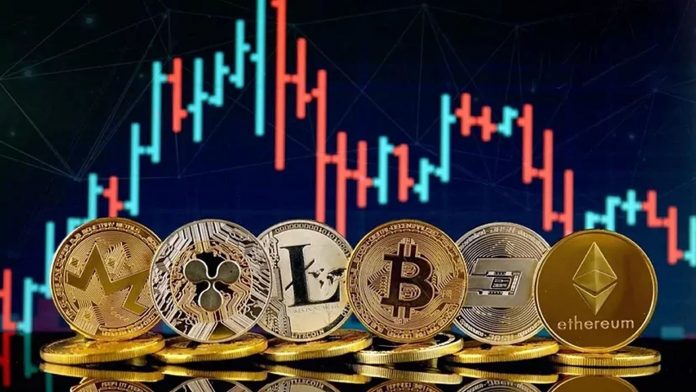
Crypto Market Plunges, $270 Billion Wiped Out as Bitcoin And Ether Prices Tumble

0

The cryptocurrency market has experienced a significant downturn, erasing $270 billion in market value as major digital assets record sharp declines.

Bitcoin, the leading cryptocurrency by market valuation, fell below the $50,000 Mark, a level it hadn’t reached since February this year.

Ether, the second-largest cryptocurrency, also suffered substantial losses during this market selloff. The crypto asset dropped 15% to $2,321.95, bringing its three-day loss to 23%. This move follows a broader market sell-off that began last week when a weaker-than-anticipated July jobs report renewed investor fears of recession.

The selloff in the crypto market coincided with a broader slide in equities in Asia-Pacific markets. Japan’s Nikkei 225 dropped as much as 7%, extending losses that began last week after the Bank of Japan announced it would hike its benchmark interest rate to the highest level in 16 years.

Commenting on this, a crypto market analyst at Japanese Bitcoin exchange Bitbank, Yuya Hasegawa said,

“Until last Wednesday, everybody was thinking that inflation was going down gradually and the economy was relatively strong, so the Fed would start cutting rates with a successful soft landing of the economy. However, July’s U.S. manufacturing PMI and jobs report came in way weaker than the market expected and now investors are worrying about the possibility of recession and dumping risk assets.

“That said, the market’s reaction has been a tad excessive, given there is no absolute evidence that the economy is in recession yet, we will likely see some recoil this week.”

Also speaking to Cointegraph, eToro market analyst Josh Gilbert said crypto is often a “leading indicator of sentiment”, noting that when investors panic or look to deleverage, crypto is often the first asset on the list. 

In his words,

“However, in these scenarios, it’s important to zoom out. Crypto assets have sold off, but many investors will see an opportunity. We see Federal Reserve rate cuts, which are now likely to come sharper than expected, as hugely positive for crypto assets”.

The sharp downward crypto market decline has now seen over $740 million in leverage positions wiped out in the last 24 hours, with just over $644 million in leveraged longs being liquidated, according to CoinGlass data. 

Notably, traders looking to gain leveraged exposure to Ether were the hardest hit, with over $256 million in ETH longs cleaned up, while $231 million in BTC longs were forcibly closed.

According to experts, the latest crypto wipeout will be felt by a broader base of investors after the SEC this year approved new spot exchange-traded funds for bitcoin and ether. The ETFs have seen hundreds of millions of dollars flow into the coins.

Analysis has revealed that August has historically been a red month for Bitcoin with a 63% decline rate. Meanwhile, despite the decline several crypto traders have expressed their bullish sentiment on the crypto asset.

Meanwhile, amid the broader market, there are speculations that a wave of financial collapses in multiple markets is happening across the world.

An X user @ShadowofEzra wrote,

“A wave of financial collapses in multiple markets is happening across the world. Black Swan or Black Monday?

“Stocks and crypto have plunged as investors start to panic while a global sell-off deepens. Absolute chaos in Japan as stocks are on track for their biggest decline in more than eight years, following a significant drop last Friday. This is an even larger drop than the Black Monday crash of 1987.

“South Korea has halted all sell orders as markets crash more than 5%. In the United States, the Magnificent 7 stocks have erased nearly $500 billion overnight. With rumors of World War III and civil war across Europe, the markets are expecting an even deeper crash tomorrow”.

The Lesson from the Protests in England

0

This is England. The land which illegally conquered and destroyed empires and kingdoms. But recently, it has been looking for how to hide in its “house”, away from the world it ravaged over centuries. First was to do BREXIT, the current evolution is to attack migrant ethnic minorities.

Get it right as Nigeria has issued a travel advisory to the UK: “The Nigerian Ministry of Foreign Affairs has issued a travel advisory warning its citizens about the increased risk of violence and disorder in the United Kingdom. This advisory comes in the wake of riots and protests targeting black immigrants and ethnic minorities in the UK. Nigeria is the second country, following Malaysia, to issue such a warning to its citizens. The Nigerian government advises its citizens to be cautious, avoid public gatherings, and stay informed about local events in the UK.”

All humans are the same. Simply, when people are not sure of their future, even shadows become threats. The riots in England are unfortunate because the young men do not understand that everyone is a victim. Yes, the immigrants, the homelands, etc are all victims. All are victims because in a bid for me to win, and you to lose, we destroy everything.

There is no reason for protests in England. There is no reason for protests in Nigeria. And More. If the world sees ALL as one people. We have got tons of opportunities. But will the leaders lead with human shared interests?

Good People, do not allow circumstances to test your “civilized” culture. Because when the future seems lost, you will understand that all humans are largely the same. What makes us different is the environment & opportunity around us. Please stay safe in England if you are there.

The Impact of Web3 Gaming on Identity and Security

0

As the gaming industry continues to evolve, the integration of Web3 technologies has ushered in a new era of decentralized, user-centric gaming experiences. This paradigm shift not only redefines the way we interact with games but also profoundly impacts the realms of digital identity and security. In this comprehensive article, we will explore the transformative influence of Web3 gaming on identity management, privacy, and the overall security landscape.

Empowering User Control through Decentralized Identities

At the heart of the Web3 gaming revolution lies the concept of decentralized identities (DIDs). These cryptographically-secured digital personas empower users with unprecedented control over their personal information and online interactions. Unlike traditional centralized systems, DIDs eliminate the need for multiple game-specific login credentials, streamlining the user experience and reducing the risk of password fatigue.

Seamless Interoperability

The interoperability of decentralized identities is a game-changer for Web3 gaming. Users can now seamlessly transition between various platforms and services, leveraging a single, secure login credential. This not only enhances convenience but also strengthens security by mitigating the risks associated with reusing the same login details across multiple accounts.

Enhanced Privacy and Data Ownership

Web3 gaming’s embrace of decentralized identities grants users greater control over their personal data. Players can now selectively share information with trusted entities, revoking access at any time. This user-centric approach to data management aligns with the principles of privacy-by-design, fostering trust and transparency within the gaming ecosystem. To dive deeper into how this impacts gambling platforms, read more about how Web3 is revolutionizing data security and privacy.

Fortifying Security in the Web3 Gaming Landscape

The integration of blockchain technology in Web3 gaming introduces a new paradigm for security, addressing the longstanding challenges of the traditional gaming landscape.

Eliminating Single Points of Failure

Centralized gaming platforms have historically been vulnerable to data breaches and cyberattacks, exposing user information and assets to potential exploitation. Web3 gaming’s decentralized architecture, powered by blockchain, distributes data and infrastructure across a network of nodes, effectively eliminating single points of failure and enhancing system resilience.

Secure Credential Management

Decentralized identities in Web3 gaming leverage advanced cryptographic techniques to secure user credentials, significantly reducing the risks of identity theft and fraud. The immutable nature of blockchain-based records ensures the tamper-proof storage and verification of user data, fortifying the overall security posture of the gaming ecosystem.

Combating Bots and Deepfakes

The proliferation of bots and AI-driven deepfake accounts has been a persistent challenge in the traditional gaming landscape. Web3 gaming’s adoption of decentralized identities and one-time “humanity checks” during the user onboarding process presents a robust solution to this problem. By verifying the legitimacy of user identities, Web3 gaming platforms can effectively mitigate the threat of bots and deepfakes, promoting a fair and secure gaming environment.

Redefining Data Ownership and Monetization

The integration of Web3 technologies in gaming has ushered in a transformative shift in the way players interact with and own their digital assets.

Non-Fungible Tokens (NFTs) and Player Empowerment

Non-Fungible Tokens (NFTs) have emerged as a pivotal component of Web3 gaming, enabling players to own, trade, and monetize their in-game assets. This paradigm shift grants users unprecedented control over their digital possessions, empowering them to extract value from their gaming experiences in novel ways.

Monetization Opportunities for Players

Web3 gaming’s embrace of NFTs and decentralized ownership models opens up new avenues for player monetization. Users can now actively participate in the value creation process, selling or exchanging their in-game assets, achievements, and even personal gaming data, transforming their participation into a revenue stream.

Balancing Transparency and Privacy

While the transparency inherent in blockchain technology fosters trust and fairness within the Web3 gaming ecosystem, it also raises concerns about user privacy. Developers must strike a delicate balance, leveraging privacy-preserving protocols and cryptographic techniques to safeguard sensitive player information while maintaining the necessary level of transparency.

Fostering a Secure and Inclusive Web3 Gaming Ecosystem

Navigating the complexities of Web3 gaming requires a multifaceted approach that prioritizes security, privacy, and user empowerment.

Collaborative Efforts for Enhanced Security

Successful Web3 gaming platforms must engage in collaborative efforts with blockchain and cybersecurity experts to stay ahead of evolving threats. Implementing robust security frameworks, conducting regular audits, and adopting industry-leading best practices are crucial for maintaining the integrity of the gaming ecosystem.

User Education and Awareness

Empowering users with a comprehensive understanding of Web3 gaming’s security and privacy features is essential for building trust and fostering user confidence. Transparent communication and educational initiatives equip players with the knowledge to make informed decisions, actively participate in the gaming ecosystem, and safeguard their digital identities.

Inclusive Onboarding and Accessibility

To ensure the widespread adoption and inclusivity of Web3 gaming, platforms must prioritize seamless onboarding processes and accessibility for users of all technical proficiencies. Intuitive decentralized identity management tools and user-friendly interfaces can lower the barriers to entry, encouraging broader participation and driving the mainstream acceptance of Web3 gaming.

Conclusion: Navigating the Future of Web3 Gaming

As the gaming industry continues to evolve, the integration of Web3 technologies has ushered in a new era of decentralized, user-centric gaming experiences. By empowering users with decentralized identities, enhancing security, and redefining data ownership, Web3 gaming is poised to transform the landscape of digital entertainment.

However, this transformation is not without its challenges. Developers and stakeholders must navigate the intricate balance between transparency and privacy, ensuring that the benefits of Web3 gaming are realized while safeguarding user trust and data sovereignty.

As we look towards the future, the successful adoption and growth of Web3 gaming will depend on the industry’s ability to collaborate, innovate, and prioritize the needs and security of the players. By embracing these principles, the gaming industry can unlock the full potential of Web3 and usher in a new era of immersive, secure, and empowering gaming experiences.

Central Bank’s Role in Currency Exchange Operations

0

Central banks play a key role in the economy, especially in currency exchange. They manage the country’s money supply and interest rates, ensuring economic stability. This role influences how money moves across borders and affects the value of currencies. Let’s explore how central banks impact currency exchange, using simple words and clear examples. As an investor, there is much more than investing that you need to be aware of! Go bitiq-app.com now and get a chance to stay informed by connecting with educational firms.

Managing Exchange Rates and Stabilizing the Economy

Central banks control the exchange rate, which is the value of one currency compared to another. They use different methods to manage this rate. Sometimes, they allow the rate to float, meaning it changes based on supply and demand. Other times, they fix the rate, keeping it steady by buying or selling their currency.

For example, if a central bank wants to keep its currency strong, it may buy its currency using foreign reserves. This reduces the supply of its currency and increases its value. Conversely, to weaken its currency, the bank sells its currency, increasing its supply and lowering its value. This strategy is used to make a country’s exports cheaper and more attractive to other countries.

Central banks also work to keep the economy stable. They adjust interest rates and control the money supply. When the economy grows too fast and inflation rises, they might raise interest rates. This makes borrowing more expensive and slows down spending. On the other hand, if the economy is slow, they might lower interest rates to encourage borrowing and spending.

These actions affect currency exchange rates. Higher interest rates attract foreign investors looking for better returns, increasing demand for the currency and raising its value. Lower interest rates do the opposite, making the currency less attractive and lowering its value. By managing interest rates and the money supply, central banks influence how currencies are exchanged and valued globally.

Acting as a Lender of Last Resort

In times of financial crisis, central banks step in as lenders of last resort. They provide emergency funds to banks and financial institutions to prevent collapse. This role is crucial for maintaining trust in the financial system and ensuring stability.

For instance, during the 2008 financial crisis, central banks around the world provided massive amounts of money to stabilize their economies. These actions helped to restore confidence and keep the global financial system functioning. Such measures can also impact currency exchange rates, as they influence economic stability and investor confidence.

Regulating Foreign Exchange Reserves

Central banks hold foreign exchange reserves, which are assets in other currencies. These reserves are used to manage their own currency’s value and to intervene in the foreign exchange market when necessary. By buying and selling these reserves, central banks can influence exchange rates and maintain economic stability.

For example, if a central bank holds a large amount of US dollars and wants to increase the value of its own currency, it can sell some of these dollars in exchange for its own currency. This action reduces the supply of its currency in the market, increasing its value. Holding and managing these reserves allows central banks to have a direct impact on currency exchange rates.

Central banks play a vital role in currency exchange through managing exchange rates, stabilizing the economy, acting as lenders of last resort, and regulating foreign exchange reserves. Their actions influence the value of currencies and impact global financial markets. Understanding the role of central banks can help you make informed decisions when dealing with currency exchange.

When it comes to investing or managing money across borders, it’s wise to stay informed about central bank policies and their potential impact on currency values. Always consider consulting with financial experts to navigate these complexities and make the best financial decisions.

Higher interest rates attract foreign investors looking for better returns, increasing demand for the currency and raising its value. Lower interest rates do the opposite, making the currency less attractive and lowering its value. By managing interest rates and the money supply, central banks influence how currencies are exchanged and valued globally.

Conclusion

In a world where money moves at the speed of light, central banks are the steady hands guiding the flow. Their influence on currency exchange is a critical aspect of the global economy, affecting everything from the cost of your next vacation to the performance of international investments. Stay savvy and keep an eye on the actions of these financial gatekeepers to better understand the ever-shifting landscape of currency exchange.