DD
MM
YYYY

PAGES

DD
MM
YYYY

spot_img

PAGES

Home Blog Page 3060

US Inflation Falls to 2.9% in July 

0

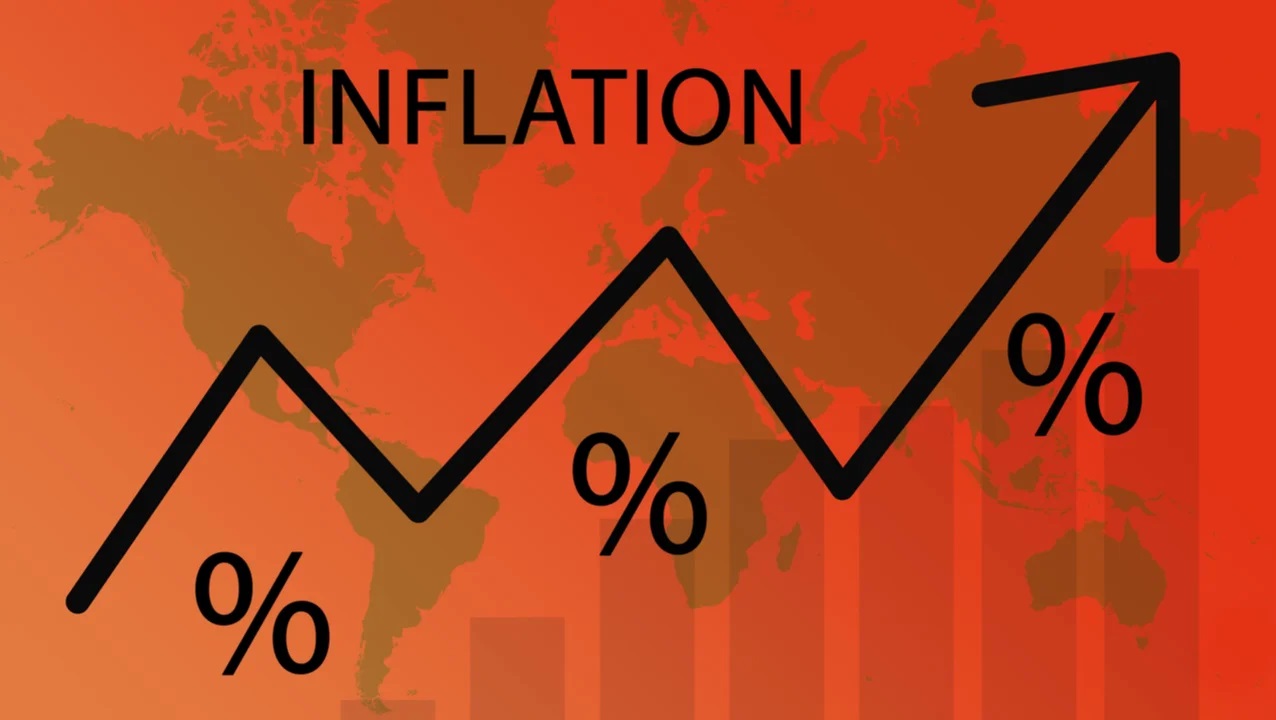
The latest data on the US inflation rate has brought a wave of relief across various sectors, with the figure dropping to 2.9%, which is lower than what many economists had anticipated. This decrease in inflation is a significant indicator of the economy’s health and has potential implications for monetary policy and consumer confidence.

Inflation is a measure of the rate at which the general level of prices for goods and services is rising, and subsequently, how purchasing power is falling. Central banks attempt to limit inflation — and avoid deflation — in order to keep the economy running smoothly.

The reported 2.9% inflation rate is a positive sign, suggesting that the economy is not overheating. It may also influence the Federal Reserve’s decisions on interest rates, as lower inflation typically reduces the pressure to hike rates. Many believe that the Fed is behind the curve and should cut rates more aggressively if it is to avoid a recession.

The Consumer Price Index (CPI) data for July, released by the Bureau of Labor Statistics, was expected to show a slight decrease in inflation, with the annual rate projected at 2.9%, down from 3% in June. This aligns with the Producer Price Index (PPI) data released earlier, which showed an overall easing in inflationary conditions and increased expectations that interest rates are poised to fall in the US.

The recent decrease in US inflation to 2.9% can be attributed to a confluence of factors that have collectively eased price pressures across the economy. Here are some of the key contributors:

Monetary Policy Adjustments: The Federal Reserve’s proactive measures, including interest rate hikes in the previous years, have played a crucial role in tempering inflation. These adjustments have helped cool down an overheated economy and bring inflation closer to the Fed’s long-term target.

Supply Chain Recovery: The supply chain disruptions that significantly drove up prices during the pandemic have begun to resolve. As the flow of goods becomes smoother and more predictable, it has helped stabilize prices and reduce inflationary pressures.

Energy Prices: A major factor contributing to the decrease in inflation has been the stabilization and, in some cases, reduction in energy prices. This has had a knock-on effect on the costs of production and transportation, which in turn has helped to keep consumer prices in check.

Housing Market Adjustments: Although shelter inflation has remained relatively high, there have been signs of cooling in the housing market. This is partly due to higher mortgage rates dampening demand and slowing the rapid increase in housing prices.

The current inflation rates are a stark contrast to the previous year’s figures, where the annual inflation rate for the United States was 3% for the 12 months ending June, compared to the previous rate increase of 3.3%. The decrease to 2.9% is a modest but important improvement that could signal a more stable economic environment moving forward.

This development is particularly significant given the historical context of US inflation rates. The last time the annual inflation rate was below 3.0% was in March 2021, when consumer prices increased 2.6% on a 12-month basis. The current rate of 2.9% suggests a return to a more moderate inflation environment, reminiscent of pre-pandemic levels.

For consumers, the lower inflation rate may lead to less strain on their purchasing power, allowing for more discretionary spending. For businesses, it could mean lower costs for borrowing, investment, and expansion. The stock market often reacts positively to lower-than-expected inflation data, as it can reduce the likelihood of aggressive rate hikes.

The fall in the US inflation rate to 2.9% is a welcome development for an economy recovering from the effects of the pandemic and grappling with the challenges of returning to normalcy. It provides a cushion for the Federal Reserve in its monetary policy decisions and offers a breather for consumers and businesses alike. As always, it will be important to monitor how these figures evolve over time and what they mean for the broader economic landscape.


Crypto.com becomes the official sponsor of the UEFA Champions League

0

In a landmark move for the intersection of cryptocurrency and sports, Crypto.com has inked a multi-year sponsorship deal with the UEFA Champions League, positioning itself as the official sponsor of one of the most prestigious tournaments in club football. This deal, reportedly worth $495 million, marks a significant milestone in sports sponsorships, showcasing the growing influence of digital currencies in mainstream markets.

The UEFA Champions League, a tournament that has long been associated with the pinnacle of European club football, offers a global platform for brands to reach millions of fans. Crypto.com’s partnership with UEFA is set to bring the world of cryptocurrency into the limelight, offering a unique opportunity to increase awareness and adoption among a diverse audience.

The deal includes various elements such as in-stadium activations, broadcast integrations, and advertising campaigns, all aimed at enhancing the fan experience while promoting the Crypto.com brand. The timing of this sponsorship is particularly noteworthy, as it comes nearly two years after Crypto.com retracted a similar deal due to regulatory hurdles in key European markets.

Crypto.com’s journey in sports sponsorships has been marked by a series of high-profile deals, including naming rights to the Los Angeles Lakers’ home arena and partnerships with Formula 1. These collaborations have played a crucial role in establishing Crypto.com as a recognized global brand with a user base exceeding 100 million.

In the realm of motorsports, Crypto.com has been a prominent player as well. The company served as the title sponsor for the Crypto.com Miami Grand Prix, part of the Formula 1 racing series. This partnership not only highlighted Crypto.com’s commitment to high-adrenaline sports but also its dedication to reaching a global audience.

Moreover, Crypto.com was an official sponsor of the FIFA World Cup Qatar 2022, aligning itself with the world’s most popular sporting event. This sponsorship was a strategic move to connect with football fans worldwide and showcase the potential of cryptocurrency in global commerce.

These sponsorships demonstrate Crypto.com’s commitment to establishing a strong presence in the sports world, leveraging the universal appeal of sports to foster greater awareness and adoption of cryptocurrency. As the digital currency landscape evolves, Crypto.com’s involvement in sports sponsorships is likely to continue, potentially paving the way for more innovative partnerships in the future.

The strategic sports sponsorships undertaken by Crypto.com serve multiple benefits for the brand, primarily in terms of marketing, user acquisition, and brand positioning.

Brand Visibility: Sponsorships with high-profile sports entities like the UEFA Champions League and Formula 1 races offer Crypto.com unparalleled visibility. These events are watched by millions worldwide, providing a global stage for the brand.

User Acquisition: By aligning with sports that have a passionate and loyal fan base, Crypto.com taps into a diverse audience, potentially converting them into new users. The excitement and emotional connection fans have with sports can translate into engagement with the brand.

Market Positioning: Being associated with prestigious events such as the FIFA World Cup positions Crypto.com as a leader in the cryptocurrency space. It reflects the brand’s ambition and commitment to being at the forefront of the digital currency revolution.

Community Engagement: Sports sponsorships allow Crypto.com to engage with communities in meaningful ways, such as exclusive offers for fans or interactive experiences, fostering a sense of community among users.

This sponsorship is not just a win for Crypto.com but also for the UEFA Champions League, as it embraces innovative technologies to enhance the experience for fans and the community. The partnership is a testament to the potential of cryptocurrency platforms to engage with global audiences through the universal language of sports.

As the digital currency market continues to evolve, partnerships like these are likely to become more common, bridging the gap between traditional industries and the burgeoning crypto space. The Crypto.com and UEFA Champions League deal is a forward-looking initiative that could pave the way for future collaborations, driving innovation and engagement in both the sports and financial sectors.

Why is the EU Imposing a €200 million Fine on Hungary?

0

In a landmark decision, the European Court of Justice has imposed a €200 million fine on Hungary for non-compliance with the EU’s asylum policies. This unprecedented move underscores the EU’s commitment to upholding the rights of asylum seekers and the principles of solidarity among member states.

The fine stems from Hungary’s continued breach of EU laws, particularly its failure to adhere to a 2020 judgment that found the country in violation of the bloc’s asylum rules. The European Court of Justice had previously ruled that Hungary was unlawfully detaining asylum seekers and not respecting their right to remain in the country until their appeals were exhausted. Despite this ruling, Hungary did not amend its policies, leading to the substantial fine and an additional penalty of €1 million per day until compliance is achieved.

Hungary’s Prime Minister, Viktor Orbán, has expressed strong opposition to the fine, describing it as “outrageous and unacceptable.” He argues that Hungary has been defending the borders of the European Union and that the fine prioritizes the interests of migrants over European citizens.

The EU’s asylum policy is rooted in the principle that individuals fleeing persecution have the right to seek international protection. This policy is a fundamental aspect of the EU’s commitment to human rights and the rule of law. The fine against Hungary is a clear indication that the EU is serious about enforcing its laws and ensuring that all member states share the responsibility of protecting those in need.

The situation also highlights the ongoing debate within the EU regarding migration and border security. Hungary’s hardline stance on migration has been a point of contention, with the government erecting border fences and attempting to prevent crossings. The EU, however, maintains that solidarity and the fair treatment of asylum seekers are paramount.

Hungary was found to be unlawfully detaining people applying for international protection and not respecting their right to remain in Hungary until an appeal on their application was exhausted. This action was in direct contravention of EU laws that stipulate the right of asylum seekers to remain in the member state while their applications are being processed.

Furthermore, Hungary’s failure to follow these EU laws passed the responsibility of handling asylum applications onto other EU countries, undermining the principle of solidarity among member states. This was particularly significant in light of a new EU policy aimed at speeding up the asylum process, which requires member countries to either accept migrants from frontline nations or provide extra funding or resources.

The ECJ’s ruling and the subsequent fine imposed on Hungary serve as a reminder of the importance of adhering to EU asylum policies and the collective responsibility of member states to protect the rights of those seeking asylum.

As Hungary prepares to take over the rotating presidency of the EU, this fine sends a strong message that adherence to EU laws is non-negotiable. The decision by the European Court of Justice is not just about penalizing non-compliance; it is about affirming the values that the EU stands for and the collective responsibility of its member states to uphold these values.

The EU’s actions demonstrate a firm stance on the rule of law and human rights within the bloc. As the situation unfolds, it will be crucial to monitor how Hungary responds and whether it aligns its policies with the EU’s directives. The outcome of this issue will have significant ramifications for the future of EU asylum policy and the union’s internal cohesion.

As Foreign Capital Investment Remains Elusive, Nigeria Must Make Changes

0

When independent data speaks, you can calibrate where you are. Yes, Goldman Sachs puts Nigeria at 9th pole in Africa on foreign capital investment, and specifically in Q1 2024, we received $0 in the oil sector: “Nigeria has been ranked as the ninth top investment destination in Africa for 2024, according to the Rand Merchant Bank (RMB) and Gordon Institute of Business Science (GIBS)’s latest “Where to Invest in Africa” report. The ranking, which tracks the investment attractiveness of 31 African nations, places Nigeria behind countries like Seychelles, Mauritius, Egypt, South Africa, and Ghana.”

Good People, we have more work ahead, to return back to #1 as we did from 2010 to 2014 when our currency was largely stable, and Nigeria hit an all-time per capita income.

Do not remind me that oil prices were high. I do not accept that excuse since from 2016, Nigeria has budgeted more in absolute Naira and USD, than ever budgeted, meaning that the problem is not really money, but efficient capital utilization and policy execution. Naira and USD do not care, whether borrowed or from oil sales, as money is money!

Against this backdrop, economists are sounding the alarm over the lack of a clear and sustainable economic plan from the Nigerian government. While the country has launched initiatives such as the Economic Recovery and Growth Plan (ERGP) in 2017, these have often fallen short of expectations due to poor implementation and a lack of political will. Analysts note that the current government has yet to lay out a concrete roadmap for stabilizing the economy and restoring investor confidence.

Nigeria Ranks 9th in Africa’s 2024 Investment Destinations, Recorded No Foreign Capital Investment in Oil Sector in Q1 2024

Huawei Set to Disrupt AI Market With New Chip Launch, Targeting Nvidia’s Dominance

0
Most parts of the world have been pushing to cage Huwaei

Chinese technology company Huawei, a leading global provider of information and communications (ICT) is reportedly set to release a new AI chip that could disrupt Nvidia’s dominance in the sector.

This development comes as part of Huawei’s broader strategy to strengthen its position in the AI and semiconductor industries, particularly as tensions between the U.S. and China continue to impact technology supply chains and access to critical components.

According to a CNBC report, Huawei has informed potential clients that its upcoming processor, Ascend 910C, is expected to match the performance of Nvidia’s H100, as the Chinese company aims to begin shipments as early as October.

The report also notes that several potential customers, including Chinese Internet companies and telecommunications providers, are already testing the Ascend 910C chip. Among those in early discussions to purchase the chip are ByteDance (TikTok Parent Company, Baidu, and China Mobile.

Huawei’s new AI chip aims to cater to the growing demand for Al processing power, especially in areas like data centers and cloud computing. This move could have significant implications for the global Al industry, potentially offering more competition in a market where Nvidia has been a dominant player.

The specifics of Huawei’s Al chip, including its performance capabilities and potential advantages over Nvidia’s offerings, are eagerly awaited by industry watchers. The release of this chip could also be a strategic step for Huawei to mitigate the effects of U.S. sanctions and continue its growth in Al and other advanced technologies.

Recall that in recent years, the U.S. has implemented a series of sanctions and export controls targeting Chinese tech companies, including Huawei and others. These measures restrict the sale of advanced semiconductors, Al chips, and other technologies to Chinese firms. The restrictions have significantly impacted Chinese companies’ ability to access cutting-edge technology, slowing down their progress in Al and related fields.

As both countries seek to reduce their reliance on each other’s technology, the U.S. has encouraged its companies to move supply chains out of China and to develop domestic alternatives to Chinese technology. China, in turn, has been investing heavily in developing its semiconductor industry and Al capabilities to reduce dependence on U.S. technology.

Huawei’s upcoming Ascend 910C touted as being on par with Nvidia’s H100, could offer a competitive alternative to Nvidia, especially in the Chinese market. However, Nvidia has a significant lead in terms of established technology, software ecosystems (like CUDA), and a large user base, which Huawei would need to match or surpass to truly, disrupt Nvidia’s market position.

Meanwhile, the reception of Huawei’s Al chips by major customers, such as Chinese internet giants and telecommunications providers, could be a key indicator of its potential to challenge Nvidia. If companies like ByteDance, Baidu, and China Mobile adopt Huawei’s chips, it could signal a shift in the market, at least within China. However, achieving similar success internationally would be more difficult, as Nvidia continues to innovate rapidly, pushing the boundaries of Al hardware with each new generation of chips.

Challenging Nvidia’s global dominance is a much steeper climb, requiring Huawei to overcome significant technological, geopolitical, and market hurdles. While Huawei might carve out a substantial niche in the Al chip market, especially within China, displacing Nvidia on a global scale would require a sustained and multifaceted effort.