DD
MM
YYYY

PAGES

DD
MM
YYYY

spot_img

PAGES

Home Blog Page 3069

Asian Equities May Be Losing Capital to Chinese Stocks

0

The landscape of Asian financial markets is witnessing a significant shift as capital flows are being redirected towards Chinese stocks. This movement is attributed to the resurgence of China’s stock market, bolstered by substantial stimulus measures introduced by Beijing. Since late September, the Shanghai Composite Index has seen an over 20% increase, marking its highest point since May 2023. The Hang Seng China Enterprises Index, which includes Chinese stocks listed in Hong Kong, has also experienced a notable surge of over 25%.

This pivot towards Chinese equities seems to be at the expense of other Asian markets and cryptocurrencies. Investors are weighing the potential upside of 50-70% in China’s stocks against the costs, which include a 3-5% fee to convert stablecoins like USDT into equities. Despite the costs, the strategic move is driven by the anticipation of high returns, making Chinese stocks an attractive option for capital investment.

The capital inflow into Chinese stocks is not without its consequences for other markets. There is a growing concern that this could be siphoning off capital from both the crypto market, which has remained relatively flat, and other Asian equity markets. The shift, however, is speculated to be a temporary phase. Experts suggest that once the peak of the current upward trend in Chinese equities stabilizes capital may well be redeployed back into cryptocurrencies and other Asian markets.

The Chinese government’s introduction of substantial policy measures has been a significant catalyst. These include liquidity boosts, interest-rate easing, and reserve-ratio-requirement cuts, which have provided a much-needed stimulus to the economy. The market was initially oversold and under-positioned, creating a backdrop that was ripe for a rebound. This allowed for a strong recovery once the stimulus measures were put in place.

Valuations of Chinese stocks were relatively low, which left room for expansion. This has been particularly true as Beijing has shown commitment to its policy support, which often corresponds with expanding valuations. Recent policy announcements have helped reduce investment risk. Before the stimulus, the market’s implied cost of equity indicated high levels of concern about downside risk. The new policies have helped ease these concerns.

There is an expectation that earnings growth will pick up as the economy responds to the stimulus measures. This optimism is supported by estimates that the central bank’s policy easing could uplift China’s GDP significantly. Equity positioning was light, which means there was room for new market entrants. This potential for increased investment can push stock prices higher.

These factors, when combined, have created a conducive environment for the resurgence of China’s stock market. However, it’s important for investors to remain cautious and consider the long-term sustainability of this rally, as the underlying economic challenges still need to be addressed.

The stimulus-led rally in Chinese stocks is drawing attention to the underlying economic issues that persist. Analysts are skeptical about the long-term sustainability of this rally, pointing out that unless fundamental issues such as the repair of damaged balance sheets, especially those of banks, are addressed, the effectiveness of the stimulus could wane.

The current scenario presents a complex picture for investors in Asian equities. While the short-term gains in Chinese stocks are undeniable, the long-term outlook remains uncertain. The capital rotation highlights the dynamic nature of global financial markets and the need for investors to stay informed and agile in their investment strategies.
Germany Promises Businesses more relief from High Electricity Prices

0

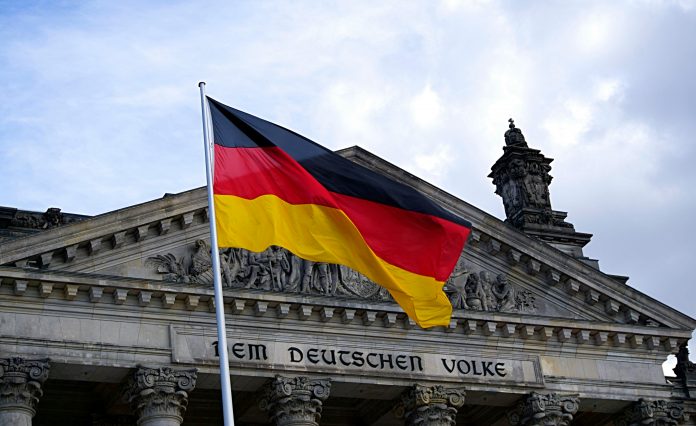
In a move that is being closely watched by businesses and policymakers alike, German Chancellor Olaf Scholz has pledged further relief for businesses grappling with soaring electricity prices. This commitment comes at a critical time when energy costs are at the forefront of economic concerns, not just in Germany but globally.

The German government’s approach to tackling the issue involves a multifaceted strategy. In the short term, a federal subsidy aimed at expanding the country’s power grid is being considered to prevent transmission grid fees from escalating further. This is part of a broader effort to ensure energy security and economic stability.

Moreover, Scholz’s administration is exploring ways to reduce the grid fees charged to businesses and households, which would aid in funding the expansion of Germany’s electric transmission system. One proposed method is the use of an amortization account, which would allow the costs associated with electricity grid expansion to be spread over more extended periods.

The Chancellor also highlighted existing schemes that provide electricity price compensations to energy-intensive companies, helping to alleviate the burden of high electricity costs. The possibility of expanding the group of companies eligible for such relief is also being considered, which could provide a much-needed reprieve for a larger segment of the business community.

These measures are part of a larger €65 billion relief package announced by the German government, aimed at cushioning citizens and companies from the impact of skyrocketing energy costs. The package also includes plans to reform the energy market, collect excess profits from some energy producers, and introduce a cap on prices.

The German automotive industry, a pivotal sector in the country’s economy, has recently shown signs of a slight uplift in sentiment. This improvement comes after a period of challenges, marked by a complex interplay of supply chain disruptions, evolving environmental regulations, and the accelerated transition towards electric vehicles.

According to the latest data from the ifo Business Climate Index, there was a modest rise of 1.3 points in September. While this increase does not indicate a complete turnaround, it does suggest that the industry has managed to stabilize after a significant downturn in previous months. The current sentiment level, however, remains low in a long-term comparison, underscoring the cautious optimism that pervades the sector.

The improvement is a reflection of the resilience and adaptability of the German automotive industry. Manufacturers and suppliers have been working diligently to navigate the ongoing transformation, focusing on innovation and sustainability. The positive shift in mood is also a testament to the industry’s efforts to enhance competitiveness, particularly in the face of growing international competition, notably from Chinese electric vehicle manufacturers.

Despite the slight improvement, the outlook remains guarded. Industry experts, including Anita Wölfl from the ifo Institute, point out that while the current situation has improved, expectations for the coming months are consistently pessimistic. This sentiment is shaped by the anticipation of a turning point, possibly heralding further challenges ahead.

The German automotive industry’s journey is emblematic of the broader global automotive landscape, which is at a critical juncture. As the industry continues to evolve, stakeholders are closely monitoring these sentiment indicators, which serve as a barometer for the health and future direction of this vital sector. The slight improvement in mood is a positive sign, but it is clear that the industry must remain agile and forward-thinking to sustain growth and retain its leading position in the global market.

The German government’s decisive action reflects a growing trend among European nations to address the energy crisis proactively. With the winter season approaching and the ongoing geopolitical tensions affecting energy supply, such measures are seen as vital to safeguarding the economy and ensuring the well-being of businesses and consumers alike.

As the situation develops, businesses are advised to stay informed about the available relief measures and how they can benefit from them. The German government’s commitment to providing more relief from high electricity prices is a significant step towards mitigating the economic challenges posed by the current energy landscape.

U.S. seizes $2.7M from Lazurus Group hacks funneled through Tornado Cash

0

In a significant move against cybercrime, the U.S. government has taken action to seize $2.7 million in digital assets linked to the activities of the Lazarus Group, a notorious hacking entity associated with North Korea. This step represents a critical effort to combat the sophisticated tactics employed by hackers who exploit the anonymity of cryptocurrency mixers like Tornado Cash to launder stolen funds.

The Lazarus Group has been implicated in a series of high-profile cyber heists, including the Deribit hack in 2022 and the Stake.com breach in 2023, which resulted in substantial financial losses for the affected platforms. By leveraging the obfuscation capabilities of Tornado Cash and other crypto mixers, the group attempted to conceal the trail of the stolen assets, complicating efforts to trace and recover the funds.

The recent legal complaints filed by the U.S. government aim to recover approximately $1.7 million in Tether (USDT) and about $970,000 in Avalanche-bridged Bitcoin (BTC.b), which were frozen during the hackers’ laundering attempts. These actions underscore the ongoing challenges faced by law enforcement agencies in tracking and seizing assets in the digital age, where the borderless nature of cryptocurrencies presents unique hurdles.

Moreover, the Lazarus Group’s activities extend beyond these specific incidents. Blockchain analysts have linked the group to the hack of the WazirX exchange in July 2024, resulting in an estimated loss of $235 million for the victims. The group’s methods are not limited to direct attacks on crypto platforms; they also involve sophisticated social engineering techniques, such as distributing malware-laden fake job offers to unsuspecting individuals.

Among the active groups, the Callisto Group, also known as Star Blizzard, has been identified as a persistent threat. Operating under Russia’s FSB security service, this group has been involved in sophisticated spear-phishing campaigns targeting U.S. government computers and email accounts, as well as former and current Department of Defense personnel, Department of State employees, Department of Energy staff, U.S. military contractors, and U.S.-based companies.

Another prominent group is the Chaos Computer Club (CCC), one of the oldest and largest hacking collectives, originating from Germany. Although categorized as white hat hackers, they have been known for high-profile activities such as the hack of the German Bildschirmtext (BTX) system in 1984.

The ransomware landscape is also dominated by groups like LockBit, Medusa, BlackBasta, Akira, 8Base, and INC, with LockBit claiming the most confirmed attacks in the first half of 2024. Additionally, new groups targeting industrial control systems have emerged, including Stibnite, Talonite, Kamacite, and Vanadinite, adding to the list of entities that organizations must defend against.

These groups, with their diverse objectives and methods, highlight the ongoing challenges and the need for robust cybersecurity measures. As digital threats continue to advance, it is crucial for individuals and organizations to stay informed and prepared to counteract these malicious actors.

The U.S. government’s response to the Lazarus Group’s activities is part of a broader strategy to protect the integrity of the financial system and the security of individuals and institutions participating in the cryptocurrency space. By taking legal action to seize stolen assets, authorities send a clear message that cybercrime will not be tolerated, and perpetrators will be pursued with the full force of the law.

As the digital asset landscape continues to evolve, it is imperative for all stakeholders to remain vigilant and proactive in safeguarding their assets against such threats. The collaborative efforts of government agencies, cybersecurity experts, and the cryptocurrency community are essential in creating a more secure and resilient ecosystem for the future.

[Updated] FTX Receives U.S. Bankruptcy Court Confirmation of its Plan of Reorganization

0

Update: FTX Trading Ltd. (d.b.a. FTX.com) and its affiliated debtors (“FTX” or the “Debtors”) today announced that the United States Bankruptcy Court for the District of Delaware (the “Bankruptcy Court” or the “Court”) has confirmed FTX’s Plan of Reorganization (the “Plan”), less than two years after its historic bankruptcy filing.

Under the terms of the Plan, 98% of the creditors of FTX by number will receive approximately 119% of the amount of their allowed claims within 60 days after the effective date of the Plan, subject to know-your-customer and other distribution requirements. FTX projects that the total value of property collected, converted to cash and available for distribution will be between $14.7 billion and $16.5 billion. This amount includes assets under the control of the chapter 11 Debtors as well as assets under the control of the Joint Official Liquidators of FTX Digital Markets, Ltd. (Bahamas), the Administrators of FTX Australia, the United States Department of Justice and dozens of private parties that have cooperated in the recovery efforts. The Debtors will separately announce in due course the Plan’s effective date and estimated first distribution date.

John J. Ray III, Chief Executive Officer and Chief Restructuring Officer of FTX, said: “The Court’s confirmation of our Plan is a significant milestone on our pathway to distributing cash to customers and creditors. Today’s achievement is only possible because of the experience and tireless work of the team of professionals supporting this case, who have recovered billions of dollars by rebuilding FTX’s books from the ground up and from there marshaling assets from around the globe. It also reflects the strong collaboration we have had with governments and agencies from around the world that share our goal of mitigating the wrongdoings of the FTX insiders.”

Mr. Ray added: “Looking ahead, we are poised to return 100% of bankruptcy claim amounts plus interest for non-governmental creditors through what will be the largest and most complex bankruptcy estate asset distribution in history. The estate is working to finalize arrangements to make distributions to creditors across more than 200 jurisdictions around the world. In preparation for this process, we are finalizing agreements to retain specialized agents to assist us in getting recoveries to customers around the world as safely and expeditiously as possible. I want to thank all customers and creditors of FTX for their patience throughout this process.”

  • Original below

The FTX bankruptcy case has been a focal point in the cryptocurrency world, highlighting the volatility and risks inherent in the market. Today marks a significant moment in the ongoing saga as the confirmation hearing on creditor fund distribution is set to occur. This hearing is a critical step in determining how the funds will be allocated among the creditors who were affected by the collapse of the exchange.

The anticipation surrounding the hearing is palpable, as it will set the precedent for how such cases may be handled in the future. The outcome is particularly important for the crypto community, as it will influence the market’s stability and investor confidence moving forward.

The hearing follows a series of events that have unfolded since FTX’s bankruptcy filing. There have been widespread discussions and debates on the best approach to reimburse the creditors, with the bankruptcy estate proposing a plan that has gained overwhelming support from the creditors. However, the plan has faced opposition, particularly regarding the form of reimbursement—whether it should be in cash or in-kind assets like cryptocurrency.

The U.S. Securities and Exchange Commission (SEC) has also played a role in the proceedings, indicating that it may challenge any transactions of distributions involving crypto assets. This adds another layer of complexity to the hearing, as the legal and regulatory frameworks for cryptocurrency are still evolving.

The FTX creditor fund distribution plan has been a subject of intense debate, with various stakeholders presenting arguments for and against the proposed strategy. The plan promises a high recovery rate of 118% of claims in cash for most creditors. It aims to provide swift compensation, with 98% of creditors receiving their funds back in cash within 60 days of court approval.

A significant majority of creditors, about 94%, have voted in favor of the reorganization plan, indicating strong support from those affected. Some creditors have expressed a preference for compensation with in-kind assets rather than cash, arguing that this could potentially avoid a taxable event.

Creditors are concerned about being excluded from the market recovery, as they have missed out on the opportunity to profit from the run-up in crypto prices while their funds were tied up. The U.S. Securities and Exchange Commission may pose challenges, especially regarding the use of stablecoins for repayments, adding a layer of complexity to the plan’s execution.

The confirmation hearing is set to address these arguments, and the outcome will have significant implications for the creditors and the broader cryptocurrency market. The court’s decision will be closely watched as it will set a precedent for future bankruptcy cases involving digital assets.

The market has responded to these developments, with the FTX Token experiencing a significant spike in value amid the looming bankruptcy distributions. This reaction underscores the interconnectedness of legal proceedings and market dynamics in the crypto space.

As the hearing unfolds, stakeholders from across the industry will be watching closely. The decisions made by Judge John T. Dorsey of the United States Bankruptcy Court for the District of Delaware will not only affect the immediate distribution of funds but also set a benchmark for future bankruptcy cases involving cryptocurrencies.

The FTX confirmation hearing is more than just a legal procedure; it is a testament to the growing pains of a burgeoning industry. It serves as a reminder of the need for robust legal frameworks and clear regulatory guidelines to protect investors and maintain market integrity.

The cryptocurrency market is still in its infancy, and the FTX case is a pivotal moment in its maturation. The outcome of today’s hearing will likely resonate for years to come, influencing the policies, practices, and perceptions of this innovative yet unpredictable sector.

BlockDAG Shatters Previous Records as Whales Pour $10M in 72 Hours to its Presale! BNB’s Price Falls & Solana Eyes Rebound

0

The crypto market has been on a rollercoaster ride lately, with some coins struggling while others surging ahead. BNB is struggling under increasing bearish pressure, with recent technical indicators pointing to potential further declines. Meanwhile, Solana has taken a hit but some experts think it could have a strong rebound by the end of 2024.

On the other side of the crypto coin, BlockDAG is stealing the spotlight with an impressive $10 million raised in just 72 hours thanks to crypto whales! With its presale moving fast, raising over $90 million, BlockDAG has become a project to watch. As the hype builds, BlockDAG could be setting itself up as the next big player in the crypto space.

BNB Price Struggles

BNB’s price is facing increasing bearish pressure, having dropped 8.72% in the past week and showing signs of more potential losses. With key technical indicators like the ADX and Ichimoku Cloud pointing to a strong downtrend, the coin risks a further 12% decline if it fails to hold the critical support level at $527.

The ADX reading of 40.88 signals intensified bearish momentum, while the Ichimoku Cloud showed weakening support, reinforcing the likelihood of continued losses. If the price breaks below $527, it could fall to $471, but a rebound might allow BNB to challenge resistance levels at $562 and $598.

Could Solana See a Potential Rebound in 2024?

Solana has taken a 9% hit, dropping to $134 per token. Despite this, some analysts predict a strong rebound, potentially reaching $330 by the end of 2024. This is thanks to Solana’s strengths like low transaction fees and efficient processing.

With transaction costs nearly 900 times lower than Ethereum, Solana continues to draw interest, especially for stablecoin transactions. Recent interest rate cuts by the Federal Reserve have also created a favorable environment for riskier assets like crypto. With stablecoins becoming more popular as a safe and stable option during uncertain economic times, analysts think Solana could see some solid growth through the rest of 2024.

BlockDAG Raises $10M in 72 Hours—Presale Now At $90M!

BlockDAG has quickly become a top-performing crypto, pulling in a staggering $10 million in just 72 hours during its presale, thanks to massive whale activity. The buzz comes hot on the heels of BlockDAG’s Testnet launch, which has been earning rave reviews for its exceptional scalability and user-friendly design.

Industry insiders have highlighted the Testnet’s ability to handle a massive number of transactions with impressive speed, a key factor that’s setting BlockDAG apart from its competitors.

This overwhelmingly positive feedback has the presale moving at lightning speed with BlockDAG presale crossing the incredible $90 million mark. With over 13.8 billion coins sold and new traders rushing in, existing holders are seeing their assets gain value with every batch that closes.

Each coin is priced at $0.0206 in the current batch 24, giving early holders a 1960% increase in returns since batch 1. Each step in the presale pushes the coin’s price higher, creating a frenzy among traders to grab their share before the price hikes even more.

With the hype building and excitement around the tech, BlockDAG is shaping up to be one of the top-performing cryptos right now. It’s clear that this project is on track for major success, and with $10 million secured in record time, BlockDAG is proving it’s a force to be reckoned with. Traders and crypto enthusiasts alike are watching closely, and it looks like BlockDAG is just getting started.

Key Highlights: Top Performing Cryptos

It’s been a week of ups and downs in the crypto world. BNB faces ongoing bearish momentum and critical support tests, whereas Solana might see a significant rebound, driven by its technological advantages and favorable market conditions. But BlockDAG is the real deal right now, breaking records with its presale and attracting tons of attention.

With growing whale activity and innovative tech, it’s clear that BlockDAG is positioning itself as a major force in the crypto world. Earning $10 million in 72 hours has given BlockDAG a massive boost. For those looking for a crypto project with high growth potential, BlockDAG is definitely worth considering.

Discover More About BlockDAG:

Website: https://blockdag.network

Presale: https://purchase.blockdag.network

Telegram: https://t.me/blockDAGnetworkOfficial

Discord: https://discord.gg/Q7BxghMVyu