DD
MM
YYYY

PAGES

DD
MM
YYYY

spot_img

PAGES

Home Blog Page 3070

Nurturing Your Webinality for Professional Advancement – Ndubuisi Ekekwe

0

Join us today at Tekedia Mini-MBA as we examine how to build a professional webinality (web+personality). Yes, in this social media age, to ascend professionally, you need to find a creative way for people to know what you think you know. If you know it and keep it to yourself, you stall.

But if you make it possible for others to know, wings will emerge to carry you up, because the zenith of all careers happens when people could recommend you in your absence.

From Google AI: Tekedia has discussed webinality, which is a combination of the words “web” and “personality”, on their website and social media. Webinality refers to who someone is in the digital space and how they can use it to play a key role in the digital era. Tekedia has also discussed how to improve webinality and build a professional online persona. For example, Ndubuisi Ekekwe has discussed webinality during Tekedia Mini-MBA sessions, including how it can help people unlock opportunities in the digital age.

Tekedia Mini-MBA >> our product is KNOWLEDGE

Tekedia Crypto Weekend Round Up

0

The cryptocurrency market has shown remarkable resilience over the past week. Despite fluctuations and the inherent volatility associated with digital currencies, the market capitalization has only seen a slight decrease from $2.4 trillion to $2.3 trillion. This minor shift indicates a level of stability in the crypto market, which can be attributed to various factors, including investor confidence and the increasing adoption of cryptocurrencies in mainstream finance.

The slight dip in market cap is not indicative of a significant downturn but rather a normal ebb and flow in the market. It’s essential to understand that the crypto market is influenced by a myriad of factors, ranging from regulatory news to technological advancements, and even global economic shifts. Investors and enthusiasts alike keep a close eye on these changes, as they can affect the market in both the short and long term.

The cryptocurrency market is abuzz with the latest developments surrounding XRP, the digital asset associated with Ripple Labs. This week, XRP experienced a notable rally, fueled by rumors of a potential settlement between Ripple and the U.S. Securities and Exchange Commission (SEC). Investors and enthusiasts are closely monitoring the situation, as any confirmed settlement could have significant implications for the future of XRP and the broader cryptocurrency landscape.

The origins of the rally can be traced back to a surge in XRP’s price, which climbed over 7% in a 24-hour period, reaching a high point not seen since late March. This price movement coincides with a large scheduled token unlock and growing optimism for a resolution to the protracted legal battle between Ripple and the SEC.

Adding to the speculation, the SEC’s announcement of a closed meeting scheduled for early August has further stoked the fires of settlement talks. The agenda for this meeting includes the institution and settlement of injunctive actions, which some interpret as a sign that the SEC may be preparing to change its approach in the Ripple case.

Despite these hopeful signs, the market has also witnessed slight dips in XRP’s price, underscoring the volatility and uncertainty that often accompany legal developments in the crypto world. As the situation unfolds, the crypto community remains on the edge of their seats, waiting to see if these rumors will solidify into a concrete settlement agreement that could potentially pave the way for a new chapter in Ripple’s history and the utility of XRP.

Solana and BNB Coin’s Market Cap Battle

This week was particularly notable as Solana (SOL) briefly surpassed BNB Coin (BNB) in market cap rankings. The crypto community watched with bated breath as SOL’s valuation soared, only for BNB to reclaim its position swiftly as the markets corrected.

The rapid shift in rankings underscores the volatile nature of the crypto markets, where billions can be gained or lost in mere hours. Binance’s BNB coin, backed by the world’s largest cryptocurrency exchange by volume, demonstrated resilience and strength, scaling an impressive $8 billion higher than Solana following the market correction.

This event highlights the competitive spirit of the crypto market, where advancements and innovations can lead to significant shifts in investor sentiment and market dynamics. Solana, known for its high throughput and low transaction fees, has been a rising star in the blockchain space, challenging established players like BNB.

Ethereum, the second-largest cryptocurrency by market capitalization, has been at the forefront of the decentralized finance (DeFi) movement, offering a platform for smart contracts and decentralized applications. The recent inflow into Ethereum ETFs suggests that investors are looking beyond the immediate volatility of the crypto markets, focusing instead on the long-term prospects of Ethereum as a foundational blockchain technology.

The positive shift in Ethereum ETFs is a testament to the growing interest in cryptocurrency as a legitimate asset class. With the introduction of ETFs, investors have a more accessible avenue to gain exposure to cryptocurrencies without the complexities of direct trading or ownership of digital assets. This ease of investment could potentially open the doors to a broader demographic, including those who are new to the crypto space.

Impact of Political Promises on Bitcoin’s Future

Recently, former President Trump’s pledge to fire the current SEC Chair, Gary Gensler, and end the crypto crackdown if re-elected has stirred discussions among investors and industry experts. Such a promise suggests a potential shift towards a more crypto-friendly regulatory environment in the United States, which could have significant implications for Bitcoin and the broader crypto market.

Historically, the crypto market has shown sensitivity to regulatory changes and government statements. For instance, previous crackdowns on crypto activities have led to immediate market reactions, including price volatility. Conversely, a promise to ease regulations could foster a more conducive environment for crypto investments and innovation, potentially leading to increased adoption and higher demand for Bitcoin.

Moreover, the proposal to create a strategic national Bitcoin stockpile and the formation of a crypto industry presidential advisory council indicate a recognition of the importance of blockchain technology and digital assets in the future economy. This could encourage more institutional investors to consider Bitcoin as a viable asset class, further integrating it into the financial system.

However, it’s important to note that the actual impact of such political promises on Bitcoin’s price and adoption will depend on various factors, including the outcome of the election, the implementation of the proposed policies, and the response of other regulatory bodies.

Investors and stakeholders in the crypto space should remain informed and cautious, as the market’s response to political developments can be unpredictable. The potential for a more supportive regulatory framework in the U.S. could be a positive signal for Bitcoin’s growth, but it is essential to consider the broader economic and political context when evaluating the future of cryptocurrency.

The Implications of US Weapons Deployment in Germany

0

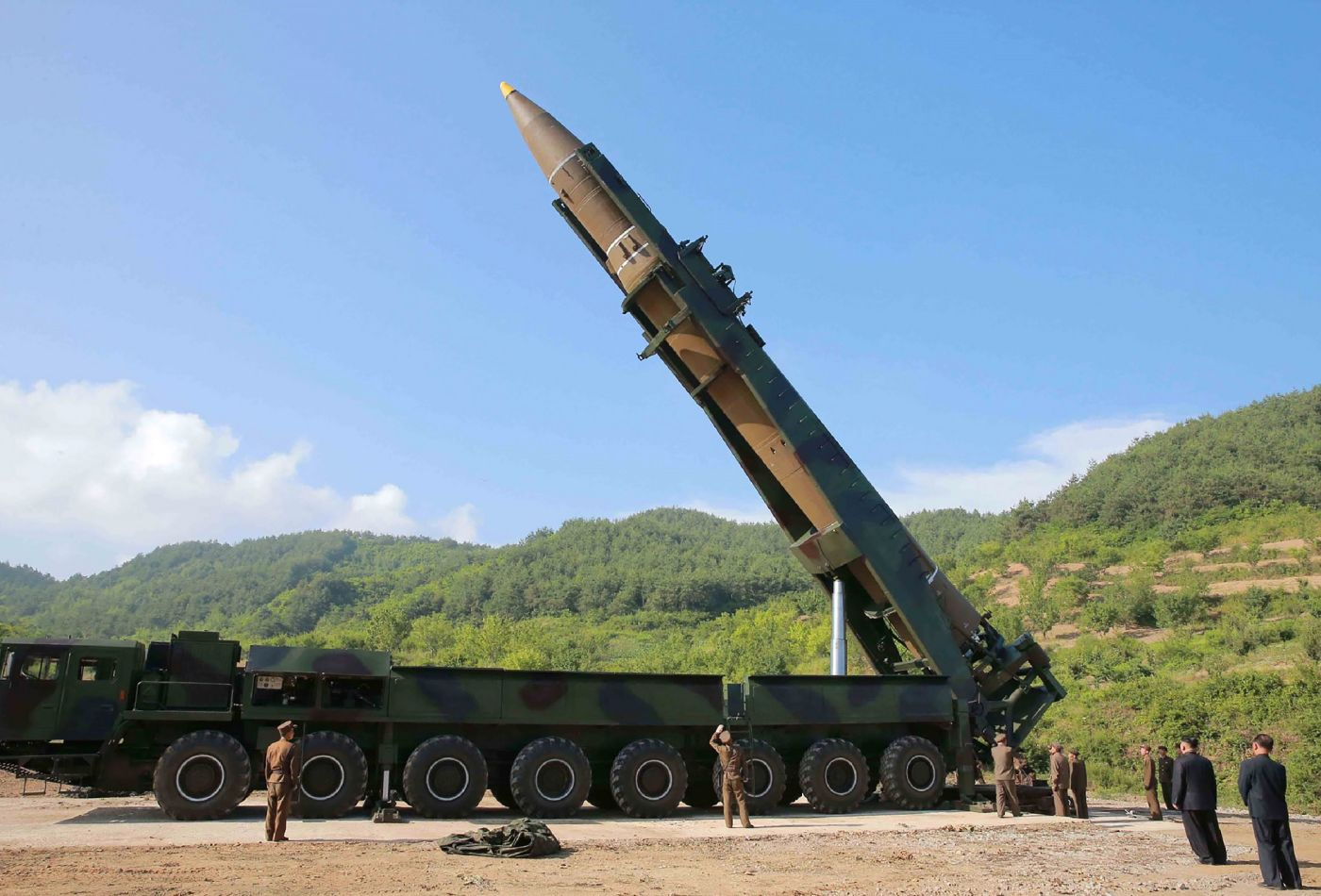
In a significant development in international military affairs, the German government has recently given the green light for the United States to deploy new longer-range weapons within its borders. This move marks a pivotal moment in the transatlantic alliance and raises important questions about the role of parliamentary approval in such military decisions.

Historically, the German parliament, known as the Bundestag, has played a crucial role in approving the deployment of foreign military assets on German soil. This was notably the case in 1958 when the Bundestag approved the deployment of US nuclear weapons, amidst pacifist protests. However, the current situation seems to diverge from this precedent.

The recent agreement between Germany and the United States allows for the episodic deployment of the US Army’s Multi-Domain Task Force (MDTF) long-range fires capabilities in Germany starting in 2026. These capabilities include advanced conventional weaponry such as the Precision Strike Missile (PrSM), the Long-Range Hypersonic Weapon (LRHW), and the Mid-Range Capability, known as Typhon, which can launch existing SM-6 missiles and Tomahawks.

This strategic decision comes after the US withdrawal from the Intermediate-Range Nuclear Forces (INF) Treaty in 2019, which had previously restricted the development and deployment of ground-launched ballistic and cruise missiles with certain ranges. With the treaty no longer in effect, the US has been free to develop new military capabilities that can be stationed in allied countries like Germany to enhance defense readiness in Europe.

The decision by Germany to host US long-range missiles has significant implications for international security and the strategic balance in Europe. This move, which marks a departure from the Intermediate-Range Nuclear Forces (INF) Treaty, has prompted a range of responses from global actors and raises several critical points of consideration.

Firstly, the deployment signals a shift in NATO’s defense posture, with a clear focus on enhancing deterrence capabilities against potential adversaries. The inclusion of advanced systems like the Precision Strike Missile and Long-Range Hypersonic Weapon indicates a strategic enhancement of military capabilities in Europe.

Secondly, the deployment has elicited a strong reaction from Russia, with President Vladimir Putin describing the move as “reminiscent of the Cold War” and threatening reciprocal measures. This could potentially lead to an escalation of tensions and a new arms race, undermining regional stability.

Furthermore, the deployment raises questions about the role of national parliaments in approving such military decisions. Historically, the German Bundestag has been involved in approving the deployment of US nuclear weapons on German soil. However, the current situation suggests a shift in protocol, potentially reflecting the urgency of contemporary security challenges and the need for expedited decision-making processes.

The deployment of these advanced systems in Germany is part of a broader strategy to bolster NATO’s defense posture, especially in light of ongoing security challenges in Europe. The recent NATO summit further emphasized this direction, with member states pledging significant military aid to Ukraine and discussing the irreversible path to Ukraine’s membership in the alliance.

The absence of a requirement for parliamentary approval in this instance could be attributed to the nature of the deployment. According to legal precedents, if the use of armed force is limited to self-defense and the deployment is of a non-military nature, no parliamentary approval is needed. This suggests that the current deployment falls within these parameters, possibly due to its conventional nature and the absence of nuclear capabilities.

The decision to deploy these weapons systems in Germany without explicit parliamentary approval may also reflect the urgency and the perceived need for a rapid response to evolving security threats. It underscores the dynamic nature of military alliances and the complexities involved in balancing national sovereignty with collective security commitments.

As the world watches these developments unfold, it is clear that the landscape of international security is undergoing a transformation. The deployment of US long-range weapons in Germany without the need for parliamentary approval signifies a new chapter in the strategic partnership between the two nations, one that will undoubtedly have far-reaching implications for the future of global security and diplomacy.

Intel Plunges 26% to Lowest in 50 Years, Market Cap Drops Below $100bn

0
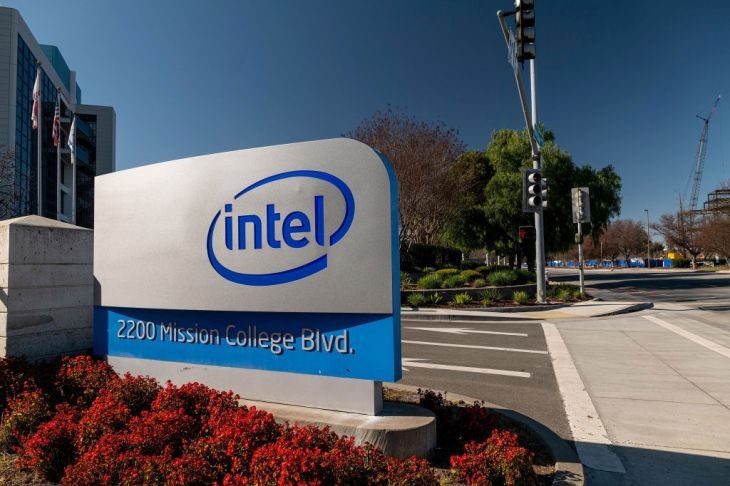
Signage at the entrance to Intel headquarters in Santa Clara, California, U.S., on Wednesday, Jan. 20, 2021. Investors want to know if the world's largest chipmaker will outsource more production when Intel Corp. reports results Thursday. Photographer: David Paul Morris/Bloomberg via Getty Images

Intel Corporation’s stock plunged to historic lows on Friday, reaching a price level unseen since 2013. The dramatic selloff came on the heels of a dismal earnings report and the announcement of a sweeping restructuring plan aimed at steering the chipmaker back to profitability.

Intel’s stock plummeted 26% to close at $21.48, marking its second-worst day on record. The only more significant drop occurred in July 1974, when shares fell by 31%, three years after Intel’s IPO. This latest decline has slashed the company’s market capitalization to below $100 billion, a stark indicator of the challenges it faces.

Intel’s financial results for the quarter were nothing short of bleak. The company reported a net loss of $1.61 billion, a dramatic reversal from the $1.48 billion net income recorded in the same period last year. Adjusted earnings per share fell to a mere 2 cents, significantly below analysts’ expectations of 10 cents. Revenue also missed projections, underscoring the depth of Intel’s current struggles.

Intel has announced drastic measures, including suspending its dividend for the fiscal fourth quarter of 2024 and reducing its full-year capital expenditure forecast by over 20%. The company also revealed plans to lay off more than 15% of its workforce as part of a $10 billion cost-reduction initiative.

“This is the most substantial restructuring of Intel since the memory microprocessor transition four decades ago,” Intel CEO Pat Gelsinger told CNBC’s Jon Fortt in an interview that aired on Friday. “We have laid out an audacious journey of rebuilding this company, and we’re going to get that done.”

Intel’s decision to accelerate the production of Core Ultra PC chips, designed to handle artificial intelligence workloads, played a significant role in the quarterly loss. The company also faced intense pricing pressures from competitors like AMD, Qualcomm, and others, who have been steadily eroding Intel’s market share, particularly in the AI sector.

Layoffs and Broader Market Challenges

The job cuts, the largest listed on industry tracker Layoffs.fyi since its inception in March 2020, will primarily occur this year, according to Gelsinger. This move signifies a major shake-up as Intel attempts to regain its competitive edge in a rapidly evolving market.

However, the semiconductor market troubles touch other players, although in other ways. A report from The Information revealed that AI chipmaker Nvidia is under investigation by the U.S. Department of Justice for potential antitrust violations. The DOJ is reportedly examining complaints that Nvidia abused its market dominance in AI.

In response to the investigation, a spokesperson for Nvidia stated, “We compete based on decades of investment and innovation, scrupulously adhering to all laws, making NVIDIA openly available in every cloud and on-prem for every enterprise, and ensuring that customers can choose whatever solution is best for them.”

The spokesperson added that Nvidia is “happy to provide any information regulators need.”

The selloff reverberated through global markets. SK Hynix, a major supplier to Nvidia, saw its shares fall sharply, closing more than 10% lower. In Europe, shares of ASML, a key supplier of equipment for advanced chip manufacturing, along with STMicroelectronics and Infineon, also declined.

The VanEck Semiconductor ETF, which includes major sector players, dropped 5.5% on Friday, following a 6.5% decline the previous day.

Intel’s Troubles Far From Over

While the entire American stock market is in disarray, Intel’s predicament is particularly concerning. The company’s steep decline in stock value and its extensive restructuring efforts highlight that its troubles are far from over.

Intel reported a loss of $1.6 billion for Q2 2024, a significant increase from the $437 million loss in the previous quarter.

“Our Q2 financial performance was disappointing, even as we hit key product and process technology milestones,” Gelsinger admitted.

Although the company achieved critical milestones, revenues have not grown as anticipated, and Intel has yet to fully capitalize on emerging trends such as artificial intelligence (AI).

Investors have been critical of Intel’s financial performance, as the company has oscillated between losses and profits over the past two years, resulting in a cumulative gain of just $1.1 billion between Q2 2022 and Q1 2024. Intel has been the worst-performing tech stock in the S&P 500 this year, as noted by CNBC.

Kaduna Government Seals Kaduna Electric Over Unpaid N600m Taxes; DisCo Disconnects Kaduna Government House in Retaliation Over N2.9bn Debt

0

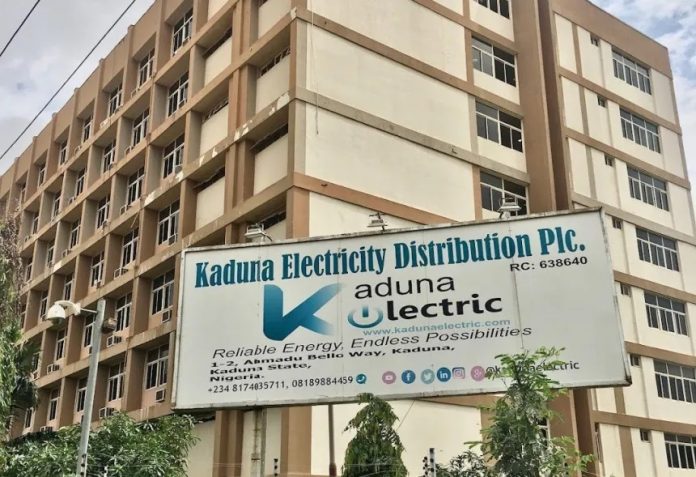
In a rather amusing turn of events, the Kaduna State Internal Revenue Service (KADIRS) has announced the sealing of the Kaduna Electricity Company Plc (Kaduna Electric) office due to unpaid taxes amounting to N600 million.

The announcement, made on the service’s X page on Friday, August 2, 2024, highlighted the enforcement of tax compliance as per Section 104 (1) & (4) of the Personal Income Tax Act, 2011, and Section 37 (3) & (4) of the Kaduna State Tax Codification and Consolidation Law, 2020.

Zakari Jamilu Muhammad, Head of Corporate Communications for KADIRS, explained that the sealing of Kaduna Electric’s business premises was conducted based on a court order.

“The Service secured a court order for the immediate closure and taking over of the company’s property until all unpaid taxes are settled,” Muhammad stated.

The Dramatic Response from Kaduna Electric

In an unexpected twist, the Kaduna Electricity Distribution Company (KEDCO) retaliated by disconnecting the electricity supply to the Kaduna Government House over an outstanding debt of N2.9 billion. According to Abdulazeez Abdullahi, KEDCO’s Head of Corporate Communication, the government house had not paid for electricity consumed over the past seven months.

Abdullahi revealed that extensive efforts to resolve the issue through consultations and reconciliations were unsuccessful, leading to the disconnection.

“The outstanding balance for electricity consumed from January 2024 to July 2024 alone amounts to a staggering N1.166 billion. Including historical debt, the State Government’s total outstanding debt stands at N2.943 billion,” Abdullahi noted.

Despite a payment of N256 million made on May 9, 2024, for electricity consumed between September 2023 and December 2023, the state’s debt remains substantially high. KEDCO explained that the decision to disconnect power was a last resort after all other avenues had been exhausted.

The disconnect notice was formally issued on July 21, 2024, and received by the Office of the Governor on July 22, 2024. This move underscores the company’s need to meet its financial obligations amidst broader challenges in the electricity sector.

Other states under the Kaduna Electric franchise, including Sokoto, Kebbi, and Zamfara, have maintained good standing with their accounts and regularly meet their electricity payment obligations, according to the DisCo.

The development follows the financial troubles of Kaduna Electric, which has made it insolvent. On July 13, the Nigerian Electricity Regulatory Commission (NERC) approved the acquisition of a 60% equity stake in Kaduna Electric by ASI Engineering Limited.

NERC had six months earlier, revealed in a report that the electricity distribution company had a debt of N110 billion ($130 million) owed to various entities, including the Nigerian Bulk Electricity Trader and power generation firms.

The regulator had previously intervened by installing an Administrator and Special Board to oversee Kaduna Electric during its transitional period before the current investors’ official takeover. The Administrator committed to an agreement with KADIRS to pay N20 million monthly, including statutory monthly tax payments, which has been honored since the current management took over.

Also, the Kaduna State government is looking for funds to execute projects, after revealing that former governor Nasir El-Rufai left a staggering debt of $587m and N85bn for the state.

This drama marks a critical juncture in the ongoing tensions between utility providers and state governments, reflecting broader challenges in Nigeria’s electricity sector. DisCos are being owed huge amounts of money by several state governments, even though many of the electricity distributors are struggling to stay afloat.

Against this backdrop, the public and stakeholders are keen to see how the parties will resolve the matter. Many have suggested that Kaduna Electric should subtract

However, the irony of the situation is hard to miss: a state government sealing off an electricity company’s office for unpaid taxes, only to have its own government house disconnected from the power supply for unpaid electricity bills. It’s a comedy of errors that has kept many giggling amid Nigeria’s biting social-economic challenges.