DD
MM
YYYY

PAGES

DD
MM
YYYY

spot_img

PAGES

Home Blog Page 3081

How Did Nigeria Become So Broke?

0

Nigeria, Africa’s largest economy, has experienced a complex economic journey from 1999 to 2024. This period has been marked by significant events that have shaped the nation’s financial status, including fluctuations in oil prices, policy changes, and global economic trends.

From 1999 to the early 2000s, Nigeria’s economy witnessed modest growth, with the GDP per capita growth rate hovering around 0.58% in 1999. The country’s reliance on oil exports meant that its fortunes were closely tied to the global oil market. The early 2000s saw a boom in oil prices, which led to increased revenue and the potential for economic expansion.

However, the subsequent years were not without challenges. The global financial crisis of 2008 had a ripple effect on Nigeria’s economy, leading to a contraction in the GDP growth rate. Despite this, the nation showed resilience with a recovery and a significant growth rate of 8.04% in 2009.

Nigeria’s economy has faced a challenging period since 2015, marked by a series of economic downturns and a struggle for recovery. The nation’s Gross Domestic Product (GDP) experienced fluctuations, with a significant decline in 2020, attributed to a global downturn caused by the COVID-19 pandemic. Despite a rebound in 2021, the growth rate was not sufficient to significantly alter the per capita income, which remained relatively flat.

Several factors have contributed to Nigeria’s economic situation since 2015. Key among these are monetary and exchange rate policy distortions, which have affected the overall economic stability. Additionally, Nigeria has faced increasing fiscal deficits, partly due to lower oil production and the financial burden of a costly fuel subsidy program. Trade protectionism measures have also played a role, alongside the impact of external shocks like the pandemic.

The oil sector, a cornerstone of Nigeria’s economy, has seen reduced output, which, coupled with fluctuating oil prices, has had a profound impact on the nation’s revenue and foreign exchange reserves. These economic challenges have been compounded by internal issues such as infrastructure deficits and governance concerns, which have hindered foreign investment and economic diversification efforts.

As of 2022, Nigeria’s GDP stood at $472.62 billion, reflecting a modest increase from the previous year. However, the growth rates from 2015 to 2022 have decreased, and the GDP per capita has shown little growth, indicating that the average Nigerian has not seen significant economic improvement.

The Nigerian government has made efforts to diversify the economy, reducing dependence on oil by investing in other sectors such as agriculture, manufacturing, and services. These efforts have been reflected in the GDP growth, with a notable increase of 7.21% in 2022 from the previous year.

The PwC Nigeria Economic Outlook for 2024 highlights seven key trends that will shape the nation’s economic trajectory. It projects a marginal decline in inflation and a 3.1% rise in GDP, emphasizing the need for balancing ambitious fiscal reforms with effective budget implementation. The report also underscores the importance of aligning fiscal and monetary policy to stabilize prices and reach target goals.

Infrastructure development has been a critical area of focus for Nigeria, with the allocated infrastructure spending budget for 2024 falling short of the yearly $150 billion requirement specified in the National Integrated Infrastructure Master Plan for 2021-2025. Security spending has also been significant, amounting to ?14.8 trillion over the past nine years, although challenges persist.

The Nigerian Economic Summit Group’s research document for 2024 provides a strategic plan for the nation’s transformation over the medium term, offering a nuanced understanding of the current economic landscape and projections for the future.

The path to economic recovery and growth for Nigeria involves addressing these multifaceted issues. It requires a concerted effort to reform economic policies, enhance oil production efficiency, diversify the economy, and improve governance and infrastructure. With the right policies and international support, Nigeria can work towards a more prosperous future.

Nigeria’s economic journey from 1999 to 2024 has been one of resilience and gradual progress, with the nation facing both internal and external challenges. The government’s efforts to diversify the economy and invest in infrastructure, coupled with the strategic alignment of fiscal and monetary policies, are pivotal for the nation’s continued growth and development. As Nigeria moves forward, it remains to be seen how these efforts will translate into sustainable economic prosperity for its citizens.
Assassination of Ismail Haniyeh might Spring up Rebellion Attacks in the Middle East

0

The recent events in the Middle East have once again brought to light the complex and volatile nature of geopolitical conflicts in the region. The targeted strikes on militant leaders, which have escalated tensions and raised concerns about a potential regional war, underscore the fragility of peace and the challenges faced by international mediators working towards cease-fire agreements.

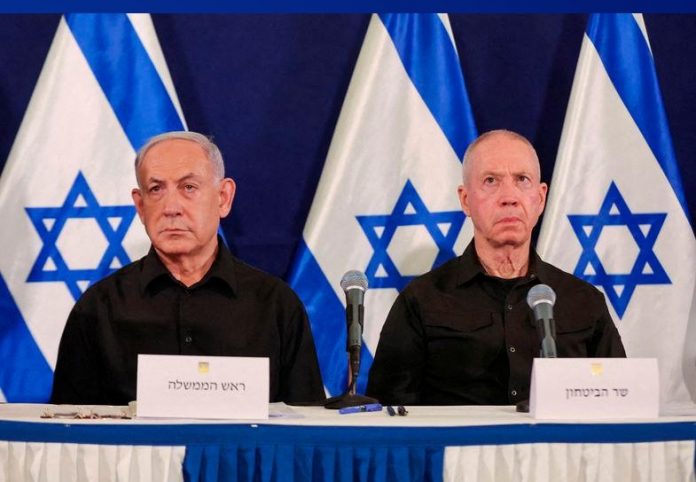
The assassination of Hamas’ political chief Ismail Haniyeh in Tehran and the subsequent strike against senior Hezbollah commander Fouad Shukur in Beirut have disrupted ongoing negotiations and could potentially derail efforts to establish a cease-fire. These developments highlight the precarious balance of power and the intricate web of alliances and enmities that characterize the Middle East’s political landscape.

The implications of these actions are far-reaching, with the possibility of a crumbled Gaza cease-fire negotiation and increased hostilities between Israel and Hezbollah. The international community, including the U.S., Egypt, and Qatar, has condemned the attacks and emphasized the need for a diplomatic resolution to the conflict. The situation remains tense, with Iran threatening to respond, which could further complicate the already delicate situation.

The current political situation in Iran is marked by significant changes following the election of a new president. Masoud Pezeshkian, a reformist candidate, won the presidential election, promising to bring changes at home and engage leaders abroad. This victory represents a shift from the previous administration, as Pezeshkian defeated the hardliner Saeed Jalili in a run-off, signaling a potential change in Iran’s domestic and international policies.

The election of Pezeshkian, who secured 53.7 percent of the vote, has been seen as opening a new chapter for Iran, with the president acknowledging the difficult path ahead. The centrist candidate’s win has been met with congratulations from world leaders, indicating a possible easing of tensions on the global stage.

However, the political landscape in Iran remains complex. The country has a history of governance by Islamic principles since 1979, and it has faced challenges such as international sanctions, human rights concerns, and regional tensions. The recent protests over the death of Mahsa Amini, which evolved into broader calls for political change, highlight the ongoing struggle for reform and the government’s response to dissent.

Internationally, Iran’s relationships are also in a state of flux. The indirect talks with the United States to fully comply with the 2015 nuclear deal have been deadlocked, and there have been efforts to reduce tensions, such as a slower pace of uranium enrichment and a decline in attacks by Iranian-backed groups.

The situation is further complicated by the influence of hard-liner conservative groups backed by Supreme Leader Ayatollah Ali Khamenei, who remain a dominant force in Iranian politics. These groups have managed to sideline both right-wing populists and reformists advocating for a more open political system.

As the world watches closely, the hope for a peaceful resolution hang in the balance, with the lives of countless civilians at stake. The Middle East continues to be a region where the echoes of past uprisings and the specter of future conflicts coexist, reminding us of the enduring need for dialogue, understanding, and a commitment to peace.

Tinubu Signs Nigeria’s N70,000 Monthly Minimum Wage Into Law

0

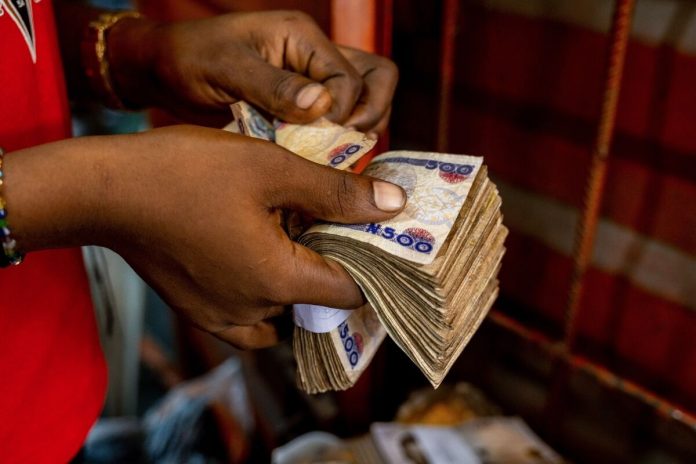
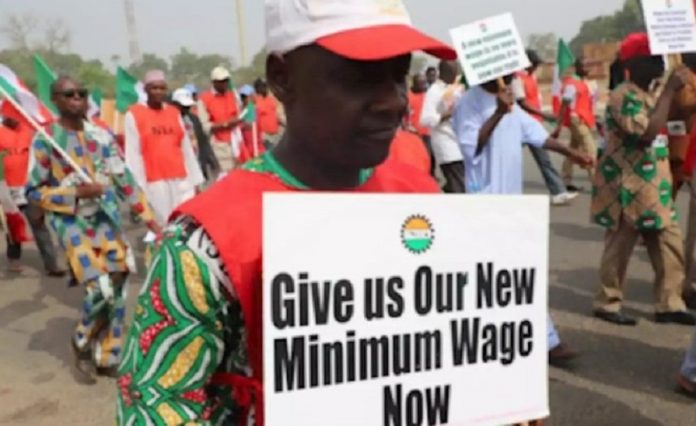
President Bola Tinubu has signed the Minimum Wage Bill into law, bringing an end to protracted negotiations and setting a new national minimum wage at N70,000. This landmark decision, finalized at the State House in Abuja on Monday, follows the National Assembly’s swift passage of the Minimum Wage Act, 2019, just days earlier.

The event was marked by the presence of a National Assembly delegation led by Senate President Godswill Akpabio and members of the House of Representatives, underscoring the significance of this legislative milestone.

The new law represents a substantial increase from the previous N30,000 minimum wage and is seen as a critical response to the economic pressures faced by Nigerian workers.

Following the signing, Basheer Lado, the Special Adviser to the President on Senate Matters, hailed the move as a fulfillment of President Tinubu’s campaign promise.

“The signing of the minimum wage bill into law by His Excellency, President Bola Ahmed Tinubu, is both a promise kept and a demonstration of his people-centric governance model,” Lado stated.

He added that Tinubu had committed to paying a living wage during his election campaign, and this new law is a testament to that pledge.

The road to this historic wage increase was fraught with intense negotiations and considerable debate. Labor unions, galvanized by the skyrocketing cost of living due to recent economic policies such as the removal of fuel subsidies and the floating of the naira, initially demanded a minimum wage of N494,000. The federal government, however, countered with an offer of N60,000. After numerous rounds of discussions, the unions adjusted their demand to N250,000, while the government proposed N62,000. Finally, both parties agreed on N70,000.

How many states can pay?

However, concern over the ability of states to pay the minimum wage remains. For instance, The Gombe State Governor, Inuwa Yahaya, said Tuesday that his administration cannot pay the new national minimum wage of N70,000.

Yahaya, who chairs the Northern Governors Forum, spoke at a meeting with labor leaders, civil society organizations, and traders associations at the Government House in Gombe, ahead of the planned nationwide protest.

He said Gombe State’s limited allocation from the federation account makes it impossible to implement the increased wage package. This is even though the federal allocation to Gombe and all other states has increased since President Bola Tinubu announced the removal of petrol subsidies.

“I cannot pay the N70,000 minimum wage, and I suspect many other states are in the same predicament,” he said.

He said even the previous minimum wage of N30,000 was a struggle for many state governments to implement.

Governor Yahaya’s apprehensions are not isolated. Other state governors have voiced the same concern, citing the challenge of paying N30,000 minimum wage. This situation raises critical questions about the sustainability and practical implementation of the new minimum wage across all states.

However, the substantial rise in the cost of living, coupled with a soaring inflation rate that reached 34% in June 2024, has exacerbated financial pressures on workers across the states.

President Tinubu, while committed to ensuring a fair wage, has consistently emphasized the need for economic prudence.

“You have to cut your coat according to the available cloth,” Tinubu remarked, advocating for a wage structure that reflects economic realities and fiscal sustainability.

The new law, set to be reviewed every three years, is a bold step towards alleviating the financial burdens on Nigerian workers. However, it also places a significant onus on state governments to find ways to meet these new financial obligations.

Economists believe the broader economic implications of this wage increase, particularly its impact on public sector finances and overall inflation, will need to be carefully managed. To fully implement the new minimum wage, governors have been advised to set their priorities right. Their perceived inability to pay the N70,000 monthly minimum wage has been attributed to wasteful spending. Governor Yahaya is reportedly spending billions of naira on renovations of office and residential buildings.

However, stakeholders have noted that the N70,000 minimum wage is not just a figure; it represents a crucial effort to improve the standard of living for millions of Nigerian workers amidst challenging economic conditions. They also noted that the journey ahead will require diligent effort and cooperation to transform this legislative victory into tangible benefits for the Nigerian workforce.

When Losses Saved Facebook’s Meta and MultiChoice Nigeria From Governments

0

When the US Department of Justice opened a high voltage searchlight against Facebook’s Meta on many angles, Meta unintentionally responded with a massive erosion of market value in the market. As the company crashed from close to $1 trillion to sub-$400billion market cap, the government lawyers ran away, and left it alone. Yes, that value depreciation made the case: Facebook and its cousins are vulnerable, and cannot be called monopolies to be broken apart!

They say that failure is part of success, and not the opposite of success. Meta’s share loss saved it to fight another way.

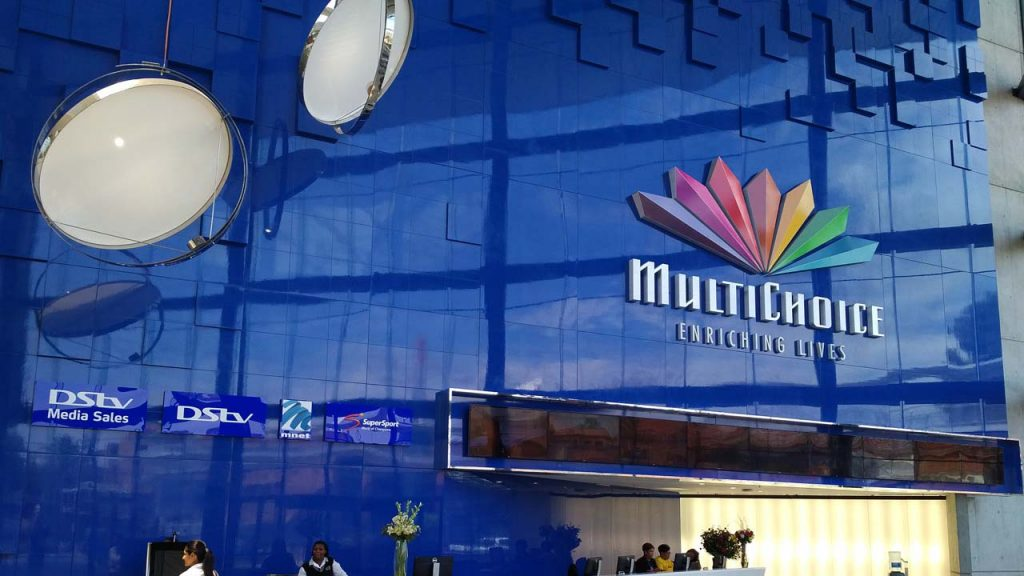
So, when some people went against DStv’s MultiChoice in Nigeria, I noted that any reasonable tribunal will rule for the company. Why? “MultiChoice, Africa’s leading entertainment company, has reported a significant financial downturn for the fiscal year ending March 31, 2024. The company recorded a staggering loss of approximately $222 million, marking the worst financial performance in its history. This downturn has rendered the company technically insolvent, raising concerns about its future viability.”

Good People, MutiChoice is free: that huge loss made the case. Yes, this company is nowhere near a monopoly if it can lose that kind of money. The monopoly tag is an illusion in the minds of people, but financially, it is just like another company which carries foreign products and pays badly when the exchange rate varies: “The Competition and Consumer Protection Tribunal (CCPT) has dismissed a case against MultiChoice Nigeria concerning the company’s planned subscription price hike.“

Good People, this is not to support any illegal increase in prices. My point is this: just as everything has increased due to FX changes, watching Messi, Ronaldo, etc cannot be at your village rate.

Tribunal Dismisses Subscription Price Hike Case Against MultiChoice Nigeria

0

The Competition and Consumer Protection Tribunal (CCPT) has dismissed a case against MultiChoice Nigeria concerning the company’s planned subscription price hike. This case, which drew widespread public interest, was withdrawn by the claimant, Festus Onifade, following an interim order by the tribunal.

The three-member tribunal, led by Thomas Okosu, granted the dismissal after Onifade made an oral application to withdraw his case. The case initially saw the tribunal issue an injunction on April 29, halting MultiChoice’s intended price increases for its products and services, scheduled to take effect on May 1.

The Story Background

The legal action against MultiChoice Nigeria came as a response to widespread consumer dissatisfaction and complaints about rising subscription costs. MultiChoice had earlier in the year, announced a plan to hike subscription fees, citing growing economic headwinds.

However, the implementation of the tariff increase was met with a legal challenge instituted by Onifade, who argued that the satellite TV company violated the provision of the law, which stipulated that at least, three months’ notice be given before a tariff hike is implemented.

Following the hearing, the court ordered MultiChoice to halt the implementation of the tariff, pending its ruling on the matter. However, the company defied the court order and effected the tariff.

Consequently, the court ordered MultiChoice to pay N150 million and mandated the company to provide a free monthly subscription for disobeying the tribunal’s interim orders against a planned price hike.

In May, MultiChoice announced its intention to appeal the ruling. The company reportedly filed an appeal in June.

Analysts’ Criticism and Accusations of Price Control

The tribunal’s initial decision to halt the price hike was met with significant criticism from market analysts and economic experts. Many viewed the court order as an undue interference in the free market, equating it to a form of price control.

While many Nigerians were in support of the tribunal’s decision, critics argued that such regulatory actions could undermine the principles of a free-market economy, deter investment, and stifle competition in the broadcasting and telecommunications sectors. They contended that companies should have the autonomy to set prices based on market dynamics, cost structures, and competitive pressures without undue interference from regulatory bodies.

The Argument

During the recent proceedings, MultiChoice’s legal representative, Moyosore Onibanjo, requested an adjournment of the matter until the Court of Appeal could address their application. Onibanjo argued that the law requires the tribunal to defer to the appellate court when an application is pending before it. He emphasized that MultiChoice had the right to seek a resolution from a higher judicial authority.

Onifade, however, contended that the issue of indefinite adjournment had already been settled by the tribunal and should not be revisited. He maintained that any stay of proceedings should first be sought from the tribunal that issued the initial decision. He further noted that even if MultiChoice approached a higher court, a clear ruling from that court was required before any lower court proceedings could be stayed.

The Federal Competition & Consumer Protection Commission (FCCPC), represented by I.O. Alaba, urged the tribunal to consider both parties’ arguments and exercise its discretion in ruling on the matter.

Tribunal’s Ruling

In his decision, Tribunal Chairman Thomas Okosu acknowledged MultiChoice’s right to appeal but stressed the importance of following proper legal procedures. He noted that MultiChoice’s legal team had not demonstrated any special circumstances that would have prevented them from seeking a stay of proceedings from the tribunal itself.

“Whereas we agree that MultiChoice has the right to appeal on a matter before this tribunal, the proper procedures must be followed,” Okosu stated. He clarified that the tribunal found no compelling reasons under Order 6, Rule 4 of the Court of Appeal rules that would prevent MultiChoice from filing for a stay of proceedings before the tribunal.

Consequently, the tribunal ruled that there was nothing to stay and decided to proceed with hearing the matter. In granting the claimant’s oral application to withdraw the suit, the tribunal did not award any costs. The case was adjourned until November.

The case is seen as a highlight of the ongoing legal and regulatory challenges faced by MultiChoice Nigeria, particularly concerning pricing and service delivery to its customers. Some observers said that the tribunal’s dismissal of the case may set a precedent for how future disputes between regulators, companies, and consumers are handled, especially in sectors that are vital to the economy and daily life.