DD
MM
YYYY

PAGES

DD
MM
YYYY

spot_img

PAGES

Home Blog Page 3084

Three Things Nigeria Must Plan For As It Sells Crude Oil in Naira to Local Refineries

1

As Nigerians, including myself, commend the government’s plan to sell crude oil in Naira, and subsidize the product for local refineries, I want to remind the leaders to think ahead of potential challenges this policy will trigger. Yes, Nigeria will disintermediate the US dollar, removing the US dollar element, from crude oil sales to local refineries where the oil would be refined in Naira and purchased at the pumps in Naira. It is indeed a great playbook; but we need to remember these vectors:

  • When you sell in Naira, you will be expected to compensate your joint venture partners with any revenue they might have lost by not selling in US dollars in the international market. Now is the time to plan and save that money. By doing that, we avoid having to borrow to take care of that.
  •  If you sell in Naira, you will reduce the nation’s foreign earnings and that means the money in our foreign bank accounts will not grow at the rate it would have grown without the Naira-based crude oil sales. So, be aware of that and model the implications immediately. 
  • When you sell the crude oil to local refiners in Naira, the cost of the product will be lower, and that means petrol in Nigeria will be cheaper compared with Nigeria’s neigbours. Hello, petrol smuggling across the border could return because by subsiding the feedstock, you have subsidized petrol again. Plan to work the borders.

This is a good policy because Nigeria has agreed that something must be subsidized. This is a clever way to bring back fuel subsidies without any political risk. Simply, if the international oil companies are to sell crude oil at $80 pb and Nigeria is paying in Naira (say N1,200/$)  for the local refineries, any deviation on the FX will be covered by Nigeria.

With that, Nigeria has subsidized the price of fuel at the pumps since if Dangote Refinery gets the crude oil at this discounted price (the firm is paying in Naira, expected to be at a favourable rate), the government will likely mandate that it cannot sell as though it has paid in US dollars. Simply, Nigeria has subsidized fuel, but not at the pumps, but at the crude oil chain since local refineries will get the feedstock at below international rate.

RollBlock Presale Powers Ahead as Raoul Pal Predicts Solana Will Significantly Outperform Bitcoin This Bull Cycle – Discover Why

0

Raoul Pal, the CEO of Real Vision and a prominent financial analyst, recently reallocated a staggering 90% of his liquid assets over to Solana (SOL) in the expectation that it could significantly outperform Bitcoin.

Meanwhile, Rollblock has achieved impressive new heights in stage 4 of its presale. The project has raised $1.6 million in just over two months. To celebrate this milestone, Rollblock has launched a massive Olympic giveaway on its discord.

Solana Surged 5.82% Pushing the Price to $193.36

Following Solana’s rally to $193, SOL trading volume has surged to $1.93 billion. Some bulls believe that Solana could breach its yearly highs. The new price on Solana coincides with the rise of Bitcoin breaking old resistance levels, and experts believe that Solana could breach its $200 resistance over the next week.

In the last 24 hours, Solana has increased by 3.68% and SOL is now trading at $184. With bullish analysts like Raoul Pal jumping on the Solana train, investors are questioning whether or not SOL could be one of the best investments to make during the next bull run.

Bitcoin Closes in on Its All-Time High

Over the past week, Bitcoin has inched closer to $70k and a new all-time high could be imminent. Bitcoin is currently trading at $66,845, and its daily trading volume has soared to $34 billion. This recent Bitcoin surge has been triggered by activity within the U.S. government and Donald Trump, who states he plans to integrate Bitcoin into the U.S. economy. This could have a huge impact on Bitcoin and is one step closer to global adoption.

Rollblock Presale Continues to Build Momentum

Rollblock is a new DeFi project making waves in the presale market. This lucrative project combines decentralized and centralized gambling to create a dynamic and transparent gambling ecosystem. Its casino showcases over 150 games, including classics and AI-powered options. The casino can be accessed without needing to pass KYC checks, and the platform is compatible with over 20 major cryptocurrencies.

A key feature of the Rollblock ecosystem is its revenue share mode. The GambleFi project allocates up to 30% of its casino profits to buying back $RBLK from the open market. Half of these tokens are used for rewards, and the remaining half are permanently burned. This makes $RBLK deflationary, driving up its price as the project gains traction.

Rollblock is currently in stage four of its presale and $RBLK is selling for just $0.0175. With over 50% of the rounds token supply already sold, experts believe that Rollblock could be on track to soar over 800% during its presale alone. With huge returns expected over the next few months and an Olympic Giveaway offering great prizes, now is the perfect time to get involved.


Discover the exciting opportunities of the Rollblock (RBLK) presale today!

Website: https://presale.rollblock.io/

Socials: https://linktr.ee/rollblockcasin

Nigeria Suspends Import Duties on Select Food Items to Quell Protests

0

In a move to mitigate the impact of rising inflation and preempt nationwide protests, the Federal Government of Nigeria, through the Nigeria Customs Service (NCS), has announced the suspension of import duties and taxes on selected essential food items.

This initiative aims to make these goods more affordable and accessible to Nigerians, thereby easing the economic burden faced by many households.

Comptroller General of the NCS, Mr. Adewale Adeniyi, revealed this development on Tuesday, emphasizing the government’s dedication to addressing inflationary pressures and reducing hunger in the country.

“We are committed to implementing this measure seamlessly to address the problem of hunger in our nation,” he added.

The decision comes amidst a global trend of inflation affecting economies worldwide, including Nigeria, and is part of a broader effort to stabilize the domestic economy.

Economic and Trade Reforms

In addition to the suspension of import duties, the NCS has streamlined its export processes to facilitate the efficient movement of Nigerian goods to international markets. This includes the introduction of advanced ruling systems, authorized economic operators, and a time-release study.

These measures are designed to enhance trade efficiency, stimulate economic growth, and open up new opportunities for Nigerian farmers, artisans, and entrepreneurs.

Mr. Adeniyi highlighted that these reforms aim to provide local producers with a quicker pathway to global markets, which is expected to benefit their families and communities significantly. He also noted that the NCS is intensifying efforts to combat the proliferation of arms and dangerous weapons through Nigeria’s land, sea, and airports, as part of broader security measures.

NCS as a Revenue-generating Agency

The announcement to suspend import duties on essential food items is seen as part of the government’s attempts to quell the planned nationwide protests scheduled for August 1. The protests, organized by various civil society groups, are in response to the government’s economic policies, which many believe have exacerbated inflation and economic hardship.

Nigeria has been grappling with high inflation rates, which have been significantly influenced by high customs clearing costs. The exchange rate for import duties collection by the NCS recently escalated to N1601.84/$, reflecting the exchange rate following the naira’s depreciation. This rate is the lowest since March 14, 2024, when the naira was at N1,608.98 to $1. The situation has led to increased prices of imported goods, thereby contributing to the overall inflation rate.

Economists have expressed concern over the Nigerian government’s strategy of converting the NCS into a revenue-generating agency. The situation has led to higher customs duties and levies, which are often passed on to consumers in the form of higher prices for goods and services. The high cost of clearing goods in Nigeria has been identified as a major contributor to the country’s high inflation rate.

“This policy has never really made sense to me. We are dealing with high inflation, exchange rate instability, and reduced purchasing power among citizens,” a concerned Nigerian, Alli-Balogun Lekan, said. “The government has a tool that could potentially reduce the cost of goods in the country by as much as 20-30%, yet they are not utilizing it. What is the point of generating huge revenue if it is only spent on palliative measures that benefit just a few?”

However, the decision to exempt some essential food items from import duties has been met with mixed reactions. While some view it as a necessary step to alleviate the economic burden on Nigerians, others see it as a temporary measure that fails to address the underlying structural issues.

Zenith Bank Plc Announces N290 Billion Capital Raise Through Rights Issue and Public Offer

0

Zenith Bank Plc has announced a plan to raise N290 billion through a combination of a rights issue and a public offer. This initiative is part of the bank’s strategy to comply with the Central Bank of Nigeria’s (CBN) revised minimum capital requirements for commercial banks, which mandates that banks with international authorization must increase their capital base to N500 billion.

The new directive is aimed at ensuring the resilience and stability of Nigerian banks in the face of global economic uncertainties, enabling them to effectively compete on an international scale.

The capital raise will be facilitated through two key avenues. The rights issue will involve offering 5,232,748,964 ordinary shares at 50 kobo each, priced at N36.00 per share. This offer is specifically targeted at existing shareholders, allowing them to purchase additional shares in proportion to their current holdings.

The terms set for this issue are one new ordinary share for every six existing shares held as of July 24, 2024. On the other hand, the public offer for subscription, priced at N36.50 per share, includes 2,767,251,036 ordinary shares of 50 kobo each, opening the opportunity to the general public and new investors.

The signing ceremony for the capital raise was held at The Civic Centre, Victoria Island, Lagos, marking a significant milestone in Zenith Bank’s capital-raising program. Group Managing Director/CEO of Zenith Bank Plc, Dame (Dr.) Adaora Umeoji, OON, expressed optimism about the initiative.

She stated, “Today marks a pivotal moment for Zenith Bank as we embark on this capital-raising journey. We are not just meeting the CBN’s minimum recapitalization requirement; we are exceeding it by raising N290 billion, which places us well above the required N230 billion. This demonstrates our commitment to maintaining a robust capital base and our readiness to seize growth opportunities across Africa and beyond.”

Dr. Umeoji highlighted the bank’s consistent track record of profitability and shareholder rewards, noting that Zenith Bank has been the highest dividend-paying bank in Nigeria over the past five years.

“In terms of Tier-1 Capital, Zenith Bank has been adjudged by The Banker, Financial Times to be number one in Nigeria and the only Nigerian Bank in the top 600 banks globally. Over the years, we have consistently rewarded our esteemed shareholders. Specifically, in the last five years, we have maintained the record as the highest dividend-paying Bank in Nigeria. In 2023, we set a record as the only Nigerian Bank to pay a dividend of N4 per share,” she said.

She assured shareholders and potential investors that the proceeds from the capital raise would be used to expand the bank’s operations across Africa and internationally, invest in state-of-the-art technology infrastructure, and support working capital requirements.

“We are committed to continuing our legacy of delivering superior value to our shareholders, and this capital raise is a crucial part of that strategy,” she added.

The lead issuing house for the rights issue and Public Offer is Stanbic IBTC Capital Limited, with joint issuing houses including Quantum Zenith Capital & Investments Limited, CardinalStone Partners Limited, Meristem Capital Limited, Chapel Hill Denham Advisory Limited, Coronation Merchant Bank Limited and Vetiva Advisory Services Limited. The Offer will open on Thursday, August 1, 2024, and close on Monday, September 9, 2024.

The Chief Executive of Stanbic IBTC Capital Limited, Mr. Oladele Sotubo, praised Zenith Bank’s proactive approach, expressing gratitude for the opportunity for Stanbic IBTC Capital Limited to lead and guide the execution of the transactions.

“Zenith Bank’s dual approach of a rights issue and public offer is a significant move in the capital market. It not only allows existing shareholders to consolidate their holdings but also invites new investors to be part of Zenith Bank’s growth story. This initiative underscores the bank’s leadership and innovative capabilities in the financial sector,” he said.

The capital raise will be conducted through Zenith Bank’s various channels, including internet banking, mobile applications, corporate internet banking, and physical branches. Additionally, the NGX Invest platform (https://invest.ngxgroup.com), integrated with Zenith Bank’s electronic channels, will facilitate a seamless and efficient application process for investors. The offer is set to open on August 1, 2024, and will close on September 9, 2024.

Nigeria to Slash Petrol Import Costs by $610m Monthly Through Naira-Denominated Crude Oil Supply

0

The Chairman of the Federal Inland Revenue Service (FIRS), Zach Adedeji, has said that the groundbreaking policy shift that aims to significantly reduce Nigeria’s expenditure on petrol imports, will save the country millions of dollars.

Speaking after a Federal Executive Council (FEC) meeting on Monday, Adedeji revealed that the federal government will cut monthly spending on petrol imports by $610 million by supplying crude oil to the Dangote Refinery and other local refineries in naira.

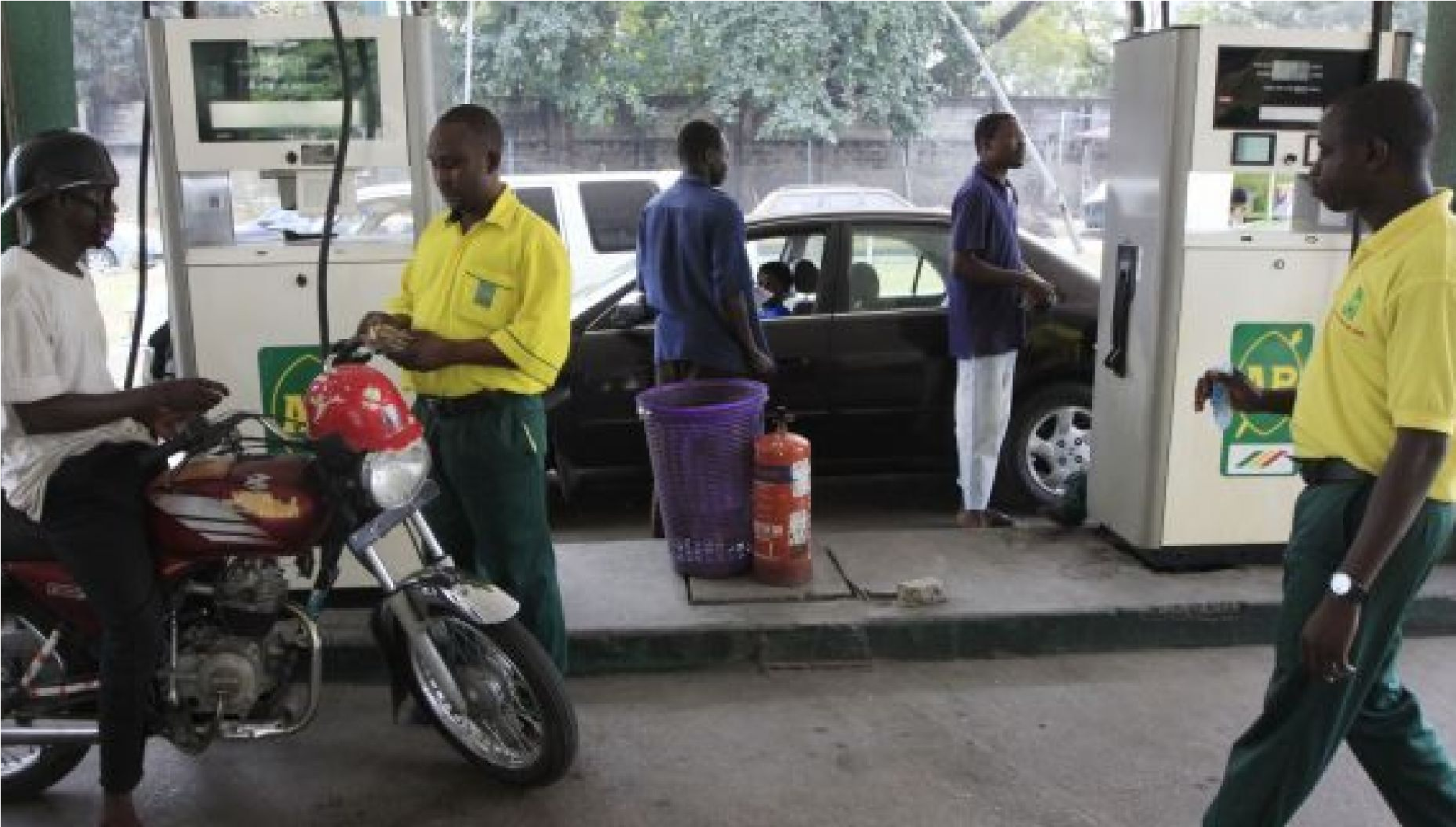
He disclosed that Nigeria currently spends approximately $660 million per month on fuel importation, translating to about $7.92 billion annually. The new policy, approved by the FEC, seeks to denominate trade among local refineries in naira, thereby slashing foreign exchange costs and stabilizing fuel prices.

According to Adedeji, the adoption of naira transactions for crude oil supply to local refineries will reduce the need for foreign exchange, cutting down the monthly expenditure from $660 million to just $50 million. This reduction, amounting to a 94% saving, is expected to save the country $7.32 billion annually.

“With this new approval, we are reducing the burden on our foreign reserves and creating a more stable economic environment,” Adedeji stated.

“Just to be specific, in terms of benefits, one which is major is the reduction in foreign exchange pressure. We utilize $660 million per month, totaling $7.92 billion annually.”

He said that this measure would help stabilize the naira’s exchange rate and bring more predictability to fuel pricing, reducing the dependency on fluctuating international forex markets.

“With this approval today through FEC led by Mr President, this has been reduced by a minimum of 90%. Because of what we have today, the transaction will now be down in our local currency not only to Dangote Refinery but to all local refineries for all our local consumption. This will stabilize the pump price.

“This will also make economic stability a reality because there will no longer rely on the fluctuation in forex,” the FIRS boss said.

Backstory: The Road to Naira-Denominated Crude Supply

The policy comes as part of President Tinubu’s broader economic strategy to stabilize Nigeria’s economy and reduce its dependency on imported fuel. The decision to sell crude oil to the Dangote Refinery and other upcoming refineries in naira marks a significant shift in the country’s energy policy.

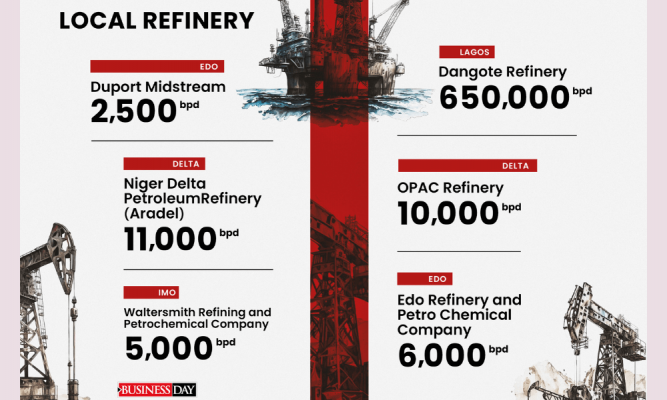
The Dangote Refinery, a 650,000 barrel-per-day facility, requires 15 cargoes of crude annually, costing approximately $13.5 billion. Under the new arrangement, the Nigerian National Petroleum Corporation (NNPC) has committed to supplying four of these cargoes. The 450,000 barrels of crude earmarked for domestic consumption will now be sold to Nigerian refineries in naira, with the Dangote Refinery serving as the pilot project for this initiative.

This arrangement also includes a fixed exchange rate for the duration of the transactions, ensuring price stability. Afreximbank and other Nigerian settlement banks will facilitate the trade, eliminating the need for international letters of credit and saving the country billions in foreign exchange.

The announcement comes amid ongoing tensions between Dangote Refinery and various stakeholders, including the Nigerian Upstream Petroleum Regulatory Commission (NUPRC) and the government-owned NNPC Ltd. There have also been allegations of sabotage by International Oil Companies (IOCs), who have been accused of attempting to undermine the refinery’s operations.

The dispute over crude oil supply and pricing had escalated to the point where prominent figures, including Akinwumi Adesina, President of the African Development Bank (AfDB), and billionaire businessman Femi Otedola, had to weigh in. The resolution, brokered by President Tinubu, was seen as a critical step toward ensuring Nigeria’s energy security and stabilizing the domestic fuel market.

While the new policy is expected to provide immediate relief in terms of foreign exchange savings and price stability, the long-term impact on Nigeria’s energy sector remains to be seen. The government’s intervention is crucial as it addresses the dual challenge of stabilizing the naira and reducing the country’s dependence on imported fuel.