DD
MM
YYYY

PAGES

DD
MM
YYYY

spot_img

PAGES

Home Blog Page 3088

Lesson from Sudan’s Bread and Nigeria’s Subsidized Rice In This Age of Hunger

0

Sudan’s fallen ruler, Omar al-Bashir, won many fights for three decades. He mastered the politics of UN. He overcame America and South Sudan. He triumphed over IMF and World Bank. He fought rebels, friends and enemies – and won. But at the end, he fell because of BREAD. Yes, bread – so simple and harmless- brought down one of the last surviving yoyo men of Africa.

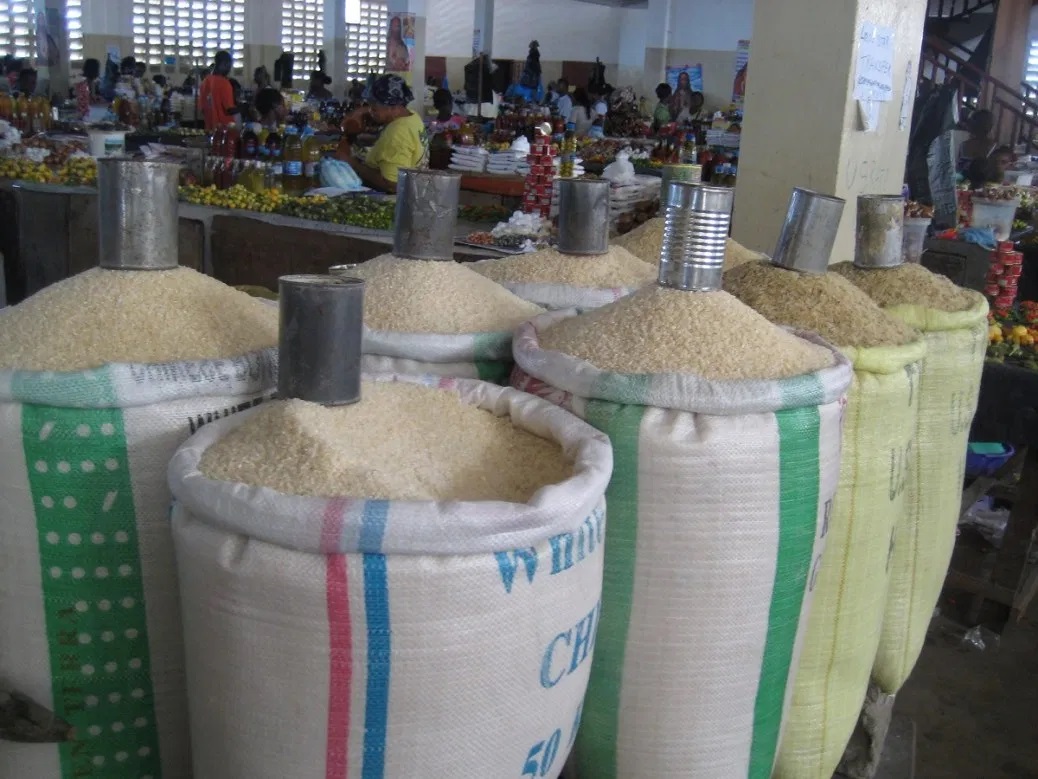
It seems that the Nigerian government has memory and is addressing the food challenges in the nation: “In a bid to address the growing discontent among Nigerians…, the Federal Government of Nigeria has announced the distribution of an additional 10 trucks of 50kg of rice to each state. This rice will be sold at designated centers for N40,000 per bag, significantly lower than the current market price, which can reach up to N90,000 per bag. The initiative, aimed at providing relief to struggling households, comes amid a backdrop of surging food inflation and economic instability.”

This is good policy and let us keep it going. Sure, we need to find sustainable solutions to these issues but homes and families need immediate help. So, open the vault and flood Nigeria with cheap food. The best policy now is subsidized food because if you remove electricity subsidy and forex subsidy, something must be subsidized in Nigeria. If food be it, please play on.

Mohammed Idris, the Minister of Information and National Orientation, made the announcement following the Federal Executive Council (FEC) meeting on Monday. He emphasized that the government is taking proactive measures to address the concerns raised by citizens, including those planning to participate in the upcoming #EndBadGovernance protests.

These protests are expected to express widespread dissatisfaction with President Bola Tinubu’s recent economic policies, which have significantly impacted the cost of living.

The sharp rise in food prices, including staples like rice, is attributed to a 41% food inflation rate, orchestrated by recent economic reforms, mainly – the removal of fuel subsidies and the floating of the naira, implemented last year by the Tinubu administration.

Nigerian Government Slashes Cost of 50kg of Rice to N40,000 in A Move to Quell Planned Protests

0

In a bid to address the growing discontent among Nigerians and quell the planned August 1 protests, the Federal Government of Nigeria has announced the distribution of an additional 10 trucks of 50kg of rice to each state. This rice will be sold at designated centers for N40,000 per bag, significantly lower than the current market price, which can reach up to N90,000 per bag.

The initiative, aimed at providing relief to struggling households, comes amid a backdrop of surging food inflation and economic instability.

Mohammed Idris, the Minister of Information and National Orientation, made the announcement following the Federal Executive Council (FEC) meeting on Monday. He emphasized that the government is taking proactive measures to address the concerns raised by citizens, including those planning to participate in the upcoming #EndBadGovernance protests.

These protests are expected to express widespread dissatisfaction with President Bola Tinubu’s recent economic policies, which have significantly impacted the cost of living.

The sharp rise in food prices, including staples like rice, is attributed to a 41% food inflation rate, orchestrated by recent economic reforms, mainly – the removal of fuel subsidies and the floating of the naira, implemented last year by the Tinubu administration.

Idris stated, “The government has not pretended that these supplies are enough. But these are necessary first steps being made, and more such interventions are planned in the interim.

“The position of the FEC is that most of the demands that the protesters are making are actually being addressed by the federal government.

“Therefore, it is the view of the government that there is really no need for the protests again because most of those things that the protesters are putting forward are already actually being addressed or are being addressed by the government. This is a listening government.”

The decision to sell rice at a subsidized rate is part of a broader strategy to cushion the impact of the economic reforms on ordinary Nigerians. The subsidy on rice, however, is only a temporary relief measure, as the government has yet to unveil a comprehensive plan to address the broader economic challenges facing the nation.

Since its inauguration, the current administration has been criticized for not rolling out a clear-cut plan to mitigate the economic hardship experienced by millions of Nigerians.

The removal of the fuel subsidy, a move intended to free up resources for other developmental projects, has had unintended consequences on the economy. The cost of fuel, a critical input in the transportation and production sectors, has surged, leading to increased prices for goods and services across the board. This, coupled with the floating of the naira, which has resulted in a devaluation of the currency, has made imports more expensive, further contributing to inflation.

In addition to the rice subsidy, the government has initiated other measures to stop the planned protests. These include the opening of the N110 billion Nigerian Youth Investment Fund portal, a loan scheme for small and medium-sized enterprises, and the announcement of new job openings by the Nigerian National Petroleum Corporation (NNPC). However, these efforts have been criticized as insufficient to address the root causes of the economic crisis.

President Tinubu, acknowledging the grievances, has said that his administration is effectively “protesting” on behalf of the youth by addressing their concerns. However, the absence of a detailed economic recovery plan has left many questioning the government’s ability to stabilize the economy and bring relief to the populace.

The upcoming #EndBadGovernance protests are believed to be a sign that Nigerians have been pushed to the extreme, requiring the government to take more decisive action. Critics argue that although the distribution of subsidized rice and other short-term relief measures may provide some respite, they are not a substitute for a comprehensive economic strategy that addresses the underlying issues of inflation, currency devaluation, and economic instability.

Business Law Basics for Small Businesses – Tekedia Mini-MBA

0

The transduction conversion process of ideas into products and services must follow protocols and ordinances of states, encapsulated in laws and regulations. Join us today at Tekedia Institute Mini-MBA as we look at Business Law within the mission and operations of firms. Our Faculty is Barrister Kenneth Nwimo, and he will teach us basic things which can help us.

Tekedia Mini-MBA; pick a seat here for the September edition.

AI Advances and Renewable Growth: July 2024 Market Highlights

0

July 2024 has already been packed with events that have had a significant impact on the world’s financial markets. Let’s take stock (no pun intended) of this month’s market movers.

Technology: Rise of AI and Semiconductors

The technology sector continues to garner a great deal of attention:

— NVIDIA published exceptional quarterly results, propelled by strong demand for its GPUs used in artificial intelligence, sending its share price to record levels.

— Intel caused a stir with the launch of its new range of processors, aimed at competing directly with AMD and regaining market share in the server and PC segments.

Finance: Reactions to monetary policies

Banks and financial institutions reacted to recent decisions by central banks:

— JPMorgan Chase saw its shares rise after announcing solid quarterly results and an optimistic outlook despite global economic uncertainties.

— Deutsche Bank fell slightly after warning of the potential impact of high interest rates on mortgages and consumer credit in Europe.

Renewable energies: an unstoppable growth trend

Companies in the renewable energy sector are thriving:

— Tesla saw its shares soar after unveiling advances in its next-generation battery projects, promising greater autonomy and lower costs.

— NextEra Energy strengthened its leadership position by acquiring several wind farms in Europe, thus expanding its international presence.

Pharmaceuticals: Innovation and challenges

The pharmaceuticals sector was marked by significant announcements in research and development, as well as by regulatory challenges:

— Pfizer has announced positive results for a new treatment for a rare form of cancer, boosting its shares. However, concerns about drug prices remain.

— Moderna has launched a clinical trial for a combined flu vaccine and COVID-19, a long-awaited development.

Consumer: Resilience and challenges

The consumer sector showed signs of resilience despite inflationary pressures:

Amazon stock price surged following robust Prime Day sales that outperformed analysts’ expectations.

— Walmart continues to benefit from its hybrid model, combining in-store and online sales, but remains cautious about fluctuations in supply chain costs.

In a nutshell, July 2024 was/is a month of significant movement in various sectors, each with a unique impact on the financial markets. Technological advances, energy transition efforts, pharmaceutical innovations, monetary policy decisions, and consumer resilience have all shaped market trends. We’ll continue to monitor these market movers closely to anticipate future economic and sectoral developments.

Cantor Fitzgerald announces $2B Bitcoin Finance for Crypto Ventures

0

In a significant move for the cryptocurrency sector, Howard Lutnick, the CEO of Cantor Fitzgerald, has announced the launch of a $2 billion Bitcoin financing business. This announcement, made at the Bitcoin 2024 conference, marks a substantial commitment from a major financial services firm to the cryptocurrency market.

Cantor Fitzgerald, a name synonymous with innovation in the financial sector, is taking a bold step into the world of digital currency. The new financing business aims to provide leverage to investors holding Bitcoin, indicating a strong belief in the long-term viability of cryptocurrencies as an asset class.

The CEO’s defense of Tether, a widely used stablecoin, during his address at the conference, also highlights the growing importance of digital assets in the global financial system. Stablecoins like Tether are crucial for the liquidity and stability of the cryptocurrency market, and support from prominent financial leaders adds credibility to their use.

This move by Cantor Fitzgerald could signal a new era of institutional support for Bitcoin and other digital currencies. With a $2 billion commitment, the firm is positioning itself as a significant player in the cryptocurrency lending space, potentially paving the way for other financial institutions to follow suit.

The implications of this development are far-reaching. It could lead to increased liquidity in the cryptocurrency market, making it easier for investors to access funds and take advantage of market opportunities. Moreover, it represents a vote of confidence in the security and potential of Bitcoin as an investment.

Bitcoin financing, while offering numerous opportunities for growth and innovation, also carries with it a set of risks that potential investors should be aware of. Here are some of the key risks associated with Bitcoin financing:

Volatility: Bitcoin’s price is known for its rapid and significant fluctuations. This volatility can result in substantial gains, but also significant losses, making it a risky investment for those not prepared for its unpredictability.

Regulatory Uncertainty: The regulatory environment for Bitcoin is still evolving. Governments could impose strict regulations or even outright bans on Bitcoin trading and mining, which could impact its value and legality.

Security Concerns: The digital nature of Bitcoin makes it susceptible to cybertheft and security breaches. Investors must ensure robust security measures to protect their investments from hackers.

Market Manipulation: The cryptocurrency market is relatively young and can be subject to price manipulation by influential players, which can lead to artificial inflation or deflation of Bitcoin prices.

Technological Risks: Advances in technology, such as quantum computing, could potentially compromise Bitcoin’s cryptographic security, leading to the exposure of private keys and loss of assets. Unlike traditional currencies, Bitcoin is not backed by any physical commodity or government guarantee. Its value is largely driven by market demand and investor sentiment. In the event of a price drop, those using Bitcoin as collateral for loans could face the loss of their capital if the value dips below the required threshold.

As the cryptocurrency market continues to mature, the entry of established financial entities like Cantor Fitzgerald is a testament to the growing integration of digital assets into the broader financial landscape. This could be just the beginning of a trend where traditional finance and digital currencies become increasingly intertwined, offering new possibilities for investors and strengthening the market’s infrastructure.

Despite all the Volatility last month, Crypto Markets have once again turned Bullish

Meanwhile, the cryptocurrency markets have once again demonstrated their remarkable resilience. Despite experiencing significant volatility last month, the markets have rebounded and are currently exhibiting a bullish trend. This pattern of recovery underscores the inherent dynamism within the crypto space, where investor sentiment can shift rapidly, often driven by regulatory changes, technological advancements, or global economic factors.

The current bullish sentiment can be attributed to several key factors. Firstly, the approval of Exchange-Traded Funds (ETFs) has provided a substantial boost to the value of Bitcoin, which surged 150% coming into 2024. This has had a knock-on effect across the market, instilling confidence among investors and contributing to the overall market upturn.

Another contributing factor is the intersection of Artificial Intelligence (AI) and cryptocurrency. This fusion of cutting-edge technology with digital assets is opening up new possibilities for automated trading, predictive analytics, and enhanced security protocols, further bolstering market optimism.

Moreover, the crypto market is witnessing an increase in funding, mergers, and acquisitions, indicating a maturing market that is attracting institutional investors and large-scale corporate participants. This trend is likely to continue, as the market capitalization of cryptocurrencies grows, and the industry consolidates.

Regulation is also playing a pivotal role. Increasing regulation of cryptocurrency and exchanges is providing a clearer legal framework, which is essential for mainstream adoption. While regulatory scrutiny can sometimes create uncertainty, it also leads to greater transparency and stability in the long term.

The environmental impact of cryptocurrencies, particularly those that require energy-intensive mining operations, remains a concern. However, the industry is responding with innovative solutions that aim to reduce the carbon footprint of crypto-related activities.

The digitization of real-world assets through blockchain technology is another trend that is gaining momentum. This trend is transforming traditional asset classes, making them more accessible, and creating new opportunities for investment and wealth generation.

Lastly, the exploration of Central Bank Digital Currencies (CBDCs) by global officials is a significant development. The potential introduction of government-backed digital currencies could radically alter the financial landscape, integrating digital assets into the broader monetary system.

Some of the most popular altcoins that are making waves in the market this year.

Ethereum (ETH) remains a stalwart in the altcoin space, with its market capitalization reflecting its widespread use and adoption. As a platform for decentralized applications (dApps) and smart contracts, Ethereum continues to be indispensable in the crypto ecosystem. Its transition to Ethereum 2.0, which aims to enhance scalability and energy efficiency, keeps it at the forefront of blockchain technology.

Binance Coin (BNB) has also been gaining traction, especially for its utility within the Binance exchange ecosystem. It offers users discounted trading fees and has expanded its use beyond the exchange, including payment processing and travel bookings.

Solana (SOL) is noted for its high-speed transaction capabilities, powered by a unique hybrid proof-of-stake and proof-of-history mechanism. This makes it an attractive option for decentralized finance (DeFi) and app development.

Avalanche (AVAX) is another altcoin to keep an eye on, especially for its customizable blockchain networks that cater to various DeFi applications.

Chainlink (LINK) stands out as a leading oracle network, providing reliable data feeds to smart contracts, which is crucial for the execution of complex blockchain-based agreements.

Other notable mentions include Cardano (ADA), known for its robust security features, and Polkadot (DOT), which enables different blockchains to interoperate seamlessly. Additionally, meme coins like Dogecoin (DOGE) continue to attract interest due to their viral nature and growing communities.

The cryptocurrency market’s return to a bullish state despite recent volatility is a testament to its robustness and the growing confidence of its participants. With a range of factors contributing to this positive outlook, the future of cryptocurrency remains bright, albeit with the usual caution that the market’s volatility warrants. For those interested in the evolving landscape of digital currencies, staying informed and vigilant is key to navigating the market’s ebbs and flows.