DD
MM
YYYY

PAGES

DD
MM
YYYY

spot_img

PAGES

Home Blog Page 3092

Over $1T Wiped Out, as NVIDIA falls almost 10% following DOJ subpoena

0

The recent turbulence in the stock market has been a cause for concern for investors worldwide. The United States equities market experienced a significant downturn, with over $1 trillion being wiped out. A notable contributor to this decline was NVIDIA, a leading technology company, which saw its stock price fall by almost 10% following a subpoena from the Department of Justice (DOJ). This news has sent ripples across global markets, including Japan’s Nikkei 225, which fell by 3%.

NVIDIA’s market cap saw a staggering $437 billion erased since its earnings report last week. The DOJ’s antitrust subpoena is part of an investigation into the company’s competitive practices, particularly in the artificial intelligence (AI) sector. The market reacted swiftly to the news, with NVIDIA’s shares plummeting, resulting in a significant loss of market value. The DOJ is concerned that NVIDIA may be making it difficult for customers to switch to other suppliers and is penalizing buyers who do not exclusively use its AI chips.

When a tech giant like NVIDIA experiences a substantial decline, it can lead to a domino effect impacting other tech companies. Investors often view such events as indicators of broader market trends, potentially leading to reduced confidence in tech stocks as a whole. This can result in a sell-off in the sector, affecting companies that may be fundamentally sound but are caught in the market’s reactionary wave.

Moreover, the Nikkei 225’s fall reflects concerns about the global economic outlook, which can further dampen investor sentiment towards tech companies. These companies, especially those involved in semiconductor manufacturing and AI technology, may see their stock values fluctuate in response to such macroeconomic indicators.

The impact of NVIDIA’s situation was felt globally, as Japan’s Nikkei 225 index dropped more than 3% following the Wall Street drop. The fall was attributed to lackluster manufacturing data and the repercussions of the U.S. market’s decline. This highlights the interconnectedness of global financial markets and how events in one major economy can influence others.

Companies directly associated with NVIDIA through supply chains and partnerships, such as Taiwan Semiconductor Manufacturing Company (TSMC) and Samsung Electronics, have experienced declines in their stock values. These companies are integral to NVIDIA’s operations, providing essential components for their products. The ripple effect of NVIDIA’s stock drop extends to other semiconductor manufacturers and related tech firms, emphasizing the sector’s sensitivity to shifts in market leaders’ fortunes.

Similarly, the fall of the Nikkei 225 has affected a range of Japanese tech companies. Major players like Toyota Motor Corp., Sony Group Corp., and SoftBank Group Corp. have seen significant share price drops. Chip maker Tokyo Electron and chip equipment maker Lasertec Corp. also faced steep declines, illustrating the widespread impact on the tech industry within Japan and beyond.

The volatility has not been confined to Asia, as European semiconductor stocks like ASML Holdings have also been impacted, with shares falling in response to the global market sentiment. This demonstrates the far-reaching consequences of market movements in key industry players and indexes like NVIDIA and the Nikkei 225.

The situation with NVIDIA and the subsequent market reactions underscores the volatility and sensitivity of the stock market to regulatory actions and corporate news. Investors are reminded of the importance of diversification and staying informed about the companies within their portfolios. As the DOJ’s investigation into NVIDIA continues, the market will be watching closely for any developments that could further influence stock prices and investor confidence.


Ghanaian Fintech Fido Raises $30M in Series-B Funding Round to Expand Across Africa

0

Fido, a Ghanaian fintech that empowers millions across Africa to take control of their finances in a snap, has raised $30 million in series-B funding round to drive its expansion across Africa.

The funding round was led by BlueOrchard finance Ltd and FMO Investment Management. Additionally, the company secured $10M in debt funding from Stanbic Bank Ghana and Global Infrastructure Partners (GIP).

Fido plans to use the funds to further its mission of making financial services accessible to the unbanked by expanding its reach into new markets as well as enhancing product offerings.

With this investment, the company has expressed readiness to roll-out innovative financial solutions, including small business loans, savings, and personalized insurance, to even more individuals and small businesses across Africa. Backed by its advanced AI-driven Fido Score, Fido will continue to deliver secure, reliable financial services to those traditionally underserved by the banking system.

Founded in 2015 by Israeli entrepreneurs Nadav Topolski, Tomer Edry, and Nir Zepkowitz, Fido initially focused on providing mobile-based loans. Over the years, the company has diversified its offerings to include savings, bill payments, and smartphone financing, thereby broadening its revenue streams and deepening its impact on financial inclusion.

The company has served over a million customers, including 40% small businesses, and disbursed over $500 million in loans across Ghana and Uganda. It currently offers loans ranging from $20 to $500 for individual customers, with higher amounts available for businesses based on their needs, the nature of the enterprise, and their credit score. These loans are repayable within six months and carry interest rates between 7% and 12%. Notably, Fido maintains a default rate of less than 4%.

Fido delivers these industry-best rates by deploying mission-critical AI models throughout the loan life cycle. From its acquisition model, which scores new customers based on mobile device data and other alternative data, to its fraud detection and AI-driven collection models.

Future Goals: Fido aims to exceed $1 billion in total disbursements by early next year. The company has been profitable for the past four years and plans to use its new funds to continue expanding its customer base and impact.

Fido’s loan products come with embedded insurance, and the company plans to expand its offerings to include additional insurance covers for its business customers. These new offerings will include climate insurance for borrowers in the agriculture sector, protecting them from extreme weather events such as droughts and floods, as well as tradesman insurance.

Built on advanced technology that enables fast, easy access to financial services, our  independent financial platform and unique machine learning risk models make instant credit decisions – even for customers with no financial track record – while reducing operational costs.

The fintech value of credit distributed is at $500 million, with over 1 million customers. Fido is on a mission to empower individuals and entrepreneurs to take charge of their future by providing financial services that are inclusive, instant, and easily accessible through our innovative digital products.

Zurich Cantonal Bank Launches Bitcoin and Ethereum Trading in Switzerland 

0

In a significant development for the cryptocurrency market, Zurich Cantonal Bank (ZKB), Switzerland’s fourth-largest bank, has announced the launch of Bitcoin and Ethereum trading services. This move marks a milestone in the integration of digital assets into traditional banking systems and underscores the growing acceptance of cryptocurrencies as a legitimate asset class.

ZKB’s decision to offer crypto trading and custody services is a testament to the bank’s innovative approach and commitment to meeting the evolving needs of its clients. With total assets amounting to approximately 200 billion Swiss francs, ZKB’s entry into the crypto space is poised to have a substantial impact on the market.

The new service allows ZKB customers to trade cryptocurrencies directly through the bank’s eBanking and Mobile Banking platforms, providing a seamless and secure experience. The bank takes on the critical function of securely storing private keys, thereby relieving customers of the responsibility of managing their own wallets. This level of security and convenience is expected to attract both retail and institutional investors, further propelling the adoption of cryptocurrencies.

ZKB’s crypto custody and trading solution is also available to third-party banks, offering a business-to-business (B2B) service that enables Swiss banks to provide their customers with the ability to trade and securely store Bitcoin and Ethereum. This collaborative approach demonstrates ZKB’s leadership in the financial sector and its commitment to fostering a supportive ecosystem for digital assets.

Firstly, ZKB’s initiative may serve as a catalyst for other banks to explore and potentially integrate cryptocurrency trading into their services. The integration of digital assets into ZKB’s existing banking platforms demonstrates a model that can be replicated by other institutions seeking to modernize their offerings and meet the growing demand for crypto-related services.

Secondly, the move could enhance the overall credibility and legitimacy of cryptocurrencies. When a bank of ZKB’s stature and regulatory compliance offers crypto trading, it provides a level of assurance to customers and may encourage more conservative investors to consider cryptocurrencies as a viable investment option.

The partnership with Crypto Finance AG and the use of Fireblocks for secure custody highlight ZKB’s dedication to leveraging cutting-edge technology to ensure the safety and integrity of its clients’ investments. The bank’s proactive stance on digital assets is not new; it has been exploring the blockchain and cryptocurrency industry for some time, including participating in the issuance of the world’s first digital bond on the SIX Digital Exchange in 2021.

ZKB’s launch of Bitcoin and Ethereum trading services is a clear indication of the growing mainstream acceptance of cryptocurrencies. It reflects a broader trend of traditional financial institutions embracing digital assets, which is likely to continue as the market matures and regulatory frameworks evolve. For Switzerland, known for its progressive financial landscape, this development further solidifies its position as a hub for financial innovation and cryptocurrency adoption.

As the crypto market continues to grow and diversify, the entry of established banks like ZKB is a promising sign of stability and trust in the sector. It opens up new opportunities for investors and paves the way for more widespread use of digital currencies in everyday transactions. With ZKB’s move, the future of banking and finance continues to evolve, bridging the gap between traditional financial services and the digital economy.

Tekedia Mid-Week Blockchain and Crypto Digest

0

In a significant development for the blockchain industry, Polygon has initiated a strategic transition from its native token MATIC to a new token, POL. This move marks a pivotal moment for the platform, as it aims to enhance its ‘hyperproductive’ utility and foster greater community participation.

The migration, which commenced on September 4, 2024, is a seamless process for users with staked MATIC, as their holdings are being automatically upgraded to the new POL token. This upgrade is not just a mere token swap but a thoughtful evolution of the ecosystem, reflecting Polygon’s commitment to scalability and growth.

The POL token is designed to be a ‘hyperproductive’ asset, which means it will play a crucial role in the aggregated blockchain network envisioned by Polygon. It is set to become the native gas and staking token of the Polygon Proof of Stake (PoS) network, underpinning the network’s security and operations.

For users, the transition process has been made as smooth as possible. Those holding MATIC on the Polygon PoS chain need not take any action, as their tokens will automatically convert to POL. However, users on the Ethereum network and Polygon’s zkEVM layer-2 network might need to manually migrate their tokens through the Polygon Portal Interface or by bridging to Ethereum.

Bitcoin ETFs recorded $287 million in net outflows, marking the most substantial withdrawal since May 2nd. This development is a critical indicator of investor sentiment and market trends. The outflows were led by Fidelity’s FBTC, which saw $162.3 million in withdrawals, while Grayscale’s GBTC experienced $50.4 million in outflows. Other funds, including BITB and ARK, also reported notable withdrawals.

This trend coincides with a broader downturn in the cryptocurrency market, which has been influenced by various economic factors. Weak U.S. manufacturing data has revived growth concerns, contributing to the negative sentiment and affecting risk assets like cryptocurrencies. The outflows from Bitcoin ETFs reflect a cautious approach from investors who are possibly looking to reduce exposure amid uncertain market conditions. It’s a reminder of the volatile nature of the cryptocurrency market and the need for investors to stay informed and agile.

Volmex Finance, a crypto derivatives protocol, has recently launched a groundbreaking financial instrument for the cryptocurrency market: the Solana Volatility Implied Volatility (SVIV) Index. This index represents a significant advancement for traders and investors interested in the Solana ecosystem, providing a tool to measure the expected price fluctuations of Solana’s SOL token over a 14-day period.

The SVIV Index is designed to give market participants insights into the anticipated volatility of SOL, allowing them to make more informed decisions regarding their investment strategies. Volatility indices are crucial in traditional financial markets, and their introduction to the cryptocurrency sector indicates a maturation of the market, aligning it closer to established financial systems.

For Solana, which has positioned itself as a high-performance blockchain supporting decentralized applications and cryptocurrencies, the SVIV Index offers an additional layer of sophistication for traders. By quantifying expected price swings, traders can better assess risk and potential reward scenarios associated with SOL’s market movements.

The launch of the SVIV Index by Volmex Finance is not just a milestone for Solana but also for the broader crypto market, as it reflects the growing demand for complex financial products within the space. As the cryptocurrency market continues to evolve, we can expect to see more such instruments being developed, catering to the needs of a diverse range of market participants.

Consequently, Blast, the burgeoning force in the decentralized finance (DeFi) space, has recently unveiled the details of its highly anticipated “Big Bang” competition, designed to ignite innovation and growth within the mobile decentralized application (DApp) development community. This competition stands as a testament to Blast’s commitment to fostering a vibrant ecosystem, offering a substantial $250,000 in grants to support builders who are ready to bring their visionary projects to life.

The “Big Bang” competition is not just about financial grants; it’s a holistic program that aims to provide comprehensive support to developers. Participants will have the opportunity to tap into a wealth of resources, including co-marketing opportunities and access to the Blast Foundation’s network, which could prove invaluable for both seasoned and emerging talents in the blockchain arena.

The initiative is part of Blast’s Phase 2 strategy, which emphasizes the development and incentivization of mobile DApps through the Blast App. A notable aspect of this phase is the distribution of 10 million Gold, Blast’s native token, which will be allocated to support DApps on the Blast Mainnet, with a special reserve for newly launched applications.

Exploring the Global Reach of Starlink

0

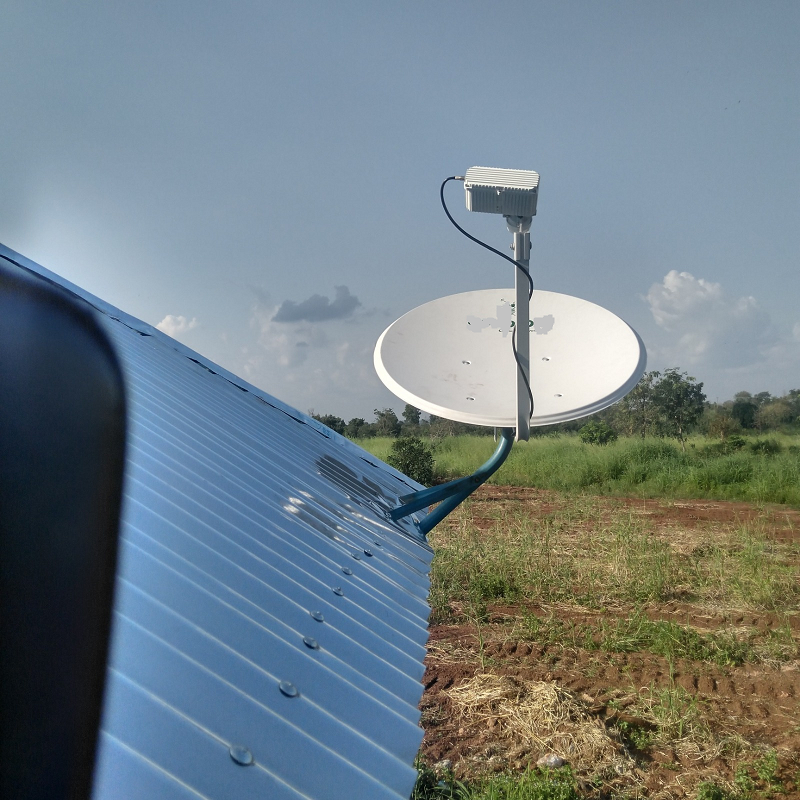
In the realm of global connectivity, Starlink emerges as a formidable player, boasting an ambitious goal to blanket the entire Earth with high-bandwidth internet. This initiative, spearheaded by SpaceX, aims to bridge the digital divide and provide remote and underserved areas with reliable internet access. As of 2024, Starlink has made significant strides towards this goal, deploying over 5,300 satellites and expanding its coverage to over 60 countries.

The innovative satellite system has been engineered to deliver broadband speeds up to 300 Mbps, a remarkable feat that promises to revolutionize internet access in rural and remote locations. The service’s availability map indicates a vast coverage area, with ongoing expansions to further increase its global footprint. Starlink’s no-contract policy and 30-day trial offer a flexible approach to internet service, aligning with the dynamic needs of consumers worldwide.

Starlink’s impact extends beyond residential areas, with its RV plan catering to users on-the-go and those living in mobile homes. Despite the de-prioritization of network services for the RV plan, which may result in slower speeds, the service remains a valuable asset for travelers and nomadic lifestyles.

The company’s commitment to innovation is evident in its next-gen Starlink V2 Mini satellites, which utilize the E-band for backhaul, enhancing capacity by four times compared to previous models. This technological advancement underscores Starlink’s dedication to continuous improvement and its vision for a hyper-connected world.

Furthermore, Starlink’s Direct-to-Cell service, which began with text messaging and is set to expand to phone calls, illustrates the company’s broader ambitions in the telecommunications sector. This service, once fully operational, could redefine the way we think about mobile connectivity, especially in regions traditionally plagued by poor cellular service.

As of 2024, Starlink has achieved an impressive coverage footprint, servicing over 1 million users in 60 countries. This includes not only urban areas, but also rural and remote regions where traditional internet services have been limited or non-existent. The service’s availability map indicates a wide-reaching network, with plans for expansion to cover more areas soon.

The technology behind Starlink is engineered by SpaceX, leveraging their experience with spacecraft and on-orbit operations to provide a reliable internet connection. Users can set up the service with ease, requiring only two steps: plugging in the equipment and pointing it at the sky. This simplicity is part of what makes Starlink an attractive option for those in underserved locations.

In the United States, Starlink boasts over 99% coverage, with a small percentage on a waiting list, indicating near-complete reach within the country. The service has been particularly impactful for people living in rural parts of the world, where the introduction of Starlink has led to greatly improved internet speeds.

Starlink’s approach to contracts is also user-friendly, offering services without long-term commitments and allowing users to cancel at any time. This flexibility, combined with the service’s rapid deployment and ease of installation, positions Starlink as a leading solution for global internet coverage.

While it may not be the only high-bandwidth internet system available globally, Starlink’s extensive satellite network and continuous improvements in speed and capacity make it a prominent player in the quest to connect the entire Earth. With ongoing advancements and satellite launches, Starlink’s coverage is set to expand further, potentially fulfilling the vision of universal internet access.

The journey of Starlink is not just about technological prowess; it’s about connecting people, empowering communities, and fostering opportunities in every corner of the planet. As we look to the future, the promise of a fully connected Earth is not just a possibility—it’s on the horizon, thanks to the relentless efforts of initiatives like Starlink.