DD
MM
YYYY

PAGES

DD
MM
YYYY

spot_img

PAGES

Home Blog Page 3096

Binance announces Solana liquid staking token BNSOL

0

In a significant development for the cryptocurrency sector, Binance has announced the launch of a new Solana liquid staking token named BNSOL. This move is poised to have a considerable impact on the Solana ecosystem and the broader DeFi landscape.

Liquid staking is a process that allows cryptocurrency holders to stake their assets to support a blockchain network while retaining liquidity. Traditionally, staked assets are locked and cannot be traded or used in other DeFi activities. However, liquid staking tokens like BNSOL enable users to stake their SOL tokens and simultaneously maintain the ability to trade or use them, offering a flexible and efficient way to earn staking rewards.

The introduction of BNSOL is expected to address a significant gap in the Solana network’s staking infrastructure. While Solana has a higher percentage of its native token staked compared to Ethereum, it lags in terms of liquid staking options. Ethereum boasts approximately 65% of its staked ETH in liquid form, whereas Solana has only about 6% in liquid staking tokens. The launch of BNSOL, therefore, represents a strategic effort to enhance Solana’s liquid staking capabilities and could potentially lead to an increase in the total value locked (TVL) within the Solana ecosystem.

Binance’s foray into Solana staking with BNSOL is also indicative of a growing trend among major exchanges to create their own derivative assets. This trend reflects the increasing institutional interest in the cryptocurrency space and the desire of centralized platforms to integrate more deeply with decentralized ecosystems. However, it also raises questions about the implications of centralized entities exerting influence over decentralized networks.

The launch of BNSOL is not just a technical development; it carries broader implications for the Solana network. It could lead to enhanced liquidity and accessibility, making it easier for investors to participate in staking. This, in turn, could contribute to the decentralization and security of the Solana network, as more stakeholders become validators.

Staking rewards are incentives provided to users who lock up their cryptocurrencies to support the operation and security of a blockchain network. With BNSOL, users can expect to earn rewards in several ways:

As you stake your SOL to receive BNSOL, these tokens are expected to appreciate in value over time relative to the staking rewards. Holding BNSOL not only represents your staked investment but also grants you voting power in the Solana ecosystem. Additionally, you may be eligible for exclusive airdrops, where holding more BNSOL could result in receiving more airdropped tokens.

By using BNSOL in various decentralized finance applications, you can potentially increase your staking rewards. For example, providing liquidity on a decentralized exchange with your BNSOL could earn you a share of the swap fees.

For the cryptocurrency community, the introduction of BNSOL by Binance is a development worth watching. It highlights the dynamic nature of the DeFi sector and the continuous innovation that drives it forward. As the landscape evolves, BNSOL could play a pivotal role in shaping the future of staking and liquidity within the Solana network and beyond.

The cryptocurrency market is known for its rapid pace of change, and BNSOL is the latest example of how innovation can open up new possibilities for investors and users. As the community awaits further details on the rollout of BNSOL, the anticipation builds for what could be a transformative moment for Solana and the wider DeFi ecosystem.


Examining Coinbase Foray into Bitcoin Lightning Network Transactions

0

Coinbase, a leading cryptocurrency exchange platform, has recently made a significant stride in enhancing the efficiency of Bitcoin transactions. With the integration of Bitcoin’s Lightning Network, Coinbase users can now send up to $10,000 instantly. This move is a game-changer for the platform’s 100 million users, offering a faster and more cost-effective method for transferring Bitcoin.

The Lightning Network is a second-layer technology applied to Bitcoin that enables off-chain transactions, which are significantly quicker and cheaper than traditional on-chain transactions. Since its inception in 2017, the Lightning Network has seen steady growth and adoption within the crypto community. Coinbase’s integration of this technology marks a pivotal step in the platform’s commitment to improving user experience and transaction efficiency.

For users, the benefits are manifold. Transactions that previously could take minutes to hours to confirm on the blockchain can now be settled almost instantaneously. This is particularly advantageous for those looking to send money across borders, as it reduces the time and fees associated with international transfers. Moreover, the lower transaction costs make Bitcoin a more viable option for small and large transactions alike, potentially increasing its use as a medium of exchange rather than merely a store of value.

Coinbase’s adoption of the Lightning Network could also have broader implications for the cryptocurrency market. As one of the most prominent exchanges, Coinbase’s actions may encourage other platforms to integrate similar technologies, thereby enhancing the overall usability and adoption of Bitcoin. Furthermore, the ability to send large sums quickly and at a low cost may prompt more businesses to accept Bitcoin as a payment method, recognizing the benefits of receiving payments swiftly and economically.

Consequently, Coinbase has raised concerns about the SEC’s proposal to include decentralized exchanges (DEXs) in the definition of an exchange, arguing that this could stifle innovation and have a profound impact on the crypto industry. The company has also pointed out what it believes to be flaws in the SEC’s analysis, claiming that the proposed definition of an exchange is not accurate.

The stakes were raised following a key court ruling in favor of Ripple, where a U.S. judge ruled that XRP token purchases via exchanges were not securities transactions. This decision has been seen as a positive sign for Coinbase, bolstering its case against the SEC. Coinbase’s chief legal officer expressed confidence in their position, suggesting that the ruling could set a precedent for other cryptocurrencies not to be subject to security laws.

However, the SEC has charged Coinbase with operating as an unregistered securities exchange, broker, and clearing agency, alleging that the platform has made billions of dollars unlawfully facilitating the buying and selling of crypto asset securities. This has led to a complex legal confrontation, with Coinbase aggressively taking the agency to court and seeking records on the SEC’s review of Ethereum.

The outcome of this battle could have far-reaching implications for the crypto industry, potentially shaping the regulatory framework and influencing how cryptocurrencies are traded and managed in the United States. As the situation unfolds, the industry watches closely, hoping for a resolution that supports innovation while providing clear regulatory guidance.

The integration of the Lightning Network by Coinbase is a testament to the ongoing evolution of the cryptocurrency space. It reflects a growing trend towards making digital assets more accessible and practical for everyday transactions. As the crypto ecosystem continues to mature, such innovations are likely to play a crucial role in shaping the future of money and payments.

Bismarck Rewane: $1 Trillion Economy Target Unlikely in the Next 5-6 Years

0

Prominent economist and Managing Director of Financial Derivatives Company, Bismarck Rewane, has expressed skepticism over the current administration’s ambitious goal of achieving a $1 trillion economy within the next few years.

Speaking during an interview on Arise TV’s morning show, Rewane outlined several challenges that make this target unattainable in the near term, despite the government’s optimistic projections.

He highlighted the sluggish GDP growth rate as a major obstacle to reaching the $1 trillion target. Nigeria’s GDP grew by 3.19% in the second quarter of 2024, a slight increase from the 2.98% growth recorded in the first quarter.

Rewane, who is part of Tinubu’s Economic Management Team, pointed out that this growth is insufficient, especially considering that approximately 75% of the economy’s sectors contracted during the same period.

“The current GDP growth rate of 3.19% is too slow to make any significant difference,” Rewane stated.

He further emphasized that Nigeria’s economy is not progressing toward its long-term goals.

“What are the broad economic goals of this economy? We wanted to be among the top 20 economies in the world; at one point, we were 26th. Today, we are 32nd, so we have worked our way down the ladder of success,” he said.

He also underscored the enormity of the task ahead for Nigeria to reach the $1 trillion economy target.

“We now said that we want the economy to be a $1 trillion economy, but currently, we are at $384 billion. That means we would need to achieve around 200% growth in the next 4 to 5 years, and that is not going to happen,” Rewane asserted.

Challenges with Economic Integration and External Shocks

Rewane also noted that while the government aims to insulate the economy from external shocks, the reality has been quite the opposite.

“We also said we want to insulate our economy from external shocks, but as we integrate our economy into the global economy, we are increasingly exposed to those shocks,” he remarked.

He explained that this increasing integration has brought about vulnerabilities, particularly as global economic conditions remain unpredictable. The combined pressures of inflation and exchange rate volatility have further complicated Nigeria’s economic trajectory, making the $1 trillion target even more elusive.

Critique of the Windfall Tax on Banks

Before his assessment of the GDP growth rate, Rewane has also critiqued the federal government’s focus on generating revenue through the recently approved windfall tax. He argued that this move contradicts the administration’s stated objective of promoting investment-led growth, explaining that the federal government’s intense focus on generating revenue through the windfall tax is counterproductive to the investment-led growth strategy that the administration claims to promote.

He pointed out that while Nigerian companies reported N1.4 trillion in foreign exchange revaluation gains, they also faced N1.7 trillion in forex losses during the same period. This resulted in a net loss of N300 billion to the economy, further questioning the effectiveness of the tax policy.

Rewane further elaborated on the disincentives for Nigerians to comply with tax policies, citing the lack of visible benefits from taxes already paid. Despite the tax-to-GDP ratio improving from around 4% to 9%, Rewane observed that there has been little to no improvement in the well-being of the populace, which diminishes the incentive to pay taxes.

Rewane’s comments come against the backdrop of President Bola Tinubu’s ambitious projections during the Nigeria Economic Summit in 2023. At the time, President Tinubu stated that a $1 trillion economy was possible within the next three years, with an even more ambitious goal of reaching $3 trillion by 2030. These projections were based on optimistic growth assumptions and anticipated policy reforms aimed at driving economic expansion.

However, the recent GDP figures and ongoing economic challenges paint a less rosy picture. While the Presidency has celebrated the 3.19% growth rate as a sign of better things to come, Rewane’s analysis suggests that significant hurdles remain, particularly in tackling inflation and stabilizing the exchange rate, which continues to be major obstacles to sustained economic growth.

Ndubuisi Ekekwe To Speak in US-Nigeria Trade & Investment webinar series Tomorrow

0

Good People, join me tomorrow as I keynote the US-Nigeria Trade & Investment webinar series. This knowledge series is designed to facilitate meaningful discussions, the exchange of innovative ideas, inspire critical thinking, spark constructive conversations, and proffer positive solutions.

Theme: “Nigeria: Shifting Focus from Import Consumption to Industrialization – Catalyzing Economic Growth and Emerging as Africa’s Leading Manufacturing and Export Hub.”

Date: Saturday, August 31, 2024.

Time: 6:00pm Nig./UK, 1:00pm EST/NY.


Keynote Speaker

Prof Ndubuisi Ekekwe

Founder / Chairman, Tekedia Capital


Moderator: Mopileola Amusu

Free Zoom link https://us02web.zoom.us/meeting/register/tZYlc-qvpjMsH9RyxrJaHbWUrXEveIMDeWRc#/registration

Navigating Russia’s Foray into Cryptocurrency for International Transactions

0

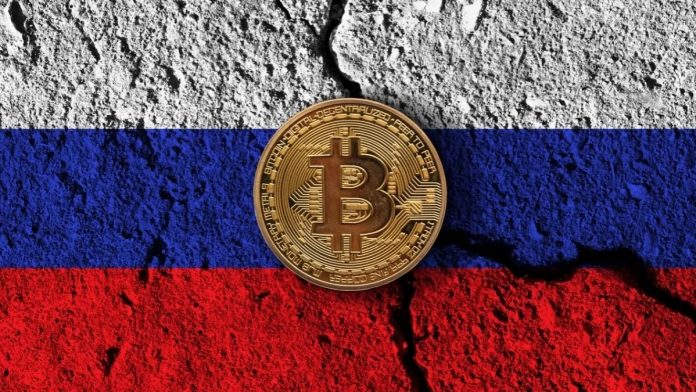
In a strategic pivot, Russia is set to commence the use of cryptocurrencies for international transactions starting September 1st. This move represents a significant shift in the country’s financial strategy, especially in light of the economic sanctions imposed by Western countries. The adoption of digital currencies for cross-border payments is seen as an effort to circumvent these sanctions and facilitate smoother financial exchanges on the global stage.

Cryptocurrency has emerged as a revolutionary force in the financial world, offering a new paradigm for conducting transactions across borders. Its decentralized nature, speed, and cost-effectiveness have made it an attractive option for international trade. However, with these benefits come significant risks that must be carefully considered.

Background of Russia’s Economic Sanctions

The sanctions, which have targeted Russia’s access to traditional payment systems, have necessitated the exploration of alternative transaction methods. Previously, Russia had been largely cut off from the SWIFT international payment system, which significantly hampered its ability to engage in global trade. The sanctions were a response to the geopolitical tensions and conflicts involving Russia, and they aimed to isolate the country economically.

The Shift to Cryptocurrency

In response to these challenges, Russian authorities have turned their attention to cryptocurrencies. The legal groundwork for this shift was laid on August 8th, when President Vladimir Putin signed legislation that legalized the experimental use of cryptocurrencies for international payments and Forex transactions.

This legislation marks a departure from Russia’s earlier stance on digital currencies. Before the conflict in Ukraine in 2022, the Central Bank of Russia had advocated for a total ban on cryptocurrencies. However, the landscape has changed, and now, cryptocurrencies are being embraced as a viable solution for international trade.

Stablecoins, which are digital currencies pegged to traditional fiat currencies, are expected to play a crucial role in these international transactions. The Central Bank of Russia is overseeing the process and is also continuing trials for the digital ruble, which began in August 2023. The digital ruble is part of Russia’s broader plan to integrate cryptocurrencies into its system for international trade, particularly with China, its largest trading partner.

The success of Russia’s cryptocurrency initiative may heavily rely on support from the BRICS nations (Brazil, Russia, India, China, and South Africa). Some of these countries have indicated that they are working on the matter, although their full commitment remains to be seen. The collaboration among these nations could potentially create a new dynamic in international trade, one that is less dependent on traditional Western financial systems.

Despite the potential benefits, there are several challenges that Russia may face in implementing cryptocurrencies for international trade. These include the volatility of cryptocurrency values, technical complexities, and restrictions on cryptocurrency use in certain countries. Moreover, the security measures for these transactions are still a subject of discussion and development.

Russia’s decision to use cryptocurrencies for international transactions is a testament to the evolving nature of global finance. It reflects a world where digital currencies are becoming increasingly mainstream, offering new avenues for countries to engage in trade and commerce. As September 1st approaches, the international community will be watching closely to see how this experiment unfolds and what implications it will have for the future of economic sanctions and cryptocurrency’s role in global trade.