DD
MM
YYYY

PAGES

DD
MM
YYYY

spot_img

PAGES

Home Blog Page 3116

How to Bypass Phone Number Verification without Compromising Privacy

1

Implementing phone number verification in today’s information space has become a popular procedure in various services. An easy example is the creation of social network accounts, where sites now require users to receive SMS verification. However, sharing personal phone numbers comes with the issue of privacy.

This blog will focus on avoiding phone number verification without losing privacy while being as secure as possible.

The Importance of Privacy in the Digital Age

Since everyone’s information is accessible to all individuals in this highly technologically evolved society, privacy is the primary concern. It is crucial to safeguard data for privacy and one’s psyche, as failure poses serious cons. Therefore, it’s critical to implement safeguards to maintain user privacy when using social networking sites.

Understanding Phone Number Verification

Phone number verification is another form of ID check that online platforms demand from their users to ensure that a user is genuine. This often includes entering the users’ phone number and receiving an SMS from the platform, with a code that must be entered to finish the verification.

Standard methods of phone number verification include:

  • SMS Verification: The user receives an SMS on their phone with a code they must submit on the platform.
  • Voice Call Confirmation: This is comparable to an SMS, although, in this instance, the user receives the code via an automated phone message.
  • App-Based Verification: Codes are received in applications such as Google Authenticator.

These methods assist in avoiding fake accounts or individuals being fake that they are a particular person. However, they have privacy issues simultaneously, and sharing the phone number entails specific adverse outcomes.

The Need for Bypassing Phone Number Verification

There are various scenarios where bypassing phone number verification may be necessary. For instance, keep your number private or avoid spam and unsolicited calls when signing up for new services. Users often face challenges such as:

  • Privacy Concerns: Sharing a personal phone number can expose users to privacy risks.
  • International Access: Users travelling abroad may not have access to their primary phone number.
  • Temporary Accounts: Sometimes, users must create temporary accounts for short-term purposes without using their primary number.

These difficulties show how important it is to have trustworthy ways to get around phone number verification without sacrificing privacy.

How to Bypass Phone Number Verification

Here, we’ll look at safe ways to get around phone number verification while maintaining your privacy.

Use Temporary Phone Numbers

Verification codes can be obtained with temporary phone numbers (such as those from SMS-MAN) without revealing your number. These numbers can be used for one-time verifications and are usually available online.

Utilize Virtual Phone Numbers

Virtual phone numbers work similarly to temporary numbers but are often available longer. Services like Google Voice and Burner offer virtual numbers to receive SMS verification codes and make calls.

Leverage VoIP Services

Verification can be done using VoIP (Voice over Internet Protocol) phone numbers like TextNow and Skype. These services are most likely to provide more privacy as they are not interlinked to your personal phone number.

Step-by-Step Guide

  1. Select a Service: Choose a reliable service like SMS-MAN, Google Voice, or Burner.
  2. Sign Up: Register for the chosen service and get a temporary or virtual number.
  3. Enter the Number: Use the provided number for SMS verification on the platform.
  4. Receive the Code: Check the service for the received verification code.
  5. Enter the Code: Input the code on the platform to complete verification.

You can avoid phone number verification by following these procedures without jeopardising your privacy.

FAQs

Can I use my personal phone number for verification?

You may use your phone number which is suitable but in this case, you need to think about privacy as such use may lead to, such as spam or other unwanted calls.

Are temporary phone numbers safe to use?

Yes, they are generally safe for verification but do not use any old service-providing site so that your number is not compromised.

Conclusion

Competition has grown so much, and everybody is plugged in. Therefore it is your duty and right to protect yourself and your privacy. Learn how to bypass phone number verification and regain your rights to your data while remaining private. The key is knowing and acting, regardless of direction, with either Google Voice, VoIP, or temporary phone numbers. Remember that you own your privacy, so do not be afraid to use these techniques to keep your data confidential.

U.S. Semiconductor Surge with Texas Instruments

0

The recent decision by the U.S. government to allocate $4.6 billion to Texas Instruments under the CHIPS and Science Act is a significant move to support the national semiconductor industry. This law, passed in 2022, aims to restore and strengthen semiconductor manufacturing in the United States, addressing risks posed by global supply chains, shortages, and increasing competition from Asian countries.

The CHIPS and Science Act provides more than $52 billion to boost semiconductor research and manufacturing in the United States. The main objectives of the law are to reduce dependence on foreign supplies, create new jobs, and support innovation in advanced technologies. The U.S. Department of Commerce regularly distributes funds under this law, balancing private sector needs with public interests. Through subsidies and loans, the government seeks to support strategically important companies that can significantly contribute to the industry’s growth.

In total, the CHIPS and Science Act provides $39 billion in subsidies for building new facilities and $75 billion in concessional loans. Most of these funds have already been allocated to over ten recipients, with the remaining funds to be distributed by the end of the year. According to the Commerce Department, the support for Texas Instruments will ensure reliable supplies of domestically manufactured semiconductor components, which are crucial to nearly every aspect of modern life.

Texas Instruments is one of the largest and most well-known companies in the semiconductor world. It is a leader in the production of analog and digital chips used across various sectors, including automotive, consumer electronics, and industrial systems. As the company continues to expand its manufacturing capacity in the U.S., it not only strengthens its own position but also significantly contributes to the broader national economy.

The company intends to invest $18 billion to build three new U.S. plants by 2029. Of the total $4.6 billion allocated to this company, $1.6 billion is in subsidies, and $3 billion comes from concessional loans. This substantial funding is due to several factors:

  1. Major investment project: Texas Instruments is a leading semiconductor manufacturer, actively increasing production capacity in the face of growing demand for chips.
  1. Job creation: The project is expected to create around 3,000 high-skilled jobs, signaling the U.S.’s commitment not just to chip manufacturing but also to developing the local economy and skilled workforce.
  1. Strategic importance: Supporting Texas Instruments is crucial because it produces advanced technologies essential to industries ranging from automotive to electronics.

The financing of Texas Instruments has a multifaceted impact on the U.S. economy. First, creating new jobs improves the quality of life in the regions where new plants will be built. Second, increasing semiconductor production will help meet domestic demand and reduce dependence on imports, which is particularly important given global economic changes and political instability.

Additionally, boosting the country’s chip production will enhance the competitiveness of American technology in the international arena and serve as an example for other companies considering investing in the United States. This development, coupled with the strong Nvidia stock performance, underscores the growing investor confidence in the U.S. semiconductor industry.

Thus, the allocation of $4.6 billion to Texas Instruments under the CHIPS and Science Act reflects the government’s commitment to building a sustainable and independent semiconductor industry, essential for the operation of computers and automated trading software. This initiative not only supports the sector’s growth but also helps the country reassess its economic strategies in the face of increasing global challenges.

Nigerian Inter-Bank Settlement System Forge Alliance With Zone Payment Network to Revolutionize PoS Transactions

0

In a pivotal move set to transform Nigeria’s financial landscape, the Nigerian Inter-Bank Settlement System (NIBSS) has announced a strategic partnership with Zone, a payments-regulated blockchain network, to enhance Point of Sales transactions (PoS) in the country.

This collaboration aims to bring unprecedented security, efficiency, and transparency to Nigeria’s rapidly growing PoS system, which also comes in the Central Bank of Nigeria (CBN) requirements for financial services providers to route their PoS transactions through a Payment Terminal Service Aggregator (PTSA).

One of the primary goals of this partnership is to leverage blockchain’s decentralized technology to bolster the security of PoS transactions. By recording transactions on a blockchain, the risk of tampering or fraudulent activities is significantly reduced. This move is expected to address the persistent issues of fraud and chargebacks that have plagued Nigeria’s PoS system, instilling greater confidence in both consumers and merchants.

According to the Fraud and Forgeries Report in Nigerian Banks for the first quarter (Q1) of 2024 by the Financial Institutions Training Centre (FITC), POS fraud cases surged by 31.12% in Q1 2024.

Speaking on the partnership, the managing director and CEO of NIBSS, Mr. Premier Oiwoh said the collaboration with Zone represents a significant milestone in the firm’s mission to drive innovation and enhance the efficiency of the PoS payment system. He further added that this strategic partnership will bring about improved operational efficiency, cost savings, and enhanced financial inclusion, ultimately positioning Nigeria at the forefront of the global payment space.

Also commenting, CEO and Co-founder of Zone, Obi Emetarom said,

“This partnership with NIBSS reflects our unwavering commitment to transform the payment landscape in Nigeria. By harnessing the power of blockchain technology, we are setting a new standard for reliable, frictionless, and universally interoperable payments in the industry.”

It is worth noting that the Nigeria Inter-Bank Settlement System (NIBSS), manages the interconnectivity of all payment terminals across the country, ensuring that devices are brand-agnostic and can accept cards issued by any Dank or licensed card scheme. Additionally, NIBSS standardizes the technical and operational specifications for these terminals and implements a risk management process to handle any potential issues related to contactless payments.

Notably, the recent collaboration with Zone, a blockchain payment-regulated platform, will play a crucial role in improving the efficiency of PoS transactions and protecting users’ sensitive transaction data, adding an extra layer of security, which is pertinent in a world where digital transactions are becoming increasingly prevalent.

Also, blockchain’s transparent nature is set to enhance the trustworthiness of PoS transactions. It is understood that every transaction recorded on the blockchain is visible and verifiable by all parties involved, making it easier to audit and ensuring that records are accurate and consistent. This transparency is expected to build trust among stakeholders, from banks and merchants to consumers.

Moving forward, regulatory compliance will also be a key focus of this partnership, as Blockchain can automatically enforce compliance through smart contracts which will ensure that PoS transactions adhere to Nigerian financial regulations, including Know Your Customer (KYC) and Anti-Money Laundering (AML) requirements. This proactive approach to compliance will reduce the risk of regulatory breaches and associated penalties.

The collaboration between the Nigerian Inter-Bank System and the Nigeria Blockchain Network Zone marks a significant step forward in the evolution of Nigeria’s PoS infrastructure. As the initiative progresses, it is poised to set new standards for digital payments in Nigeria, driving the country’s financial sector toward greater innovation and global competitiveness.

How Ethereum Is Revolutionizing Startup Funding

0

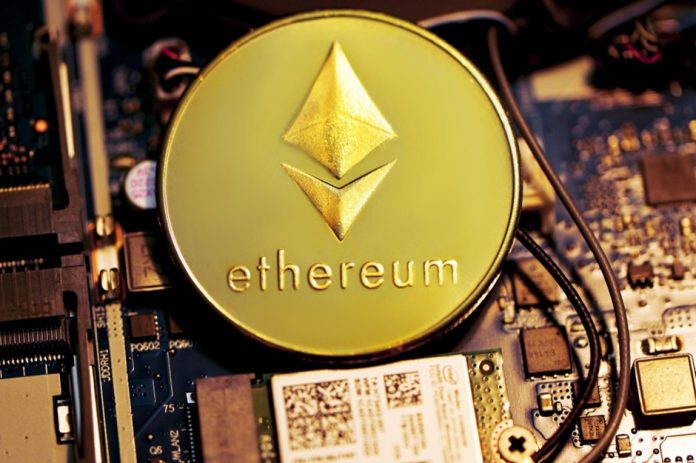
Ethereum, a decentralized blockchain platform known for its smart contract functionality, is dramatically altering the landscape of startup funding. Since its launch in 2015, Ethereum has provided new ways for startups to raise capital, manage assets, and interact with investors. Let’s dig deeper. 

The Traditional Startup Funding Model 

Before exploring Ethereum’s impact, it’s essential to understand the traditional startup funding model. Typically, startups have relied on venture capital (VC) firms, angel investors, and bank loans to secure the necessary capital to launch and grow their businesses. These methods often involve significant bureaucracy, long timelines, and high costs, which can be prohibitive for early-stage startups. 

VC firms, for instance, usually demand a substantial equity stake in exchange for funding, which can dilute the founders’ control over the company. Furthermore, securing VC funding is a highly competitive process, often requiring startups to have a proven track record or significant traction, which many early-stage companies lack. 

Enter Ethereum: The Catalyst for Change 

Ethereum introduced a new paradigm for startup funding through its decentralized platform and smart contracts. Through Ethereum, many startups have bypassed traditional funding mechanisms and accessed global capital markets directly. 

  1.   Initial Coin Offerings (ICOs)

One of the most significant innovations Ethereum has introduced to startup funding is the Initial Coin Offering (ICO). ICOs allow startups to raise capital by issuing tokens on the Ethereum blockchain. For instance, you can buy Ethereum with credit or debit cards, and in return, receive a stake in the startup’s project or access to its future services. 

ICOs raised went over $7 billion in 2018, demonstrating their popularity among startups and investors alike. Ethereum’s smart contracts automate the distribution of tokens and manage investor funds transparently, reducing the risk of fraud and ensuring that the terms of the funding agreement are upheld without the need for intermediaries. 

Moreover, ICOs democratize access to capital, enabling startups to raise funds from a global pool of investors. This is particularly beneficial for startups in regions where traditional funding options are limited. 

  1. Decentralized Autonomous Organizations (DAOs)

Ethereum also powers Decentralized Autonomous Organizations (DAOs), which are organizations governed by smart contracts rather than central authorities. DAOs enable startups to create decentralized governance structures where decisions are made through community voting. 

In 2021, the total value locked (TVL) in DAOs exceeded $1 billion, highlighting their growing importance in the startup ecosystem. Startups can use DAOs to raise funds, manage resources, and make strategic decisions collectively, ensuring transparency and inclusivity in the process. 

  1.   Security Token Offerings (STOs)

Unlike ICOs, which issue utility tokens, STOs involve the issuance of security tokens that represent ownership in a company or its assets. These tokens are subject to regulatory oversight, providing a more compliant and secure way for startups to raise capital.

STOs combine the best aspects of traditional securities offerings with the efficiency and transparency of blockchain technology. Ethereum’s smart contracts ensure that STOs are conducted transparently and efficiently, with automatic compliance checks built into the process. This reduces the legal and administrative burdens associated with traditional securities offerings. 

  1.   Decentralized Finance (DeFi) Platforms

Decentralized Finance (DeFi) platforms, built on Ethereum, offer a range of financial services, including lending, borrowing, and asset management, without the need for traditional financial institutions. DeFi platforms have become a popular alternative for startups seeking funding or managing their capital. 

The total value locked in DeFi protocols exceeded $100 billion in 2021, highlighting the rapid adoption of these platforms. Ethereum’s role as the underlying infrastructure for DeFi has made it a crucial player in the evolution of startup funding. 

Challenges and Risks 

While Ethereum offers numerous benefits for startup funding, it also comes with challenges and risks. First, the volatility of crypto prices can impact the value of funds raised, and regulatory uncertainty in various jurisdictions can pose compliance challenges. Additionally, the high-profile failures of some ICOs have raised concerns about investor protection. 

Startups must carefully consider these factors and implement robust risk management strategies when using Ethereum for funding. Engaging with legal and financial experts who understand the nuances of blockchain technology is crucial to navigating these challenges successfully. 

The Future of Startup Funding with Ethereum 

One of the key developments expected to influence startup funding as we move toward 2025 and beyond is the full implementation of Ethereum 2.0. This upgrade will introduce a more scalable, secure, and sustainable blockchain, addressing some of the existing challenges, such as high transaction fees and slow processing times. 

For startups, this means more efficient fundraising through hybrid approaches that combine elements of ICOs, STOs, and traditional fundraising methods, or entirely new concepts that leverage Ethereum’s smart contract capabilities. The reduced gas fees and improved network performance can also make Ethereum even more attractive for both entrepreneurs and investors. 

It’s also anticipated that more jurisdictions will have established frameworks for blockchain-based fundraising methods. This regulatory clarity will reduce the risks associated with blockchain fundraising, making it a more attractive option for startups and investors alike.

Tron (TRX) & Pepe (PEPE) Whales Are Loading Up on DTX Exchange (DTX) – the Next Presale To Explode

0

DTX Exchange (DTX) is getting worldwide attention thanks to its presale performance, which has already provided early buyers with a 100% return. Even top whales from other crypto coins like Tron (TRX) and Pepe (PEPE) are buying up DTX at the moment, which means that the DTX Exchange presale could explode very soon.

While TRX and PEPE are seeing exciting price movements and news, analysts also focus on DTX. Some say that this coin, now in Stage 2 of its presale, may become the next 90x crypto in 2024. Keep reading to find out why.

Tron (TRX): Tether Settlements Skyrocket

Tron (TRX) is a crypto making headlines in the crypto market. Recently, Token Terminal revealed that the Tron network now manages ? of Visa’s settlement volume for Q2 of 2024. In Q2 of 2020, this number sat at $25.2B, while now it sits at $1.25T.

This big Tron news could cause its value to surge as well. Over the past 12 months, TRX’s value jumped over 85%. Around 28 technical signals are in the buy zone for the Tron crypto as it sits above its 200-day exponential moving average.

Because of all these reasons, experts in the crypto space think that Tron will trade at $0.50 before the end of September 2024.

Pepe (PEPE): Buy the Dip

Pepe (PEPE) is another coin with some good price movement. CoinMarketCap analytics show that the Pepe price surged over 550% in the past year alone. Plus, crypto analyst WOLFY also made a bullish statement. In his X article, he says people should buy the dip for PEPE as it could rise soon.

The technical signals for the Pepe coin are also showing green. Currently, PEPE is sitting above its 50-day exponential moving average and has five green technical signals.

Big-time market analysts mention all these factors when making their Pepe price prediction. They are now predicting that PEPE will reach a value of $0.022 before October 2024 ends.

DTX Exchange (DTX): An Upcoming Powerful Crypto Force

Still, in its early stages, DTX Exchange (DTX) has been making whales turn to it. So far, it has raised over $1.4M and is on track to reach $2M before the end of August 2024. Big-time whales and even YouTubers have noticed this performance. Even Crypto Infinity told his 150K subscribers that DTX Exchange is a next-level trading platform.

What gives DTX Exchange an advantage over other platforms like Coinbase is its hybrid trading model. With this model, people can buy CFDs, stocks, cryptos and over 120K asset classes at a leverage of 1000x. Plus, fast transaction speeds as low as 0.04 seconds could make it a fan favorite.

The DTX utility token will power this exchange. Holding it gives you lower trading fees and voting rights for governance issues. Currently, DTX costs $0.04 since it is in Stage 2 of its presale. Once Stage 3 begins, this price will jump to $0.06. Some market analysts think a 90x rise is coming after DTX gets listed on Tier-1 exchanges in Q3 of 2024.

Why Are Tron and Pepe Whales Turning to DTX Exchange?

DTX Exchange is starting to become the hottest presale this year with big backing from Tron and Pepe whales. They are turning to it because DTX has a smaller market cap than these crypto coins and ties to many trillion-dollar financial markets. Because of these facts, DTX will remain more stable in the long run while soaring faster since it needs less new money.

Learn more:

Buy Presale

Visit DTX Website

Join The DTX Community