DD
MM
YYYY

PAGES

DD
MM
YYYY

spot_img

PAGES

Home Blog Page 3164

The Tekedia Quality of Innovative Entrepreneurial Education

0

When you see someone wearing a Tekedia Institute t-shirt, please show some #love. That person is #ready2lead because he/she has attended one of the finest business schools in Africa, where people master the mechanics of entrepreneurial capitalism.

More priests, imams, doctors, engineers, entrepreneurs, owners, accountants, lawyers, etc attend our programs than any university in Africa!  (More than a dozen catholic priests from the Catholic Diocese of Okigwe are releasing a book on community economic development. It was an ecclesiastical moment when they asked me to write the Foreword. They attended Tekedia programs).

AfriTech Capital was conceived by 13 Tekedia Mini-MBA learners during their studies here. Today, they run a fund with operations in Nigeria and the United States. This is the school of the future.

Check our testimonial page; add yous and make it complete.

Testimonials

Implications of the Release of Julian Assange and DOJ Plea Deal

0

The recent developments in the case of Julian Assange, the founder of WikiLeaks, have sparked a global conversation about the implications of his release and the plea deal with the U.S. Department of Justice (DOJ). Assange’s case has been a complex web of legal battles, political implications, and debates on freedom of the press and information.

Julian Assange, the founder of WikiLeaks, has been a controversial figure in the global discourse surrounding freedom of information and national security. The charges against Assange stem from allegations that he conspired to obtain and disseminate classified information, which is a violation of the Espionage Act.

Assange’s plea deal, which involves him pleading guilty to a single felony count of conspiring to unlawfully obtain and disseminate classified information, marks a significant turn in a saga that has spanned over a decade. The deal allows Assange to avoid further time in prison, a resolution that has been met with mixed reactions from various quarters.

The legal journey of Assange has been long and complex, involving multiple countries and legal systems. Initially, Assange faced more than a dozen charges, including allegations that he aided and abetted the hacking of government computers and the illegal dissemination of classified information related to the United States’ military operations in Afghanistan and Iraq.

The most significant charge that Assange agreed to plead guilty to was one count of conspiracy to commit computer intrusion. This plea is part of a deal with the U.S. Department of Justice, which allows him to avoid further time in prison. Under the plea agreement, Assange is expected to receive a sentence equivalent to the time already served in the UK while fighting extradition to the U.S., which means he will not spend additional time in U.S. custody.

Assange’s case has raised important questions about the limits of journalistic freedom, the protection of whistleblowers, and the extent to which governments can control classified information. His situation continues to be a point of debate and discussion among legal experts, journalists, and human rights activists worldwide.

Critics of the plea deal, such as former U.S. Vice President Mike Pence, have labeled it a ‘miscarriage of justice,’ arguing that it undermines the rule of law and the protection of classified information. On the other hand, supporters view the deal as a victory for press freedom, arguing that Assange’s actions were in the public interest, exposing government secrets and holding power to account.

The implications of Assange’s release are multifaceted. Legally, it sets a precedent for how the U.S. handles cases involving the publication of classified information. It raises questions about the balance between national security and the public’s right to know. Politically, it may affect U.S. relations with allies, especially considering Assange’s expected return to Australia, where the Prime Minister has expressed relief at the resolution of his case.

For journalism and activism, Assange’s release could be seen as a triumph, potentially emboldening others to publish classified information in the pursuit of transparency. However, it also raises concerns about the potential risks and responsibilities associated with such actions.

The Assange case underscores the ongoing debate over the definition of journalism in the digital age and the protections afforded to those who publish sensitive information. It highlights the need for clear legal frameworks that safeguard both national security and the freedom of the press.

As the world watches Assange’s next moves following his plea deal, the broader implications for legal standards, international relations, and journalistic practices will continue to unfold. The Assange saga is far from over; it will likely influence discussions and policies on freedom of information for years to come.

BlockDAG Breaks the Bank with $53.7M Keynote 2 Splash, MKR’s Rollercoaster, & ICP’s Tense Predictions

0

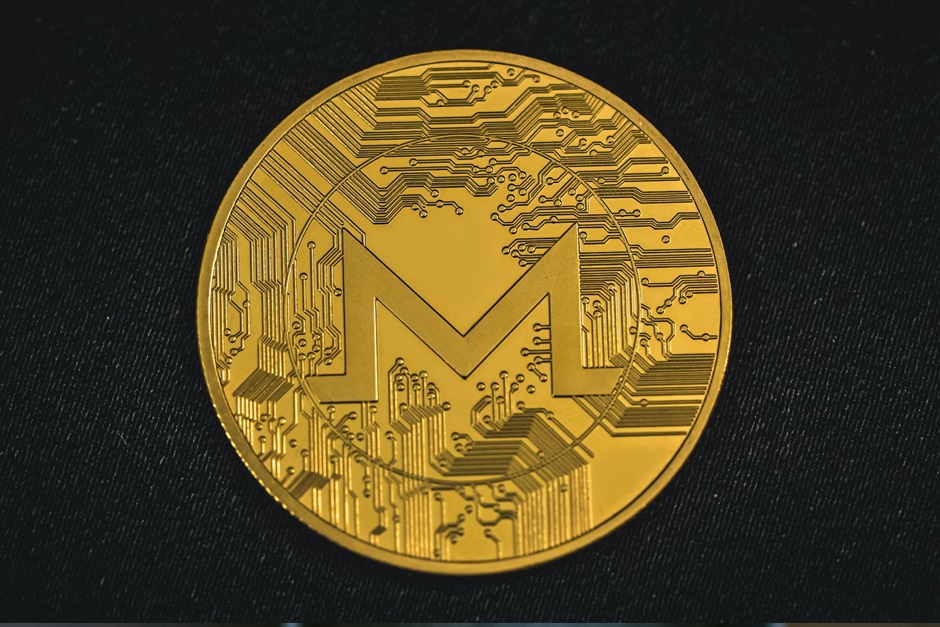
Even as it faces internal hurdles, the forecast for ICP prices remains guarded, with figures dropping from previous peaks. Meanwhile, a forecast for Monero (XMR) shows a bullish trajectory, suggesting the coin could soon challenge higher resistance levels due to rising purchase activities.

In this context, BlockDAG stands out with its Keynote 2, pushing presales to $53.7 million and igniting significant investor enthusiasm with a potential for a 30,000x return on investment. As a new crypto asset, BlockDAG’s pioneering solutions keep drawing notable interest and investments.

Analyzing ICP’s Market Movements Amid New Developments

The ICP price forecast has become increasingly conservative as the Internet Computer’s token price has dropped sharply in recent times, from a March high of $21 to a current low of $8. This significant decrease highlights a broader downtrend in the crypto market, reflecting the challenges within the Internet Computer’s ecosystem.
To rejuvenate its platform, Internet Computer has launched Verified Credentials (VR), a new feature to boost Web3 interactions by enabling secure and confidential sharing of personal data. Despite this enhancement, the lukewarm market reception to the launch maintains a conservative outlook on ICP prices, as they continue to struggle and technical indicators suggest possible further drops.

Monero (XMR) Pursues Market Stability with Bullish Indications

Despite a generally stable week, recent market analyses show Monero (XMR) displaying signs of a bullish pattern. Even though Monero, the leading privacy-centric cryptocurrency, has been stable on the charts, forecasts based on purchase pressure and recent price movements indicate that it might soon challenge its immediate resistance levels.

This gradual upward movement aligns with a generally positive sentiment over the last two months, where Monero has increased by over 70%. Currently near the $170 mark, forecasts indicate that Monero (XMR) is likely to break through resistance. This perspective is backed by market signs like a reversal pattern and a hammer signal at the bottom of the trend.

BlockDAG: Top Crypto Pick for Investors Post-2024 Keynote

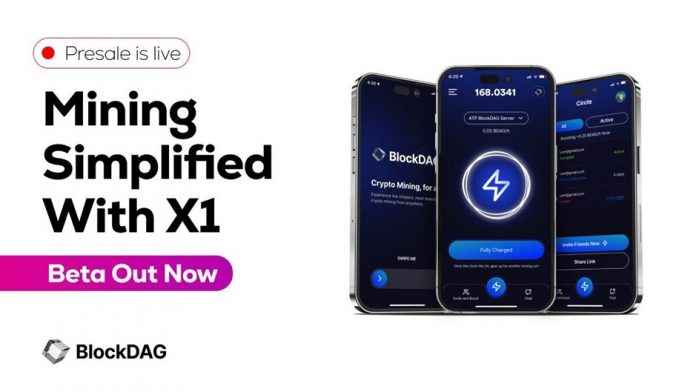
BlockDAG’s recent keynote has caught the crypto community’s attention, notably covered by media giants like Forbes and Bloomberg and strongly endorsed by sector leaders. This event highlighted the beta launch of the X1 mining app, marking it as a significant advancement in crypto mining technology.

Beyond a mere product launch, the presentation elaborated on enhancements to BlockDAG’s blockchain infrastructure, especially its DAG technology which enables quicker, scalable transaction confirmations.

The event also presented a user-friendly Low Code/No Code platform in anticipation of the upcoming mainnet launch, four months following the testnet phase in mid-August. These developments emphasize BlockDAG’s dedication to user convenience and accessibility, establishing a new benchmark for blockchain applications.

Financial analysts have responded favorably to the details from the keynote, forecasting a promising future for BDAG coin’s value. Following the keynote, BlockDAG disclosed that daily presale revenues have reached up to $5 million, spurred by investor enthusiasm for its potential increase to $30 by 2030.

Currently, in its 18th batch of the presale, BlockDAG has accumulated $53.7 million, reflecting a significant 1120% price increase since its inception. With a target price of $0.05 by the 45th batch, implying a 4900% rise, and an ultimate 30,000x ROI, BlockDAG presents a strong case as one of the top rising crypto assets, attracting more investments and setting lofty market expectations.
BlockDAG Boosts Crypto Surge, Eyes 30,000x ROI

The cautious stance of ICP’s market contrasts starkly with Monero’s bullish signals in a dynamic crypto environment. Amidst this, BlockDAG emerges as a powerhouse, amassing $53.7 million in presales and sparking interest with a projected 30,000x ROI. As a rising crypto asset, BlockDAG’s innovative approach and solid development position it as the top investment opportunity, particularly during its presale phase.

Invest in the BlockDAG Presale Now:

Presale: https://purchase.blockdag.network

Website: https://blockdag.network

Telegram: https://t.me/blockDAGnetwork

Discord: https://discord.gg/Q7BxghMVyu


BlockDAG Dev 56 Supercharges X1 Miner App With Key Security And Performance Upgrades Amid 20,000x ROI Projections

0

BlockDAG (BDAG) remains a standout in cryptocurrency, thanks to its innovative updates and impressive presale accomplishments. The latest Dev Release 56 improves the X1 Miner app, strengthening BlockDAG’s role in the crypto mining industry. With a total of $53.8 million raised from 18 presale batches, BlockDAG‘s future is looking bright. The price per coin has now reached $0.0122, reflecting a remarkable 1120% increase from the initial batch. The investment community is buoyed by predictions that the coin’s value could climb to $20 by 2025.

Unveiling BlockDAG’s Ecosystem: Potential for a 20,000x ROI

BlockDAG’s dynamic ecosystem significantly boosts the creation and implementation of decentralized applications (dApps) across various industries, including logistics, finance, and digital identity. With its intuitive tools and APIs, BlockDAG simplifies the development process. Essential to this ecosystem, BDAG coins are required to access different dApps, enhancing active participation and engagement across the network. This strategic approach drives innovation and establishes BlockDAG as a pivotal force in decentralized digital services.

The presale statistics are impressive, with rapid growth from an initial $0.001 per BDAG coin in the first batch to $0.0122 in the latest eighteenth batch. The initiative has brought in $3.4 million from selling over 8,000 miners and $53.8 million from distributing more than 11.7 billion coins. This solid foundation has piqued significant interest in the crypto community, bolstering BlockDAG’s market presence and setting it up to revolutionize decentralized applications and digital finance. The anticipated expansion could potentially lead to a monumental 20,000x ROI by 2025.

Dev Release 56: Significant Enhancements to X1 Miner

BlockDAG’s latest Dev Release 56 announces substantial improvements to the X1 Miner, which is nearing the completion of its development. The beta version of this miner is poised to transform the mining experience within the BlockDAG network, emphasizing enhanced security and improved performance for efficient operation.

Security enhancements are a top priority, with ongoing thorough vulnerability assessments to identify and mitigate potential risks. Implementing new encryption protocols robustly secures user data, while enhancements in authentication processes strengthen defenses against unauthorized access. Additionally, increased real-time monitoring swiftly addresses any suspicious activities.

The development team is fine-tuning resource management on the performance front to ensure the X1 Miner operates optimally. Adjustments to mining algorithms are boosting both the speed and accuracy of mining, efforts to reduce latency expedite block validations, and scalability improvements ensure the system can grow along with the network.

As these updates are finalized, BlockDAG is preparing for rigorous testing phases. Beta testing invites selected users to test the X1 Miner under real-world conditions, providing critical feedback, while stress tests are conducted to verify the system’s resilience under extreme conditions.

Final Insights

BlockDAG’s Dev Release 56 represents a significant leap forward in enhancing the cryptocurrency mining experience. With these latest updates to the X1 Miner app, BlockDAG maintains its leadership position in the industry, offering users an increasingly secure and efficient mining process. With robust presale achievements and a thriving ecosystem, BlockDAG continues to cement its dominance in the cryptocurrency market, presenting enticing opportunities for both newcomers and seasoned investors.


Join BlockDAG Presale Now:

Website: https://blockdag.network

Presale: https://purchase.blockdag.network

Telegram: https://t.me/blockDAGnetworkOfficial

Discord: https://discord.gg/Q7BxghMVyu

Shits In Nigeria’s Foreign-Anchored Investments and Implications in Q2 2024

0

The second quarter of 2024 has been a pivotal period for Nigeria’s economic image on the global stage, particularly concerning foreign portfolio investments (FPI) and foreign direct investments (FDI). A noticeable shift has occurred, with several FPIs and FDIs relocating their bases, which has sparked a conversation about the underlying factors and the implications for Nigeria’s economy.

Foreign Direct Investment Trends

Nigeria has experienced fluctuations in FDI over the years, with a significant increase in 2021 followed by a decline in 2022. The trend in 2024 suggests a continued challenge in attracting and retaining FDIs. The reasons for this shift are multifaceted, including economic policies, global market dynamics, and internal challenges such as infrastructure and regulatory environments.

Foreign Portfolio Investment Movements

The movement of FPI is often more volatile, reacting swiftly to changes in economic indicators and investor sentiment. In the first two months of 2024, Nigeria saw a surge in foreign portfolio inflows, with over $2.3 billion recorded, compared to the total of $3.9 billion in the previous year. This influx, however, does not negate the concerns raised by the shifting base of some investments.

Implications for Nigeria’s Economy

The relocation of FPIs and FDIs can have several implications for Nigeria’s economy. It can affect the country’s balance of payments, currency stability, employment rates, and overall economic growth. The shift can also influence investor confidence, which is crucial for future investment prospects.

Nigeria’s ambitious fiscal reforms and budget implementation play a pivotal role in shaping the economic environment. The effectiveness of these reforms and the ability to meet revenue targets are essential for maintaining investor confidence and attracting FDI. The Central Bank of Nigeria’s (CBN) monetary policy stance and its success in achieving price stability significantly impact investment flows. Investors seek clarity and consistency in policy, transparency in market operations, and stable financial systems.

The adequacy of infrastructure funding and the persistent security challenges in Nigeria are major concerns for investors. These factors directly affect the country’s ability to attract and retain both FPI and FDI, as they influence the overall investment climate. International economic trends and geopolitical factors also contribute to the shifting investment landscape. These include oil prices, global investment patterns, and the economic policies of other countries that compete for the same investments.

The exchange rate plays a significant role in determining the attractiveness of Nigeria’s investment opportunities. Appreciation of the local currency can encourage inflows, while instability and depreciation can deter investors. Political stability and the quality of institutions are critical determinants of FDI. Issues such as corruption, human capital development, and trade openness significantly influence the decision-making process of foreign investors.

In response to these developments, it is essential for the Nigerian government and policymakers to analyze the root causes and implement strategies to create a more favorable investment climate. This could involve policy reforms, incentives for investors, improvements in infrastructure, and strengthening of the regulatory framework to enhance transparency and efficiency.

The Way Forward

For Nigeria to improve its foreign investment image and reverse the current trend, a concerted effort from both the public and private sectors is necessary. By addressing the concerns of foreign investors and creating a stable and attractive investment environment, Nigeria can hope to see a positive shift in FPI and FDI movements in the future.

The second quarter of 2024 has indeed presented challenges for Nigeria’s foreign investment image. However, it also offers an opportunity for introspection and strategic planning to bolster the nation’s appeal to global investors. With the right measures, Nigeria can navigate through these challenges and emerge as a more robust and competitive player in the international investment arena.