DD
MM
YYYY

PAGES

DD
MM
YYYY

spot_img

PAGES

Home Blog Page 3167

Decentralized Finance: Prospects and Perils for Bitcoin Investment Ventures

0

Decentralized Finance (DeFi) represents one of the most revolutionary advancements in the financial sector since the inception of Bitcoin. By leveraging blockchain technology, DeFi aims to recreate traditional financial systems and services—such as lending, borrowing, and trading—without intermediaries like banks or brokers. Explore how https://finance-phantom.nz/, an investment education firm, bridges Bitcoin investors with educational experts amidst the dynamics of DeFi and financial evolution.

The Emergence of DeFi

DeFi refers to a broad range of financial applications built on blockchain networks, primarily Ethereum. Unlike traditional finance, DeFi platforms are decentralized, meaning they operate through smart contracts—self-executing agreements with the terms directly written into code. This decentralization reduces reliance on centralized institutions, aiming to democratize access to financial services.

Key Components of DeFi

Lending and Borrowing: Platforms like Aave and Compound allow users to lend their cryptocurrencies to others in exchange for interest. Borrowers can use their crypto assets as collateral to secure loans.

Decentralized Exchanges (DEXs): Uniswap and SushiSwap are examples of DEXs where users can trade cryptocurrencies directly with one another without an intermediary.

Stablecoins: These are cryptocurrencies pegged to stable assets like the US dollar, providing a way to mitigate volatility within the DeFi ecosystem.

Yield Farming: Users can earn rewards by providing liquidity to DeFi protocols, often earning interest or tokens as incentives.

Opportunities for Bitcoin Investors

Enhanced Financial Services

DeFi provides Bitcoin investors with a suite of financial services that were previously difficult to access. Through wrapped tokens like Wrapped Bitcoin (WBTC), which represents Bitcoin on the Ethereum blockchain, investors can participate in DeFi applications. This interoperability enhances the utility of Bitcoin beyond just a store of value or a speculative asset.

High Yield Potential

One of the most attractive aspects of DeFi for Bitcoin investors is the potential for high yields. By lending Bitcoin or providing liquidity on DeFi platforms, investors can earn interest rates significantly higher than those offered by traditional banks. Yield farming and staking can further amplify these returns, offering a lucrative avenue for income generation.

Financial Inclusion

DeFi has the potential to democratize finance by providing services to individuals who are unbanked or underbanked. For Bitcoin investors, this broadens the market and creates new opportunities for engagement and investment in regions where traditional banking infrastructure is lacking or inefficient.

Transparency and Security

DeFi operates on public blockchains, ensuring a high level of transparency. Every transaction is recorded on the blockchain, allowing users to verify the authenticity and integrity of the operations. Smart contracts enforce rules and execute transactions automatically, reducing the risk of human error and fraud.

Risks for Bitcoin Investors

Smart Contract Vulnerabilities

While smart contracts are designed to be secure and reliable, they are not immune to bugs or vulnerabilities. Hackers can exploit flaws in the code, leading to significant financial losses. Notable incidents, such as the DAO hack in 2016, underscore the importance of robust security audits and cautious engagement with DeFi platforms.

Regulatory Uncertainty

The regulatory landscape for DeFi is still evolving. Governments and regulatory bodies are grappling with how to oversee and regulate decentralized platforms. This uncertainty poses a risk for Bitcoin investors, as new regulations could impact the functionality and legality of DeFi services. Compliance requirements might also increase, potentially reducing the appeal of DeFi.

Market Volatility

The cryptocurrency market is known for its volatility, and DeFi is no exception. While the potential for high returns exists, the risk of significant losses is equally high. Price swings can affect the value of collateralized assets, leading to liquidations and losses for borrowers and lenders alike.

Security Risks

Aside from smart contract vulnerabilities, DeFi platforms can be susceptible to other security risks such as phishing attacks, rug pulls (where developers abandon a project and take investors’ funds), and exploits targeting the underlying blockchain infrastructure. Investors need to remain vigilant and adopt best practices for securing their assets.

Conclusion

DeFi represents a significant evolution in the financial sector, offering numerous opportunities and risks for Bitcoin investors. By enabling access to decentralized financial services, DeFi expands the utility of Bitcoin and offers potential for high yields and financial inclusion. However, investors must navigate challenges such as smart contract vulnerabilities, regulatory uncertainty, and market volatility. As the DeFi landscape continues to evolve, Bitcoin investors who stay informed and adopt prudent risk management strategies can capitalize on the transformative potential of decentralized finance. The future of DeFi and Bitcoin is intertwined, promising a dynamic and innovative financial ecosystem that redefines traditional concepts.


Top 5 Reasons to Invest in Oil in 2024

0

Investing in oil in 2024 is a compelling opportunity. As the world rebounds from the pandemic, oil demand is surging, technological advancements are driving efficiency, and geopolitical dynamics are shaping the market. Imagine being part of an industry that fuels the globe’s progress. Let’s dive into the top five reasons why oil investments could be your next smart move. Investing in Oil is exciting but risky as well! Visit https://oil-pro-profit.com/ to learn about investing from top rated educational films.

Resurgence of Global Demand: Analyzing Post-Pandemic Recovery

The demand for oil is bouncing back as the world recovers from the pandemic. With economies reopening, industries are picking up pace, needing more energy. This surge is particularly notable in developing countries where industrial growth is rapid.

Picture this: factories humming back to life and transportation networks buzzing with activity. Doesn’t it feel like the world is waking up from a long nap? The increased need for energy means a higher demand for oil, driving prices up.

Have you noticed how more flights are back in the skies and more cars on the roads? This is a clear sign of recovery. As global trade picks up, oil consumption naturally rises, creating a ripe opportunity for investors. So, are you ready to ride this wave of demand?

Technological Advancements in Oil Extraction and Production

Innovation in oil extraction is transforming the industry. New drilling methods, like horizontal drilling and hydraulic fracturing, have made it possible to access previously unreachable oil reserves. Imagine oil fields as treasure troves, and these technologies are the keys unlocking them.

Enhanced Oil Recovery (EOR) techniques are also making a splash by squeezing out more oil from existing wells. Isn’t it fascinating how tech can boost efficiency and reduce costs at the same time? These advancements mean that oil production is not just about drilling deeper but drilling smarter.

With such innovations, production costs are falling, making oil extraction more profitable. If you’re considering investing, these tech advancements make the oil sector an enticing option. Are you keeping an eye on these game-changing technologies?

Geopolitical Stability and Strategic Reserves

Geopolitical events play a big role in oil prices. Think of oil as the heartbeat of global politics – when tensions rise, prices can spike. Countries with large oil reserves, like Saudi Arabia and Russia, often influence global supply and prices.

Ever wonder why a political shake-up in the Middle East can make headlines in financial news? Strategic petroleum reserves act as buffers during crises, stabilizing markets. For instance, the US Strategic Petroleum Reserve helps cushion the blow during supply disruptions. Imagine it as a safety net for the oil market.

Understanding these dynamics is crucial for investors. Being aware of geopolitical trends can help you anticipate market movements. Are you considering how global politics might impact your investments?

Environmental Policies and Sustainable Practices in the Oil Industry

The oil industry is embracing greener practices. Isn’t it about time they got on board with sustainability? Companies are integrating renewable energy sources to reduce their carbon footprints. For example, some are using solar power for their operations. Carbon Capture and Storage (CCS) technologies are also gaining traction, helping to minimize emissions. It’s like giving the oil industry a green makeover.

Corporate Social Responsibility (CSR) initiatives are becoming more common, with companies investing in community projects and environmental conservation. These changes are not just about compliance but also about improving public perception and long-term viability.

For investors, companies with strong sustainability practices can be attractive, as they are likely to be more resilient and forward-thinking. Are you considering the environmental impact of your investments?

Financial Benefits and Investment Opportunities in the Oil Sector

Investing in oil can diversify and strengthen your portfolio. Ever thought about how a mix of assets can safeguard your investments? Oil stocks, Exchange-Traded Funds (ETFs), and futures offer various avenues to tap into this sector.

Historically, oil investments have provided solid returns, even amid market volatility. For instance, during periods of economic growth, oil prices often rise, boosting profits for investors.

Imagine your investments growing steadily like a well-tended garden. However, it’s essential to research and stay updated on market trends. Consulting with financial experts can provide valuable insights and help you make informed decisions. So, are you ready to explore the financial opportunities in oil?

Conclusion

In 2024, oil investments offer promising financial returns and strategic advantages. From booming demand to cutting-edge tech and geopolitical stability, the oil sector is ripe for savvy investors. Ready to tap into this dynamic market? Do your research, consult with experts, and consider how oil could enhance your investment portfolio.

10 Exceptional Educational Apps for Kids

0

In today’s fast-paced world, integrating technology into education has become beneficial and essential. Technology offers innovative ways to inspire and engage students, making learning more accessible and enjoyable. One of the most significant advancements in educational technology is the development of learning apps. These apps have revolutionized children’s learning, turning traditional education into an engaging and interactive experience. By incorporating kids’ learning games, interactive stories, and personalized challenges, learning apps make education a task and an adventure that kids look forward to each day.

This blog will explore 10 exceptional learning apps that stand out for their ability to transform education into an exciting journey for children.

  1. SplashLearn: Engaging Math & Reading Program

SplashLearn offers a comprehensive learning program focused on math and reading skills for children in pre-K through grade 5. This app stands out for its interactive and adaptive curriculum that personalizes the learning experience according to each child’s pace and level of understanding. With thousands of educational games and resources, such as math games, math worksheets, reading games, phonics games, and more, SplashLearn turns abstract concepts into engaging, hands-on activities. It emphasizes mastery of fundamental skills through practice and repetition, wrapped in a fun, game-like environment. Parents and teachers can track progress through detailed reports, allowing them to tailor the learning journey to the child’s specific needs. SplashLearn’s approach not only boosts academic skills but also builds confidence in young learners, making it a valuable tool in early education.

  1. Adventure Academy: A Virtual World of Learning

Adventure Academy provides a comprehensive curriculum in a massively multiplayer online (MMO) format for kids aged 8 to 13. Covering subjects like math, science, English, and social studies, the app offers an immersive virtual world where learning and fun go hand in hand. Its interactive features, including games, videos, and puzzles, are designed to engage children in a social learning environment. The multiplayer feature and parental controls ensure a safe and collaborative space for kids to explore various subjects.

  1. Epic!: The Reading Adventure App

Epic! is a digital library for children aged 12 and under, offering access to over 40,000 books, videos, quizzes, and more. It encourages reading through a vast collection of titles, including educational books, popular fiction, and non-fiction. The app tracks reading progress and rewards kids with book quests and achievements, making reading an interactive experience. Epic!’s content is age-appropriate, ensuring that children are exposed to suitable material that challenges and grows with them.

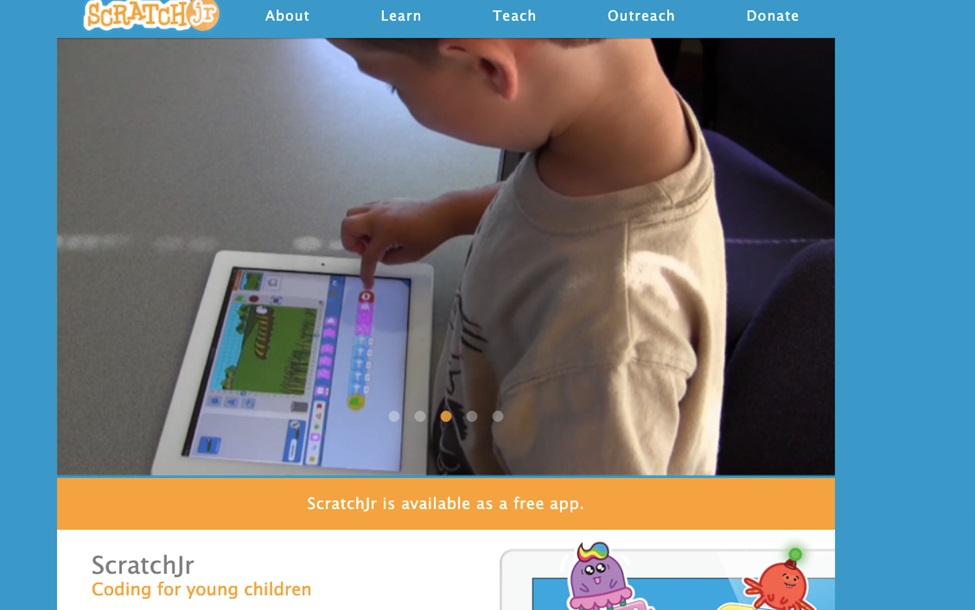
  1. ScratchJr: Coding Adventures for Young Minds

ScratchJr introduces children aged 5 to 7 to the basics of coding. By allowing kids to create their own interactive stories and games, it fosters creativity and logical thinking. The app uses a visual programming language designed to be simple and intuitive for young learners. Children learn to solve problems, design projects, and express themselves on a digital platform. ScratchJr’s approach to learning encourages children to think creatively and work collaboratively, skills that are essential in today’s digital world. 

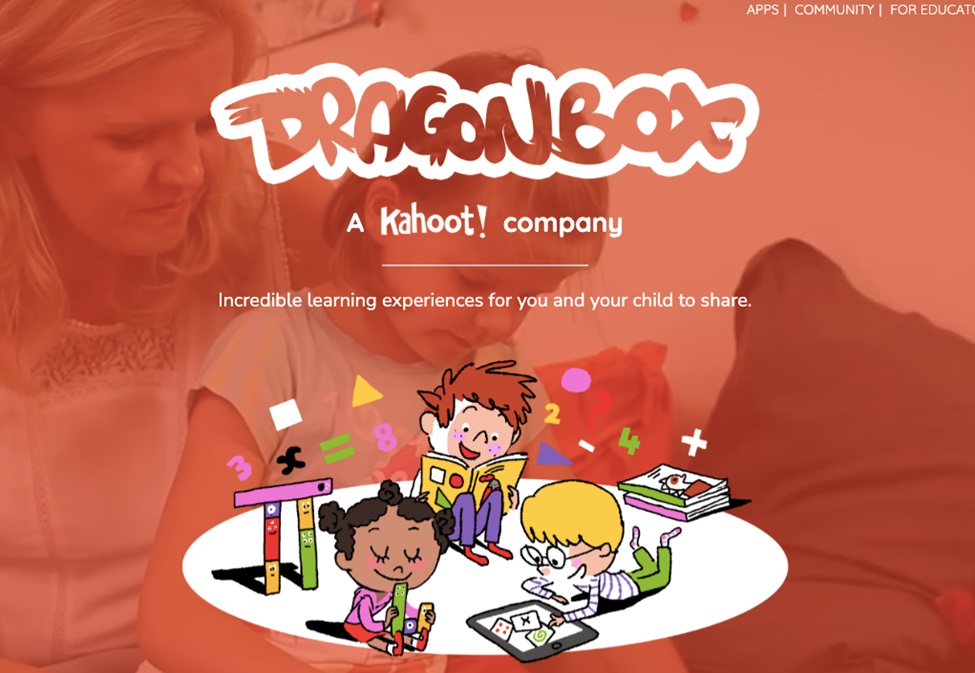
  1. DragonBox: Math Becomes a Magical Quest

DragonBox is an innovative app designed to teach math concepts through online math games, turning complex subjects into magical quests. It covers a range of math topics suitable for children aged 4 to 9 years old. Through storytelling and interactive puzzles, DragonBox helps solidify foundational math concepts in an entertaining way. The app offers several games, each focusing on different math areas, such as algebra and geometry, making it easy for kids to learn at their own pace while enjoying a captivating storyline.

  1. BrainPOP: Animated Educational Journeys

BrainPOP features a wide array of animated lessons covering subjects from science and math to arts and social studies, suitable for kids in grades K-12. Its engaging videos are complemented by quizzes and activities for kids designed to make learning interactive and enjoyable. The platform allows customization of learning experiences, catering to different paces and styles of learning. This adaptability ensures that each child can learn in a way that best suits them, making education effective and fun.

  1. Toca Nature: Exploring the Natural World

Toca Nature brings the beauty of the natural world to children’s fingertips. Designed for kids aged 4 to 12, this app allows them to create and nurture their own virtual ecosystems, learning about the environment, wildlife, and the balance of nature in the process. Through interactive gameplay, kids can plant trees, shape the landscape, and watch their environment evolve. Toca Nature’s hands-on approach fosters a deep appreciation and understanding of environmental conservation among young learners.

  1. Lightbot: Programming Puzzles as Adventures

Lightbot introduces kids to the fundamentals of programming through engaging puzzle-based challenges. Aimed at children aged 7 and up, it simplifies coding concepts into logical puzzles where solving each one is akin to writing real code. This method cultivates critical thinking, problem-solving, and patience. As children advance through the levels, they develop a foundational understanding of how coding works, setting a strong base for more advanced programming skills in the future.

  1. Duolingo: Language Learning Adventures

Duolingo makes learning new languages engaging for kids with its interactive platform. It offers over 30 languages, from Spanish to Japanese, making it a versatile app for young learners. By gamifying the learning process with levels, points, and rewards, Duolingo maintains a high level of engagement. Kids progress through lessons at their own pace, earning rewards as they master new words and phrases. Parents and educators have shared stories of children as young as 7 years old developing basic conversational skills in a new language, showcasing the app’s effectiveness.

  1. Star Walk Kids: Astronomy Adventures

Star Walk Kids is designed to spark curiosity about the night sky and the universe in children aged 6 to 8. The app features interactive star maps, constellation stories, and information about planets, stars, and satellites. Its user-friendly interface allows kids to explore the cosmos, identifying stars and constellations, and learning about various astronomical phenomena. By making astronomy accessible and engaging, Star Walk Kids inspires a lifelong fascination with science and the wonders of the universe.

In the digital age, learning apps have transformed education into a dynamic and interactive adventure for kids. Each app we explored offers unique opportunities for children to engage with educational content in a fun and meaningful way. From mastering new languages to solving complex puzzles, these apps cater to a wide range of interests and learning styles, ensuring that the journey of learning is as exciting as the destination.


Author’s Bio:

Amy Gill: – Amy Gill is a Contributing Editor at SplashLearn. As a former teacher, she likes to write about education reforms, edtech and how to make learning more fun for children.

Japanese Economic Boost, Crypto Price Decline and Argentina’s Quest in Stopping Currency Printing

1
TOPSHOT - Argentine presidential candidate for the La Libertad Avanza alliance Javier Milei waves to supporters after winning the presidential election runoff at his party headquarters in Buenos Aires on November 19, 2023. Libertarian outsider Javier Milei pulled off a massive upset Sunday with a resounding win in Argentina's presidential election, a stinging rebuke of the traditional parties that have overseen decades of economic decline. (Photo by Luis ROBAYO / AFP) (Photo by LUIS ROBAYO/AFP via Getty Images)

Japanese Economy, the third largest in the world, has recently experienced a significant boost, attributed largely to the depreciation of its currency. A weaker yen has traditionally been a double-edged sword for economies like Japan’s, which are heavily reliant on exports. On one hand, it makes Japanese products more competitive abroad, leading to increased demand and higher sales volumes. On the other, it raises the cost of imports, affecting both consumers and businesses that rely on imported goods and raw materials.

In the recent quarter, Japan’s Gross Domestic Product (GDP) rose by an annualized 6%, a figure that far exceeded economists’ forecasts and marked the most substantial rise in nearly three years. This growth spurt is primarily due to the country’s weak currency bolstering exports. The yen’s sharp decline against major currencies, including a more than 10% drop against the US dollar this year, has made Japanese goods cheaper for consumers worldwide.

The export sector, especially car manufacturers like Toyota, Honda, and Nissan, has seen a surge in demand, contributing to the country’s economic upturn. Despite the challenges posed by a weak currency, such as increased import costs, Japan has managed to navigate these waters adeptly. The fall in global commodity prices, including oil and gas, has somewhat cushioned the impact of expensive imports, with import values dropping by 4.3% from the previous quarter.

Moreover, Japan’s tourism industry has witnessed a revival, with foreign visitor numbers rebounding to over 70% of pre-pandemic levels, thanks in part to the lifting of border restrictions. This resurgence is expected to further stimulate the economy, especially with China lifting a ban on group travel, which previously accounted for a significant portion of tourist spending in Japan.

However, the road ahead is not without its challenges. The domestic economy shows signs of cooling, and private consumption, which constitutes more than half of Japan’s economy, has seen a decline. Additionally, despite a rise in Japanese workers’ wages at the fastest rate in 28 years, inflation near a four-decade-high means that wages are falling in real terms.

The Japanese government and the Bank of Japan (BOJ) have been vigilant, with the Ministry of Finance ready to take “decisive steps” against excessive yen weakness. Past interventions have included yen-buying to support the currency, a move not seen since 1998 until it was employed again in 2022.

As Japan continues to adapt to these economic dynamics, the global community watches closely. The country’s ability to leverage a weak yen for economic gain while mitigating the downsides presents a case study in economic resilience and strategic financial management. The coming months will be crucial in determining whether Japan can sustain this growth trajectory or if adjustments will be necessary to maintain economic stability.

On the 3rd of July 2024, the cryptocurrency market witnessed a significant event as Bitcoin’s value took a sharp dive, falling below the $60,000 mark. This sudden drop to $59,600 sent ripples of concern across the trading community, which had been observing Bitcoin’s performance amidst a challenging quarter. The 18% decline in the second quarter of the year was a stark reminder of the volatile nature of digital currencies.

Despite this turbulence, analysts remained optimistic about Bitcoin’s potential rebound. Some even projected a surge to $150,000, suggesting a resilient future for the world’s leading cryptocurrency. The fluctuation continued, with Bitcoin briefly falling below $58,000 on Coinbase, highlighting the unpredictable swings that are all too familiar in the crypto space.

The reasons behind these fluctuations are manifold, with speculation pointing towards the potential Mt. Gox repayment as a contributing factor. The release of $9 billion worth of BTC could have exerted downward pressure on Bitcoin’s price. However, it’s essential to recognize that such movements are not uncommon and can be influenced by a variety of market dynamics, including investor sentiment, regulatory news, and technological advancements.

President Milei, known for his libertarian views, has long advocated for a free-market economy and minimal government intervention. His latest decision aligns with his campaign promises to stabilize the Argentine currency and control inflation, which has historically plagued the country.

The move to stop money printing is seen as a step towards a more disciplined fiscal policy, aiming to curb the inflationary spiral that results from an excessive supply of money. It also signals a potential shift towards digital currencies, as President Milei has previously expressed support for Bitcoin and other cryptocurrencies as alternatives to traditional monetary systems.

The implications of this decision are far-reaching. It suggests a reorientation of the Central Bank’s strategy, moving away from financing government deficits through money creation and towards accumulating international reserves. This could lead to a more stable economic environment, attracting foreign investment and fostering growth.

However, the transition may not be without challenges. The abrupt halt in money printing could have immediate effects on liquidity and the availability of cash for everyday transactions. Moreover, the government will need to find alternative ways to finance its activities without resorting to the Central Bank’s “maquinita” or money-printing machine.

As Argentina navigates this economic transformation, the world watches closely. If successful, President Milei’s unconventional methods could set a precedent for other nations grappling with similar fiscal dilemmas. It remains to be seen how this bold move will reshape Argentina’s economic landscape and whether it will lead to the long-term stability that President Milei envisions.

XRP Holders Embrace Raboo Amid SEC Uncertainty, STRUMP Dives Post Presidential Debate

0

The Ripple vs SEC legal case has taken its toll on XRP price, reducing the token’s prospects for a spike in the altcoin market. Super Trump (STRUMP) is also dumping as the bears slowly take over crypto price actions on the STRUMP charts. The presidential debate on Thursday favored Donald Trump over Joe Biden, and maybe Super Trump’s work in the campaign is done.

In their search for profits, traders have discovered Raboo and its stunning presale. But Raboo offers even more than simply presale gains. Profits are a major theme with Raboo, but you get the full meme package, too.

XRP and STRUMP are still performing below expectations; get on the $RABT train today.

Ripple Monthly Unlock adds to recent XRP price dip

A legal case will weaken any altcoin in the crypto market, and it’s a wonder XRP price hasn’t lost its $0.47 support yet. While the token and its bulls have been resilient for months, they may be caving into the pressure soon.

The legal tussle with the SEC is taking longer than expected to reach a resolution, and even though there has been a rise in trading activity, traders are still unsure about the future of XRP price. Ripple is trying to get the court to decide a $102.6 million fine, having spent over $200 million on the lawsuit.

Another frustrating event on Ripple is the monthly unlock protocol, which has seen some 1 billion XRP tokens enter circulation again. The increased token circulation could make it even more difficult for Ripple to recover, even though it’s making a slow 1.4% return to profits.

Super Trump dips in post-Presidential debate events

Donald Trump has been a more vocal supporter of crypto than Joe Biden, and the meme coins modelled after Trump has helped build his popularity among crypto folk. Now, STRUMP has achieved its purpose, as the token has been slipping to support levels since Friday.

Naturally, meme coins come with the downside of being unstable, and Super Trump is even more so since its pump is down to Donald Trump news. The token dipped after Trump was observed to have not mentioned crypto at all in his exchange with Biden. Perhaps the STRUMP coin is finally on its own, at the mercy of the altcoin market.

And that’s a particularly poor place to be. STRUMP price dipped by 18% on Friday, and it seems to be headed for even worse outcomes. With Bitcoin also experiencing resistance at $58,000, the meme coin is truly alone now.

That’s what happens when there’s too little utility in a project. This is why the Raboo project is avoiding the rather familiar fate of meme coins.

Here’s more on the new meme coin.

Raboo: ‘Profits now, profits later’

The meme coin sector is very big on immediate returns, as most tokens deliver multiple times in profits during their presale. The problem is often with continuing the profits through features. Most meme coins lack the features to sustain profits, losing their relevance soon after presale.

Well, Raboo here will be pulling off immediate profits and longevity with little or no hassles. The $RABT project is centered on upgrading the standard of memes released for entertainment, and luckily, Raboo’s plans cater to users’ profits too.

With a generative AI in place, the members of the Raboo community only have to contribute their memeable content to the network by posting through the Post-to-earn feature on the platform. From then on, it’s all on Rabooscan to mix the memes and ensure they are funny and fresh every day.

The best part is every time your content gets converted into a meme for circulation; you get $RABT tokens as rewards for your engagement. So you’re not only part of a meme community, enjoying the meme-making process; you’re earning from it too!

Interested already? The Raboo presale is your next stop.

Conclusion

Get in with Raboo, where the meme enthusiasts meet, have fun, and earn all at once. The tokens are in their fourth presale stage, selling at $0.0048 each and with a 233% presale pool to benefit from.

The pool has already been depleted by 60%, and only the earliest buyers will be getting an ROI of 233%. But the real deal comes when Raboo will be listing on a major exchange.

Analysts are tipping the token for 100x gains, then!

You can participate in the Raboo presale here:

Telegram: https://t.me/RabootokenPortal

Twitter: https://twitter.com/Raboo_Official