DD
MM
YYYY

PAGES

DD
MM
YYYY

spot_img

PAGES

Home Blog Page 3171

Top 5 UK online casinos for playing roulette

0

When it comes to the exhilarating game of roulette, UK players have access to a fantastic variety of online casinos that offer top-notch gaming experiences. These platforms provide everything from generous bonuses to diverse game selections, making them perfect places to enjoy high-quality casino entertainment. Without further ado, here’s a detailed guide to the top five UK online casinos for playing roulette.

Betiton: A reliable destination for online roulette lovers

Betiton Casino has quickly risen in the ranks as a popular place for roulette enthusiasts in the UK. Known for its user-friendly interface and wide selection of games, Betiton offers a seamless experience for both novice and experienced players.

One of the standout features of Betiton is its extensive range of online roulette games. Players can choose from multiple variants such as European Roulette, French Roulette, and American Roulette, providing ample opportunities to switch things up and enjoy different gameplay styles.

Bonuses and promotions at Betiton

Another reason why Betiton is a favourite among players is its array of attractive bonuses. New players are greeted with a generous welcome bonus that often includes a match deposit and free spins. For regular players, Betiton runs various promotions throughout the year, offering additional rewards that enhance the overall gaming experience.

Live dealer games

If you enjoy the thrill of real-time gaming, Betiton’s live dealer section will not disappoint. The live roulette games are streamed in high-definition quality and feature professional dealers who ensure an engaging and realistic atmosphere. This adds an extra layer of excitement, similar to what you’d find in a physical casino.

888 Casino: A trust-worthy name in online gambling

With years of experience and a stellar reputation, 888 Casino stands out as one of the best choices for playing roulette online. Its impressive selection of games and generous bonuses make it a go-to option for many UK players. The platform is well-regarded for its reliability and commitment to fair play.

Variety of roulette games

888 Casino offers a broad spectrum of roulette games, catering to different tastes and preferences. From classic versions like European Roulette and American Roulette to more innovative options, there’s something to suit everyone. Players can easily navigate through the site to find their favourite games and even try out new ones.

User reviews and feedback

The positive reviews and feedback from users speak volumes about the quality of service at 888 Casino. Players appreciate the secure payment options, quick withdrawal times, and responsive customer support. All these factors contribute to a satisfying and worry-free gaming experience.

Admiral Casino: High-quality gaming with a touch of luxury

Admiral Casino brings a touch of sophistication to the online gambling scene. As part of the Novomatic Group, Admiral Casino provides a luxurious gaming experience complete with high-quality graphics and sound effects. This platform is designed to captivate and retain players with its premium offerings.

Diverse game selection

Players at Admiral Casino can expect a rich diversity of games. When it comes to roulette, the selection is equally impressive. The casino hosts an assortment of roulette variants, ensuring that every player finds something to their liking. Whether you prefer slow-paced action or fast-spinning thrills, Admiral Casino has got you covered.

Promotions and loyalty programs

Admiral Casino is generous when it comes to bonuses and ongoing promotions. Upon registration, new players can take advantage of lucrative welcome bonuses, while existing members benefit from frequent promotions and a rewarding loyalty program. These incentives are designed to keep players engaged and motivated to continue their gaming journey.

PlayOJO: Known for transparency and fairness

PlayOJO prides itself on being the fairest online casino around. Unlike many other platforms, PlayOJO does not impose wagering requirements on its bonuses, which means players get straightforward, no-nonsense returns on their rewards. The casino’s clear and honest approach makes it a favourite among serious gamblers.

Roulette game offerings

PlayOJO shines when it comes to its collection of roulette games. Featuring numerous variations, including live dealer options, the platform ensures players never run out of choices. Each game offers a unique twist on the traditional format, keeping things fresh and exciting.

Player reviews

Player testimonials highlight PlayOJO’s user-friendly design and exceptional customer service. With minimal complaints about the platform’s operation, it’s clear that PlayOJO delivers on its promises. The incorporation of responsible gaming measures also showcases the casino’s dedication to player well-being.

Betfair: A hybrid giant in the world of online gambling

Betfair is well-known for its comprehensive services, combining sports betting, online casino games, and poker into one cohesive platform. This versatility attracts a diverse crowd of players, making it one of the most popular gambling destinations in the UK.

Extensive roulette options

Betfair offers numerous roulette games across different formats, including live dealer games that bring a realistic casino experience right to your screen. Whether you’re looking for European, American, or French Roulette, Betfair’s exhaustive list ensures you always find what you’re seeking.

Bonuses and promotions

The casino’s bonuses and promotions are enticing, especially for new players. Betfair frequently rolls out special deals and seasonal promotions, providing players with additional opportunities to maximize their wins. The combination of robust game selection and appealing bonuses makes it a top choice for many.

Examining the Economic Impact of Online Casinos Globally

0

The rise of online casinos has revolutionized the global gambling landscape. From offering a convenient alternative to traditional brick-and-mortar establishments, they have achieved significant traction worldwide. This article delves into the multifaceted economic impact that online casinos have on a global scale, with an emphasis on regions like Ireland. Various aspects such as regulatory frameworks, contributions to national economies, socioeconomic benefits, and future prospects will be explored.

The emergence of online casinos in ireland

Ireland has emerged as a hotspot for online gambling. The country’s rich history with gaming, combined with a progressive digital landscape, has set the stage for the rapid growth of online casinos. As more people gain internet access and become comfortable conducting transactions online, the popularity of online casinos continues to soar.

An interesting development in this regard is the rise of platforms like online casino, which cater specifically to Irish players. These customized services significantly contribute to their growing acceptance and success.

Ireland’s regulatory framework for online gambling

The regulatory environment in Ireland plays a crucial role in shaping the online casino industry. The Betting Amendment Act of 2015 was a landmark legislation that legalized various forms of online gambling, paving the way for regulated activities within the sector.

  • Licensing Requirements: Operators must obtain a license from Revenue Commissioners.
  • Responsible Gambling Measures: Mandates include self-exclusion options and deposit limits.
  • Taxation: Online operators are required to pay a 1% tax on turnover.

Contribution to national and local economies

The financial input from online casinos into Ireland’s economy is substantial. Taxes generated from these operations form a vital part of national revenue. Additionally, there is localized economic benefit as well. For instance:

  1. Job Creation: A multitude of roles ranging from IT to customer service.
  2. Tech Investment: Encouragement of tech startups dedicated to developing casino software.
  3. Tourism Boost: Enhanced appeal for tourists interested in both physical and virtual experiences.

Analyzing the socioeconomic benefits of online casinos

jobs and employment

The employment opportunities presented by the online casino industry extend beyond direct hires. It also includes affiliated sectors such as marketing, cybersecurity, and compliance. These jobs often come with competitive salaries, improving the living standards of many individuals and contributing to the economy through increased consumer spending.

Community initiatives

Many online casinos actively invest in community projects. These initiatives can range from sponsoring local sports teams to funding educational programs. Such investments not only bolster the industry’s image but also tangibly improve local welfare.

Comparing traditional and online casinos

Revenue generation

Traditional casinos generate revenue primarily through in-house gaming, food, beverages, and lodging. In contrast, online casinos do not have physical overheads such as property maintenance and utilities, allowing them to offer higher payouts and extensive game selections, thus attracting more users and generating more revenue.

User experience

While traditional casinos provide a social atmosphere, online casinos excel in convenience—offering gameplay 24/7 from any location. Technological advancements such as live dealer games aim to replicate the in-person experience digitally, merging the best of both worlds.

Prospects for the future of online gambling

Technological innovations

Technological advancements are at the core of the future growth of online casinos. Blockchain technology promises transparent and secure transactions, while Artificial Intelligence (AI) can enhance user experience through personalization. Virtual Reality (VR) and Augmented Reality (AR) present potential avenues to deliver immersive gaming experiences.

Emerging markets

Countries where online gambling regulations are becoming more defined represent significant opportunities for future expansion. Markets in Asia, Africa, and South America show great potential for growth. Research indicates that increasing smartphone penetration and internet accessibility will drive the demand for online gambling services in these regions.

Challenges and considerations for future development

Regulatory challenges

A major hurdle lies in navigating different regulatory landscapes across countries. Uniformity in regulation can minimize legal risks and create international standards for fair play and consumer protection. However, achieving such cohesion remains challenging due to varying regional laws.

Ethical considerations

The ethical implications of gambling cannot be overlooked. Promoting responsible gambling initiatives are crucial. Online casinos are increasingly adopting AI algorithms to detect problematic gambling patterns, offering timely interventions to protect vulnerable users.

Competition

The surge in the number of online casinos results in fierce competition. Maintaining a unique value proposition becomes essential. Continuous innovation, superior customer service, and robust security measures are pivotal in securing consumer loyalty and sustaining growth in this hyper-competitive market.

The examination of the economic impact of online casinos reveals a complex interplay of benefits and challenges. As the industry continues to evolve, its influence on global economies will undoubtedly be profound and far-reaching.

Is Nigeria Gambling with GMOs? TELA Maize Sparks Debate on Health and Environment Risks!

3

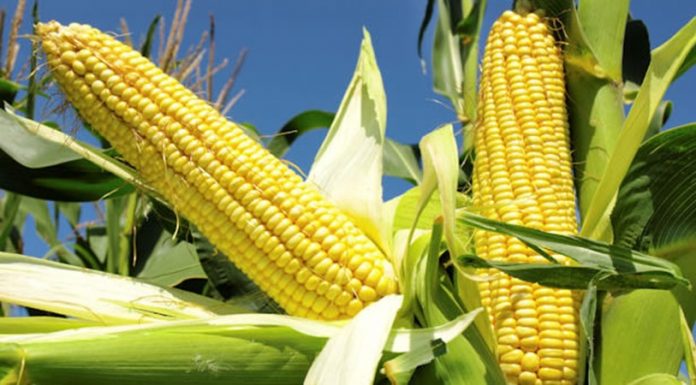
Nigeria’s recent introduction of the TELA Maize Variety, a genetically modified organism (GMO) seed aimed at enhancing maize production, demands cautious consideration. While proponents highlight its potential to boost yields and improve resilience against drought and pests like the fall armyworm, concerns loom over its long-term implications. Several nations in Europe have imposed bans on GMO cultivation due to uncertainties about environmental impact and potential health risks associated with genetically engineered crops.

Critics argue that GMO seeds, including those like the TELA Maize, could have adverse effects on health and the environment. Past incidents with pharmaceuticals and other products marketed to Nigerians have resulted in tragic consequences, raising skepticism about the safety of new technologies introduced without rigorous oversight. There are fears that GMOs may not only pose direct health risks but could also disrupt local agricultural practices and biodiversity, affecting traditional farming communities that rely on indigenous seed varieties.

The call for stringent regulation of GMO seeds in Nigeria is therefore justified. While acknowledging their potential benefits, such as increased food security and improved crop yields, it is crucial to establish robust regulatory frameworks to monitor their deployment and ensure they do not compromise public health or environmental sustainability. This includes creating seed banks across the country to safeguard indigenous seed varieties and maintaining local agricultural practices that have sustained communities for generations. Our tertiary institutions and agricultural research institutions urgently need to invest in state-of-the-art seed storage facilities to preserve our indigenous crop varieties for future generations. Organic seeds have long been cherished for their health benefits and environmental sustainability compared to genetically modified alternatives. Maintaining a robust seed bank system not only safeguards our agricultural heritage but also ensures that farmers have access to diverse, non-GMO options that are essential for sustainable farming practices.

The ongoing insecurity in farming communities due to terrorism and other forms of violence poses a more immediate threat to food security than environmental challenges like drought. Addressing these security issues is paramount to stabilizing agricultural production and ensuring that initiatives like the TELA Maize can truly benefit Nigerian farmers without exacerbating existing vulnerabilities. Furthermore, aside from GMO seeds, there are other sustainable approaches to tackle food security that have yet to be fully explored. Exploiting uncultivated land presents a viable opportunity to expand agricultural production and meet our growing food demands. Additionally, leveraging geospatial technology could revolutionize our agricultural practices.

Precision farming, embraced by many developed nations, optimizes crop yields and resource efficiency through data-driven insights. Before fully embracing GMO seeds, whose human safety remains uncertain, it is prudent to thoroughly investigate these alternative solutions. By diversifying our agricultural strategies and investing in innovative technologies like precision farming, Nigeria can potentially achieve food security goals while minimizing risks to public health and environmental sustainability. These proactive steps are essential for ensuring sustainable agricultural development and safeguarding the well-being of our communities.

It’s high time Nigeria prioritized research, particularly in the critical areas of health, food security, and agriculture. Relying solely on foreign recommendations may not always yield optimal solutions tailored to our unique challenges. Our research institutions and universities must elevate their efforts to conduct high-quality research that can inform evidence-based policy-making in food production and agricultural development. Politicians and policymakers should heed the expertise of local researchers and exercise caution when considering external recommendations. Some research findings may be influenced by commercial interests or may not address the specific needs of our communities. Therefore, it is imperative to prioritize locally-driven research that can provide sustainable solutions to our challenges.

As a nation, we possess the knowledge and capability to solve our problems. By investing in comprehensive studies and fostering collaboration between researchers, policymakers, and farmers, we can develop effective strategies that promote food security, protect public health, and sustain our agricultural heritage. While we remain open to insights from global research, our focus should be on nurturing indigenous expertise to ensure long-term resilience and prosperity for all Nigerians.

In conclusion, while GMO seeds like the TELA Maize offer potential solutions to pressing agricultural challenges, Nigeria must proceed cautiously. Strong regulatory measures are necessary to safeguard public health, protect local agricultural practices, and mitigate potential risks associated with genetically modified crops. Balancing innovation with prudence will be crucial in navigating the complexities of agricultural development and ensuring sustainable food production for Nigeria’s future.

Investments in Modular Refineries in Nigeria at Risk if Dangote Refinery Continues to Lack Crude Oil Supplies

0

Hamlet answered Lord Polonius, “Words, Words, Words”. And in “The Rime of the Ancient Mariner”, Coleridge muttered “Water, water everywhere, / Nor any drop to drink”. And the peerless Achebe wrote, “an adult does not sit and watch while the she-goat suffers the pain of childbirth tied to a post”.

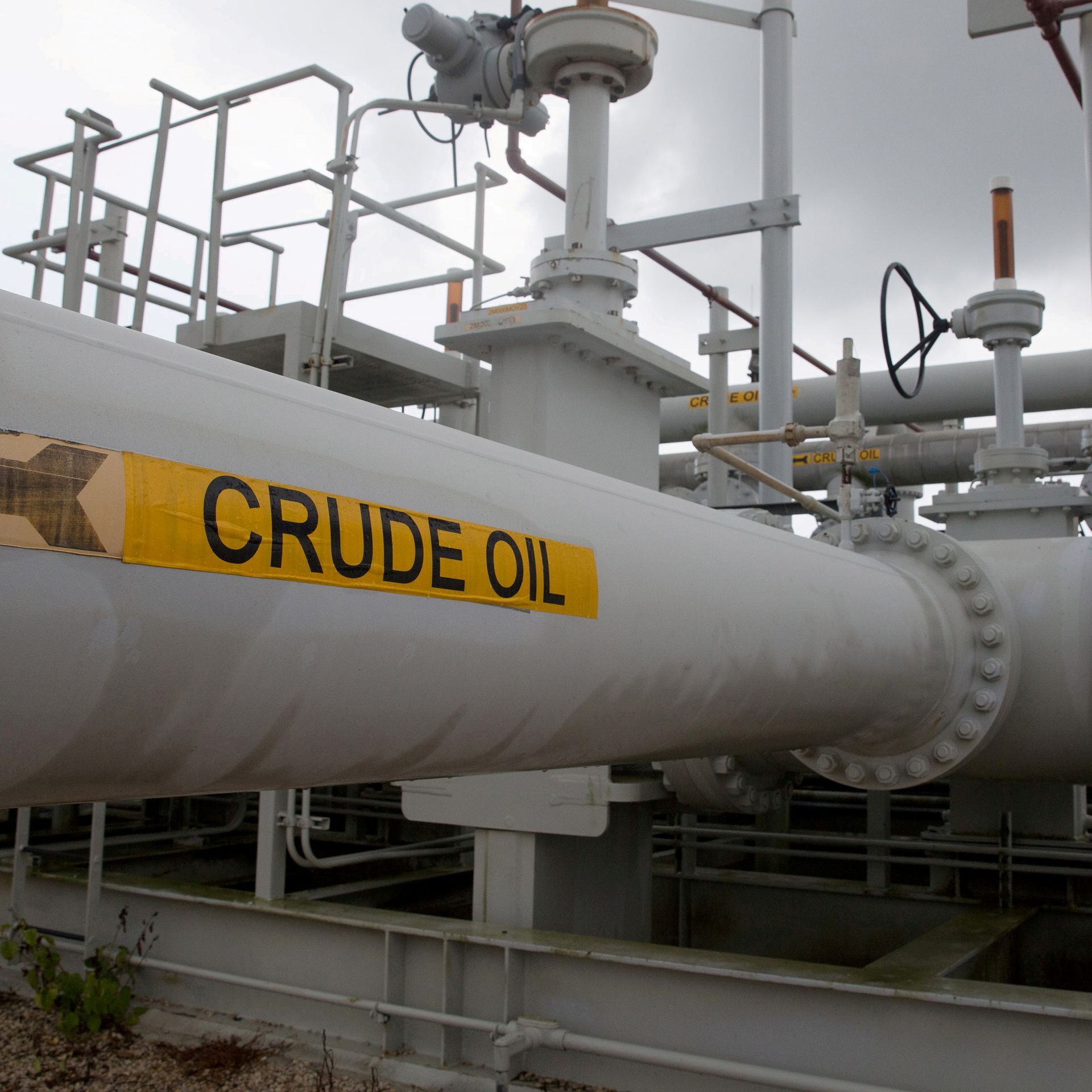
Good People, it is now “oil, oil, oil, all over Nigeria, but Dangote Refinery cannot find oil to refine”. Yes, “the much-anticipated launch of Dangote Oil Refinery’s petrol supply operations in Nigeria, initially slated for July, is facing significant delays due to a critical shortage of crude oil, BusinessDay has reported, citing sources within the industry. This setback underlines a broader issue: the Nigerian National Petroleum Company (NNPC)’s failure to meet its obligation to supply the refinery with the necessary crude oil”.

Faced with the NNPC’s inadequacies, Dangote Refinery has been forced to look elsewhere to secure the crude oil for refining. This has included jettisoning its tradition of keeping its search for crude oil within the domestic market, to source from the United States. While this strategy demonstrates Dangote Refinery’s resilience and proactive approach, it also underlines new challenges, thwarting its plans to begin fuel supply in Nigeria in earliest time.

Importing crude from the US involves navigating logistical hurdles and incurring additional costs. These factors have inevitably contributed to delays in the refinery’s operational timeline. Despite these efforts, the refinery has only managed to take delivery of a limited amount of crude, insufficient for full-scale operations.

Those running this oil show must deliver for this refinery, because the words of Achebe matter here. If this paralysis is not resolved, investors will run away from all those modular refineries. Indeed, if Dangote Refinery cannot get crude oil to refine, why waste money on the smaller players? Someone must lead and resolve this matter.

Shortage of Crude Oil Supply to Delay Dangote Refinery’s Plan to Hit Market in July

Shortage of Crude Oil Supply to Delay Dangote Refinery’s Plan to Hit Market in July

0

The much-anticipated launch of Dangote Oil Refinery’s petrol supply operations in Nigeria, initially slated for July, is facing significant delays due to a critical shortage of crude oil, BusinessDay has reported, citing sources within the industry.

This setback underlines a broader issue: the Nigerian National Petroleum Company (NNPC)’s failure to meet its obligation to supply the refinery with the necessary crude oil.

The NNPC, which holds a 20% equity stake in the Dangote Refinery, was expected to be a primary supplier of crude oil. However, it has not fulfilled this role effectively. Industry insiders have revealed that the refinery has not received the volumes of crude oil needed to commence refining Premium Motor Spirit (PMS) as planned.

“The refinery is yet to receive the required volumes of crude oil needed to refine PMS for the July takeoff,” a source within the oil trading sector disclosed.

This lack of supply has cast doubt on the refinery’s ability to meet its operational deadlines, with some industry experts predicting that operations may not commence until later in the year.

Dangote’s Efforts to Secure Crude

Faced with the NNPC’s inadequacies, Dangote Refinery has been forced to look elsewhere to secure the crude oil for refining. This has included jettisoning its tradition of keeping its search for crude oil within the domestic market, to source from the United States. While this strategy demonstrates Dangote Refinery’s resilience and proactive approach, it also underlines new challenges, thwarting its plans to begin fuel supply in Nigeria in earliest time.

Importing crude from the US involves navigating logistical hurdles and incurring additional costs. These factors have inevitably contributed to delays in the refinery’s operational timeline. Despite these efforts, the refinery has only managed to take delivery of a limited amount of crude, insufficient for full-scale operations.

Insights from Industry Experts

Industry experts quoted by BusinessDay have so much to say about this development, particularly, NNPC’s failure to supply the refinery with adequate crude oil as part of a 20 percent equity obligation.

Jide Pratt, country manager of Trade Grid, which supports a network of independent dealers across Africa, has expressed skepticism about the refinery’s ability to meet its July deadline.

“The issue of crude supply is still a major issue, and postulations on how the premium motor spirit (PMS) will be sold in USD are unattended to,” Pratt noted, suggesting that operations might be delayed until August or September at best, and December at worst.

Pratt also highlighted financial constraints, pointing out that the NNPC’s trade account receivables with traders exceed 160 days.

“The Dangote Refinery is a commercial entity and will unlikely tow this line of credit sales with its running cost and interest payments,” he added.

Financial planning expert Kalu Aja questioned why Nigeria, Africa’s largest oil exporter, cannot provide sufficient crude for Dangote’s operations.

“If Dangote needs crude, the Nigerian National Petroleum Company (NNPC) should support its 20 percent investment by giving Dangote its oil equity,” Aja suggested.

Hector Igbikiowubo, publisher of Sweet Crude Reports, echoed these sentiments, emphasizing the importance of having NNPC refineries operational to guarantee energy security for Nigeria.

“The question now is, how come the NNPC isn’t allotting all of its 445,000 barrels per day to the Dangote Refinery for refining?” Igbikiowubo asked during a Channels TV program.

Regulator’s Response

The Nigerian Upstream Petroleum Regulatory Commission (NUPRC) has acknowledged the issue and has committed to intervening to ensure crude oil supply to Dangote and other local refineries. Olaide Shonola, NUPRC’s spokesman, stated that the commission is actively engaging with international oil companies (IOCs) to facilitate domestic crude oil sales.

“We will keep on engaging them. NUPRC has been doing that,” Shonola said, noting the regulator’s role in mandating crude supply.

Despite these assurances, the effectiveness of such interventions remains to be seen. The NNPC’s previous commitments to other entities, including a $3 billion crude oil-for-loan deal with the African Export-Import Bank, complicate the situation. This deal involves pledging future oil production to the bank as loan repayment, thereby limiting the crude available for local refineries.

Broader Industry Challenges

The struggles of the Dangote Refinery are reflective of broader challenges within Nigeria’s oil industry. The country currently has 25 licensed modular refineries, but only five are operational, producing diesel, kerosene, black oil, and naphtha. Many of these refineries face significant hurdles due to the unavailability of crude and financial constraints.

Eche Idoko, publicity secretary of the Crude Oil Refinery Owners Association of Nigeria, highlighted these challenges, noting that financiers require guarantees of steady crude supply before committing funds.

“They want a guarantee that if they finish the refinery, they are going to get feedstock, which, of course, is crude oil,” Idoko explained.

Experts have noted that the delay in Dangote Refinery’s operations, as a result of insufficient crude oil supply, boils down to Nigeria’s dwindling oil output.

They said that increasing Nigeria’s oil production, which currently stands at 1.46 million barrels per day, will ensure that local refineries receive adequate crude oil volume, which is essential not only for the success of projects like Dangote Refinery but also for reducing Nigeria’s reliance on imported petrol.