DD
MM
YYYY

PAGES

DD
MM
YYYY

spot_img

PAGES

Home Blog Page 3183

PZ Cussons Nigeria Reports N96.4bn Loss for FY 2024

0

In a stark illustration of the economic challenges gripping Nigeria, PZ Cussons Nigeria has reported a net loss of N96.4 billion for the fiscal year ending May 31, 2024.

This daunting figure was revealed in the company’s latest unaudited financial statements, underscoring the severity of the macroeconomic headwinds it faces.

PZ Cussons Nigeria’s financial woes are a reflection of the broader economic landscape. The company has been grappling with high interest rates, a depreciating exchange rate, and rampant inflation—factors that have collectively eroded its profit margins. Despite these challenges, the company managed to post a revenue of N152.2 billion, marking a 33.5% increase from the N114 billion recorded in the previous fiscal year. This revenue growth, however, was not enough to offset the substantial financial losses incurred.

Revenue Growth Amidst Mounting Losses

The company’s gross profit soared to N60.6 billion, an impressive 84% increase from the N32.95 billion reported in the previous year. Achieving a 40% gross margin is noteworthy, yet it was overshadowed by a colossal exchange loss of N158 billion. This loss turned what could have been a profitable year into one marked by a negative operating margin and a subsequent operating loss of N111.5 billion.

A closer look at the financial figures reveals the depth of the crisis. PZ Cussons Nigeria’s net loss eradicated its retained earnings of N34.5 billion, resulting in retained losses of N53.6 billion by the end of the fiscal year. Consequently, the company reported a negative equity of N47.2 billion. The group’s net cash also dwindled to N32.7 billion, a steep 68% decline from N101.6 billion at the close of the previous fiscal year, driven primarily by an N87.3 billion negative cash flow from operating activities.

The financial strain led PZ Cussons Nigeria to increase its borrowings from its parent company, PZ Cussons (Holding) Limited, to N59.8 billion by the end of the fiscal year, up from N18.7 billion the previous year. This surge was largely due to a $40.26 million non-interest loan facility extended by the parent company in June 2022, with an FX revaluation adjustment adding N41.1 billion to the original amount borrowed.

Delisting Controversy

In September 2023, PZ Cussons’ parent company announced plans to buy out the remaining 26.73% shareholding of its Nigerian subsidiary and delist from the Nigerian Exchange Group (NGX). The initial offer of N21 per unit was rejected by minority shareholders, prompting an increase to N23 per unit in November. However, the Securities and Exchange Commission (SEC) declined the delisting request in March 2024, a decision that received support from some minority shareholders.

In response, PZ Cussons (Holding) Limited announced a strategic review of its Nigerian operations to mitigate risks and maximize shareholder value.

Nigeria’s growing economic headwinds

PZ Cussons Nigeria’s financial troubles mirror the broader economic difficulties faced by many businesses and individuals in the country. Firms across various sectors are grappling with similar challenges, including high operational costs, volatile exchange rates, and inflationary pressures. These conditions have led to reduced profit margins, increased borrowing costs, and operational inefficiencies.

For instance, companies in the consumer goods, telecommunications, and oil sectors have reported declining profits and increased financial strain. The economic instability has forced many businesses to scale back investments, lay off employees, and in some cases, exit the Nigerian market entirely.

The uncertainty surrounding the economic environment has also deterred new foreign investments, further impacting the growth and development of the Nigerian economy.

Business leaders say the economic trajectory has created an urgent need for the government to address the underlying economic issues affecting businesses and citizens.

How Spot ETF on Ethereum will foster global intuition on Decentralization

0

Spot Ether Exchange-Traded Funds (ETFs) by the U.S. Securities and Exchange Commission (SEC) will mark a significant milestone in the evolution of cryptocurrency as a recognized financial asset. This development is not just a leap forward for Ethereum, but it also has broader implications for the global understanding and adoption of decentralization principles.

Spot ETFs on Ethereum are designed to hold Ether directly, allowing investors to gain exposure to the price movements of Ether without the complexities of managing cryptocurrency wallets and keys. This simplification of investment in Ethereum could lead to a wider acceptance and a deeper understanding of its underlying technology—blockchain—and its ethos of decentralization.

Decentralization is at the heart of blockchain technology. It represents a shift from centralized control, where a single entity has authority, to a distributed and transparent system where control is spread across a network of participants. Ethereum’s blockchain, with its smart contract capabilities, has been a frontrunner in demonstrating the practical applications of this technology.

The introduction of Spot ETFs could foster a global intuition on decentralization by:

Democratizing Access: By lowering the barrier to entry, Spot ETFs make it easier for a broader audience to participate in the Ethereum market. This inclusivity can lead to a more diverse group of participants engaging with and contributing to the decentralized ecosystem.

Enhancing Education: As traditional investors encounter these new products, there will be a natural incentive to understand the underlying assets. This curiosity can drive education around Ethereum and its decentralized nature, leading to a more informed investor base.

Encouraging Innovation: With increased capital inflow and interest, Ethereum could see a surge in innovative decentralized applications (dApps), further showcasing the potential of decentralization.

Strengthening Network Security: The influx of institutional investment through Spot ETFs could lead to a more robust and secure Ethereum network.

The decision to classify Ether as a commodity rather than a security post-‘The Merge’ is a pivotal moment for Ethereum’s ecosystem. This classification could pave the way for other Ethereum-based tokens and PoS-driven cryptocurrencies to gain similar recognition, thereby fostering a more inclusive financial landscape where a variety of digital assets can coexist and be traded with regulatory backing.

However, the introduction of Spot ETFs on Ethereum also raises questions about the impact on the network’s decentralization. The central tenet of blockchain technology is the distribution of control away from central authorities, and the introduction of major financial instruments such as ETFs could potentially concentrate influence among a few institutional players. This concentration could lead to price manipulation if the market depth is insufficient to absorb large trades without significant volatility.

Furthermore, the exclusion of staking from these ETFs due to regulatory concerns may shortchange investors from the full benefits of participating in the Ethereum network. Staking is a critical component of the proof-of-stake (PoS) mechanism, which secures the network and validates transactions. Without the ability to stake, the ethos of decentralization that underpins cryptocurrency could be undermined, as direct ownership and participation in the network are diminished.

Despite these concerns, the advent of Spot ETFs on Ethereum is a testament to the growing recognition of cryptocurrency’s potential to reshape the financial industry.

Catholic Priests Who Attended Tekedia Mini-MBA Unveil A Book

1

It was a great honour to be asked by Catholic Priests to write a Foreword for their book. Good People, Reverends in the Catholic Diocese of Okigwe spent time with us in Tekedia Institute, and over the last few months, they have put their experiences in a book: ‘This book, “That they may have life in abundance” (John 10:10): Blueprints for Economic Growth and Sustainable Development in the Catholic Diocese of Okigwe” is a compilation of articles of Okigwe diocesan priests who did a mini-MBA at Tekedia Institute’, Rev. Fr. Dr. Chidiebere Obiodu, the book editor, wrote in the Preface.

He continued: “The articles cover a wide spectrum of business areas the Church can explore. The first part examines entrepreneurship in general and proposes establishing a TV channel and a communications directorate. The second part focuses on the economic sustainability initiatives for the three seminaries in the diocese. The third part concentrates on agricultural opportunities for the diocese to explore. Generally, it examines the need to turn parish and school lands into farmlands and set up an agro-conglomerate. Specifically, it proposes establishing a 500 white wagon piggery farm, a plantain plantation, a palm oil business, and a cassava food production facility.

“The fourth part focuses on the service sector. It examines the use of ICT in managing Okigwe diocesan enterprises, how efficient logistics is indispensable in supporting Okigwe diocese in achieving the Church’s salvific mission, the establishment and management of Okigwe diocesan hospitals, the prospects of tourism in Okigwe diocese, and the importance of the welfare of priests in Okigwe diocese.’“

Let me use this moment to thank David Onaolapo who donated $7,000 to support imams and priests to study in our Institute. The feedback has been amazing, from a mosque which has added an entrepreneurial center to churches opening ventures to become a hub in their communities. We THANK David for scaling Knowedge.


Book Contributors:

Rev. Fr. Dr. Chidiebere Obiodu is a lecturer in canon law and religion at Seat of Wisdom Seminary, Owerri.

Rev. Fr. Emmanuel Chigozie Okafor is the Parochial Vicar of St. Anthony’s Parish, Umuozu.

Rev. Fr. Christian Ajomiwe is the Vice Principal of the Technical Section of All Saints Secondary School, Ugwuaku, Okigwe.

Rev. Fr. Chibuike Uwakwe is the Financial Administrator of the Catholic Diocese of Okigwe.

Rev. Fr. Augustine Ezeonyiwara is the Vice Rector II and Academic Dean of St. Peter’s Seminary, Okigwe.

Rev. Fr. Mark Okocha is the Rector of St. Thomas Aquinas Seminary, Ihitte.

Rev. Fr. Vitus Ohagwu is the Vice-Rector of St. Charles Borromeo Spiritual Year Seminary, Ehime Mbano.

Rev. Fr. Patrick Uchego was a former Vice-Rector of St Charles Borromeo Spiritual Year. He is currently a post- graduate student of liturgy at the Catholic Institute of West Africa.

Rev. Fr. Paschal Nwosu is the Parochial Vicar of St. Peter’s Parish, Umunohu, Ihitte.

Rev. Fr. Emmanuel Igbokwe is the Parochial Vicar of St. Patrick’s Parish, Ogbor, Ugiri, Isiala Mbano.

Rev. Fr. Chamberlain Udochukwu Anyanele is the Parochial Vicar of St. Patrick’s Umuezeala Owerre, Ehime Mbano.

Rev. Fr. Adolphus Muojeke is the Parochial Vicar of St. Joseph’s Umualumaku, Ehime Mbano.

Rev. Fr. Joshua Orji is the Parochial Vicar of St. Mary’s Parish, Amuzi, Obowo.

Rev. Fr. Valentine Obianyanwu is the Vice Principal of St. Paul’s High School, Osu, Isiala Mbano.

Rev. Fr. Kingsley Ugochukwu Nwanonaku is the Parochial Vicar of St. Patrick’s Ugonna Parish, Lowa, Uboma.

Rev. Fr. Michael Ukaji is the Parochial Vicar of St. Anthony’s Parish, Uboma.

Rev. Fr. Stanislaus Nwachukwu is the Parochial Vicar of St. Paul’s Parish, Umuezeala Ama.

Rev. Fr. Gerald Awah is the Parochial Vicar of St. Mary’s Parish Amuzi, Obowo

Rev. Fr. Nicholas Ibeh is the Parochial Vicar of St Theresa’s Parish, Umunakanu Owerre, Ehime Mbano.

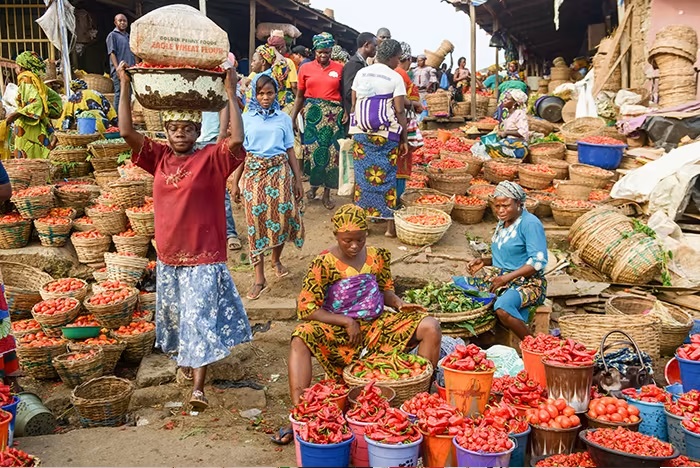
Nigeria’s Food Crisis: FCCPC Asks Government to Allow Food Importation

0

The Federal Competition and Consumer Protection Commission (FCCPC) has made a compelling appeal to the Federal Government to reopen the country’s borders, enabling the legitimate importation of food items to address the growing hunger crisis in Nigeria.

This call was made during an advocacy meeting with traditional rulers and other stakeholders at the Emir’s palace in Bauchi.

Acting Executive Chairman of the FCCPC, Adamu Abdullahi, highlighted the Commission’s ongoing efforts in advocacy and public awareness regarding price gouging and other unfair trade practices in Nigerian markets. He noted that reopening the borders would facilitate the importation of food, potentially stabilizing market prices and easing the burden on Nigerian consumers.

The FCCPC’s visit aimed to sensitize stakeholders on their rights and help them identify counterfeit products and proper channels for lodging complaints.

Abdullahi explained, “As mediators, we ensure that substandard products are repaired, replaced, or refunded to the consumer if they are unsatisfied with their purchase.”

He also expressed concern about the escalating commodity prices due to the recent appreciation of the naira against the dollar, calling the situation unacceptable.

“The FCCPC remains dedicated to promoting fair competition, protecting consumers, and fostering a regulated marketplace. We encourage citizens to be vigilant and actively report any violations,” Abdullahi added.

Traditional Rulers’ Concerns

The Emir of Bauchi, Dr. Rilwanu Adamu, echoed these concerns, noting the rising prices in markets, particularly for food items, which are causing hardship for citizens. Represented by the District Head of Lame, Alhaji Yakubu Aliyu Lame, the Emir urged the Federal Government to take urgent action to reduce food prices, stressing the suffering of ordinary Nigerians.

He assured that the traditional institution in the state is ready to help raise public awareness about the Commission’s activities to ensure the message reaches the targeted audience.

Economists’ Perspectives

Economists agree with the FCCPC’s call, emphasizing the urgent need for food importation to fill the widening gap. Financial expert Kalu Aja highlighted that food inflation has reached 40%, questioning why the government imports fuel but not food.

“How can food inflation be 40% and the federal government has no concrete and clear plan to reduce it? Or will they share billions to State Governments to buy rice from local markets which will increase local inflation?” he asked.

Aja outlined a multi-step approach to tackle the challenge of food insecurity head-on:

  • Eliminate insecurity in food-growing areas to boost supply.
  • Import food to cover the fall in supply as the fight against bandits continues.
  • Implement agricultural policies to boost yields, including better storage and seeds.
  • Invest in targeted infrastructure to improve food delivery from farms to factories and cities.

“Imports are a short-term solution to address the fall in food supply as the military tackles bandits and terrorists,” Aja emphasized.

The Impact of 40% Food Inflation

The 40% food inflation is having profound implications for the Nigerian economy, significantly affecting the spending power of its citizens. As food prices escalate, the average Nigerian household is being forced to allocate a larger portion of their income to basic sustenance, leaving less for other essential needs such as healthcare, education, and transportation. This shift, economists note, exacerbates poverty and reduces the overall quality of life.

Also, high food inflation increases operational costs for businesses reliant on local produce. Consequently, prices for goods and services across various sectors rise, further straining consumers’ already stretched finances. Experts note that this ripple effect stalls economic growth, as reduced consumer spending power leads to lower demand for non-food items, impacting businesses and potentially causing job losses.

Against this backdrop, criticism has continued to trail the government’s decision to restrict food importation as a way of boosting local food production, with many calling it counterproductive.

President Bola Tinubu had in February, reiterated his decision not to approve food importation, stating that his “administration is dedicated to evolving home-grown solutions to tackle our nation’s food security challenges head-on.”

Aja compared the situation to Nigeria’s inability to establish functioning refineries despite being an oil-producing nation, noting that it has not led to a ban on oil importation.

“Nigeria’s food output was not keeping pace with population growth, and this was even before ‘bandits’ made farming a risky activity. We can’t say ‘No imports’ and then do nothing,” Aja said.

A recently leaked document suggested that the federal government might lift some restrictions on food importation. However, its current attempts to quell the food crisis have centered on cash and food distribution. Financial experts argue that this approach will only compound the nation’s food insecurity.

“Releasing cash to buy local food worsens the problem as it increases prices. What is needed is more external supply. Internal supply can’t meet the demand,” Aja said.

Analysts Are Tipping This New Presale Star To Outshine Monero (XMR), Hedera (HBAR) and Ethereum Classic (ETC)

0

Monero (XMR), Ethereum Classic (ETC), and Hedera (HBAR) are firm fixtures among the top 50 cryptos by market cap. But in 2024, few investors are betting on HBAR, ETC, or XMR to recreate their respective charts when they peaked at their all-time highs. Instead, the smart money is betting on crypto presale opportunities that provide significantly better chances to generate parabolic gains this year.

One of the most promising crypto presale investment opportunities of 2024 is the launch of Rollblock ($RBLK), which is revolutionizing iGaming on Ethereum by introducing GambleFi to mass audiences like never before. With the online casino industry set to grow by leaps and bounds in the next several years, analysts believe $RBLK could skyrocket in value this year.

XMR price bounces back to yearly average after delisting debacle

The reports of privacy coin Monero and its demise after its delisting from major exchanges turned out to be exaggerated. The current XMR price as of press time has bounced back to yearly averages, trading at $165 after bottoming out last February 2024 at $100 in the wake of its delisting from Binance. However, long-time Monero bagholders expecting the XMR price to return to 2018 all-time highs will be in for a rude awakening.

Ethereum Classic a good bet for a comeback?

Ethereum Classic has flown under the radar compared to its successor Ethereum—but some sectors are betting on ETC to bounce back in a big way. After all, the first spot Ethereum ETFs are set to debut in July, giving Ethereum Classic holders reason to believe that the projected capital set to flow into these ETFs will spill over to ETC. Currently, Ethereum Classic trades at $23, posting a 30-day loss of 25.6% despite remaining up on the year by 27.6%. However, its high market cap limits its upside compared to more attractive crypto presale opportunities like Rollblock.

Hedera trade volumes healthy despite price drawdown

Hedera is another so-called “Ethereum Killer” that peaked back in the last bull run of 2021; however, like XMR and ETC, its upside is drastically hindered by its $2.7 billion market cap. That means it will take tens of billions in capital to see HBAR pump anywhere remotely close to its September 2021 all-time highs. At press time, HBAR was trading 86.5% below its ATH levels, or $0.07 per HBAR token. Nevertheless, the robust trade volumes of Hedera foreshadow a potentially decent—if nowhere near spectacular—rebound.

All eyes are on Rollblock crypto presale as whales go “all in”

Rollblock is launching one of the most eagerly anticipated crypto presale launches of 2024, with crypto whales across the pond taking out early positions and entering stage 3 of its crypto presale. Rollblock is building the preeminent GambleFi protocol, combining the lucrative iGaming sector with a flourish of Web3 technology, creating a no-KYC iGaming and sports betting platform with DeFi capability. With Rollblock, users will not only be able to participate in online casino and sports betting markets but also earn from various income streams through its $RBLK token.

Besides offering staking and liquidity provision, $RBLK holders will be able to earn from a generous revenue sharing wherein investors can earn from a percentage of Rollblock’s earnings on a weekly basis. Moreover, Rollblock holders will stand to earn from $RBLK token buybacks from the open market, which the protocol will then burn to set $RBLK token prices on an upward trajectory.

Thus far, Rollblock’s crypto presale allows prospective investors to buy $RBLK tokens at a low entry price of only $0.014. With analysts predicting parabolic growth for Rollblock by virtue of being at the intersection of iGaming and crypto, a 100x is well within the frame for early Rollblock backers. To date, the Rollblock crypto presale has sold over 100 million $RBLK tokens, reflecting the interest it has generated among crypto whales. And when crypto whales move, they make waves. Early investors will already be in profit even before the token lists since $RBLK token prices are set to increase in every succeeding presale stage.

Now is the best time to invest in the future of GambleFi—and Rollblock is set to dominate and become the face of the sector in 2024 and beyond.

 Don’t miss out on an opportunity to invest at the earliest stages of a blue-chip gem—join the Rollblock ($RBLK) presale today!

Website: https://presale.rollblock.io/

Socials: https://linktr.ee/rollblockcasino