DD
MM
YYYY

PAGES

DD
MM
YYYY

spot_img

PAGES

Home Blog Page 3186

Investment Alert: XRP Plummets Over the Past Year, Floki Surges, and WW3 Shiba Gears Up for 100x Growth- Transform Your Investment Strategy Now!

0

In the crypto market, fortunes can shift rapidly. Over the past year, XRP has plummeted, causing significant losses for many investors, while Floki holders remain profitable.

However, the most promising new crypto is WW3 Shiba, with the potential for a 100x return. With Shiba Inu fans already showing interest, one question remains: can this newcomer meet its high expectations?

XRP price under pressure, market awaits Ripple verdict

The XRP price shed about 20% of its value in the past year, most likely due to Ripple’s ongoing legal battle with the SEC. Ripple’s case is a wake-up call for the entire industry, showing just how much power regulators hold.

While recent hints of a settlement offer a glimmer of hope, uncertainty lingers. The SEC has reportedly softened its stance and fine demand, raising hopes for a settlement by summer. But many in the crypto world are still cautious. The outcome of the case will not only decide XRP’s fate but could reshape the sector as a whole.

Floki surges: Meme coin mania

FLOKI is on fire. The token has shot over 30% in just two weeks, and a staggering 690% over the past year. A big part of this surge is thanks to Coinbase Futures adding FLOKI to its platform, which has boosted investor confidence.

Plus, DWF Labs’ decision to buy $12 million worth of FLOKI has fueled the rally even more. With the FLOKI price now an incredible 225,000% higher than its ATL, it’s clear FLOKI is having a moment.
WW3 Shiba gears up for 100x growth

Shiba Inu investors are eagerly seeking their next big win, and WW3 Shiba is capturing attention with its promise of 100x returns. As the hottest play-to-earn game, analysts are predicting a highly successful launch.

With the presale already underway and less than 60% of tokens available, investors are eagerly trying to participate. At just $0.001, it offers a low-stakes entry into a potentially massive payday. WW3 Shiba is shaking up the $175 billion gaming industry with its unique combination of social interaction and earning potential.

The project aligns with community values through its dedication to aiding war dogs and injured animals by donating 2% of all funds. Moreover, WW3 Shiba offers investors a lucrative opportunity with staking rewards reaching up to 90% APR.

As the launch approaches, everyone is wondering if WW3 Shiba can truly deliver on its bold claims. One thing is certain: this charismatic coin aims to outshine Shiba Inu and become the next crypto sensation.

If you would like to find out more information about the presale:

Website: ww3shiba.com

Twitter: https//x.com/WW3SHIBA

Telegram: https://t.me/ww3shiba_portal
Nigeria Must Fix The Paralysis on Dangote Refinery with Its Regulator

0

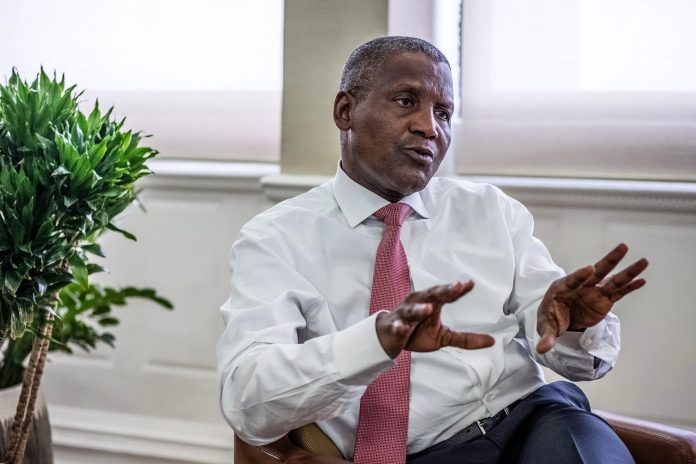
I do not feel happy seeing Aliko Dangote speak like a boy, who is explaining to his boss how he sold the wrong textile material, and in the process lost the boss money. I mean, Nigeria must do all necessary to bring this erupting volcano under control.  There must be leaders who must step in to avoid scenarios like this in the nation. 

Why? The optics are bad for the nation.

No one is winning here but it’s obvious that Nigeria is losing. I would like the factions to come together and reconcile. Our nation needs everyone to be working together, from the regulatory to the production levels.

Alhaji: Keep building , you have my best wishes, as I explained here.


A Tekedia Capital Company Will Provide Bank Accounts To African Startups Affected by Mercury Closure

0

If you are affected by this, help is coming latest next month: “Mercury, a US-based Neobank that operates accounts for startups globally, has announced its decision to terminate accounts of Nigerian startups and founders on August 22, 2024, following compliance changes.

“This decision is coming after checks on the company’s website listed Nigeria as one of the prohibited countries where it currently can’t open accounts for founders living in the region. The prohibition means businesses and individuals living in Nigeria can no longer open new accounts or conduct transactions through the bank.”

This move has sent shockwaves through the local tech ecosystem, leaving many scrambling for alternatives, which is expected to impact a substantial number of Nigerian startups that have relied on the bank’s services for their financial operations.

It is worth noting that Mercury has been very important to Nigerian tech startups that raise dollar funding from foreign and local investors. The recent decision to restrict the African country comes amid heightened regulatory scrutiny of the fintech sector and Nigeria’s placement on the Financial Action Task Force (FATF) greylist.

In short, today, we spent time checking our system ahead of launch. Feel free to write the email here so that Team will update you once we go live. Our solution is agnostic of location provided the country is not in the United States sanction list. Nigeria is not there, and has never been there, and that means even if your address is in Nigeria, we will serve you.

US Neobank Mercury to Terminate Accounts of Nigerian Startup Founders, Set August 2024 as Deadline

US Neobank Mercury to Terminate Accounts of Nigerian Startup Founders, Set August 2024 as Deadline

0

Mercury, a US-based Neobank that operates accounts for startups globally, has announced its decision to terminate accounts of Nigerian startups and founders on August 22, 2024, following compliance changes.

This decision is coming after checks on the company’s website listed Nigeria as one of the prohibited countries where it currently can’t open accounts for founders living in the region. The prohibition means businesses and individuals living in Nigeria can no longer open new accounts or conduct transactions through the bank.

This move has sent shockwaves through the local tech ecosystem, leaving many scrambling for alternatives, which is expected to impact a substantial number of Nigerian startups that have relied on the bank’s services for their financial operations.

It is worth noting that Mercury has been very important to Nigerian tech startups that raise dollar funding from foreign and local investors. The recent decision to restrict the African country comes amid heightened regulatory scrutiny of the fintech sector and Nigeria’s placement on the Financial Action Task Force (FATF) greylist.

It has also sparked widespread reactions after two Nigerian founders living in the U.S. narrated their experiences to TechCrunch. According to the founders, who asked not to be named, disclosed that Mercury will close their accounts in the next 30 days despite their startups being domiciled in the U.S. “It’s unclear if Mercury is using passports, rather than local addresses, in making such decisions”, they stated.

Also commenting in a post made on X, founder of HRtech startup Synergyy, Alexander H. wrote,

“Losing our Mercury Bank account because ‘Nigeria’ is a huge blow. The continued discrimination of African Startups in the global market is not a welcome development.”

This isn’t the first time Mercury has come under criticism from Nigerian startup founders. In March 2022, the bank without warning,  restricted the accounts of over a dozen tech startups, including those backed by notable American accelerator Y Combinator. At the time, the bank told some users their accounts had been flagged and placed under review by its compliance team due to “unusual activity.”

It is worth noting that Mercury has also been subject to numerous regulatory and compliance checks by their authorities. The latest development bringing wholesale account closures has raised concerns about the broader treatment of African startups in the global tech ecosystem.

With Mercury’s recent compliance decision, countries on the list are subject to additional scrutiny because of deficiencies in money laundering and terrorism financing regulations. 

Burundi, Cameroon, Central African Rep, DR Congo, Congo, Liberia, Mali, Mozambique, Nigeria, Somalia, South Sudan, Sudan, and Zimbabwe are the thirteen African countries affected by the restrictions.

Check out the full list of countries affected below;

  • Afghanistan
  • Albania
  • Belarus (Republic of Belarus)
  • Bosnia & Herzegovina
  • Burundi
  • Cambodia
  • Cameroon
  • Central African Rep
  • Congo (the Democratic Republic of the)
  • Congo (the)
  • Croatia
  • Cuba (Republic of Cuba)
  • Eritrea
  • Haiti
  • Iran (Islamic Republic of Iran)
  • Iraq
  • Lebanon
  • Liberia
  • Libya
  • Mali
  • Mozambique
  • Myanmar (Burma)
  • Nicaragua
  • Nigeria
  • North Korea (DPRK – Democratic People’s Republic of Korea)
  • Pakistan
  • Palestine (State of)
  • Philippines
  • Russia (Russian Federation)
  • Somalia
  • South Sudan
  • Sudan (the)
  • Syria (Syrian Arab Republic)
  • Ukraine
  • Venezuela (Bolivarian Republic of)
  • Yemen
  • Zimbabwe

Tackling Corruption Cases in Nigeria

0
anti-corruption tool

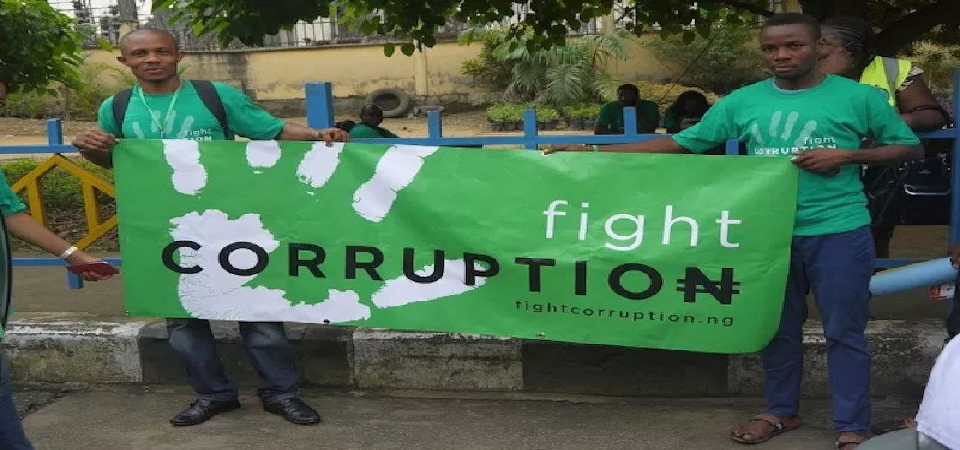
Corruption is a complex social challenge that affects countries around the world, and Nigeria is no exception. The perception of corruption in Nigeria is deeply entrenched both within and outside the country, often overshadowing the nation’s progress and potential. However, recent initiatives and research suggest a multifaceted approach to tackling these perceptions and the underlying issues that sustain them.

Nigeria has been proactive in implementing a variety of anti-corruption measures to address the pervasive issue of corruption within the country. These measures are designed to strengthen the rule of law, enhance transparency, and promote accountability.

One such initiative is the Social Norms and Accountable Governance (SNAG) research project supported by the MacArthur Foundation, which was discussed in a recent episode of Africa Aware. The project aims to understand the social norms and behavioral factors that drive corruption in Nigeria. By asking the central question, “why do people do what they do?”, the SNAG project seeks to diagnose and address the root causes of corruption.

Blockchain technology is also being explored as a tool to enhance governance and transparency in Nigeria. The implementation of blockchain can potentially transform governance by promoting transparency and accountability, which are essential for combating embezzlement and corruption.

Furthermore, Northumbria University’s Business School has initiated a groundbreaking project that brings together anti-corruption agencies in Nigeria to collaborate in practice and expand international understanding of the issue. This initiative reflects a proactive approach to creating a unified front against corruption.

One of the most notable cases involves Sambo Dasuki, the former National Security Adviser, who faced charges related to a $2.1 billion arms fund diversion. This case highlighted issues of financial mismanagement and the misuse of funds intended for national security.

Another high-profile individual, Olisah Metuh, a former National Publicity Secretary of the People’s Democratic Party, was convicted in a N400 million fraud case. This conviction is part of the broader efforts by Nigerian authorities to hold political figures accountable for financial improprieties.

The case of Diezani Alison-Madueke, a former Minister of Petroleum Resources, who faced allegations of money laundering involving billions of dollars, is another example of the high-stakes corruption cases in Nigeria. Her case has drawn international attention and underscores the global nature of financial crimes.

These cases, among others, are part of a larger compendium of high-profile corruption cases that have been documented to provide a clearer picture of the corruption landscape in Nigeria. The documentation of these cases serves as a resource for understanding the scope of corruption and the ongoing efforts to address it.

An analysis of Nigeria’s position in the 2020 Corruption Perception Index reveals that despite efforts to combat corruption, there is still much work to be done. This indicates the need for continued and strengthened efforts to create lasting change.

The fight against corruption in Nigeria requires a collective effort from the government, private sector, civil society, and citizens. It involves not only implementing new technologies and research-based strategies but also changing the narrative and societal norms that have allowed corruption to thrive. By working together towards a common goal, Nigeria can overcome the challenges posed by corruption and move towards a more transparent and accountable future.

The pursuit of high-profile cases is crucial for establishing a culture of accountability and transparency in Nigeria. It sends a strong message that corruption will not be tolerated and that the rule of law prevails. As Nigeria continues to combat corruption, these cases will be closely watched by both national and international observers, hopeful for progress and justice.