
DD
MM
YYYY

PAGES

DD
MM
YYYY

spot_img

PAGES

Home Blog Page 3194

5 Best Crypto Staking Platforms for Staking (Highest Real Reward Rates)

0

If you’re not just a crypto enthusiast but someone who likes making that extra cash, then you must have heard of staking crypto or crypto staking platforms, right? But what exactly is crypto staking, and why is it causing such a seismic shift in the crypto world?

Well, we all have that notion that maximum returns come with higher risks, but not so with CryptoH. Did I just expose one of the best Crypto platforms too early? Worry not, I’ll explain why in a bit so make sure you read this article to the end.

What is Crypto Staking?

Crypto staking is simply a way of locking up your cryptocurrencies in a crypto staking platform to earn you interest in return over time. The interest is usually a percentage of what you have staked on the platform. Its operation is similar to depositing your money in a bank account where these deposits help them to create loans for other people.

But how do banks encourage customers to make deposits?

By offering them interest on their staked or deposited currencies. In the crypto space, the staked cryptocurrencies are used to maintain the operations of the staking platforms such as validating transactions and securing the blockchain that supports certain cryptocurrencies.

Remember the notion I stated about returns and risks? Perfect! Now for you to make the right choice in your crypto investment journey, you need to know the different types of crypto staking platforms and their features.

Top 5 Crypto Staking Platforms 2024

Let’s now look at the top 5 crypto staking platforms that can generate you maximum returns in 2024.

1. CryptoH

Features and Benefits of CryptoH:

  • It’s a Beginner and pro-friendly platform with a simple interface for easy navigation. It offers you a welcome bonus of $100 for you to get started. Note that you cannot withdraw this bonus but don’t give up just yet because here is where things get pretty interesting. You can participate in a free plan daily and earn a profit of $1 after every successful staking and also a $3.5 commission on referrals, Cool right? Let’s find out more.
  • It supports the staking of various cryptocurrencies like Ethereum, Tezos, and Cosmos. It also offers a wide range of staking plans like longer lock-up periods with higher rewards or shorter lock-up periods with more flexibility.
  • It’s a regulated and insured platform, offering a secure staking experience with instant registration.
  • It’s hassle-free with auto staking and rewards distribution features with instant payments
  • It has a competitive staking reward of 10% to 30% APY. CryptoH also offers a compound interest on your rewards meaning they are reinvested and then you earn some interest on top of that reward.

2. Binance

Features and Benefits Binance:

  • It’s the world’s Largest cryptocurrency exchange offering a wide range of staking options.
  • It supports a wide range of cryptocurrencies like Ethereum, Solana, Tron, and many more
  • It offers a competitive staking reward of 5% to 20% APY. However, Staking rewards may vary depending on the type of coin you have staked and the locking period but within the 5% to 20% APY range.

3. Kraken

Features and Benefits of Kraken:

  • It’s a reputable and regulated exchange, a feature that one should consider when choosing a crypto staking platform.
  • It bears a good track record of protecting user funds.
  • It has a User-friendly staking interface as well as auto rewards distribution features.
  • It offers an APY of 4% up to 12% depending on the crypto staked.

4. Celsius Network

Features and Benefits of Celsius Network:

  • It’s a decentralized lending and borrowing platform that offers crypto staking.
  • Supports a wide range of cryptocurrencies like Bitcoin, Ethereum, Litecoin, etc
  • It offers industry-leading staking rewards of 3.5% to 17% APY, however, these vary depending on the coin staked.
  • You can earn rewards on your staked assets without the need to lock them up.

5. Lido

Features and Benefits of Lido

  • It offers a decentralized staking platform on the Ethereum blockchain network.
  • It offers transparent governance with its Decentralized autonomous organization (DAO).
  • It has a user-friendly interface as well as auto rewards distribution.
  • It offers an APY of between 4% to 6% depending on the crypto staked. For example, staking $10,000 worth of Ethereum on Lido can earn you between $400 to $600 per year.

Is staking Ethereum safe?

Yes, it’s worth staking Ethereum. In the best-case scenario, staking Ethereum can earn you up to 30% interest and that’s all passive income is all about. Besides, you don’t have to do anything apart from locking in one of the best crypto staking platforms like CryptoH.

Crypto staking California

You might be asking yourself, what if am based in California, can I stake my crypto?

Well, Crypto staking in California can be challenging to some users since some crypto staking platforms are prohibited or limited in the US. You need to do thorough research on the staking platforms that are operational in California for you to start your crypto staking journey.

How to Maximize Your Staking Earnings

To reap maximum returns on your staked assets, make sure you:

  1. Do thorough research on the staking Platform’s security and user feedback. Don’t ignore any red flags.
  2. Diversify or spread your staked assets in different crypto-staking platforms in case of a crypto meltdown.
  3. Ensure you stay up to date with the market and staking platform’s performances.
  4. Ensure you have a clear understanding of the lock-up periods and staking rewards offered by the platform.

Conclusion

Choosing the best crypto staking platform is the first step to your passive income success in crypto staking and that’s why we recommend CryptoH. With the $100 bonus for new members, you can easily get started without draining your pocket. Why not grab this golden opportunity?
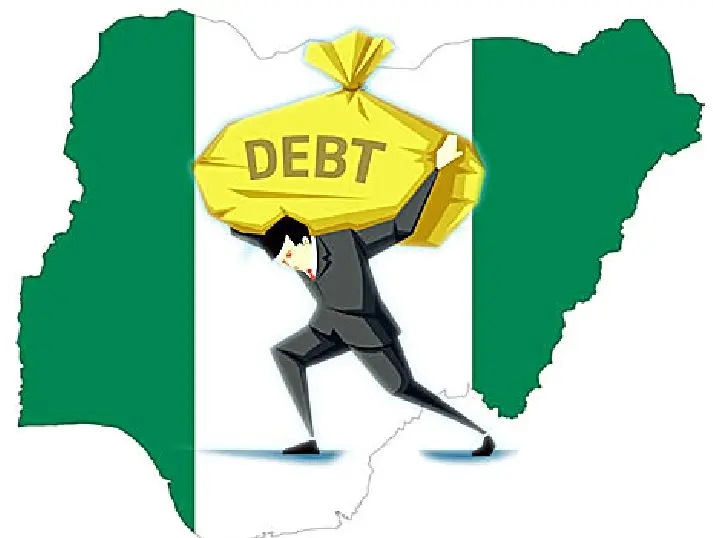

Navigating Solutions for Public Debt Management

0

The challenge of managing public debt is a complex issue facing many advanced economies today. With rising debt levels, it is crucial to explore effective strategies for sustainable debt management. In the wake of the global financial crisis and the COVID-19 pandemic, advanced economies have seen their public debt levels soar to unprecedented heights.

As of 2023, general government gross debt exceeded $68 trillion, marking 111% of the gross domestic product (GDP). This staggering figure is not just a number—it’s a harbinger of potential economic stagnation and a signal for urgent action.

The historical context of public debt reveals that advanced economies have previously managed to reduce debt-to-GDP ratios through a combination of high growth, inflation, fiscal surpluses, and financial repression. For instance, the UK’s debt ratio plummeted from 270% in 1946 to a mere 29% by 1990. Similarly, the US saw a significant drop from 121% in 1946 to 36% in 1970. However, the landscape of public debt has drastically changed since then.

The 1970s marked a turning point, with a shift to primary fiscal deficits and a period of slower growth and inflation. Debt ratios climbed approximately 20 percentage points between 1990 and 2007. The subsequent financial crisis and pandemic further exacerbated the situation, leading to a dramatic increase in debt ratios due to stimulus measures, bailouts, and slower growth.

The implications of such high levels of public debt are manifold. It can lead to increased financial market volatility, structurally slower growth, and higher interest rates. The International Monetary Fund (IMF) has highlighted the risk of “higher for longer” interest rates, which could have international repercussions, potentially dampening global growth and investment.

The phenomenon known as ‘the ratchet effect’—whereby it is politically easier to implement stimulus in bad times than fiscal consolidation in good times—has contributed to the asymmetry in fiscal policy. This has made it challenging for advanced economies to bring down their debt levels during periods of economic recovery.

The evidence suggests that public debt overhang episodes, characterized by debt-to-GDP levels exceeding 90% for at least five years, are associated with lower growth. Among the 26 identified episodes since the early 1800s, 20 lasted more than a decade, indicating that the correlation is not merely a result of debt buildups during business cycle recessions.

Here are some potential solutions that have been identified:

Fiscal Consolidation: This involves implementing a combination of spending cuts and revenue increases. In advanced economies, spending cuts have been more effective in reducing debt ratios than increasing revenues. It is essential that fiscal consolidation is tailored to the country’s specific needs and circumstances.

Growth-Enhancing Reforms: Structural reforms that promote growth can complement fiscal consolidation efforts. These reforms can include measures to improve the business environment, labor market reforms, and investment in innovation and education.

Debt Restructuring: For countries facing debt distress, restructuring the terms of loans may be necessary. This process requires negotiation with creditors and can involve burden sharing among different parties.

Transparency and Collaboration: Improving transparency regarding public debt liabilities can help prevent the build-up of hidden liabilities. Additionally, collaboration among official creditors is crucial for preparing for debt restructuring cases involving non-traditional lenders.

Investment in Sustainable Development: Allocating resources raised from public debt towards investments in sustainable development can yield significant medium- and long-term returns. This approach aligns with the pursuit of the Sustainable Development Goals (SDGs) and can contribute to economic, social, and environmental benefits.

Improving Public Spending Efficiency: Increasing fiscal revenues and enhancing the effectiveness and efficiency of public spending are key to expanding fiscal space. This can involve reviewing and optimizing government expenditures to ensure they contribute to economic growth and development.

Institutional Frameworks: Strong institutional frameworks can support the success of fiscal consolidation and structural reforms. This includes establishing clear rules and mechanisms for fiscal policy and debt management.

The current situation demands a reevaluation of fiscal policies and a concerted effort to address the public debt overhangs. Advanced economies must prioritize discussions on public debt and implement strategies for fiscal consolidation. The long-term health of the global economy may well depend on the actions taken today to manage and mitigate the risks associated with high levels of public debt.

Nvidia CEO Jensen Huang Networth Soars, Becomes 11th Richest Person in The World

0

Nvidia’s rise to become the world’s most publicly valuable company has not only positioned it as a transformative leader in the AI industry but has also significantly boosted the net worth of its CEO Jensen Huang.

Reports reveal that Huang’s net worth soared to $119 billion as Nvidia shares traded up more than 3% to $135.70, positioning him as the 11th richest person in the world ahead of India’s richest person Mukesh Ambani.

Huang who owns a 3% stake in Nvidia started the year with a net worth of $77 billion, according the Forbes, before the company’s market cap increased by 177% to $3.33 trillion.

Huang’s rise in the Forbes list has been one that is nothing but spectacular. In 2019, he was estimated to be the 546th richest person in the world. Last year he was worth $21 billion, ranking him as the world’s 76th richest person.

Notably, he owns a 3% stake in Nvidia, translating to over 934 million shares as of June 2024. This substantial ownership makes him the company’s largest individual stockholder. Huang’s net worth is largely tied to his shares in Nvidia, which have seen a tremendous increase in value due to the company’s impressive performance in the stock market.

Huang’s Background Story And The Founding of Nvidia

Jensen Hang’s professional journey started at AMD, where he worked on microprocessor design. This experience laid the groundwork for his future in the tech industry. Although his tenure at the company was brief, however, it was pivotal in shaping his technical expertise and understanding of the semiconductor market.

In the early 1990s, the personal computer (PC) industry was rapidly growing, and there was a burgeoning demand for better graphics capabilities, particularly for gaming and professional applications.

Huang, along with Malachowsky and Prim, recognized the potential for specialized graphics processing units (GPs) to enhance computing power and graphical performance. They saw an opportunity to create a company focused on this emerging market, this spurred the founding of Nvidia in 1993.

Nvidia’s big breakthrough came with the development of the RIVA 128, launched in 1997. It was one of the first graphics cards to combine 2D and 3D graphics in a single chip, providing high performance at a competitive price. The RIVA 128 was a commercial success and established Nvidia as a key player in the graphics industry.

Following the RIVA 128, Nvidia released a series of successful products, including the TNT and GeForce series, which further solidified its position in the market. In 1999, Nvidia went public with an initial public offering (IPO) on NASDAQ. This provided the company with the capital to expand its research and development efforts and continue its growth trajectory.

Huang who co-founded Nvidia in 1993, has reportedly been the driving force behind the company’s strategic growth and innovation. Under his leadership, Nvidia has transitioned from a graphics card manufacturer to a leader in Al and high-performance computing.

His vision and strategic decisions have been crucial in positioning Nvidia at the forefront of technological advancements. Under his leadership, Nvidia has laid out an ambitious plan to upgrade its Al accelerators annually. Huang’s belief in the potential of Al has driven the company to develop advanced hardware and software solutions that are now integral to Al’s development.

His remarkable journey from a Taiwanese immigrant to a tech billionaire, highlights his relentless pursuit for success. As Nvidia continues to thrive, his net worth is poised to surge, possibly earning him a spot among the top five on the Forbes list.

FIT21 Isn’t the Crypto Win You Think it is in the United States

0

The Financial Innovation and Technology for the 21st Century Act (FIT21) has been a topic of significant discussion and debate within the United States. Passed by the U.S. House of Representatives, FIT21 represents a major legislative step towards establishing a regulatory framework for digital assets in the country. The bill aims to provide clarity on the classification of cryptocurrencies as securities or commodities and delineates the regulatory responsibilities between the Securities and Exchange Commission (SEC) and the Commodity Futures Trading Commission (CFTC).

Here are the key provisions of FIT21:

Delineation of Regulatory Responsibilities: FIT21 seeks to clarify the jurisdictional boundaries between the Securities and Exchange Commission (SEC) and the Commodity Futures Trading Commission (CFTC), which has been a major source of confusion. The SEC will oversee digital assets classified as securities, while the CFTC will regulate commodities and derivatives.

Consumer Protection Measures: The Act includes robust consumer protection measures designed to prevent fraud and market manipulation. It mandates comprehensive disclosure requirements for digital asset issuers and establishes clear guidelines for market participants.

Decentralization Test: A notable feature of the bill is the introduction of a “decentralization test” that will determine whether a token is a security or a commodity. This test allows crypto tokens to decentralize over time to become a commodity.

Prohibition of Agency Overreach: The legislation prohibits agencies from preventing the use of crypto, ensuring that the market remains open and accessible.

Study of Stablecoins: FIT21 requests the Treasury to conduct a study on stablecoins, which could influence future regulations and policies regarding these types of digital assets.

Definition of Decentralized Networks: The Act defines when decentralized networks are no longer considered securities, which could have significant implications for the classification and regulation of various cryptocurrencies.

Certification Process for Decentralized Assets: There is an established process to certify decentralized assets as commodities, which could streamline the regulatory process for new and existing tokens.

However, the reception of FIT21 has been mixed. While some view it as a positive move towards consumer protection and innovation facilitation, others argue that it could lead to regulatory overreach and stifle the growth of the crypto industry. SEC Chair Gary Gensler has expressed concerns that the bill could undermine existing securities regulations and put investors at risk.

The bill’s passage in the House has been seen as a bipartisan effort, with both Democrats and Republicans crossing party lines to support it. This suggests a growing recognition of the importance of cryptocurrency in the financial landscape and the need for clear regulatory guidelines.

Despite the approval from the House, the future of FIT21 in the Senate remains uncertain. There is no counterpart bill in the Senate, and the level of support for such legislation is unclear. The necessary committees have not done the same level of work on crypto, which could delay or even prevent the bill’s passage.

For crypto enthusiasts and investors in the United States, FIT21 represents both hope and concern. On one hand, it promises a more structured and secure market with defined rules. On the other, there is apprehension about the potential for regulatory overreach and the impact on innovation and growth within the crypto space.

As the debate continues, the crypto community will be watching closely to see how FIT21 evolves and what it will mean for the future of cryptocurrency in the United States. The outcome of this legislative process will likely have significant implications for the global crypto market and could set a precedent for other countries looking to regulate digital assets.

Why Nations Remain Poor and the Power of Capital

0

Below, I share a video on why some nations are poor, and why others are rich. It turns out that rich nations operate on CAPITAL while poor ones are configured around money. In those poor nations, money is supreme, with largely nonexistent capital, making it harder to unlock critical enablers to drive growth and prosperity.

Money is a subset of Capital, and companies and nations which allow Money to rule over them underperform. In Nigeria, we’re pursuing too much money, with limited efforts designed to advance Capital. That must change.

Until Nigerian policymakers focus on creating systems for Capital development and evolution over our fixation on Money, we will continue to struggle. When I read our policies on land, agriculture, etc, I see policies geared towards Money, when what we should focus on is how to stimulate Capital, even as we pursue the scaling of money.

Money is a subset of Capital, and companies and nations which allow Money to rule over them underperform. In Nigeria, we’re pursuing so much money, with limited efforts designed to advance Capital, triggering a system where there are many farmlands but no capital market product for farmlands. And without Capital, we scale poverty. When South Africa’s stock (capital) market has close to $1 trillion value, and Nigeria’s is hovering around $50 billion, you can see that we have a lot of money in Nigeria, but limited Capital. That must change.