DD
MM
YYYY

PAGES

DD
MM
YYYY

spot_img

PAGES

Home Blog Page 3200

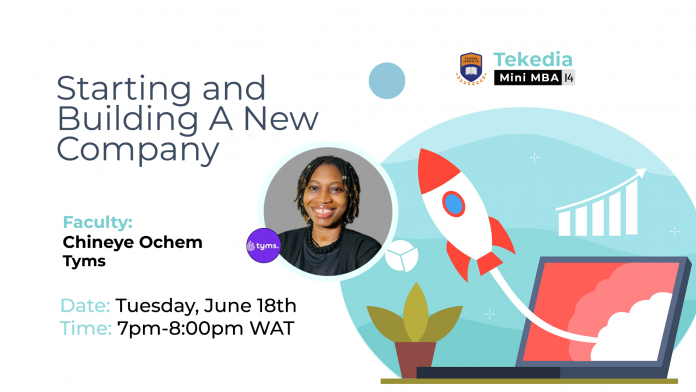
How to Start a New Company – Tekedia Mini-MBA

0
Join us at Tekedia Mini-MBA today as we learn from a founder on how to Start a new company. Chineye Ochem ACA, CFE, MBA co-founded Tyms, Nigeria’s #1 accounting firm for ambitious modern businesses. Come here and learn how to build.
 
Tekedia Mini-MBA >> only the best teach here. Zoom link here 
 
Tyms is a Tekedia Capital portfolio company; check them out here 

Nigeria’s Goal of 70% Broadband Penetration in 2025 suffers huge setbacks

0

Nigeria’s vision to achieve 70% broadband penetration by 2025 is hitting significant roadblocks, raising concerns about the nation’s economic future and its digital transformation agenda.

The National Broadband Plan 2020-2025, a blueprint aimed at connecting a vast majority of Nigerians to high-speed internet, has seen limited success over the past four years.

As of March 2024, data from the Nigerian Communications Commission (NCC) indicates that broadband penetration has reached 43.53%, up from 39.54% in April 2020 when the Plan was first introduced. This modest increase of just 4% over four years falls far short of the Plan’s milestones. Originally, the goal was to achieve 50% penetration by the end of 2023, but the actual figure was 43.71%, dipping slightly to 43.53% in early 2024.

Missed Targets and Unrealized Ambitions

The Plan’s architects recognized several hurdles, such as the high cost of smartphones, and proposed setting up at least one local smartphone assembly plant by 2023 to make devices more affordable. Yet, Nigeria remains without such a facility, and the depreciating Naira has pushed smartphone prices to around N65,000, a far cry from the target of N18,000.

Additionally, the Plan called for 70% of telecom subscriptions to be on 4G by 2023. Current NCC data shows only 32.74% of the 219 million active mobile subscriptions are on 4G, while a significant 56.97% are still using 2G networks.

Notable Progress in Speed and Data Pricing

Despite these setbacks, there have been some achievements. The Plan set internet speed targets of 15Mbps download in urban areas and 5Mbps in rural areas by 2023. Thanks to 5G launches by MTN, Airtel, and the entry of Starlink, which offers over 50Mbps, these speed goals have been surpassed in both urban and rural settings. Moreover, data prices have fallen below the Plan’s target of N700 for 1GB, with some operators offering data for as low as N350 per day, although these operators are now seeking regulatory approval to increase prices.

Challenges to Implementation

In the issues stalling the Plan’s progress highlighted by Engineer Gbenga Adebayo, Chairman of the Association of Licensed Telecommunications Operators of Nigeria (ALTON), Multiple taxation and high Right of Way (RoW) costs are significant barriers to infrastructure deployment.

The Plan estimated a need for $3.5 billion to $5 billion in investments over five years, but foreign investment in Nigeria’s telecom sector has been declining sharply. The National Bureau of Statistics (NBS) reported a 239% drop in Foreign Direct Investments (FDIs) in 2023, falling from $456.83 million in 2022 to $134.75 million in 2023.

“The current investment figures are a clear indicator of the challenges facing the industry. This is adversely affecting the expansion of network infrastructure,” Adebayo said, adding that limited access to foreign exchange further hampers the ability of operators to expand and deploy more broadband infrastructure.

Government’s Last-Ditch Efforts

In response to these challenges, the Ministry of Communications, Innovation, and Digital Economy has launched several initiatives to bolster connectivity. One notable project is Project 774 LG Connectivity, aimed at providing internet access to all 774 Local Government secretariats across Nigeria. Additionally, the government has announced plans to establish a Special Purpose Vehicle (SPV) to deliver an additional 90,000km of fiber optic cable, boosting Nigeria’s connectivity backbone to at least 125,000km from the current 35,000km.

“The SPV will build the additional fiber optic coverage required to take Nigeria’s connectivity backbone to a minimum of 125,000km,” Dr. Bosun Tijani, the Communications Minister said.

Nigeria’s journey towards achieving its broadband penetration goals is fraught with challenges. The slow progress threatens to delay the country’s digital transformation and economic development.

Analysts note that while the government’s recent initiatives are a step in the right direction, addressing fundamental issues like investment, taxation, and regulatory bottlenecks is crucial for Nigeria to harness digital technologies for economic growth and social inclusion in the coming years.

AI TRiSM and Opportunities in Digital Industries in 2024

0

The digital landscape in 2024 is a vibrant ecosystem of innovation and growth. As we navigate through the year, the opportunities within the digital industries are expanding at an unprecedented rate. The convergence of artificial intelligence (AI), cloud computing, and cybersecurity is driving a resurgence in the technology sector, promising a robust and resilient future for businesses and individuals alike.

AI Trust, Risk, and Security Management (AI TRiSM)

AI TRiSM has emerged as a pivotal trend, ensuring that AI systems are trustworthy, secure, and risk compliant. This strategic approach is crucial for businesses to protect their investments and leverage AI’s full potential without compromising on ethical standards or security.

Implementing AI Trust, Risk, and Security Management (AI TRiSM) is a complex endeavor that organizations are increasingly prioritizing to ensure the ethical, secure, and effective use of AI technologies. However, several challenges can arise during its implementation: AI systems can be highly complex, making it difficult to establish trust and assess risks accurately. Ensuring these systems are secure and reliable requires a deep understanding of their inner workings, which can be a significant hurdle.

Continuous Threat Exposure Management (CTEM)

With cyber threats evolving rapidly, CTEM stands as a critical defense mechanism. It enables organizations to continuously assess and manage their exposure to cyber threats, ensuring a proactive stance against potential vulnerabilities.

Sustainable Technology

Sustainability is no longer an option but a necessity. Digital industries are focusing on creating sustainable technology platforms that not only meet current needs but also ensure environmental responsibility and long-term viability.

AI-Augmented Development

The development landscape is being revolutionized by AI-augmented tools that enhance the capabilities of developers, reduce time-to-market for applications, and foster innovation at scale.

Industry Cloud Platforms

Specialized cloud platforms tailored to specific industries are facilitating a new wave of digital transformation. These platforms offer customized solutions that cater to the unique needs of different sectors, driving efficiency and competitiveness.

Democratized Generative AI

Generative AI is becoming more accessible, enabling a broader range of users to create and innovate. This democratization is expected to significantly alter the design and development effort for new web and mobile applications by 2026.

Intelligent Applications

Applications are becoming smarter, more context-aware, and more adaptive. Intelligent applications are set to redefine user experiences, offering personalized and predictive services.

Augmented Connected Workforce

The workforce is becoming increasingly connected and augmented by digital tools. This trend is enhancing collaboration, productivity, and the ability to work from anywhere in the world.

Machine Customers

Machines are starting to act as customers, autonomously making decisions and transactions. This shift is opening up new business models and revenue streams.

Industrial Metaverse

The industrial metaverse is gathering momentum, creating virtual spaces where businesses can simulate, visualize, and interact with digital twins of physical assets.

Global Digital Jobs Growth.

The number of global digital jobs is on the rise, expected to grow from 73 million in 2024 to 92 million by 2030. This growth signifies the increasing importance of digital skills in the global economy.

The digital industry in 2024 is ripe with opportunities for those who are prepared to embrace these trends and harness the power of technology for innovation and growth. As we look ahead, it’s clear that the digital revolution is just getting started, and the possibilities are limitless.

Cyber threats are continually evolving, and AI TRiSM must adapt to these changes. Staying ahead of potential vulnerabilities requires constant vigilance and the ability to quickly update security measures. With the rapid development of AI technologies, regulatory frameworks are often playing catch-up. Ensuring compliance with existing and emerging regulations is a challenge, as these can vary across different regions and industries.

There is a growing need for professionals skilled in AI TRiSM, but currently, there is a shortage of such expertise. Organizations must invest in training and development to build a workforce capable of implementing and managing AI TRiSM effectively. AI systems must be designed and operated in a manner that aligns with ethical standards. Addressing the ethical implications of AI, such as bias and fairness, is a critical challenge in AI TRiSM.

Integrating AI TRiSM into existing IT infrastructure can be challenging. Organizations must ensure that new AI systems work seamlessly with legacy systems without compromising security or performance. AI TRiSM requires a proactive approach to risk management. Identifying and mitigating risks before they become issues is essential for the trustworthiness of AI systems.

Bitcoin Revolution Powering Political Decisions in 2024

0

As the world moves further into the digital age, the impact of cryptocurrencies on various aspects of life, including politics, has become increasingly significant. The year 2024 has been a pivotal one for Bitcoin, not only in terms of its market performance but also in its influence on political decisions and campaigns across the globe.

Countries around the globe are harnessing blockchain’s potential to enhance their political processes. Regulatory frameworks are being established to support innovation and attract investments in blockchain technologies. These regulations serve as a guiding star, providing clarity and confidence for businesses and investors to explore blockchain’s possibilities.

The technological infrastructure is crucial for blockchain adoption, with countries that have robust internet infrastructure and digital literacy leading the way. These nations are laying the groundwork for blockchain to revolutionize various sectors, including the political sphere.

The “Bitcoin Revolution” has been a term coined to describe the sweeping changes that the rise of cryptocurrencies has brought about. In the political arena, this revolution has manifested in several ways. For instance, political campaigns are now considering crypto donations as a substantial part of their funding strategies. This shift is indicative of the growing acceptance of Bitcoin as a legitimate and influential economic force.

Moreover, the policy stance of political candidates on cryptocurrency regulation has become a critical issue for voters who are invested in the digital asset market. In the United States, for example, the stance of presidential candidates on Bitcoin has been a hot topic, with some advocating for more freedom and privacy in the use of cryptocurrencies, while others call for stricter regulations.

The global regulatory framework for Bitcoin and other digital assets is also being shaped by the outcomes of elections in major economies around the world. The European Union’s recent elections have seen the re-election of officials who played key roles in the development of the bloc’s cryptocurrency regulations, signaling a continued interest in shaping the crypto landscape.

In emerging markets, the approach to cryptocurrency regulation has varied, with some countries embracing the technology as a means to bolster their economies, while others have taken a more cautious stance. The election results in these regions are closely watched by the crypto community, as they could signal shifts in policy that might either foster or hinder the growth of digital assets.

The influence of Bitcoin on politics is not limited to campaign funding and regulatory stances. The technology behind cryptocurrencies, blockchain, is being explored for its potential to enhance the transparency and security of voting systems. Some advocates believe that blockchain could revolutionize the way elections are conducted, making them more resistant to fraud and manipulation.

As we look towards the future, it is clear that the relationship between Bitcoin and politics will continue to evolve. The decisions made by politicians today will have long-lasting implications for the crypto industry and its stakeholders. It is a dynamic interplay that reflects the changing landscape of finance and governance in the digital age.

The impact of blockchain on political decisions is profound. It’s enabling a more participatory form of politics, where citizens can directly engage and influence political outcomes. Blockchain-powered voting systems are being explored, promising to reduce fraud and increase voter turnout.

AI And The Future of Work in Africa – Microsoft Outlines Potential Impact of The Advanced Technology

0

Tech giant Microsoft, in a recent White Paper published discusses on the impact of generative AI on the Future of work in Africa.

The White paper which saw input from diverse thought leaders from various sectors and backgrounds, provided an overview of the current state and trends of AI on the continent, which centered around four key themes; Macroeconomic impacts, jobs, skills, and labor markets; workers’ perspectives, and Africa-centric AI platforms.

The White Paper disclosed that the impact of Al on Africa’s future will be a consequence of many things, including technological and policy decisions. Therefore, to ensure a better future for individuals on the continent, it will require carefully designed policies and regulations that foster the development of Al while keeping the negative effects in check.

Leaders on the continent are urged to invest in digital infrastructure and human capital including education initiatives whilst ensuring that Al development is inclusive and tailored to the continent’s unique needs and challenges. Addressing these issues is essential to ensure that Al acts as a catalyst for equitable and sustainable growth in Africa.

With Africa’s vibrant young population and tech ecosystem, the White Paper posits that such an advantage, positions Africa to be a leader in technological innovation and sustainable development.

It further highlighted the need for research that moves beyond the usual generalizations to apply a critical lens to understand the nuances of the repercussions of generative Al in Africa’s unique social and economic contexts.

Overarching effort is needed to ensure these transformations improve the quality of the work produced and support and enhance the creativity and value of workers, rather than using Al to automate work as this will inevitably result in a race to the bottom.

For Africa to significantly contribute to the AI economy, the White Paper Highlights two factors that are required; Local Leadership and Skill Development.

Local Al Leadership:

This is essential to cultivate African talent in Al research, innovation, and design, as well as policy and governance. It requires building and consolidating expertise in computer science, machine learning, natural language processing, and engineering the technical skills typically associated with Al development.

Skill Development:

People need the skills, knowledge, and access to leverage generative Al in their work and careers. Given the tool’s propensity for fabrication, knowing how to evaluate and appropriately deploy its output will become an important new business skill. Additionally, the human work of building and maintaining Al systems must be recognized and valued as skilled labor.

Notably, the White Paper calls for the adoption of Africa-centric Al, which refers to the design, development, validation and deployment of Al solutions with a strong  focus on African context. The emergence of Africa-centric Al tools and platforms will address unique socio-economic challenges by tailoring Al solutions to the continent’s specific needs.

Generative Al presents a powerful tool for shaping a dignified future of work in Africa. By proactively addressing the challenges and harnessing the opportunities, Africa can leverage Al to drive economic growth, empower its workforce, and become a leader in socially responsible Al development.

Overall, the recommendations for a Dignified future of Work for all with Generative Al include investing in infrastructure and education, Development of inclusive Al policies, focusing on human-centered design, Prioritizing African-centric solutions, and Collaboration among stakeholders.