DD
MM
YYYY

PAGES

DD
MM
YYYY

spot_img

PAGES

Home Blog Page 3218

Nigeria’s Oil Revenue Surges by 30%, revenue-to-debt service ratio drops to 68% – Finance Minister

0

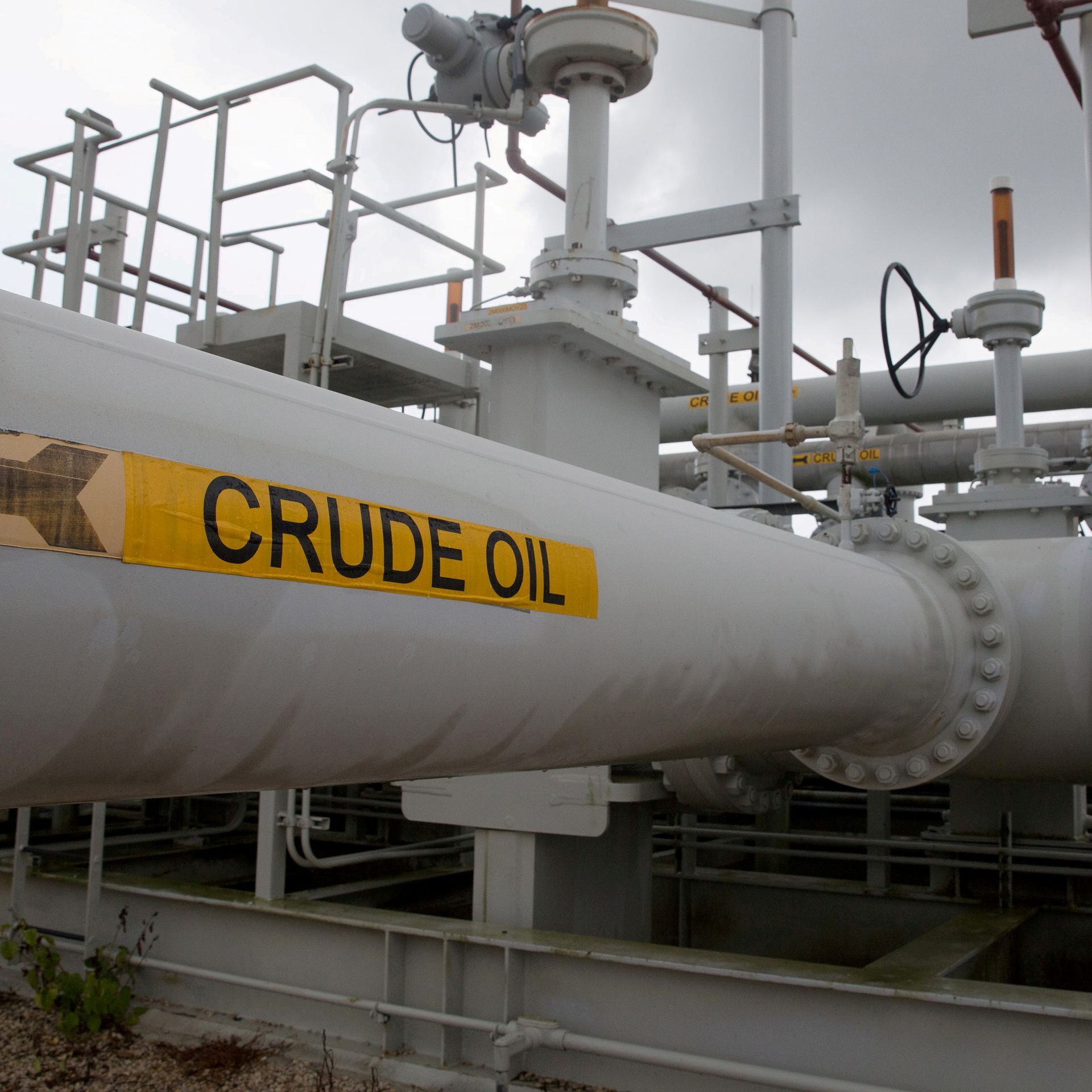
Nigeria’s oil sector has seen a significant increase in government revenue, rising from 11% in 2023 to 30% in the first half of 2024. This was announced by the Minister of Finance and Coordinating Minister of the Economy, Wale Edun, during a press briefing in Abuja.

The surge in revenue is attributed to the ongoing reforms of the government’s financial management systems, which have led to more efficient and effective revenue collection, although the benefits have not fully translated into broader economic stability.

Edun noted that the recent improvements in oil revenue stem from a larger effort to mobilize non-oil revenue, which also saw a 30% increase over the first half of 2023. This achievement surpassed the 2024 budget target without any increase in taxes, demonstrating the government’s success in enhancing its fiscal management.

“The government’s determination to mobilize non-oil revenue has consistently delivered impressive results.

“For the half-year 2024, non-oil revenue surpassed the revenue in the first half of 2023 by 30 percent above the 2024 budget target without any increases in taxes,” he said.

The increase in oil production and revenue was expected to boost forex inflows, easing pressure on the naira and improving FX liquidity in the market. Analysts said that higher oil exports would lead to increased foreign currency earnings, which would then bolster the Central Bank of Nigeria’s (CBN) reserves, providing a buffer against currency volatility. However, this anticipated relief has not been realized to the extent needed, as structural issues within the economy and the global oil market dynamics continue to pose challenges.

Edun emphasized that addressing Nigeria’s budget deficit remains a top priority for the government’s economic team. The 2024 budget deficit target has been set at 4.1% of Gross Domestic Product (GDP), a marked improvement from the 6.1% deficit recorded in 2023. On an annualized basis, the deficit is currently at 4.4%, indicating progress toward fiscal consolidation.

Meanwhile, Edun reported a significant reduction in Nigeria’s revenue-to-debt service ratio, which has declined from 97% in 2023 to 68% in 2024. This reduction indicates a decreasing debt burden and an overall improvement in the country’s fiscal health.

The Minister attributed this improvement to enhanced revenue collection and the curtailing of leakages in the system. Notably, he said Nigeria has ceased reliance on ways and means advances from the Central Bank to fund its fiscal obligations, marking a critical step towards more sustainable economic governance.

He noted that these improvements are part of a broader strategy to enhance transparency, accountability, and visibility in government spending. This has been achieved through a reconfiguration of the country’s financial processes and procedures, aimed at earning public trust in the government’s fiscal management.

Despite these fiscal gains, the country’s economic challenges continue to deepen as underlined by the poor performance of the naira in the FX market. The declining value of the naira is believed to be a reflection of broader issues, including inadequate forex reserves, relying mainly on oil for revenue, and a high import dependency. These factors continue to exert pressure on the naira, limiting the positive impact of increased oil revenue on the overall economy.

However, the government remains optimistic about the future. President Bola Tinubu has signed several executive orders aimed at stimulating investment in the industry, with the goal of attracting $10 billion in investments. These orders are designed to create a more favorable environment for investors, offering incentives and reforms to boost confidence and encourage capital inflow.

While these measures are still in the early stages of implementation, the government is hopeful that they will lead to substantial progress in the coming year.

Some analysts believe the government’s initiatives are a step in the right direction. However, they note that achieving long-term economic stability will require continued focus on structural reforms, reducing dependence on oil, and enhancing the country’s export capacity.

Economists say that the success of these measures will depend not only on internal policies but also on global economic conditions and the country’s ability to attract and retain investment.

Render Holders Are Swapping Out Shiba Inu For Breakout Star Raboo: Here’s Why?

0

Render (RNDR) holders are now abandoning the Shiba Inu (SHIB) ship for Raboo ($RABT) tokens. This trend reflects a growing interest in Raboo, driven by its innovative features like AI-powered meme creation and the Post-to-Earn platform. These features offer unique engagement opportunities and potential for significant returns. Find out all about the new rave for Raboo tokens in recent times in this blog.

Render: A unique blend of graphics and blockchain

Render (RNDR) serves as a decentralised platform connecting those in need of graphics rendering with GPU owners who can offer idle processing power. Render’s network not only enhances accessibility and reduces costs for high-quality rendering but also plays a critical role in emerging sectors like gaming, VR, and AI. As of July 2024, RNDR is trading at $6.83, with a market cap of $2.68 billion, having seen an increase of 1.63% over the last week????.

Render holders are showing interest in Raboo ($RABT) and seeking to diversify their investments. This trend is partly driven by Raboo’s innovative use of AI in meme creation and its Post-to-Earn model, which offers a unique value proposition compared to traditional meme coins like Shiba Inu. The shift highlights a strategic move among Render investors, potentially influencing the future demand and market behaviour of RNDR as these investors explore new opportunities in rapidly growing sectors like AI and SocialFi??.

Shiba Inu: The loyal companion faces new competition

Shiba Inu (SHIB) became famous for being the top meme coin, backed by their light-hearted branding and an ultra-active community of investors at their heels, known as the “Shib Army.” Since its launch, SHIB has hit some incredible milestones. One of these is the development of its layer-2 scaling solution, Shibarium, which is supposed to provide less expensive transaction fees and faster processing times. SHIB is currently trading at $0.00001673 per coin, with a market capitalisation of nearly $9.87 billion. The coin has recently acted out a somewhat mixed performance – up by 3.02% in the last 24 hours, although broader losses swelled to around 6.07% in the last week??????.

Despite its achievements, Shiba Inu faces challenges from newer competitors like Raboo ($RABT). This shift in investor sentiment, particularly among Render (RNDR) holders, reflects a growing interest in coins that offer novel use cases beyond traditional meme coin attributes. As Raboo gains traction, SHIB must navigate the crowded market and continue to innovate to maintain its relevance and appeal.?????

Raboo: Leading the Meme Coin revolution

Raboo ($RABT) has rapidly risen as one of the most visible players within the meme coin space, differentiated by its clever use of artificial intelligence in the production of memes and the driving of community engagement. Such an AI-powered approach enables the generation of unique and very engaging crypto-related memes for an increasing audience. At the very heart of Raboo’s ecosystem stands the incentivising Post-to-Earn model, encouraging users to create and distribute content with rewards in the form of $RABT tokens.

Raboo’s market performance has been impressive, particularly during its presale phase, where it has raised over $2 million so far. Analysts are very optimistic about the future and forecast 233% growth during the presale, with a possible 100x increase after launch. On the other hand, this very optimistic forecast positions Raboo as an excellent investment opportunity, especially for those who would like to diversify their investment portfolios further.

Conclusion

Raboo’s innovative features, such as AI-powered meme creation and the Post-to-Earn platform, have attracted Render holders away from Shiba Inu. This shift in investor sentiment highlights a growing interest in coins that offer unique value propositions and real engagement opportunities. The broader crypto market implications suggest a trend towards more technologically advanced and interactive digital assets. For investors, Raboo presents a promising opportunity due to its potential for significant growth and its appeal in blending entertainment with financial incentives. As the market evolves, Raboo’s innovative approach could position it as a leading player in the meme coin sector.


You can participate in the Raboo presale here.

Telegram: https://t.me/RabootokenPortal

Twitter: https://twitter.com/Raboo_Officia

BlockDAG’s July 29 Reveal Fiesta: Meet the CEO & Team Behind the $61.7M Presale, Just as Solana and Polkadot Regain Their Stride!

0

With Solana and Polkadot rebounding robustly after a challenging first quarter, their market performance and optimistic forecasts are capturing attention. Solana and Polkadot have shown resilience, with their prices stabilizing and positive projections emerging from industry experts.

Amidst this recovery, BlockDAG has managed to outshine these established giants during its explosive presale phase, successfully amassing over $61.7 million. The recent announcement revealing BlockDAG’s CEO and executive team has significantly boosted investor confidence, catapulting the cryptocurrency into a leading position among the most sought-after investment opportunities in the sector.

Solana (SOL) Price Forecast: Optimism Abounds

Solana is capturing the attention of both investors and market analysts. Crypto expert Ali Martinez has identified a promising bullish signal in SOL’s trading pattern, specifically a “W” pattern in the 12-hour charts, indicating potential price increases.

Currently, Solana trades at $157.23, showing a significant rise consistent with the bullish “W” pattern’s predictions. It has increased by 3.50% in the last 24 hours alone. According to experts, Solana could reach a price target of $174 due to this pattern.

Additional indicators like the Bollinger Bands and MACD support this optimistic outlook. Solana is oscillating between the upper and middle Bollinger Bands, and a bullish MACD crossover suggests a continuing upward trend. The stochastic RSI also shows high buying pressure, maintaining above 80, indicating a strong market demand for SOL.

Polkadot (DOT): Volatility and Recovery Prospects

Despite recent market dips, Polkadot stands out with its unique features of scalability and interoperability, addressing significant challenges within the blockchain ecosystem.

Polkadot recently saw a price drop, reaching new lows, but has rebounded with a 5% increase in one day. This resilience and innovative network capabilities keep investor interest alive, suggesting a strong recovery potential.

Polkadot’s ability to maintain investor confidence despite market fluctuations underscores its long-term value. As it continues to evolve, Polkadot is expected to play a pivotal role in how blockchains interact, potentially transforming data and asset transfers.

BlockDAG: An Exceptional Presale and Bright Outlook

BlockDAG is preparing for a major leadership reveal, set to introduce its new CEO, executive team, and advisory board on July 29, 2024. The following day, on July 30, the team will host an “Ask Me Anything” (AMA) session, offering investors a direct platform to interact with BlockDAG’s new leadership. These significant events have propelled investor confidence, boosting the presale revenue to a substantial $61.7 million.

Currently, in its 20th batch, the presale has witnessed a remarkable 1400% increase in value, escalating from a starting price of $0.001 to $0.015. This phenomenal growth has positioned BlockDAG as a prominent player in the cryptocurrency market. The appeal of BlockDAG is largely due to its cutting-edge Directed Acyclic Graph (DAG) technology, which ensures high transaction speeds and operational efficiency, attracting a broad base of investors.

Further enhancing its market presence, BlockDAG has announced the upcoming release of a team video, mid August. This film will explore the intricate details of BlockDAG’s development and its technological innovations. This move towards greater transparency and community involvement underscores BlockDAG’s dedication to being a transparent and engaging investment option, solidifying its status as a leading cryptocurrency for those seeking substantial investment returns.

Concluding Insights

While Solana and Polkadot are demonstrating their market strength with promising forecasts, BlockDAG distinguishes itself with an outstanding presale performance. The upcoming leadership reveal and subsequent AMA session have already elevated its funding to over $61.7 million.

With a presale price that has soared by 1400% to $0.015 in its current batch, BlockDAG is not only trending but also offers promising returns for its investors.

Join BlockDAG Presale Now:

Website: https://blockdag.network

Presale: https://purchase.blockdag.network

Telegram: https://t.me/blockDAGnetworkOfficial

Discord: https://discord.gg/Q7BxghMVyu


The Donald Trump’s Bitcoin Message

1

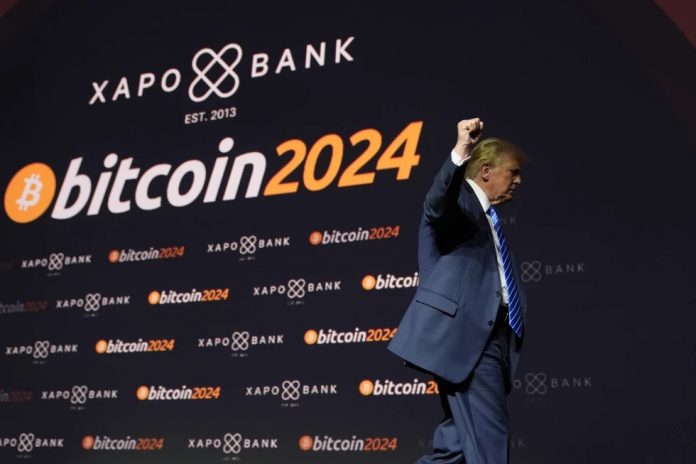
“For too long our government has violated the cardinal rule that every bitcoiner knows by heart: Never sell your bitcoin…This afternoon I’m laying out my plan to ensure that the United States will be the crypto capital of the planet and the bitcoin superpower of the world and we’ll get it done,”,Donald  Trump said during his keynote speech at 2024 Bitcoin Conference in Nashville, USA.

“Bitcoin just seems like a scam..“I don’t like it because it’s another currency competing against the dollar…I want the dollar to be the currency of the world, that’s what I’ve always said,” Trump told Fox in a phone interview in 2021. 

Yes, the same person made both statements. Of course, the 2024 one is biased for the election season considering the avalanche of young people which could be won over. Yet, those statements are not incompatible.

If stablecoins and broad cryptocurrencies ascend, the US dollar loses its hold on global payment and trade. So, advocating for the ascension of these currencies, especially the stablecoins like USDT and USDC, will mean betting against the US dollar. Bitcoin is used mainly as a financial asset that can appreciate in value, not as a medium of exchange like USD, so, the real focus should be on the stablecoins which are just there for transactions and payments. As those stablecoins rise in usage, the USD will lose market share.

However, it does not matter since US companies have a presence in those stablecoins. But that does not mean that supporting the rise of crypto should not be seen as a poison pill by the United States Government. Simply, stablecoins will eat into the USD share of global trade and that is a factual assessment for these currency classes. 

With all said, the United States should be fine. They have got Coinbase, a publicly traded company, normalizing the crypto world at the highest level, even as many countries remain lost.

Dangote Refinery Saga: House of Representatives Calls for NNPC Shake-Up

0

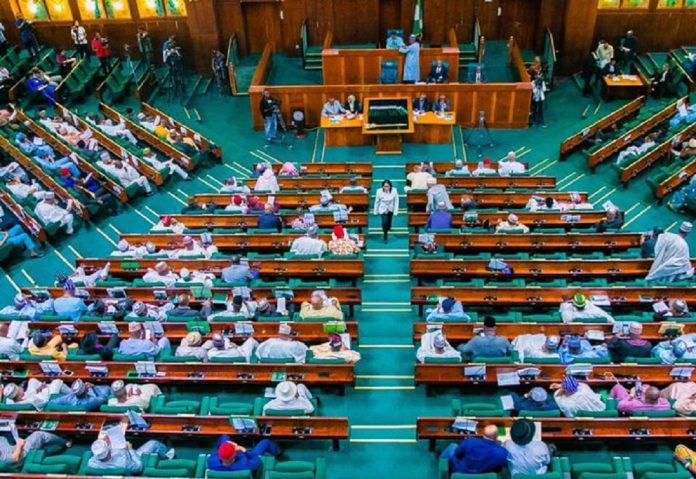
In the latest episode in Nigeria’s petroleum sector drama, the House of Representatives is stepping into the fray, calling for the immediate removal of key figures at the Nigerian National Petroleum Corporation (NNPC).

This comes after Aliko Dangote, the billionaire industrialist and head of Dangote Group, made explosive allegations that certain NNPC officials are behind a clandestine operation in Malta, importing inferior fuel into Nigeria.

The allegations, which have reverberated across the nation’s political and economic landscape, suggest a deep-seated illegal oil operation within the NNPC, condoned by the Nigerian government. Dangote claims that a cabal within the corporation has established a blending plant in Malta, where they refine and import substandard fuel into Nigeria.

“Some of the NNPC people and some of the traders have opened a blending plant somewhere off Malta. We all know these areas, we know what they’re doing. It’s not that we don’t know…,” Dangote alleged.

In response, Mele Kyari, the NNPC’s CEO, vehemently denied the allegations. In a public statement, he challenged Dangote to name the individuals involved, asserting that neither he nor his colleagues own any blending plant in Malta.

Kyari’s defense, however, has done little to quell the controversy, as calls for transparency and accountability continue to grow. The allegation has not only raised questions about the quality of fuel in the market but also cast a shadow over the NNPC’s integrity.

Against this backdrop, Philip Agbese, Deputy Spokesman of the House of Representatives, has been vocal about the need for accountability. He called on President Bola Tinubu to take decisive action by removing Mele Kyari, the NNPC’s Group Chief Executive Officer, along with other top executives.

Agbese accuses these officials of orchestrating a campaign to de-market the Dangote Refinery, which is one of the country’s most significant industrial projects.

His statements reflect a broader concern within the House of Representatives about the state of Nigeria’s oil industry. He asserts that the NNPC and the Nigerian Midstream and Downstream Petroleum Regulatory Authority (NMDPRA) are behind false reports claiming that the Dangote Refinery is reselling crude oil allocated to it. This, he argues, is part of a concerted effort to undermine the refinery’s credibility and disrupt its operations.

Reuters reported, citing sources, that the refinery has been offering Nigerian Escravos and Forcados crude, as well as U.S. WTI Midland crude, back on the market.

The backstory

The controversy erupted on July 18, when Farouk Ahmed, Chief Executive Officer of the NMDPRA, alleged that local refineries, including the Dangote Refinery, were producing inferior products compared to imports.

This allegation by Ahmed opened a flurry of counter-accusations and rebuttals between Dangote and the oil sector regulating agencies.

The House of Representatives’ intervention adds a new dimension to the saga, suggesting that there may be more at play than just business interests. Agbese’s remarks hint at the possibility of a vested interest in the refinery’s operations by people in the government. This has fueled speculation about the true motives behind the government’s stance on the issue, with some suggesting that the high-stakes battle could be influenced by broader political and economic considerations.

Speaker Tajudeen Abbas recently led a delegation to the Dangote Refinery, where tests were conducted to confirm the quality of oil products refined at Dangote Refinery.

“Our quality is about 600 to 650 ppm and is one of the best in terms of quality at that time when we started. But as at today, we’re at 87 ppm,” Dangote stated.

The 650,000 bpd refinery has been touted as a game changer, not only in the Nigerian oil sector but in Africa as a whole. Thus, the ongoing conflict between the Nigerian government and the oil plant raises important questions about the future of Nigeria’s oil industry.

Although there have been moves to reconcile the parties and put an end to the dispute, the efforts so far appear futile. Prominent Nigerians, including former presidential candidate, Peter Obi, former Vice President Atiku Abubakar, the President of African Development Bank, Akinwunmi Adesina, and business tycoon, Femi Otedola, have called on the Nigerian government to support the refinery.

However, the House of Representatives’ call for action could mark a turning point, setting the stage for either a resolution or further escalation in this high-stakes drama.