DD
MM
YYYY

PAGES

DD
MM
YYYY

spot_img

PAGES

Home Blog Page 3229

OpenAI, Anthropic, Safe Superintelligence and The Mission of Scaling Generative AI

0

When Jumia came to Nigeria, among all the things it did, it scaled the mission of digital commerce at scale. Yes, most of the early workers in Jumia left and started amazing things.  That explains my pain when big tech companies like Microsoft and Meta started shrinking the production components of their Nigerian operations. See it this way, if Microsoft has kept that innovation center, many will work there, and over time, depart to create something great.

OpenAI is a great company. And OpenAI is already seeding an industry as some of the staff depart to pursue orthogonal visions within the generative AI industry. Yes, “Ilya Sutskever, co-founder of OpenAI and one of the most esteemed AI researchers globally, has launched a new start-up named Safe Superintelligence (SSI) Inc.”

That adds to Dario Amode, another ex-OpenAI, and founder of Anthropic: “SSI is not the first significant spin-off from OpenAI. In 2021, Dario Amodei, formerly head of AI safety at OpenAI, founded Anthropic, a start-up committed to developing safe AI systems. Anthropic has since secured $4 billion in funding from Amazon and hundreds of millions more from venture capitalists, achieving a valuation exceeding $18 billion.”

In the Igbo Nation, you do not stay in one place to watch the big masquerade. AI is the masquerade, and the players are moving around. This playground is super-exciting because AI will power the future!

Ilya Sutskever, I like the vision of SSI, and have emailed that Tekedia Capital wants to put $1million. I hope we can get a YES from you. We can close tomorrow.

OpenAI Co-Founder Ilya Sutskever Launches Rival AI Start-Up Focused on Safe Superintelligence

The Future of Crypto VC Investments

0

The cryptocurrency sector has witnessed a remarkable journey, evolving from a niche market to a significant force in the venture capital landscape. Recently, the industry achieved a milestone that was once considered a distant dream: crypto venture capital investments have crossed the $100 billion mark. This achievement is a testament to the growing confidence and interest of investors in the potential of blockchain technology and digital assets.

Venture capitalists (VCs) are key players in the startup ecosystem, providing not only capital but also strategic guidance to help young companies grow. When it comes to crypto startups, VCs are particularly meticulous due to the high-risk nature of the industry.

The Path to $100 Billion

The road to this monumental investment figure has been paved with both triumphs and challenges. The early days of cryptocurrency were marked by skepticism and regulatory uncertainty. However, the resilience of the technology and the community has led to a gradual, yet steady, influx of capital. The $100 billion mark took just 10 years to reach, with the bulk of the investments raised since the COVID-19 pandemic, indicating a sharp increase in the pace of funding.

Key Players and Investments

Coinbase Ventures, Binance Labs with 395 deals, stands out as a leading investor, focusing primarily on early-stage ventures in the blockchain and cryptocurrency space. Other notable players include NGC Ventures, which has made 300 investments and manages $500 million of assets, supporting companies that leverage blockchain’s potential for decentralization.

The cryptocurrency market has experienced its fair share of volatility, with significant corrections following the boom of 2021. Despite these fluctuations, the market has shown resilience, with a 53.8% quarter-over-quarter increase in market capitalization at the end of 2023. Bitcoin (BTC) and Ethereum (ETH) have played pivotal roles in this growth, supported by new approvals from regulatory bodies like the Securities and Exchanges Commission (SEC).

Here are some critical factors VCs consider before investing in crypto startups:

Innovative Technology: VCs look for startups with a unique value proposition and innovative technology that can disrupt the market. The startup’s offerings must be distinctive, and ideally, protected through patents or other intellectual property rights.

Strong Management Team: The expertise and experience of the startup’s management team are crucial. VCs invest in teams that demonstrate a deep understanding of the cryptocurrency market and the ability to execute their business plan effectively.

Market Opportunity: A clear understanding of the core customer market segment and the startup’s growth potential within that market is essential. VCs seek startups that address a significant market need and have the potential to scale.

Business Model: The startup must have a solid business model with a clear path to generating revenue and eventually becoming profitable.

Regulatory Compliance: Given the increased regulatory scrutiny in the crypto space, VCs are interested in startups that understand and comply with relevant regulations.

Risk Assessment: VCs conduct a thorough risk assessment, considering factors such as market volatility and the startup’s contingency plans to mitigate these risks.

The crossing of the $100 billion threshold is not just a numerical achievement but a signal of the maturing market. With increased institutional adoption and a more favorable environment for blockchain protocols, venture capital firms are reengaging with the space, suggesting a promising outlook for fundraising in 2024.

The crypto venture capital investments crossing the $100 billion mark is a significant milestone that reflects the enduring appeal and potential of the cryptocurrency industry. As the market continues to mature and attract diverse investors, we can expect to see further innovation and growth in this dynamic sector. The journey ahead is filled with possibilities, and the crypto community is poised to explore them with vigor and optimism.

Thriving In The System: Strategic Insights From Online Casino Rank to Tech Startups

0

In studying business in order to master its nuances and guide your fledgling venture to success, you can learn from all kinds of professionals. When it comes to navigating the online world, one of the unexpected sources of valuable strategic insights is the online casino review industry.

In the quest to explore hundreds of top online casinos for bettors looking for information, Online Casino Rank has learned, through experience and mistakes, the best way to navigate your online presence.

This article explores how the strategies employed by Online Casino Rank, one of the most trusted reviewers of online casinos, and the source of highly ranked reads, such as the live casinos in Nigeria list, can be applied to startups.

Here’s what the team behind the website had to share. 

Leveraging Data for Decision-Making

I spoke to Jacob Mitchell, the publisher at Online Casino Rank, who curates the content to offer readers the best information about data-driven decision-making. He said, “Data-driven decision-making is favored, for its ability to surface insights from vast and complex kinds of data. It allows us to know the user preferences and trends.”

For a startup, data could be collected for research, ideation, prototyping, testing, designing, and deployment/delivery to help continuously refine the process for the best results. 

Customer Experience and Retention

The goal for any startup or business looking to gain an online presence is to create an engaging user experience that hooks people and gets them in the door. This can be high-quality graphics, interactive features, and responsive customer service.

Tech startups have an incentive to prioritize customer experiences by investing in finding out what people want and delivering just that. This is a great way of delivering a memorable experience that sees customers return for more. 

Adaptability and Innovation

Most startups never make it to the big leagues, given the challenging and constantly changing technological and business landscape. It points to a need for a plan to survive and thrive during this phase.

Online Casino Rank Blackjack and Poker expert Dave Davis understands the need to adapt under pressure and has this to say to startups; “You have to be informed about the latest industry trends to stay ahead of the curve. It is also good to follow agile business and development practices to ensure you foster a culture of innovation and flexibility to remain competitive and responsive to changing situations.” 

Diversification and Expansion

During their research, the writers at Online Casino Rank have noticed that the best online casinos often boast a diverse game library that appeals to a broad audience. It keeps players on the site and offers a richer, more comprehensive experience than their lower-ranked competitors.

Startups can diversify and try to expand their offerings to capture a much larger market than they otherwise might with just one product or a handful of features. It is a common-sense approach to gaining a large user base, beating the competition, and reducing dependency on one gimmick or revenue stream to survive. 

Brand Building and Marketing

Online Casino Rank has excelled in propelling itself to lead the genre of online casino reviews by understanding the power of brand building and marketing. With an approach that utilizes affiliate marketing, social media engagement, and a roster of superb content creators, Online Casino Rank has successfully shown a roadmap for startups to follow.

Leveraging SEO best practices and enhancing brand visibility through carefully planned marketing campaigns, startups can better show their potential audience the value proposition, get their brand recognition train going, and even attract investors.

OpenAI Co-Founder Ilya Sutskever Launches Rival AI Start-Up Focused on Safe Superintelligence

0

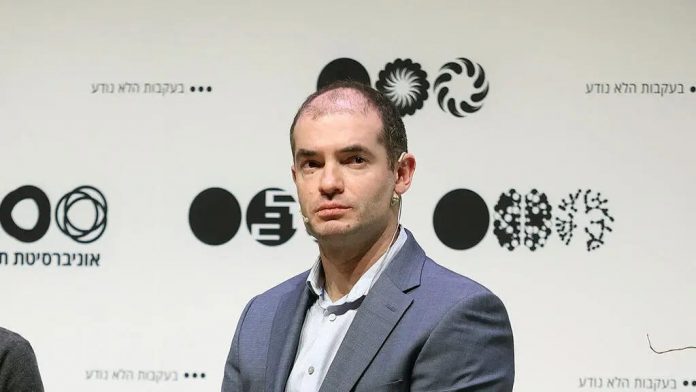
Ilya Sutskever, co-founder of OpenAI and one of the most esteemed AI researchers globally, has launched a new start-up named Safe Superintelligence (SSI) Inc.

This development comes merely a month after Sutskever’s departure from OpenAI, following an unsuccessful attempt to oust its CEO, Sam Altman.

SSI Inc. is positioned as “the world’s first straight-shot SSI lab, with one goal and one product: a safe superintelligence,” according to a statement released on X.

“We approach safety and capabilities in tandem, as technical problems to be solved through revolutionary engineering and scientific breakthroughs. We plan to advance capabilities as fast as possible while making sure our safety always remains ahead,” the statement said.

Sutskever has co-founded this pioneering initiative with Daniel Levy, a former OpenAI employee, and Daniel Gross, an AI investor and entrepreneur with stakes in prominent tech companies like GitHub and Instacart, as well as AI ventures including Perplexity.ai, Character.ai, and CoreWeave.

The founders emphasize that SSI’s mission is singular and undistracted by the need for revenue generation, allowing them to attract top talent dedicated solely to the development of safe superintelligence—an advanced form of AI that could surpass human cognitive abilities. This focus is intended to free the company from the short-term commercial pressures that can compromise safety and ethical considerations.

“Our singular focus means no distraction by management overhead or product cycles, and our business model means safety, security, and progress are all insulated from short-term commercial pressures,” Sutskever said on X.

SSI will operate with headquarters in both Palo Alto and Tel Aviv.

Sutskever’s departure from OpenAI followed a period of internal turbulence at the leading AI company. In November, OpenAI’s board, which included Sutskever at the time, made a controversial decision to oust Altman. The move, which shocked investors and staff alike, was quickly reversed, with Altman reinstated under a new board configuration, leading to Sutskever’s resignation in May. At the time of his departure, Sutskever hinted at an exciting new project that held personal significance for him.

The founders of SSI assert that their exclusive focus on developing safe superintelligence will insulate their work from the distractions of management overhead and product development cycles. This approach harks back to OpenAI’s original mission when it was founded in 2015 as a non-profit research lab aimed at creating beneficial superintelligent AI.

Under Altman’s leadership, OpenAI has transformed from a non-profit research institution into a rapidly expanding business. Despite this growth, the company has faced internal strife regarding its leadership direction and the prioritization of AI safety. Jan Leike, another recent OpenAI departure who worked closely with Sutskever, joined the rival start-up Anthropic, citing growing tensions over the diminishing emphasis on safety protocols at OpenAI.

The Rise of Spin-Offs

SSI is not the first significant spin-off from OpenAI. In 2021, Dario Amodei, formerly head of AI safety at OpenAI, founded Anthropic, a start-up committed to developing safe AI systems. Anthropic has since secured $4 billion in funding from Amazon and hundreds of millions more from venture capitalists, achieving a valuation exceeding $18 billion.

Widening The Safety Concern

The rapid proliferation of AI companies like SSI and Anthropic underlines the urgent need for robust AI regulation. As these companies push the boundaries of AI capabilities, the potential risks associated with superintelligent AI—ranging from ethical concerns to safety and security issues—become increasingly pronounced.

The influx of new AI enterprises necessitates comprehensive regulatory frameworks to ensure that advancements in AI technology are managed responsibly and ethically.

Regulators worldwide are beginning to recognize this need. The European Union’s AI Act, for instance, aims to create a legal framework to manage the risks associated with AI. Similarly, in the United States, there is growing bipartisan support for more stringent AI regulations to safeguard against potential misuse and ensure that AI development aligns with broader societal values.

The announcement of SSI has garnered significant attention within the tech community. Sutskever’s reputation as a leading AI researcher and his instrumental role in OpenAI’s early successes lend substantial credibility to the new venture. This move also highlights ongoing concerns about AI safety and governance within the rapidly evolving industry.

Let the people eat first: Nigerians react as the government announces plan to send first citizen to space

3

The Federal Government of Nigeria has announced an ambitious plan to send the country’s first citizen to space, marking a significant milestone in Nigeria’s space exploration journey.

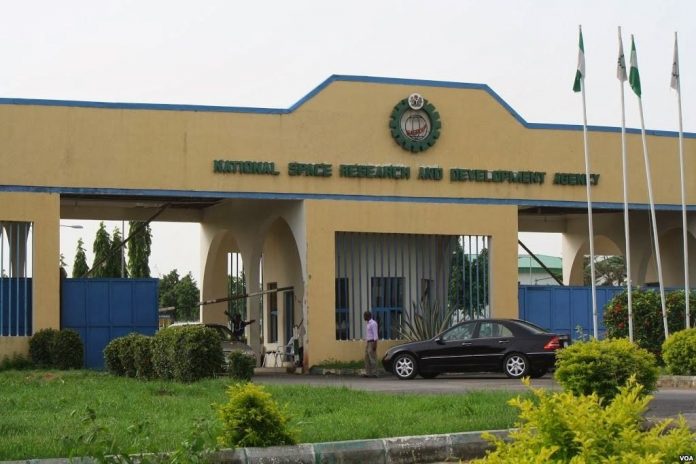
This announcement was made by the Director General of the National Space Research and Development Agency (NASRDA), Mathew Adepoju, during a press conference in Abuja on Wednesday.

Adepoju highlighted that the Federal Government has signed a Memorandum of Understanding (MoU) in collaboration with NASRDA and the Space Exploration and Research Agency.

“This collaboration, which is coming to the country, marks a significant milestone in Nigeria’s 25th anniversary of Space Exploration journey and opens new opportunities for scientific research and technological advancement,” Adepoju stated.

Nigeria’s space journey

Nigeria’s foray into space exploration began in 1999 with the establishment of NASRDA under the administration of former President Olusegun Obasanjo. The agency was founded to develop space science and technology, initially supported by a budget of $93 million.

Over the years, NASRDA has launched several satellites, including NigeriaSat-1 in 2003, which cost $13 million, and its replacement NigeriaSat-2 in 2011, co-launched with NigeriaSat-X from the Yasny military base in Russia.

The country’s most significant space achievement came on May 13, 2007, when Africa’s first communication satellite, NigComsat-1, was launched at an overall cost of $300 million. Despite facing setbacks such as the deorbiting of NigComsat-1 in 2008, its replacement, NigComsat-1R, was successfully launched on December 19, 2011.

These satellites have a design life of seven years and have been instrumental in various applications, from climate data analysis to supporting security operations.

NigeriaSat-X, the first satellite designed and constructed by NASRDA engineers, remains operational and delivers vital services. The space agency has effectively utilized these satellites for various purposes, including agricultural improvement and national security.

Looking ahead, Nigeria’s space program aims to achieve a manned mission by 2030, as announced in 2016 by former Minister of Science and Technology, Ogbonnaya Onu. This goal represents a significant leap in Nigeria’s space ambitions, requiring advanced technological and logistical preparations.

The Nigerian space program’s ambitions extend beyond national borders, aiming to inspire and collaborate with other African nations. Nigeria already shares resources from its space assets, such as providing satellite imagery to Mali, and supports the establishment of an African Space Agency. This collaborative approach reflects a broader vision for Africa to become a significant player in global space exploration.

Let the People Eat First

Despite the grandeur of these plans, the announcement has been met with skepticism and criticism from the public. Many Nigerians have expressed concerns over the government’s priorities, especially due to current economic challenges. Critics argue that the resources allocated for space exploration could be better spent addressing pressing domestic issues such as infrastructure, power supply, and poverty alleviation.

Over the past eight years, Nigeria’s economy has been marked by severe hardships, including rampant unemployment, widespread poverty, and a volatile currency. The naira has depreciated significantly, falling 56% against the dollar over the past year. Inflation rates are soaring, and basic necessities such as food, healthcare, and education are increasingly out of reach for many citizens.

Against this backdrop, the government’s focus on space exploration is seen as misaligned with the immediate needs of the populace.

On social media platform X, users voiced their disappointment and frustration. One user commented, “Look at people that are unable to feed. The nation is about trying to send people to space, all that are just to loot money.”

Another user, Etiosa, remarked, “Oh man, this is rich! We’re struggling to fix our roads and electricity, but space travel? That’s a new level of ‘reach for the stars.’ Don’t worry, it’s just another excuse to ‘blast off’ our hard-earned cash into thin air.”

Samuel Olaoluwa questioned the administration’s priorities, stating, “Power supply is still epileptic across the high-rise city centers in our great country, but the FG is keen on funding a space mission. To what end, if I may ask? What are the priorities of the BAT [Tinubu] led administration in the short, medium & long terms, can someone tell me?”