DD
MM
YYYY

PAGES

DD
MM
YYYY

spot_img

PAGES

Home Blog Page 3232

Nvidia CEO Jensen Huang Networth Soars, Becomes 11th Richest Person in The World

0

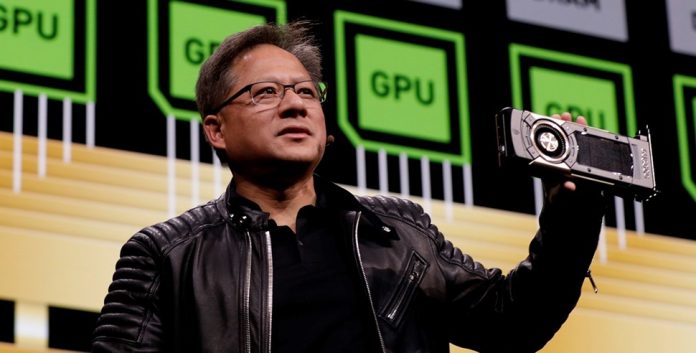
Nvidia’s rise to become the world’s most publicly valuable company has not only positioned it as a transformative leader in the AI industry but has also significantly boosted the net worth of its CEO Jensen Huang.

Reports reveal that Huang’s net worth soared to $119 billion as Nvidia shares traded up more than 3% to $135.70, positioning him as the 11th richest person in the world ahead of India’s richest person Mukesh Ambani.

Huang who owns a 3% stake in Nvidia started the year with a net worth of $77 billion, according the Forbes, before the company’s market cap increased by 177% to $3.33 trillion.

Huang’s rise in the Forbes list has been one that is nothing but spectacular. In 2019, he was estimated to be the 546th richest person in the world. Last year he was worth $21 billion, ranking him as the world’s 76th richest person.

Notably, he owns a 3% stake in Nvidia, translating to over 934 million shares as of June 2024. This substantial ownership makes him the company’s largest individual stockholder. Huang’s net worth is largely tied to his shares in Nvidia, which have seen a tremendous increase in value due to the company’s impressive performance in the stock market.

Huang’s Background Story And The Founding of Nvidia

Jensen Hang’s professional journey started at AMD, where he worked on microprocessor design. This experience laid the groundwork for his future in the tech industry. Although his tenure at the company was brief, however, it was pivotal in shaping his technical expertise and understanding of the semiconductor market.

In the early 1990s, the personal computer (PC) industry was rapidly growing, and there was a burgeoning demand for better graphics capabilities, particularly for gaming and professional applications.

Huang, along with Malachowsky and Prim, recognized the potential for specialized graphics processing units (GPs) to enhance computing power and graphical performance. They saw an opportunity to create a company focused on this emerging market, this spurred the founding of Nvidia in 1993.

Nvidia’s big breakthrough came with the development of the RIVA 128, launched in 1997. It was one of the first graphics cards to combine 2D and 3D graphics in a single chip, providing high performance at a competitive price. The RIVA 128 was a commercial success and established Nvidia as a key player in the graphics industry.

Following the RIVA 128, Nvidia released a series of successful products, including the TNT and GeForce series, which further solidified its position in the market. In 1999, Nvidia went public with an initial public offering (IPO) on NASDAQ. This provided the company with the capital to expand its research and development efforts and continue its growth trajectory.

Huang who co-founded Nvidia in 1993, has reportedly been the driving force behind the company’s strategic growth and innovation. Under his leadership, Nvidia has transitioned from a graphics card manufacturer to a leader in Al and high-performance computing.

His vision and strategic decisions have been crucial in positioning Nvidia at the forefront of technological advancements. Under his leadership, Nvidia has laid out an ambitious plan to upgrade its Al accelerators annually. Huang’s belief in the potential of Al has driven the company to develop advanced hardware and software solutions that are now integral to Al’s development.

His remarkable journey from a Taiwanese immigrant to a tech billionaire, highlights his relentless pursuit for success. As Nvidia continues to thrive, his net worth is poised to surge, possibly earning him a spot among the top five on the Forbes list.
FIT21 Isn’t the Crypto Win You Think it is in the United States

0

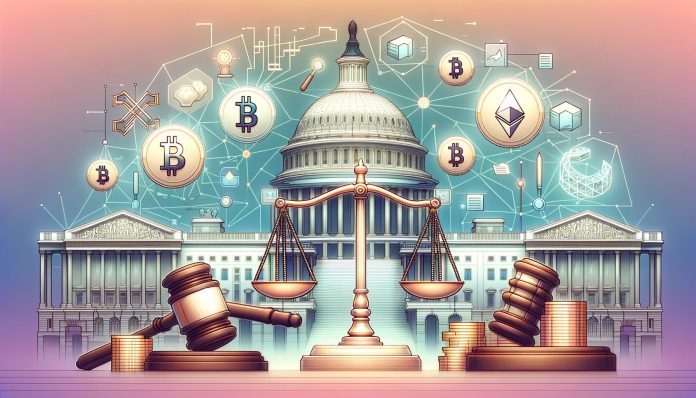
The Financial Innovation and Technology for the 21st Century Act (FIT21) has been a topic of significant discussion and debate within the United States. Passed by the U.S. House of Representatives, FIT21 represents a major legislative step towards establishing a regulatory framework for digital assets in the country. The bill aims to provide clarity on the classification of cryptocurrencies as securities or commodities and delineates the regulatory responsibilities between the Securities and Exchange Commission (SEC) and the Commodity Futures Trading Commission (CFTC).

Here are the key provisions of FIT21:

Delineation of Regulatory Responsibilities: FIT21 seeks to clarify the jurisdictional boundaries between the Securities and Exchange Commission (SEC) and the Commodity Futures Trading Commission (CFTC), which has been a major source of confusion. The SEC will oversee digital assets classified as securities, while the CFTC will regulate commodities and derivatives.

Consumer Protection Measures: The Act includes robust consumer protection measures designed to prevent fraud and market manipulation. It mandates comprehensive disclosure requirements for digital asset issuers and establishes clear guidelines for market participants.

Decentralization Test: A notable feature of the bill is the introduction of a “decentralization test” that will determine whether a token is a security or a commodity. This test allows crypto tokens to decentralize over time to become a commodity.

Prohibition of Agency Overreach: The legislation prohibits agencies from preventing the use of crypto, ensuring that the market remains open and accessible.

Study of Stablecoins: FIT21 requests the Treasury to conduct a study on stablecoins, which could influence future regulations and policies regarding these types of digital assets.

Definition of Decentralized Networks: The Act defines when decentralized networks are no longer considered securities, which could have significant implications for the classification and regulation of various cryptocurrencies.

Certification Process for Decentralized Assets: There is an established process to certify decentralized assets as commodities, which could streamline the regulatory process for new and existing tokens.

However, the reception of FIT21 has been mixed. While some view it as a positive move towards consumer protection and innovation facilitation, others argue that it could lead to regulatory overreach and stifle the growth of the crypto industry. SEC Chair Gary Gensler has expressed concerns that the bill could undermine existing securities regulations and put investors at risk.

The bill’s passage in the House has been seen as a bipartisan effort, with both Democrats and Republicans crossing party lines to support it. This suggests a growing recognition of the importance of cryptocurrency in the financial landscape and the need for clear regulatory guidelines.

Despite the approval from the House, the future of FIT21 in the Senate remains uncertain. There is no counterpart bill in the Senate, and the level of support for such legislation is unclear. The necessary committees have not done the same level of work on crypto, which could delay or even prevent the bill’s passage.

For crypto enthusiasts and investors in the United States, FIT21 represents both hope and concern. On one hand, it promises a more structured and secure market with defined rules. On the other, there is apprehension about the potential for regulatory overreach and the impact on innovation and growth within the crypto space.

As the debate continues, the crypto community will be watching closely to see how FIT21 evolves and what it will mean for the future of cryptocurrency in the United States. The outcome of this legislative process will likely have significant implications for the global crypto market and could set a precedent for other countries looking to regulate digital assets.

Why Nations Remain Poor and the Power of Capital

0

Below, I share a video on why some nations are poor, and why others are rich. It turns out that rich nations operate on CAPITAL while poor ones are configured around money. In those poor nations, money is supreme, with largely nonexistent capital, making it harder to unlock critical enablers to drive growth and prosperity.

Money is a subset of Capital, and companies and nations which allow Money to rule over them underperform. In Nigeria, we’re pursuing too much money, with limited efforts designed to advance Capital. That must change.

Until Nigerian policymakers focus on creating systems for Capital development and evolution over our fixation on Money, we will continue to struggle. When I read our policies on land, agriculture, etc, I see policies geared towards Money, when what we should focus on is how to stimulate Capital, even as we pursue the scaling of money.

Money is a subset of Capital, and companies and nations which allow Money to rule over them underperform. In Nigeria, we’re pursuing so much money, with limited efforts designed to advance Capital, triggering a system where there are many farmlands but no capital market product for farmlands. And without Capital, we scale poverty. When South Africa’s stock (capital) market has close to $1 trillion value, and Nigeria’s is hovering around $50 billion, you can see that we have a lot of money in Nigeria, but limited Capital. That must change.

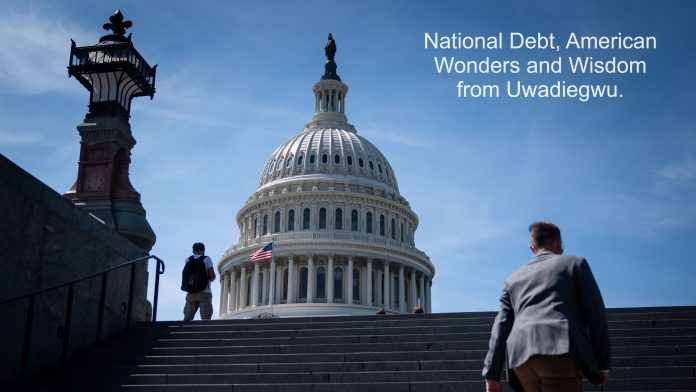
National Debt, American Wonders and the Wisdom from Uwadiegwu

0

It is an anomaly: the nation with the largest debt is also the one that is seen as the most developed and richest. The US national debt  is the total amount of outstanding borrowing by the US Federal Government accumulated over the nation’s history. Today, that number is about $34.75 Trillion.

It is a real economic mystery when you think deeper: Nigeria does not even have a lot of debts, but it is “poor”, and experts will tell you not to over-borrow because it can put you in trouble, if you are unable to pay. So, how can a New Yorker who has thousands of dollars of debt on his head, better than an Ovim man who has no debt? That is where the mystery is solved! Yes, the magic of capital, over money, making the United States better and richer.

First, some experts have modeled that the United States interest payment will hit $1.6 trillion by year end, making it the largest US Government outlay. In nearly every other nation in the world, that would be an economic apocalypse. But for the United States with the custodial of the dollar, the impact would be muted.

Why? In an Igbo novel, Uwadiegwu, the author dropped a great hint: when you borrow, go to your kinsman so that if the debt goes bad, he may lock you up, but at the same time he would be expected to take care of your family since he is your kinsman! That is how debts work: pains are lesser when the debt is home. America borrows dollars and they’re responsible for printing dollars. No other country enjoys that combo.

So, provided the US has those special printers, they can print US dollars, and if necessary, flood the world with dollars. Like the Igbo name “Nwaoha” – a child is born to the community, not just to the parents – the US dollar is a currency for the world, and not just for America. So, when the US prints, and triggers inflation, everyone shares the fun!

Of course, the US companies which hold these debts cannot wish for the US to have pains since if the US goes, companies like Blackrock, State Street, etc will fade. That is possible because these debts are all localized.

Contrast with Nigeria. Nigeria has to earn US dollars to pay its US dollar-denominated debts, and the debts are not with Nigerian companies or entities. Magically, that burden pushes Nigeria to make decisions which must help it earn US dollars to service those debts. Consequently, the agriculture policy focuses on things which can be exported to earn US dollars, and not necessarily what people need for dinner, lunch and breakfast in Ovim, Ibadan, Uyo, and Yobe.

Money is a subset of Capital, and companies and nations which allow Money to rule over them underperform. In Nigeria, we’re pursuing so much money, with limited efforts designed to advance Capital, triggering a system where there are many farmlands but no capital market product for farmlands. And without Capital, we scale poverty. When South Africa’s stock (capital) market has close to $1 trillion value, and Nigeria’s is hovering around $50 billion, you can see that we have a lot of money in Nigeria, but limited Capital. That must change.

Helium Mobile’s Licensing Tech Stack

0

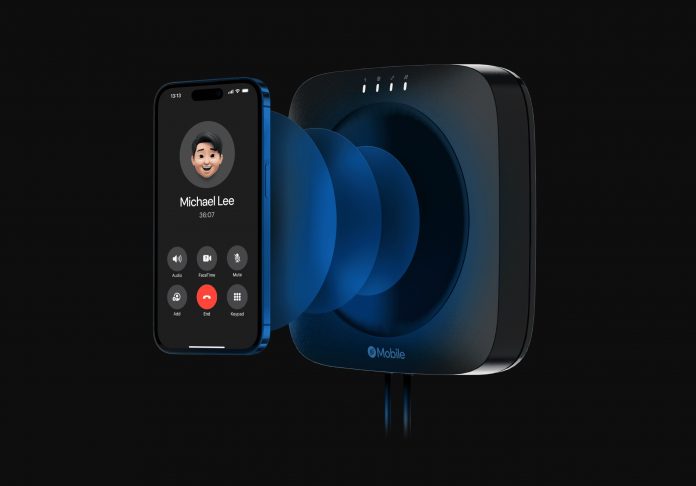
In the rapidly evolving landscape of wireless connectivity, US operating Helium Mobile has emerged as a trailblazer with the launch of its tech stack licensing program, aimed at device manufacturers. This strategic move marks a significant milestone in Helium Mobile’s mission to revolutionize the $3.1 trillion global wireless network infrastructure industry.

Helium Mobile’s licensing program is designed to empower device manufacturers by providing them with access to a comprehensive suite of tools and technologies that streamline the integration of advanced, decentralized connectivity solutions. By leveraging Helium Mobile’s tech stack, manufacturers can bypass the complexities of navigating the Web3 tech environment, allowing them to focus on their core competencies and innovation.

Key Features of Helium Mobile’s Licensing Tech Stack:

Seamless Integration: The Helium Mobile Builder App compatibility ensures that end-customers can effortlessly onboard and manage their hardware, facilitating new devices’ connection to the Helium Network.

Advanced Security: Incorporating robust security features such as TrustZone, Secure Boot, and Full Disk Encryption, the tech stack prioritizes the protection of user data and device integrity.

Trusted Partnership: Helium Mobile offers support and customer-facing management tools, granting license holders a competitive advantage in the fast-paced market of decentralized connectivity.

Continuous Firmware Updates: Access to the firmware that powers Helium Mobile Hotspots, along with ongoing updates, ensures that devices remain at the forefront of technology, delivering optimal performance and security.

Hotspot Dashboard Management: End-customers are provided with a real-time management and monitoring dashboard for their Helium Mobile Hotspots, enhancing the user experience and control over their devices.

The licensing program is not just a technological advancement; it’s a step towards a more connected world. Amir Haleem, CEO of Helium Mobile / Nova Labs, emphasizes that “access to the internet is a basic human right,” and through this initiative, Helium Mobile aims to deliver accessible and cost-effective wireless connectivity to communities globally.

The Helium Mobile Technology Licensing Program is a significant initiative that allows hardware manufacturers to integrate Helium Network-compatible technology into their products. This program is crucial for expanding mobile coverage and building a robust, decentralized network.

While specific names of companies participating in the program are not provided in the available information, it is clear that the program is designed to attract a diverse range of manufacturers. These manufacturers can benefit from advanced firmware, continuous updates, and comprehensive support provided by Helium Mobile.

By joining the program, manufacturers can deliver products that contribute to the expansion of the Helium Network, thereby playing a vital role in diversifying the number of available devices and promoting network growth. The program offers a seamless solution for network builders, enabling them to save time and focus on their core competencies without the distraction of navigating the complex Web3 tech environment.

By expanding the Helium Network through this tech stack licensing program, Helium Mobile is broadening access to community-powered connectivity and affordable wireless service. This is a game-changer for device manufacturers looking to enter the decentralized field with a partner committed to driving progress and empowering individuals and communities. As the first device manufacturer to integrate Helium Mobile’s tech stack, MNTD. sets a precedent for others to follow, showcasing the potential for collaboration and innovation in building a more connected future.

For manufacturers interested in joining the program, it’s recommended to fill out the application form provided by Helium Mobile. Upon approval, completing the necessary documentation, such as W-9, vendor onboarding, and partner agreement, will be the final steps before embarking on this collaborative journey.

Helium Mobile’s Licensing Program is more than just a technological partnership; it’s a commitment to building a more connected world. By participating, manufacturers are contributing to a larger vision of accessible and cost-effective wireless connectivity for communities worldwide.