DD
MM
YYYY

PAGES

DD
MM
YYYY

spot_img

PAGES

Home Blog Page 3237

Germany’s 5G Deal Agreement with China

0

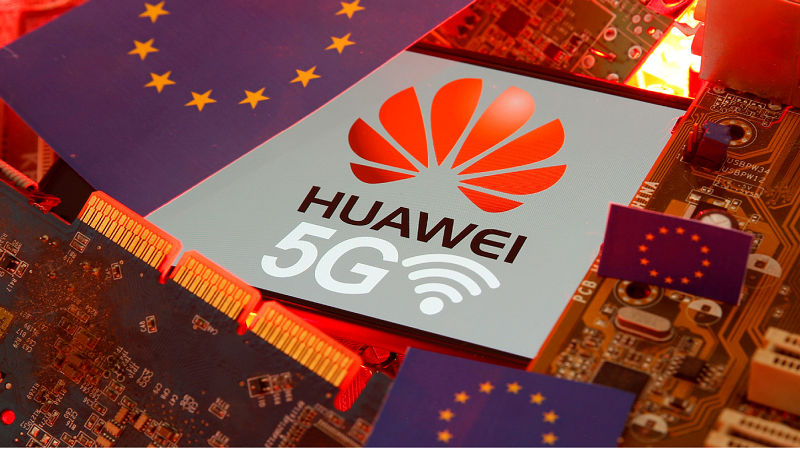
The landscape of global telecommunications is witnessing a significant shift as Germany, Europe’s largest economy, has reached a pivotal agreement regarding its 5G infrastructure. The German government has announced a deal to phase out Chinese-made components from its 5G network, specifically targeting products from Huawei and ZTE. This move is a strategic step to protect the nation’s critical infrastructure and maintain the integrity of its communication systems.

The decision comes after careful deliberation and negotiations with the country’s main network operators, Deutsche Telekom, Vodafone, and Telefonica. The phased approach will see critical components made by Huawei and ZTE barred from Germany’s 5G core networks by the end of 2026, with a complete removal from all parts of the network by the end of 2029. This timeline provides a structured and manageable transition for operators, minimizing disruptions to consumers and businesses alike.

Interior Minister Nancy Faeser has emphasized the importance of this agreement, stating that it is essential for protecting the “central nervous systems” of Germany as a business location. The deal reflects Germany’s commitment to national security and its responsiveness to the concerns of its Western partners, who have been wary of the potential risks associated with Chinese technology in critical infrastructure.

Moreover, Chinese laws, such as the Cybersecurity Law of the People’s Republic of China, compel companies and individuals to assist the state intelligence agency in collecting information upon request. This legal framework raises concerns about the confidentiality and integrity of data transmitted through networks utilizing Chinese technology.

Another risk is the potential for remote sabotage, which could disrupt essential services. For instance, medical devices or automotive systems that rely on 5G connectivity could be compromised, leading to dire consequences. The security protocols within the 5G network, specifically the Authentication and Key Agreement (AKA), have been found to have security insufficiencies, further exacerbating these risks.

The apprehension extends to fears that the technology could be used to facilitate cyber-attacks, disrupting economies and societies. As 5G technology underpins a vast array of critical services and functions, the stakes are incredibly high. The potential for these risks has led several countries to reconsider or restrict the use of Chinese components in their 5G infrastructure, as evidenced by Germany’s recent decision to phase out such components from its networks.

The implications of this agreement extend beyond national security. It signals a shift in the geopolitical landscape, highlighting the growing concerns over the influence of Chinese technology on global communication networks. Germany’s decision may prompt other nations to reevaluate their own 5G strategies and the role of Chinese companies within them.

Moreover, this move could accelerate innovation within the telecommunications sector, as Germany will likely seek alternative suppliers for its 5G components. This opens up opportunities for other global players in the market to contribute to building a secure and robust 5G network in Germany.

Germany’s deal to exclude Chinese components from its 5G networks by 2029 marks a significant moment in the evolution of global telecommunications. It underscores the delicate balance between technological advancement and national security, and it sets a precedent for how countries might navigate the complex web of international relations in the digital age. As the world watches, the effects of this decision will unfold in the years to come, potentially reshaping the future of 5G technology and its governance on a global scale.


Implications of ECOWAS Ruling on Nigeria Aftermath of ENDSARS Protest

0

The recent ruling by the Economic Community of West African States (ECOWAS) Court of Justice on the aftermath of the ENDSARS protests in Nigeria marks a significant moment in the country’s history. The court’s decision, which found the Nigerian government liable for human rights violations during the protests, has far-reaching implications for governance, accountability, and the rule of law in the region.

The ENDSARS protests, which erupted in October 2020, were a public outcry against police brutality, specifically targeting the Special Anti-Robbery Squad (SARS). The movement quickly gained momentum, with thousands of Nigerians, especially the youth, taking to the streets in demand for justice and an end to the abuse of power by security forces. The protests were largely peaceful until the tragic events at the Lekki Toll Gate, where security forces were reported to have opened fire on demonstrators.

The ECOWAS Court’s ruling acknowledges the violations of human rights that occurred during these protests, particularly at the Lekki Toll Gate. The court mandated the Nigerian government to pay compensation to the victims and upheld the rights to peaceful assembly and freedom of expression as fundamental human rights protected under international law.

This landmark judgment not only serves as a reminder of the importance of human rights but also emphasizes the need for governments to handle civil unrest with restraint and respect for the rule of law. It highlights the role of regional bodies like ECOWAS in upholding justice and human rights standards.

The implications of this ruling are profound:

Accountability: The decision sets a precedent for government accountability in the region. It sends a clear message that states cannot act with impunity, and there are consequences for the violation of citizens’ rights.

Compensation and Remedy: By mandating compensation, the court recognizes the need for reparations to the victims. This aspect of the ruling underscores the principle that victims of human rights abuses should be made whole to the extent possible.

International Human Rights Standards: The ruling aligns with international human rights standards, reinforcing the obligations of states to protect the rights of their citizens and to conduct themselves according to the dictates of international law.

Civil Society and Advocacy: The judgment is a victory for civil society and advocacy groups that have been relentless in their pursuit of justice for the victims of the ENDSARS protests. It validates their efforts and underscores the importance of civil society in holding governments accountable.

Government Response: The Nigerian government’s response to the ruling will be closely watched. It will be a test of the government’s commitment to the rule of law and its willingness to implement the court’s decisions.

Regional Influence: The ECOWAS Court’s ruling could influence other countries in the region to take human rights more seriously, potentially leading to broader reforms in governance and law enforcement practices.

The ECOWAS Court’s ruling on the ENDSARS protests is a watershed moment for human rights and governance in West Africa. It reaffirms the power of judicial mechanisms and regional cooperation in addressing human rights violations and sets a standard for government conduct during civil protests. As Nigeria and other ECOWAS member states reflect on this ruling, it is hoped that it will lead to positive changes that strengthen the protection of human rights and the rule of law across the region.

Nigerian Supreme Court Orders Direct Federal Allocation to Local Governments in Landmark Judgment

0

In a landmark ruling aimed at promoting transparency and accountability in the administration of public funds, the Supreme Court of Nigeria has ordered the federal government to pay allocations directly to local government councils (LGAs) from the federation account.

This decision is intended to bypass state governments, which have been accused of retaining and misusing funds meant for local government areas.

Delivering the judgment on Thursday, a seven-member panel of justices, led by Justice Emmanuel Agim, held that state governments have consistently abused their powers by retaining and using funds allocated to LGAs. The court held that states are mandated to ensure that their local government councils are democratically elected and that governors cannot use their powers to dissolve these councils arbitrarily.

“The amount standing to the credit of local government councils must be paid by the federation to the local government councils and not by any other person or body,” Justice Agim stated. “The said amount must be paid to local government councils that are democratically elected.”

The apex court also ruled that allocations to LGAs governed by unelected officials appointed by governors should be withheld.

Furthermore, the court issued an injunction restraining state governments from collecting funds belonging to local government councils in the absence of democratically elected councils.

The Judgment’s Backstory

The federal government initiated the suit against governors of the 36 states in May, seeking full autonomy for the country’s 774 local governments.

The suit, marked SC/CV/343/2024, was filed by Lateef Fagbemi, Attorney-General of the Federation (AGF) and Minister of Justice, on 27 grounds. The federal government argued that the constitution recognizes federal, state, and local governments as three tiers of government, each entitled to funds from the federation account.

The federal government contended that efforts to compel governors to comply with the 1999 Constitution’s requirement for democratically elected local government systems had failed. Continuing to disburse funds to governors for non-existing democratically elected local governments was seen as undermining the constitution’s sanctity.

Reactions

Oluseun Onigbinde, Director of the civic organization BudgIT, praised the Supreme Court judgment, describing it as a significant step towards constitutional democracy and accountability.

“I urge the federal government to clarify the state of State Independent Electoral Commissions (SIECs) to build trust in the electoral system. A comprehensive tax policy that makes LGAs more viable is also needed. Most LGAs need help to bear the nationwide burden of primary health and education standards in their current fiscal state,” Onigbinde said.

However, not everyone agreed with the judgment. Former Delta State governor, James Ibori, criticized the ruling as a setback for the principle of federalism as defined by section 162(3) of the 1999 Constitution (as amended). He argued that the constitution explicitly provides for the distribution of funds among the federal, state, and local governments through state joint local government accounts.

“The Apex Court’s ruling on the matter is an assault on true federalism. The federal government has no right to interfere with the administration of local governments under any guise whatsoever. There are only two tiers of government in a federal system of government,” Ibori stated.

Ibori outlined several implications of the ruling, highlighting its potential to shift the balance of power and erode state autonomy. He outlined them as follows:

  1. Constitutional Interpretation: The ruling appears to contradict the explicit provisions of Section 162 of the 1999 Constitution, raising questions about judicial interpretation.
  2. Balance of Power: Allowing federal intervention in local government finances centralizes more power at the federal level, contrary to federalism principles.
  3. State Autonomy: This decision could erode state autonomy, as states are meant to control their internal affairs, including local government administration.
  4. Financial Independence: The ruling may impact the financial independence of states and local governments, potentially allowing the federal government to use financial intervention as a political tool.
  5. Precedent Setting: The decision could set a precedent for further federal interventions in state governance, leading to a more centralized government system over time.

“In the coming days, we will begin to fully understand the implications of the Supreme Court decision. An assault on the constitution is not the answer to fiddling with the Joint LG Acount,” Ibori said.

“If the ruling is saying Governors cannot temper, touch, fiddle with the Joint Accounts, that’s fine because they shouldn’t be doing that in the first place. But asking the Federal Government to pay Local Governments allocations to the account of the Local Government directly will lead to utter chaos and avoidable friction in governance,” he added.

Concerns over Potential Mismanagement

While the ruling aims to ensure democratic governance at the grassroots level, there are concerns that it could inadvertently empower local government chairmen to mismanage or embezzle public funds. Critics argue that without proper oversight and accountability mechanisms, direct allocations to LGAs could lead to widespread corruption and theft of scarce resources.

Despite these concerns, supporters of the ruling believe it will promote greater transparency and efficiency in the use of public funds. They argue that direct allocation to LGAs will ensure that funds are used for their intended purposes, such as improving local infrastructure, education, and healthcare services.

NNPC Makes Fresh Move to Borrow $2bn, While Counterpart, Saudi Aramco, Declares Huge Profits

0

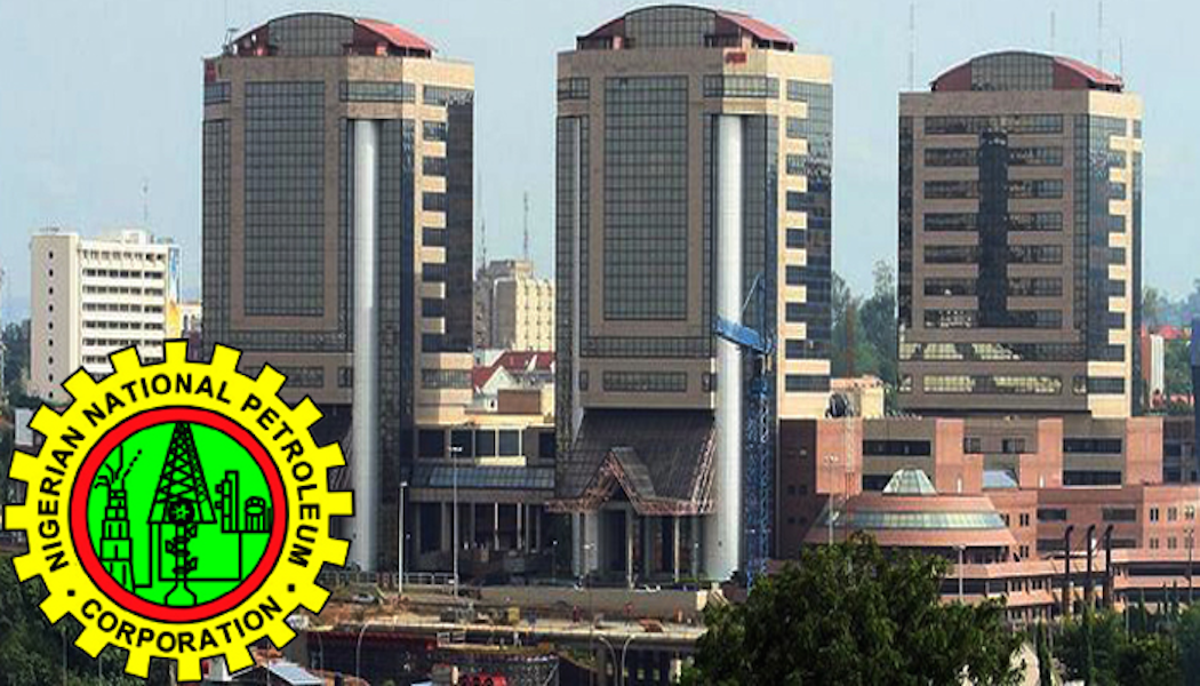
In a development that underscores its financial struggles, the Nigerian National Petroleum Corporation (NNPC) is seeking to borrow an additional $2 billion through crude oil-backed loans from international creditors.

This move, confirmed to Reuters by sources familiar with the matter, has sparked significant concerns about the company’s financial health and ability to manage resources efficiently.

In a statement to Reuters, NNPC’s Group Chief Executive Officer (GCEO), Mele Kyari, revealed that the national oil company is in talks with international creditors to secure an oil-backed credit facility. This move comes on the heels of a recent report that NNPC is struggling with a backlog of $6 billion owed to international oil traders following the removal of fuel subsidies.

Kyari explained that the credit facility is intended to boost the company’s finances and support investments in the oil and gas sector. He added that the cash raised would be used for all of NNPC’s business activities, including efforts to increase production growth.

However, he refrained from disclosing the specific international financial institutions involved or the exact amount NNPC aims to raise.

“We have no problem covering our gasoline payments. This is just money for normal business and not a desperate act. It will be a syndication with critical but regular partners who have been in business with our company to forward the cash,” Kyari stated.

The company’s financial burden has increased due to the need to cover the landing cost of petrol while maintaining price stability at the pump.

NNPC’s current financial predicament is not new. The company already holds a $3.3 billion oil-backed loan from Afreximbank, secured in August 2023. This loan was intended to shore up the country’s foreign exchange reserves following the removal of fuel subsidies and the unification of the forex market, which significantly weakened the naira.

The loan, set against crude oil valued at $65 per barrel, earmarked approximately 90,000 barrels of crude oil for repayment.

Despite this substantial loan, NNPC’s financial challenges have only deepened. Rising fuel subsidy costs and the need to maintain price stability amid fluctuating international crude oil prices and a weakening naira have further strained the company’s finances.

According to five sources cited by Reuters, the new $2 billion loan under discussion is deemed essential for NNPC to manage and pay off these escalating subsidy expenses.

Debt to Oil Traders

NNPC’s debt to international oil suppliers stands at a staggering $6 billion. This has led to a situation where some traders have withdrawn their refined products due to delayed payments.

The company has failed to pay for some imports dating back to January, with traders indicating that the overdue payments now range between $4 billion and $5 billion. Under the terms of their contracts, NNPC is required to settle these debts within 90 days of delivery, a deadline it has repeatedly failed to meet.

Underinvestment and Production Challenges

Nigeria’s oil and gas sector, which is the primary revenue source for the federal government, is plagued by significant underinvestment. Major oil companies are increasingly reluctant to explore Nigeria’s shores due to rampant oil theft and a hostile economic climate.

This reluctance has severely hindered efforts to increase crude oil production to an estimated 2 million barrels per day, a target crucial for leveraging international oil prices and securing sufficient foreign exchange earnings.

In a telling move, TotalEnergies redirected a $6 billion investment to Angola instead of Nigeria, citing these persistent issues. This decision highlights the broader challenges facing Nigeria’s oil and gas sector and the urgent need for a more conducive investment environment.

Comparison with Saudi Aramco

In stark contrast, Saudi Aramco, Saudi Arabia’s national oil company, has consistently reported record-breaking profits. In March, Aramco announced a profit of $121 billion for the previous year, following a historic $161 billion profit in 2022.

These figures likely represent the largest profits ever reported by a publicly traded company. Aramco’s success is attributed to its efficient management, strategic investments, and ability to capitalize on global oil market dynamics, particularly during the price surge driven by the Russian-Ukraine war.

Analysts noted that NNPC’s inability to leverage the same oil windfall highlights significant inefficiencies in its operations and management. While Saudi Aramco thrived amid global market fluctuations, NNPC struggled to maintain financial stability, manage debts, and attract investment.

The contrast between the two companies is said to underline the management failures within NNPC, particularly in its handling of financial resources, investment strategies, and operational efficiency.

X Has Secured Money Transmitter Licenses For Payments in 31 U.S States

1

In a significant move towards expanding its financial services, X (formerly Twitter) has obtained money transmitter licenses for payments in yet another U.S. region, within the District of Columbia. This latest license brings the total number of jurisdictions where X can legally operate to 31 states across the U.S.

These states include; New Hampshire, South Carolina, North Carolina, South Dakota, Rhode Island, Pennsylvania, West Virginia, Connecticut, New Mexico, Mississippi, Tennessee, Louisiana, Maryland, Nebraska, Kentucky, Wyoming, Arkansas, Colorado, Michigan, Missouri, Georgia, Nevada, Arizona, Virginia, Kansas, Oregon, Florida, Illinois, Utah, Iowa, and Ohio.

The acquisition of payment licenses marks a pivotal step in X’s broader ambition to integrate financial services into the social media platform, thereby providing users with seamless payment solutions. This aligns with Musk’s vision to transform X into an “everything app”, capable of also handling financial transactions similar to PayPal or Apple Pay.

Since Musk’s $44 billion acquisition of Twitter in October 2022, the platform has undergone significant changes, including its rebranding to X. The push for money transmitter licenses aligns with Musk’s ambitious plans to expand the platform’s capabilities beyond social media.

Recent documents related to these licenses revealed that X plans to integrate a Venmo-like feature that will allow users to store money on their X accounts, pay or transfer money to other users or businesses, and buy products and services in physical stores. Musk earlier said the payments feature is anticipated to go live in mid-2024, but details on the launch date are still not clear.

The company intends to charge minimal fees for its payment services, aiming to boost user engagement and participation. Also, it plans to generate revenue primarily through merchant fees and banking services, including checking accounts.

According to reports, Musk had initially hoped to launch payments on X globally by the end of this year, but he had since had to scale that ambition back to U.S only payments, due to initial pushback from U.S. state authorities.

While X Payments has now secured money transmitter licenses in 31 states, this is the first stage of facilitating transactions in the app, and it still has to get full approval. After transmitter licensing, X will then proceed to secure payment processor approval in each state as well, which is required if the platform wants to facilitate direct shopping in-stream.

A major part of Elon Musk’s plan for expanding X into an “everything app” has been grafting a payments network onto its main social networking service. Musk has often said that X needs revenue other than advertising, which has historically made up more than 90% of sales. He also said that X could become the largest financial institution in the world.

The license documents reveale that X doesn’t plan to charge significant fees for its payment services, though, and the company has told regulators it sees offering payments as a way to boost its business through “increased participation and engagement” on the app.

By securing money transmitter licenses, X is demonstrating its commitment to regulatory compliance and the safety of its users’ financial transactions. This move is likely to strengthen user trust and position X as a formidable player in the evolving landscape of digital payments.

As X continues to innovate and expand its services, the integration of payment capabilities is expected to create a more versatile and user-friendly platform, catering to the diverse needs of its global user base.