DD
MM
YYYY

PAGES

DD
MM
YYYY

spot_img

PAGES

Home Blog Page 3241

Why Are These Crypto Whales Buying Shiba Inu (SHIB), JasmyCoin (JASMY), And This Token? Find Out

0

Analysts say it’s the bull run, but meme coins are truly running the show. JasmyCoin (JASMY) has been in the spotlight since recording 100% gains in May, and even the Shiba Inu (SHIB) is getting into bullish zones already. The memecoins might be unstable, but they sure are fun to watch.

As usual, traders are locked between top meme coins, but a new DeFi coin is coming into the limelight. Decisions, decisions, but let’s see what the market’s telling us!

Is Shiba Inu Making a Comeback Already?

While the meme coin sector has been at the center of crypto news for most of 2024, Shiba Inu has only enjoyed modest pumps. Even analysts haven’t had much to say on the top meme token, as Shiba Inu price predictions for 2024 have been pretty unimpressive.

However, all that could change in the next few days as the SHIB whales attempt to pull Shiba Inu’s price back to profits. The token supply on exchanges is reducing, and with the recent rise in dormant accounts, a bullish move from SHIB could be on the cards again.

CoinMarketCap places Shiba Inu’s price at $0.00002536, as the token is consolidating for the spike. As much as a bullish trend is incoming, SHIB could also miss out on the streak if its trading price falls below $0.0000207. The many conditions are why many investors run away from meme tokens.

JASMY Keeps Its Upward Movements Still

Much like Pepe in May, JasmyCoin seems to be holding out for a strong month in June. The token sparked interest with a 100% ROI last month, and its timeframes are still screaming bullish at the moment.

Analysts identified significant resistance levels for JASMYs price earlier in the week. FXLeaders report that $0.039 and $0.042 were crucial to JASMY’s growth, and crossing both levels could see the token move up to $0.045 in a few days.

Meanwhile, JasmyCoin whales have been accumulating their tokens ever since, and they might be seeing results any minute.

JasmyCoin trades at $0.043 now, and it looks to be clear of its resistance levels already. JASMY community leader “Steph Is Crypto” tips the token for 700% spikes in the next few weeks. According to him, JASMY’s price can hit $0.30 before the bull run fizzles out.

While the meme coins are doing the numbers, this new project is matching them figure-for-figure!

RCO Finance: Unlock All Your Trading Potential With AI on Your Side!

Meme coins make for great entertainment, but not for long. If anything, meme traders often look for the next breakthrough token.

RCO Finance might suit any crypto user looking for stable investments. Sure, the crypto-verse could get volatile at times, but trading with RCO Finance promises a smooth, safe trading experience.

That’s because RCO Finance offers an AI-powered robo advisor who guide you throughout your crypto investment journey by analyzing the market and executing trades for you.

Moreover, like many DeFi platforms, there are no KYC registrations on RCOF. You remain anonymous on the platform, enjoying the best of decentralized and centralized finance systems.

With over 120,000 trading instruments available to users, you can provide liquidity for any trading pair you wish. The liquidity pools facilitate seamless trading swaps, and the best part is that your deposits earn you interest the more liquidity pools are used on the platform.

High Yields on RCOF Investments!

Fortune favors the brave for meme coins and the quick for DeFi projects. There’s reduced risk on RCOF compared with Shiba Inu or JasmyCoin, but you have to get in early for the maximum gains.

The RCO Finance presale is still in Stage 1; there’s ample opportunity waiting, as the presale is set to offer about 3,000% ROI when the token launches on major crypto exchanges.

So don’t sit still; get your RCOF tokens while they are still worth $0.0127, and watch their value rise exponentially!

For more information about the RCO Finance Presale:

Visit RCO Finance Presale

Join The RCO Finance Community

The Party with the Neigbouring Countries for Nigeria As Naira Struggles

0

“The exchange rate plays a big role in determining the demand or the purchasing power of the people,..As the value of the Naira declines, Nigerian-made goods become cheaper within the [West African] region. This encourages people from neighboring countries to purchase goods from Nigeria. While we often lament that the exchange rate negatively impacts imports, it positively affects exports.

 “For the first time, Nigeria has a net export gain vis-à-vis her neighboring countries. What used to drive Nigerians to other countries is now drawing them to Nigeria,” – Comptroller Timi Bomodi, the Customs Area Controller of the Seme Command, Nigeria.

Nothing but the truth. So, the question becomes: what can you produce which Nigeria’s neighbours need? If your raw materials could be sourced locally, great things will happen.

Good People, what is happening in Nigeria could be a massive opportunity for some people because a weakened currency opens a big party for outsiders to converge.

The Seme Command’s role in promoting trade within this corridor underscores the broader economic benefits of the Naira’s devaluation.

As neighbouring countries increasingly seek Nigerian goods, the local manufacturing sector gains momentum, potentially leading to broader economic growth and development. 

The positive export trends observed by the Seme Command reflect a nuanced understanding of currency devaluation’s role in international trade, highlighting both challenges and opportunities for Nigeria’s economy. 

Practical Tips for Budgeting Your Alabama LLC Setup: Keep Costs Down and Value Up

0

Setting up a Limited Liability Company (LLC) in Alabama can be exciting for entrepreneurs.

However, managing expenses during setup is crucial to ensure your business starts on solid financial ground. This guide offers practical budgeting tips effectively when establishing your Alabama LLC, aiming to maximize value while minimizing costs. Proper budgeting helps avoid unnecessary expenses and positions your business for better financial management and smoother operational transitions.

Understand Alabama’s LLC Costs

A crucial part of setting up an LLC is understanding Alabama LLC costs, which include various mandatory fees and taxes.

Initial Filing Fees

The first step in forming your LLC is to file the Articles of Organization with the Alabama Secretary of State. Currently, the state requires a filing fee, which varies slightly depending on whether the filing is done online or through mail. Knowing the exact fee beforehand allows you to allocate funds accurately. It’s important to include this in your initial budget planning to avoid surprises and consider checking for any fee changes at the beginning of each fiscal year, as state fees can vary.

Annual Report and Business Privilege Tax

Alabama LLCs must file an annual report and pay a Business Privilege Tax. This tax is calculated based on your LLC’s federal taxable income apportioned to Alabama. Setting aside funds for this annual obligation ensures you won’t face penalties or fees for late payments. Preparing for this recurring cost involves understanding how it’s calculated—including factors like your LLC’s income and deductions—and using budgeting software or spreadsheets to project future payments.

Choose Cost-Effective Business Services

Legal and Professional Fees

While it’s tempting to hire experts for every aspect of your business setup, consider which services truly need professional help:

  • Legal advice for drafting your operating agreement or handling complex matters.
  • Accounting services to set up your initial books and advise on tax obligations.

Balancing the cost and benefit of hiring professionals is key. For instance, legal templates can suffice for standard agreement drafts, but investing in a specialized attorney could prevent costly issues down the line for unique situations or complex legal structures.

DIY Where Possible

Many aspects of the LLC setup process can be handled on your own with careful research:

  • Utilize state websites for direct information and downloadable forms.
  • Draft your own Articles of Organization using templates tailored to Alabama law.

This hands-on approach not only saves money but also increases your understanding of your business’s legal and operational framework, empowering you to manage many aspects of its governance more effectively.

Budget for Ongoing Compliance

Regular Business Expenses

After setting up your LLC, certain ongoing expenses need to be considered in your budget:

  • Registered Agent fees: Alabama law requires LLCs to maintain a registered agent. If you decide to use a service, shop around for competitive pricing.
  • Renewal fees: Keep track of business license and permit renewal fees to avoid late penalties.

Forecasting these expenses for the first few years can significantly reduce the risk of financial strain. Regularly reviewing and adjusting your budget to accommodate these costs helps maintain compliance without disrupting your cash flow.

Save for Taxes and Fees

Set aside a monthly or quarterly budget for your annual tax obligations to avoid a large end-of-year expense. Consider opening a dedicated business savings account to earmark funds for these specific purposes. This method ensures that funds are available when needed and helps in better financial reporting and tax preparation, making it easier to handle business finances efficiently.

Utilize Free and Low-Cost Resources

State and Local Resources

Make use of free resources offered by Alabama’s state agencies:

  • The Alabama Small Business Development Center (SBDC) offers free counseling and training programs.
  • Local chambers of commerce can provide networking opportunities and business advice at minimal cost.

Engaging with these resources can provide invaluable insights into local business trends, regulatory changes, and networking opportunities, which are essential for a burgeoning enterprise.

Online Tools and Software

Leverage affordable or free software to manage business operations:

  • Accounting software with free tiers or low-cost subscriptions can help manage your finances.
  • Project management tools can streamline business processes without the need for high-priced versions.

Many of these tools offer scalable features. You can start with a free or low-cost base service and upgrade as your business grows, thus keeping initial costs low while benefiting from organizational efficiencies.

Conclusion

Careful budgeting for your Alabama LLC setup is not just about cutting costs—it’s about investing wisely in the areas that offer the most value for your new business. By understanding the specific expenses associated with forming and maintaining an LLC in Alabama, choosing cost-effective services, and utilizing available resources, you can ensure a solid foundation for your business endeavors without overspending. Starting your LLC with a strategic approach to spending will pay dividends in the stability and growth of your business in the years to come.

With thoughtful planning and resource allocation, you can navigate the complexities of business setup and compliance, ensuring a prosperous future for your LLC in Alabama.

New President of Mexico will Prioritize Relationship with the US

0

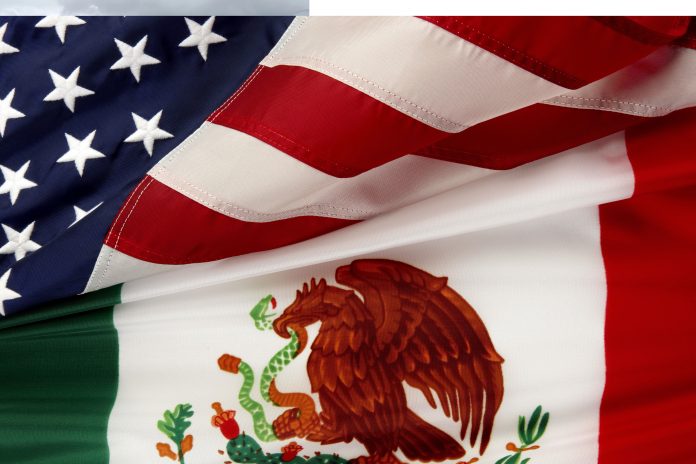
Mexico’s newly elected president, Claudia Sheinbaum, has stepped into her role with a clear vision for the future of Mexico’s international relations, particularly with its northern neighbor, the United States. The focus is on enhancing cooperation on critical issues such as migration, trade, and the pressing challenge of fentanyl trafficking. However, Sheinbaum’s administration recognizes that a proactive engagement strategy must extend beyond Washington to ensure comprehensive international relations.

The election of Claudia Sheinbaum as Mexico’s new president marks a significant moment in the country’s political landscape. With a strong mandate to continue and enhance the policies of her predecessor, Sheinbaum’s administration faces the challenge of addressing complex issues that have long-standing implications for both Mexico and its relationship with the United States.

One of the critical areas of focus for the new administration is the bilateral relationship with the U.S., particularly concerning migration, trade, and the pressing issue of fentanyl trafficking. The shared problems of global migration and drug trafficking have tested the resilience of the U.S.-Mexico relationship, necessitating a collaborative approach to develop effective strategies and policies.

Migration has long been a central theme in U.S.-Mexico relations, with both nations seeking sustainable solutions to the complex challenges it presents. Sheinbaum’s approach aims to address the root causes of migration, advocating for economic development and stability in regions that traditionally see high levels of emigration.

Trade between the two countries has been robust, underpinned by the United States-Mexico-Canada Agreement (USMCA). Sheinbaum’s presidency is expected to continue supporting this framework, promoting economic growth and job creation while also looking to diversify Mexico’s trade partnerships globally.

The fentanyl crisis poses a significant threat to public health and safety in both nations. The new administration is committed to intensifying efforts to combat the trafficking of this dangerous synthetic opioid, working closely with U.S. agencies to disrupt the supply chains and reduce the availability of illicit drugs.

Sheinbaum’s victory presents an opportunity for Mexico to redefine its engagement with the U.S. and other global partners. The proactive engagement beyond Washington is not just a necessity but a strategic move to diversify Mexico’s international relations and strengthen its role in global affairs. This approach aligns with the shifting geopolitical trends and the need for Global South bridge-builders in a turbulent world.

However, recent tensions and the potential threats to free trade agreements highlight the need for a renewed dialogue and negotiation to safeguard mutual interests. The new president’s stance on trade will be closely watched, as it will influence the economic dynamics between the two countries and beyond.

The deadly opioid has been linked to a high number of overdoses in the U.S., with Mexico and China being primary sources for synthetic fentanyl trafficked into the U.S. Addressing this challenge requires a concerted effort to combat organized crime and reduce the flow of illicit drugs across borders.

The new president’s commitment to working relations with the U.S. on critical issues is a step in the right direction. However, the success of these efforts will depend on the ability to engage proactively with a broader range of international partners and

Nigerian Government Concludes Sale of Five Power Plants for $1.15bn

0

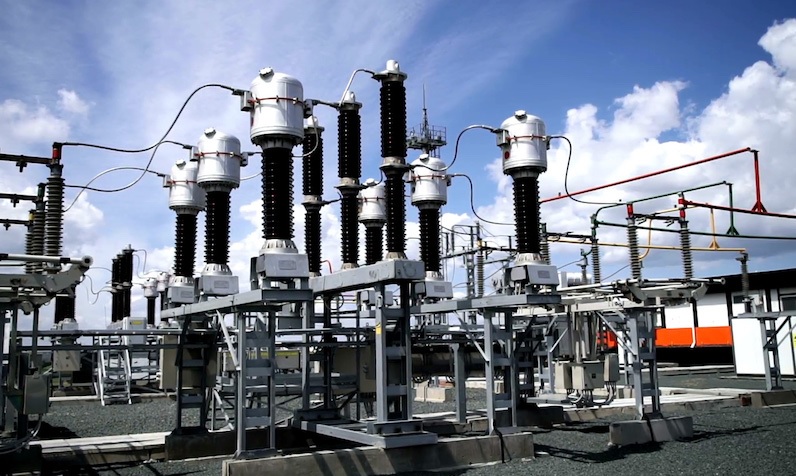
The Federal Government of Nigeria has finalized the sale of five power plants under the National Integrated Power Projects (NIPPs) for approximately $1.15 billion.

This was disclosed by the Minister of Power, Adebayo Adelabu, at the BusinessDay “Powering Nigeria’s Energy Future: Addressing Infrastructural Challenges for Sustainable Energy Development” Conference held in Lagos.

The bidding process for the power plants has been completed, and a final report has been submitted to the National Council of Privatization (NCP), chaired by Vice President Kashim Shettima. The plants sold include the Omotosho and Olorunsogo plants, which fetched about $85 million and $170 million, respectively.

Adelabu confirmed, “The sale of these power plants marks a significant step in our efforts to improve the power sector. The funds generated will be used to support national economic objectives.”

The decision to sell these power plants came after prolonged disputes and legal battles. In December 2022, the federal government and the 36 state governors agreed to sell the NIPPs to fund the 2023 budget. This agreement followed over two years of negotiations and opposition from various groups.

Former Director-General of the Bureau of Public Enterprises (BPE), Alex Okoh, previously disclosed that an agreement had been reached between the Federal Government and the states regarding the sale of the NIPPs. However, the announcement faced opposition from various stakeholders.

Discussions about the sale of the NIPPs have been ongoing for years, with significant milestones reached in April 2021 when the National Council on Privatization approved the fast-track sale of five NIPPs. In March 2022, the Nigerian National Petroleum Corporation (NNPC) showed interest in acquiring some of these power plants.

Nigeria’s Struggle for Steady Power Supply

Nigeria’s journey towards a steady power supply has been fraught with challenges. Despite being one of the largest economies in Africa, the country has struggled with chronic power shortages and frequent blackouts, which have significantly hindered economic growth and development.

The national grid, generating less than 5,000 MW, has often been unable to meet the demand, resulting in frequent outages. The lack of reliable power has forced many businesses and households to rely on expensive and polluting diesel generators, adding to operational costs and environmental issues.

Efforts to reform the power sector have included attempts to improve generation capacity, modernize infrastructure, and enhance distribution efficiency. However, these efforts have often been hampered by inadequate investment, corruption, and bureaucratic inefficiencies.

To address these issues, the Nigerian government has embarked on a comprehensive strategy to revitalize the power sector through privatization. The sale of the five NIPP plants is a crucial part of this strategy. By transferring ownership to private entities, the government aims to attract more investment, improve management efficiency, and ultimately provide more reliable power to consumers.

The privatization process is expected to bring in much-needed capital for upgrading infrastructure, expanding capacity, and deploying advanced technologies. It is also anticipated that private operators will implement better governance practices, reducing inefficiencies and losses that have plagued the sector.

The privatization plan is the major reason the government recently increased tariffs for Band A electricity customers.

The Nigerian Electricity Regulatory Commission (NERC) has approved a significant increase in electricity tariffs, from N66/N77 per kilowatt-hour to N225 starting in April. This adjustment aims to reduce electricity subsidies by about N1.14 trillion in 2024. Initially, the federal government had estimated that N1.6 trillion would be spent on electricity subsidies in the 2024 fiscal year.

Metering Initiative

In addition to the power plant sales, Adelabu highlighted the government’s efforts to improve metering for electricity customers. He announced an N20 billion fund for the procurement of meters for unmetered Band A electricity customers, who receive 20-24 hours of electricity supply daily. The goal is to complete this full-scale metering by the end of September.

“We are releasing N20 billion for the electricity distribution companies to procure meters for the unmetered Band A customers before the end of September,” Adelabu stated.

The Nigerian Electricity Regulatory Commission (NERC) reported that over seven million electricity customers in Nigeria remain unmetered. The government aims to inject 1.5 million meters into the power sector through the World Bank Distribution Support Recovery Program and ensure an additional two million meters annually for the next five years through the Presidential Metering Initiative. The World Bank has released a $500 million loan to the government for the project.