DD
MM
YYYY

PAGES

DD
MM
YYYY

spot_img

PAGES

Home Blog Page 3242

Tinubu Inaugurates N21bn Vice President’s Residence Amid Economic Hardship in Nigeria

0

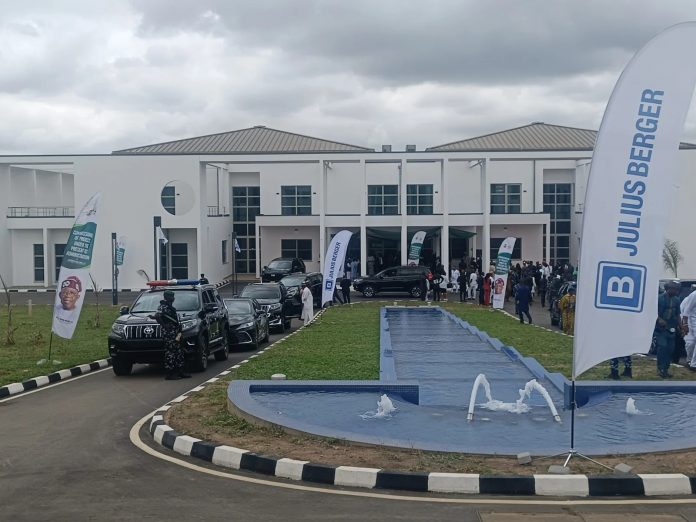
President Bola Tinubu, represented by Vice President Kashim Shettima, inaugurated the vice president’s official residence on Friday. The project, completed at a cost of N21 billion, took 14 years from the initial award to its completion.

During the inauguration ceremony, Tinubu emphasized his administration’s commitment to accountability, transparency, and efficient resource utilization. He noted that completing the vice president’s residence during a period of economic hardship demonstrates his commitment to fulfilling promises to Nigerians.

Tinubu highlighted that providing a suitable residence for the vice president is not merely about convenience but is a symbol of respect for the office and its occupants. He noted that the project’s completion reflects the respect and affection he has for the vice president.

“President Bola Tinubu deserves special commendations. We have seen how vice presidents were treated in the past. With the present dispensation, it is a different ball game,” Shettima remarked on behalf of Tinubu.

The project faced numerous delays and was abandoned by previous administrations. Initially awarded in 2010 at a cost of N7 billion, the project was left unfinished in 2015.

“Rather than dwell on past shortcomings, we have chosen to take this opportunity to demonstrate our resolve to confront obstacles head-on,” Tinubu said. “As we commission this state-of-the-art edifice, the official residence of the vice-president, we are fulfilling a long-standing commitment and reaffirming our unwavering dedication to accountability, transparency, and efficient utilization of resources for the betterment of our nation.”

FCT Minister Nyesom Wike provided additional details on the project’s history, explaining how in January 2024, the project cost was reviewed to N21 billion, requiring a further N14 billion.

“It was in January this year (2024) that we had to review the project to N21 billion, from N7 billion, which means an additional N14 billion,” Wike said. “For a vice-president’s residence to take 14 good years and then Mr. President, within a year, made it a reality; this is what is called ‘renewed hope.’”

Wike also recalled that when he took office in August 2023, the project site was overgrown with bushes. He thanked the president for supporting the completion of the project and ensuring the vice president now has a comfortable living environment.

N21 billion for Building Rehabilitation amidst current economic hardship

The inauguration of the N21 billion building occurs amid widespread economic hardship in Nigeria. Since President Tinubu took office on May 29, 2023, his policies, including the immediate removal of fuel subsidies and the floating of the naira, have led to significant increases in transportation and food costs. The naira has continued to decline against the dollar, exacerbating economic difficulties for many Nigerians.

While experts have praised Tinubu’s policies as bold and necessary, public criticism has been intense. Many Nigerians lament the resulting economic hardship, questioning the timing and necessity of such an expensive project in the current economic climate.

Many have criticized the N21 billion vice-president’s residence as a slap in the face, especially given the government’s struggle to pay a living wage above N62,000. The lavish spending on the residence, they argue, highlights the disparity between the leadership’s lifestyle and the daily struggles of ordinary citizens.

The project’s completion amidst economic hardship and ongoing negotiations for a new national minimum wage has added to the general belief that Nigerian leaders are selfish and disconnected from the realities of their constituents.

Organized labor has been pushing for a significant increase in the minimum wage, citing the rising cost of living. The government’s proposal of N62,000 has been deemed insufficient by labor unions, who demand N250,000 to meet the basic needs of Nigerian families.
Navigating the Hype and Hazards of Celebrity-Endorsed Memecoins

0

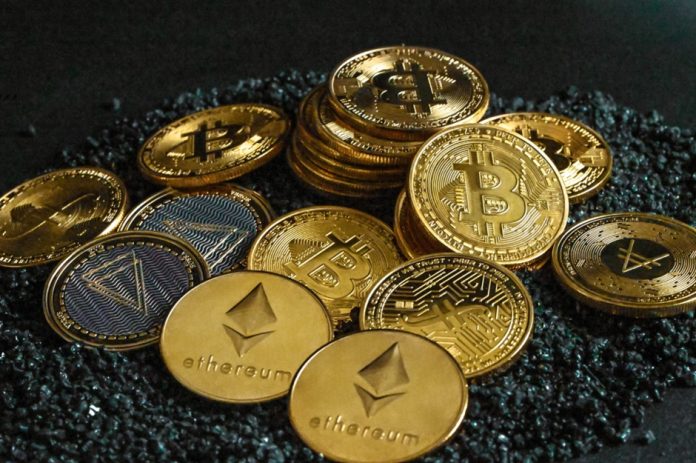
In the ever-evolving landscape of cryptocurrency, the recent surge in celebrity-endorsed memecoins has captured the attention of both enthusiasts and skeptics alike. The concept of memecoins—cryptocurrencies that originate from internet memes or have humorous intent—is not new.

However, the involvement of high-profile celebrities has propelled these digital assets into the limelight, sparking a flurry of activity on platforms like Crypto Twitter.

The allure of memecoins is undeniable. They offer a sense of community and excitement, often bolstered by the star power of celebrities. From Caitlyn Jenner’s JENNER coin to Soulja Boy’s and Andrew Tate’s latest digital venture, these tokens have the potential to skyrocket in value, promising lucrative returns for early investors. Yet, this glittering facade may conceal a more troubling reality.

Recent investigations have unearthed allegations of a serial scammer orchestrating the launch of various celebrity-associated memecoins. This individual, purportedly leveraging the celebrities’ influence and reputation, has been accused of engaging in ‘rug pulls’—a fraudulent practice where developers abandon a project and abscond with investors’ funds.

The crypto community has been abuzz with discussions and analyses, attempting to unravel the complex web of accusations and evidence. A prominent figure in the community, known as Roxo, has identified a suspect believed to be at the center of these schemes. This revelation has sent shockwaves through the industry, prompting a reevaluation of the trust placed in celebrity endorsements.

The situation serves as a stark reminder of the risks inherent in the volatile world of cryptocurrencies. While the promise of quick profits can be enticing, it is crucial for investors to exercise due diligence and skepticism, especially when dealing with assets that are subject to hype and speculation.

For those navigating the treacherous waters of memecoins, a few key considerations can help mitigate potential losses:

Research is paramount. Before investing, thoroughly investigate the token’s developers, their track record, and the transparency of their operations.

Celebrity endorsements do not guarantee legitimacy. High-profile figures may not always have the expertise to vet the projects they promote, and their involvement could be purely contractual.

Diversification is a safety net. Avoid putting all your eggs in one basket, especially when it comes to speculative assets like memecoins.

Stay informed. Keep abreast of news and developments within the crypto community, as this can provide early warnings of potential scams.

Here are some red flags to consider when evaluating memecoin projects:

Anonymity of Developers: Transparency is key in any financial venture. If the developers or team members behind the memecoin are anonymous or use pseudonyms without a verifiable track record, this could indicate a lack of accountability.

Lack of a Clear Roadmap: Legitimate projects typically have a detailed and clear roadmap outlining their goals, milestones, and timelines. The absence of such a document should raise concerns about the project’s legitimacy and long-term viability.

Over-Reliance on Celebrity Endorsements; While having a celebrity endorse a project can increase its visibility, it shouldn’t be the sole basis for its credibility. Be wary of projects that rely heavily on celebrity endorsements rather than solid technical foundations.

Unrealistic Promises of Returns: High returns are enticing, but they can also be a sign of a scam. Be cautious of memecoin projects that promise guaranteed or unusually high returns in a short period.

Rapid Price Fluctuations: Extreme volatility can be a sign of market manipulation, such as pump and dump schemes. Watch out for coins that experience sudden spikes in price without any underlying reason.

Limited Exchange Listings: If a memecoin is not listed on reputable exchanges or is only available on obscure platforms, this could indicate a lack of broader market acceptance and higher risks.

Poor Community Engagement: A strong, active community is often a sign of a healthy project. If the memecoin’s social media channels and forums are filled with promotional content rather than genuine discussions, take it as a warning.

Copycat Features: Many memecoins are simply clones of other successful coins, offering no unique features or innovations. A lack of originality can be a sign that the project lacks substance.

Smart Contract Vulnerabilities: If the project’s smart contract code has not been audited by a reputable third party, there could be vulnerabilities that might be exploited, leading to loss of funds.

Pressure to Invest Quickly; Scammers often create a sense of urgency to push investors into making quick decisions. Be cautious of any project that pressures you to invest immediately.

The celebrity memecoin phenomenon underscores the need for a more informed and cautious approach to cryptocurrency investments. As the industry matures, it is hoped that better regulatory frameworks and investor education will emerge, fostering a safer environment for all participants.

While the world of celebrity-endorsed memecoins may offer excitement and the allure of wealth, it is essential to approach these opportunities with a critical eye. By prioritizing research and prudence, investors can navigate the hype and avoid the pitfalls that have ensnared many in the pursuit of digital fortune.

Nigerian Government to Approve New National Electricity Policy in September

0

The Nigerian federal government is set to approve the new National Electricity Policy and Strategic Implementation Plan (NEPSIP) in September 2024.

Minister of Power, Adebayo Adelabu, revealed this development at the BusinessDay energy conference in Lagos, themed ‘Powering Nigeria’s Energy Future: Addressing Infrastructural Challenges for Sustainable Energy Development’.

During the event, Adelabu highlighted issues affecting the Nigerian power sector, disclosing that 10 power plants in Nigeria are operating below 10 percent capacity due to significant infrastructural challenges. He said the government is focusing on developing a comprehensive framework to support innovation, research, and development in the electricity sector, aiming to address these inefficiencies and chart a sustainable path forward.

“The government believes that a supportive policy and regulatory environment are essential for sustainable energy development. We are committed to creating policies that encourage investment, foster innovation, and ensure fair competition in the energy sector,” Adelabu stated.

Despite substantial reforms, including transitioning from a state-owned to a predominantly privately owned unbundled network, the minister said the sector still grapples with aging infrastructure, insufficient investment in renewable energy, outdated power plants, inadequate transmission and distribution networks, and frequent power outages.

Adelabu expressed surprise at the underutilization of facilities, which have the potential to generate significantly more electricity. He identified two key factors limiting power generation: low gas supply and unpaid debts. Gas shortages prevent plants from running at full capacity, while unpaid debts owed to generation companies create liquidity issues.

To address these problems, the federal government plans to enhance current generating assets and invest in new power plants. Recently, the grid’s generation capacity was expanded with the addition of the 700MW Zungeru hydropower plant. Additionally, the government has secured Presidential approval to defray legacy debts to gas companies, ensuring efficient gas supply and addressing Generation Companies’ debts to resolve necessary maintenance and evacuation capacity optimization.

Ambitious Goals and Renewable Energy

Adelabu reiterated the government’s ambitious target to generate about 30,000 megawatts of electricity by 2030, with renewable energy contributing 30 percent to Nigeria’s energy mix. This goal reflects a broader strategy to diversify energy sources and enhance the efficiency and reliability of the power supply.

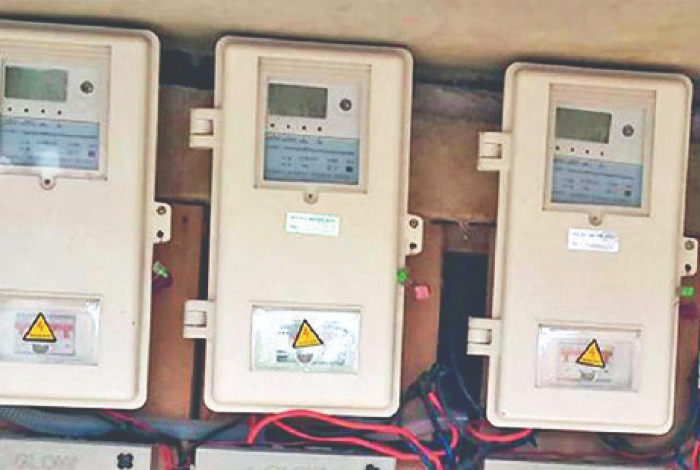
On the issue of metering, the government has established a framework to inject 1.5 million meters into the power sector through the World Bank Distribution Support Recovery Programme. The Presidential Metering Initiative aims to procure an additional 2 million meters annually for five years, ensuring accurate billing, reducing revenue loss, and improving cash flow for a more liquid power sector.

However, this revelation, though seems promising, has been met with skepticism by a large section of Nigerian electricity consumers.

Skepticism Among Nigerians Regarding Power Sector Reforms

Nigerians’ skepticism about current reforms in the power sector, particularly the privatization efforts, is deeply rooted in the country’s history of failed and underwhelming reforms. Several past government initiatives have promised substantial improvements but have consistently fallen short, leading to widespread distrust and doubt about the efficacy of new reforms.

Privatization and Reforms: From NEPA to PHCN

In 2005 under President Olusegun Obasanjo, the Electric Power Sector Reform Act was passed with the goal of transforming the National Electric Power Authority (NEPA) into the Power Holding Company of Nigeria (PHCN). The reform aimed to eventually privatize the power sector, hoping that private ownership would enhance efficiency and service delivery. Despite this restructuring, the expected improvements in electricity supply and infrastructure development did not materialize.

In 2013, President Goodluck Jonathan’s administration took significant steps towards privatization, transferring 60% of the state electricity company’s ownership to private buyers. This move was based on the 2010 Road Map for Power Sector Reform and involved the creation of 11 Distribution Companies (DISCOs) and six Generation Companies (GENCOs). The privatization was intended to alleviate power shortages by fostering competition and attracting investment.

However, the outcomes have been disappointing. Instead of achieving a stable power supply, the sector has been plagued with issues such as inadequate infrastructure, insufficient investment, and frequent outages.

Many of the power plants and transmission lines are outdated and unable to meet the growing electricity demand. This has led to frequent power outages and an unreliable supply of electricity, which hampers both industrial and domestic activities.

The privatized entities have struggled with operational inefficiencies, including low gas supply and significant unpaid debts. Gas shortages have prevented power plants from operating at full capacity, while financial liquidity issues stemming from unpaid debts have further crippled the sector’s functionality.

The policy and regulatory environment has also been a significant obstacle. Despite reforms aimed at creating a more supportive environment for investment and innovation, bureaucratic red tape and inconsistent policies have stymied progress. This has led to a lack of confidence among investors and stakeholders, further compounding the sector’s problems.

The Current Reforms: More of the Same?

Given this historical backdrop, Nigerians are understandably skeptical about the current government’s promises of reform. The new National Electricity Policy and Strategic Implementation Plan (NEPSIP) aims to address these long-standing issues by enhancing infrastructure, increasing generation capacity, and promoting renewable energy.

However, many Nigerians fear that these initiatives will follow the same path as previous reforms—promising significant improvements but delivering minimal tangible results after gulping billions of naira.

Chinese EV Maker Nio Announces Plan to Expand to Middle East, Intensifying Global Competition for Tesla

0

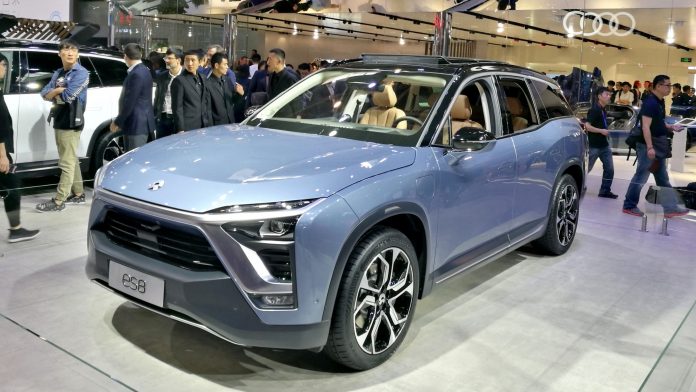
Chinese electric vehicle (EV) manufacturer Nio is set to expand its operations into the Middle East by the end of this year, according to CEO William Li.

This move, which comes as part of Nio’s broader strategy to increase its global footprint, following the trend set by its competitors, is expected to further give Tesla a run for its money.

During a recent earnings call, Li revealed that Nio will commence its operations in the United Arab Emirates (UAE) by the end of 2024.

This expansion is significant as it marks Nio’s entry into the Middle Eastern market, a region with increasing interest in sustainable transportation solutions. Nio’s expansion is bolstered by recent funding from Middle East-based investors, reflecting growing regional support for green technology initiatives.

In May, Nio achieved a record high of 20,544 vehicle deliveries, showcasing the company’s growing market presence. The company plans to start shipping its new low-cost brand, Firefly, in the first half of 2024. Firefly is targeted at a more budget-conscious segment, with prices ranging between 100,000 yuan ($13,800) and 200,000 yuan ($27,600). This brand will share sales points with Nio-branded cars, adopting a sales model similar to the one used by MINI and BMW.

The New Middle Eastern Market

Nio is not alone in its Middle Eastern ventures. BYD, another Chinese EV giant, made its entry into the region via the UAE. BYD opened a showroom in Dubai Festival City in collaboration with Al-Futtaim Electric Mobility Company in November, setting the stage for intensified competition between Chinese EV manufacturers in the Middle East.

Despite its expansion efforts, Nio has been operating at a loss. The company reported a 5.5% increase in operational losses year-on-year for the first quarter, amounting to 5.39 billion yuan ($747 million). Research and development expenses also decreased by 6.9% to 2.86 billion yuan ($396 million) over the same period.

To address these financial challenges, Nio is focusing on strategic initiatives, including the launch of its lower-cost brand Onvo. Introduced in May, the Onvo L60 SUV is positioned to compete with Tesla’s Model Y, priced at 219,900 yuan ($30,349) for pre-sales, compared to the Model Y’s 249,900 yuan ($34,485). Onvo aims to break even with monthly sales of 20,000 to 30,000 units.

Onvo plans to open around 100 stores across China, with each store requiring an investment of 1 million to 2 million yuan ($138,000 to $276,000). This expansion is part of Nio’s broader strategy to increase its market presence and improve accessibility for potential customers. Additionally, Nio is investing in upgrading its existing battery swap stations to be compatible with Onvo vehicles, costing between 200,000 to 300,000 yuan ($27,600 to $41,400) per station.

Nio and BYD’s Middle East Expansion: A Challenge for Tesla

Nio and BYD’s move to expand their operations into the Middle East marks a significant strategic move that could further challenge Tesla’s dominance in the global EV market. This expansion comes at a time when Tesla is already facing stiff competition from these Chinese rivals in their home market.

In China, BYD has been outperforming Tesla, capitalizing on its diverse range of EV models and competitive pricing. BYD’s ability to offer a variety of vehicles catering to different market segments has helped it capture a significant share of the Chinese EV market.

According to recent sales data, BYD has consistently reported higher vehicle deliveries compared to Tesla, reflecting its strong market presence and consumer preference.

BYD, backed by U.S. investment billionaire Warren Buffett since 2008, has surpassed Tesla’s production numbers for the second year in a row. The Chinese automaker, which stands for Build Your Dreams, reported producing 3.02 million new energy vehicles in 2023. In contrast, Tesla announced early this year that it manufactured 1.84 million cars.

However, it’s important to note that BYD’s sales figures include 1.6 million battery-only cars and 1.4 million hybrids. This distinction means that Tesla remains the leader in the production of electric battery-only cars.

Despite this, BYD outperformed Tesla in the final quarter of last year in battery-only car sales for the first time, selling 526,000 units compared to Tesla’s 484,000.

BYD’s vehicles generally sell at a lower price point than Tesla’s, with about 20% of Tesla’s sales coming from the Chinese market.

BYD’s strategy of leveraging its battery technology and integrating it into its vehicles has also contributed to its competitive edge.

Tesla, on the other hand, has struggled to maintain its lead in China due to various factors, including pricing pressures and local competition. Despite Tesla’s efforts to localize production and reduce costs, it has not been able to match the aggressive pricing strategies of Chinese manufacturers like BYD. Additionally, Tesla has faced regulatory challenges and scrutiny in China, further impacting its market performance.

Middle East: A New Battleground

The Middle East presents a new and potentially lucrative market for Chinese EV manufacturers, especially in light of recent geopolitical tension between Beijing and Washington. The Biden administration’s ban on the import of vehicles from certain Chinese companies has pushed these manufacturers to explore alternative markets.

The Middle East, with its growing interest in sustainable energy solutions and relatively untapped EV market, offers a promising opportunity for Nio and BYD to expand their global footprint.

Nio and BYD’s expansions into the Middle East are strategically timed to take advantage of the region’s increasing focus on sustainability and clean energy. Both companies are leveraging their recent successes and market strategies to establish a strong presence in the Middle East.

For instance, BYD’s entry through a prominent collaboration in Dubai positions it well to tap into the UAE’s ambitious renewable energy goals.

Tesla, which has been focusing on maintaining its market share in established regions like North America and Europe, will likely face increased competition from Nio and BYD in the Middle East.

The entrance of these Chinese companies into the region could challenge Tesla’s market dominance and force it to adopt a new strategy, besides slashing the price of its cars, to maintain a competitive edge.

Fintechs Key to Bridging Nigeria’s Financial Inclusion Gap – World Bank

0

According to a recent World Bank report, it revealed that Fintechs can play a crucial role in bridging Nigeria’s financial inclusion gap, particularly in rural and underserved areas.

The global bank revealed that Nigeria’s fintech sector makes up about one-third of Africa’s financial services market, which is predicted to grow at about 10 percent per annum, reaching about $230 billion in revenues by 2025.

As the fastest-growing start-up industry in Africa, the success of fintech companies is being fueled by several trends, which include increasing smartphone ownership, as well as a young, fast-growing, and rapidly urbanizing population.

Despite the growth of Fintechs, the World Bank disclosed that about half of Nigeria’s adults remain unbanked or underserved, primarily due to limitations of traditional banking infrastructure. “This is especially true in rural and underserved areas, where physical bank branches are scarce or nonexistent”, the bank stated.

The global bank report highlights that nearly 50% of Nigerian adults fall into the unbanked or underserved category. It further highlights Quickteller Paypoint, an agency banking launched by Interswitch, as a key enabler of financial inclusion.

It is worth noting that Agency banking in Nigeria plays a crucial role in promoting financial inclusion by bringing financial services closer to the underserved and unbanked populations.

Here are some key ways in which agency banking aids financial inclusion in Nigeria;

Access to Financial Services:

Agency banking brings banking services to rural and remote areas where traditional bank branches are not available. Agents operate in local communities, making it easier for individuals to access banking services without traveling long distances.

Convenience:

Agency Banking offers services such as cash deposits and withdrawals, bill payments, fund transfers, and account opening. This convenience encourages more people to use formal financial services.

Cost-Effective Operations:

Operating through agents is more cost-effective for banks than establishing physical branches, allowing banks to serve low-income customers more economically.

Overall, agency banking is a pivotal component of Nigeria’s strategy to achieve comprehensive financial inclusion, empowering millions of Nigerians with access to essential financial services.

Notably, to reach a much larger client base, the World Bank disclosed that Fintechs are collaborating with traditional banks to tailor services to the evolving needs of Nigerian consumers and businesses.

These collaborations leverage the strengths of both parties, with banks’ established customer bases, regulatory compliance, and infrastructure and Fintech’s agility, innovative solutions, and technological expertise to provide financial services. This collaboration offers numerous benefits which include; Enhanced Innovation, Increased Reach, and Improve customer experience.

Overall, the collaboration between Fintechs and banks in Nigeria is fostering a more inclusive, innovative, and efficient financial ecosystem, benefiting consumers and businesses alike.