DD
MM
YYYY

PAGES

DD
MM
YYYY

spot_img

PAGES

Home Blog Page 3280

How to Win in Progressive Jackpot Slots

0

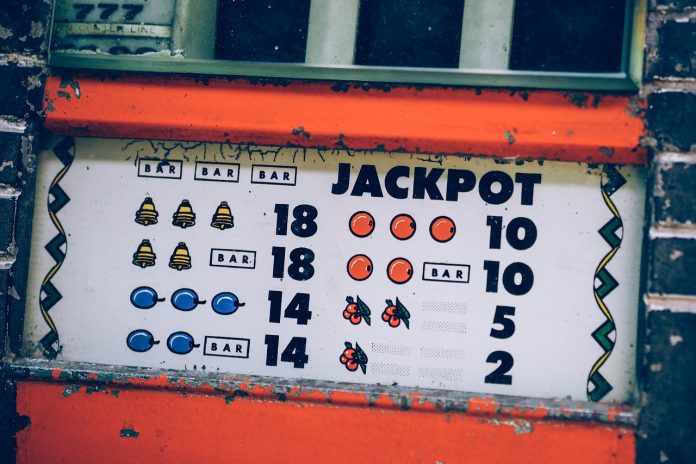
It’s essential for every player to understand that winning the main reward in progressive jackpots takes time to achieve. There is no method to help you win, as these are luck-based games, and the progressive jackpot can go to anyone playing the slot. The jackpot rises progressively based on how many people play it and how often; the bigger it is, the harder it is to get.

However, even though winning a jackpot is unlikely, you can still do some things to improve your chances. Keep reading as we discuss how to play progressive jackpot slots like a pro.

Play in Smaller Progressive Jackpot Networks

Many players choose the largest networks of progressive jackpots, which can be either popular games known to offer massive rewards or social casinos with their own progressive jackpots.

Whatever the case, it’s typically better to go for smaller networks. The jackpots there are always lower, but the chances of triggering them are higher. The situation is even better in social sweepstakes casinos with more than one jackpot, as it usually means at least one of them is a very small jackpot that tends to hit more often.

Go for Progressive Jackpot Slots That Are Known to Hit Often

Even though jackpots are triggered randomly, some games are known to release them more often than others. These are usually top-rated titles that have a history of massive jackpots, like Mega Moolah and Wheel of Fortune.

However, there’s also a downside to this. Such games are also very popular, meaning they are part of more extensive networks, so the jackpots are more challenging to trigger.

You should try these and other jackpot games with smaller rewards if you still want the best shot while enjoying great titles at the same time. For instance, you can play for free at Yay Casino, and you’re bound to have good chances while still having fun.

Play at the Right Time

Many progressive jackpot slots’ main rewards hit once the jackpot reaches a certain size or gets around a specific number. Unfortunately, knowing when that time will come is impossible, but you can make assumptions by observing the game to see when the jackpot tends to be won.

It’s important to know that this is not a given, as most games will still trigger jackpots at random times. However, there can still be an occasional pattern you might be able to find. You can start playing more actively during this period and hope for a big reward.

Don’t Chase the Jackpot

The primary objective of playing progressive jackpot slots shouldn’t be to win the jackpot, even though this may seem counterintuitive. Since hitting the jackpot is incredibly difficult, you will end up spending a lot of time and energy without any guarantees of obtaining the main reward.

It’s better to play the games for the sake of playing them and enjoying the features, themes, visuals, and animations they have to offer. This way, you’ll continue having fun while the jackpot stays a viable option.

So, don’t forget to have fun and experience many of the best progressive jackpot slots. And who knows — you might get lucky when you least expect it.


The New Wall of Money was Built by Vast Fiscal and Monetary Stimulus

0

The global economic landscape underwent a seismic shift during the years 2020 and 2021, a period marked by the COVID-19 pandemic that led to unprecedented fiscal and monetary stimulus measures. Governments and central banks around the world unleashed a wave of financial interventions to mitigate the economic fallout from the pandemic, constructing what some have termed a “new wall of money.”

The United States, grappling with the dual shock of a health crisis and its economic repercussions, responded with a series of comprehensive stimulus packages. The CARES Act, passed in March 2020, was one of the first major relief efforts, providing direct payments to Americans, enhanced unemployment benefits, and support for small businesses. This was followed by additional measures, including the COVID-related Tax Relief Act of December 2020 and the American Rescue Plan Act of March 2021.

These fiscal policies were complemented by the Federal Reserve’s aggressive monetary policy actions. Interest rates were slashed to near-zero levels, and a massive quantitative easing program was initiated, expanding the Fed’s balance sheet to provide liquidity and stabilize financial markets. These measures, along with targeted lending programs, aimed to keep credit flowing to households and businesses during the acute phases of the crisis.

The combined effect of these fiscal and monetary interventions was significant. They helped avert a deeper economic downturn and set the stage for a recovery. The U.S. stock market, after plunging into bear market territory in March 2020, began to recover, and the unemployment rate, which had soared to 14.7% in April 2020, gradually improved as the economy reopened.

However, the “wall of money” also had its consequences. As the economy began to recover, concerns about inflation emerged. The Federal Reserve, in response, made a series of interest rate increases in 2022 and 2023 to combat rising prices. The debate over the long-term effects of such substantial fiscal and monetary stimulus continues, with questions about potential asset bubbles, debt sustainability, and the future path of inflation.

The story of the fiscal and monetary stimulus of 2020 and 2021 is a testament to the power of policy in shaping economic outcomes. It also serves as a reminder of the delicate balance policymakers must strike between providing immediate relief and managing long-term economic health. As the world continues to navigate the post-pandemic era, the lessons learned during this period will undoubtedly inform future responses to economic crises.

In 2024, the global economy witnessed a significant shift as governments around the world deployed extensive fiscal and monetary stimulus measures to combat the economic downturn caused by the pandemic. This unprecedented influx of capital, often referred to as the “new wall of money,” aimed to stabilize markets, provide relief to individuals and businesses, and set the stage for a robust recovery.

The fiscal stimulus of 2024 was characterized by direct payments to citizens, enhanced unemployment benefits, and substantial support for small businesses and industries hit hardest by the crisis. For instance, the United States approved a $600 direct payment to eligible individuals, extending the enhanced unemployment insurance payments for an additional 11 weeks. This move was part of a broader $900 billion coronavirus relief deal that also included funding for vaccine distribution and rental assistance.

Globally, fiscal policies were complemented by monetary measures, with central banks taking a more active role in ensuring liquidity and encouraging lending. In China, government advisers advocated for steady growth targets and increased fiscal policy support to make the “difficult” 2024 target achievable, while monetary stimulus played a more limited role due to concerns over the yuan’s stability.

The coordinated efforts of fiscal and monetary policies were crucial in mitigating the economic impact of the pandemic. The stimulus packages were designed not only to provide immediate relief but also to address the human toll of the recession, which includes loss of lifetime earnings, adverse health outcomes, and loss of social cohesion. By injecting funds into the economy, governments aimed to shore up demand for goods and services during a time when consumer and business spending had drastically reduced.

As the world continues to navigate the aftermath of the pandemic, the effectiveness of these stimulus measures will be closely analyzed. The hope is that the “new wall of money” will not only provide a temporary lifeline but also lay the foundation for sustainable growth and prosperity in the years to come.

Mastering Your Emotions: A Guide to Achieving Inner Calm

0

It’s easy to get swept up in the tidal wave of emotions that confront us daily in this fast-paced world. Anger, sadness, anxiety, and a host of other feelings can overpower our ability to think clearly and rationally. However, learning to control our emotions is a vital skill that can lead to a more fulfilling and harmonious life. In this article, we’ll explore practical strategies to help you navigate the turbulent waters of emotion and emerge as the captain of your inner world.

Understanding Emotions

Before we delve into the techniques for emotion control, it’s essential to understand the nature of emotions themselves. Emotions are complex psychological states that involve physiological changes, subjective experiences, and behavioral responses. They serve an evolutionary purpose, helping us navigate the world and respond appropriately to various situations.

However, when emotions spiral out of control, they can become detrimental to our well-being and relationships. In some activities, a lack of emotional control can lead to serious financial consequences. For example, when playing on this website, it’s necessary to remain in control of one’s feelings and emotions to avoid impulsive decisions.

While emotions can be powerful forces, it’s important to remember that we have the capacity to regulate them through conscious effort and practice. By understanding the interplay between our thoughts, emotions, and behaviors, we can gain greater control over our inner experiences.

The Power of Mindfulness

One of the most effective tools for emotion control is mindfulness — the practice of being fully present and aware of the current moment. By cultivating mindfulness, you can observe your emotions without being consumed by them. This allows you to respond thoughtfully rather than react impulsively.

Here’s a simple mindfulness exercise you can try:

  1. Find a quiet space and sit comfortably.
  2. Focus your attention on your breathing, following the inhale and exhale.
  3. When your mind wanders (and it will), gently bring your attention back to your breath.
  4. Observe any emotions that arise without judging or trying to change them.
  5. Practice this for 5-10 minutes daily.

Mindfulness helps create a space between your emotions and your reactions, allowing you to respond more skillfully. Over time, this practice can increase your emotional awareness, reduce stress and anxiety, and improve your overall well-being.

Cognitive Behavioral Techniques

Cognitive Behavioral Therapy (CBT) offers practical techniques for managing emotions by identifying and challenging unhelpful thought patterns. One of the most powerful CBT strategies is cognitive restructuring, which involves questioning and reframing negative or irrational thoughts.

For example, if you find yourself thinking, “I’ll never be able to control my anger,” you can challenge that thought by asking yourself:

  • Is this thought really true? What evidence do I have to support or contradict it?
  • Is there a more balanced or helpful way to look at the situation?
  • What would I say to a friend in a similar situation?

By questioning and reframing negative thoughts, you can gain a more objective perspective and reduce the intensity of your emotions. CBT also encourages the use of coping statements, which are positive, self-affirming phrases you can repeat to yourself during challenging emotional situations.

Building an Emotional Toolbox

Just as a carpenter relies on a toolbox filled with various tools, you can assemble an emotional toolbox with strategies tailored to your specific needs. Here are some tools you might consider:

  • Deep breathing exercises
  • Journaling
  • Physical exercise
  • Meditation or prayer
  • Talking to a trusted friend or counselor
  • Engaging in a creative outlet
  • Progressive muscle relaxation
  • Visualization techniques
  • Listening to calming music.

Experiment with different techniques and find what works best for you. Remember, emotion control is a skill that requires practice and patience. It may be helpful to keep a log of your emotional experiences and the strategies you use to manage them, so you can track your progress over time.

The Role of Social Support

While personal strategies are essential for emotion control, it’s also important to recognize the role of social support. Having a network of supportive individuals in your life can provide a valuable emotional outlet and a sense of connection. Whether it’s a close friend, family member, a support group, or a professional therapist, sharing your emotional experiences with others can help you gain perspective and feel understood.

Self-Care Strategies

Engaging in self-care activities can help reduce stress and promote emotional well-being. Consider incorporating the following into your routine:

  • Regular exercise
  • Healthy eating habits
  • Adequate sleep
  • Relaxation techniques (yoga, meditation, etc.)
  • Pursuing hobbies or interests
  • Spending time in nature
  • Setting boundaries and saying “no” when needed
  • Seeking professional support if needed.

Remember, taking care of yourself is not selfish; it’s essential for your overall well-being and ability to manage emotions effectively.

Final Thoughts

Achieving emotion control is a lifelong journey, but one that can lead to greater happiness, healthier relationships, and a more fulfilling life. With these strategies, you can navigate the complexities of your inner world with grace and resilience. Take the first step today and embark on the path to mastering your emotions.

2024 Owotuga Foundation Scholars, Welcome To Tekedia Institute

0

On behalf of our Faculty, Staff and Learners, I want to specifically welcome dozens of young people who are going to participate in the 14th edition of Tekedia Mini-MBA through the Late Most Supreme Apostle Matthew Omodayo Owotuga Foundation, in honor of Late Most Supreme Apostle Omodayo Owotuga, who passed to glory more than a decade ago. You are the 2024 Owotuga Scholars.

The Foundation endowed a multi-year scholarship scheme in our Institute a few years ago. The Foundation trustees noted that this act of generosity and benevolence was born out of commemorating and promoting the legacy of Late Most Supreme Apostle Omodayo Owotuga.

I welcome all of you from universities, vocational schools, professional organizations, companies, etc where the generosity of this Foundation has supported you, over the years. I am confident that after you have spent 12 weeks with us, the pace to personal, professional and community advancements will accelerate. 

The 2024 Owotuga Scholars, welcome to the #BestSchool. Welcome to Tekedia Institute. Tomorrow, the live session begins for this academic festival.

  • Prof Ndubuisi Ekekwe
  • Professor and Lead Faculty
  • Tekedia Institute, USA

ERC-20 Gem ALGT Makes History, Hits $6M Months Earlier than Expected as ETH & SUI Enthusiasts Join

0

Ethereum (ETH) recently got its long-awaited spot ETF approval from the SEC a few weeks ago while Sui (SUI) plans to host a showcase in Vietnam a few days from now. Even though these alpha altcoins are doing well in the market, investors are currently occupied with the growth potential of Algotech (ALGT). Keep reading to see expert forecasts and opinions on these tokens.

Algotech: Simplifying Crypto Trading and Investment

Algotech is a decentralized algorithmic trading platform that aims to provide crypto traders with futuristic trading strategies such as hedging, trend following, and mean reversion. When you invest early in Algotech, you get partial ownership of their trading software and share in dividends. For context, Algotech takes a 30% fee from users who make profits with its trading algorithms and ALGT holders get their share of this performance fee.

Investors are buying into the Algotech vision and ALGT was able to raise $1.1 million during its seed/private sale as a result. Currently, ALGT is ready for its first presale stage and the token will sell for $0.04. After all presale stages conclude, ALGT will launch on the crypto market and trade for $0.15. As a result of this bullish price trajectory, ALGT early buyers will enjoy a massive 275% ROI on their initial investment.

Ethereum Surges Weeks After ETF Approval

On May 23, the US Securities and Exchange Commission (SEC) approved Spot Ethereum ETFs. According to recent Ethereum news, the approval came in after the SEC received proposals from Nasdaq, NYSE, and CBOE exchanges to allow Ethereum ETPs and ETFs to trade on their platforms. Unfortunately, trading did not start immediately because the SEC needed to approve ETF registration statements from individual investors.

However, the Ethereum community received the news in good faith and ETH recorded a double-digit price surge in June. On May 20, ETH traded for $3,152. By June 5, ETH already gained 20.99% and traded for $3,800. Right now, analysts believe ETH will hit $5,000 before the end of the year thanks to the recent Ethereum ETF approval. Once individual Ethereum ETF registration statements are approved, ETH will likely go on a bull run.

Sui Prepares for Vietnam Showcase

On June 7, Sui will host its long-awaited showcase in Vietnam. According to reports, the Sui Showcase is set to be held at the Thiskyhall Sala Convention Center and it will feature a lot of blockchain experts. Some of these experts include Hannie Tran (CEO & Co-founder at Desig Labs), Nina Doan (Core contributor to the Coin98 Super Wallet), Jenny Nguyen (COO at Coin68), and Ranier Gadduang (Head of growth marketing at the Sui Foundation).

Due to the excitement in Sui’s ecosystem, Sui stayed bullish in the first week of June. On May 29, SUI traded for $1.04. A week later, SUI gained 4.83% and sold for $1.09. Experts believe the upcoming SUI showcase will serve as a catalyst for a price surge in Q3 2024. Leading DeFi companies like Pyth Network, FloxX Finance, and Scallop will sponsor this event and investors are paying attention. As a result, SUI may likely trade for $1.50 by July.

Visit Algotech Presale

 Join The Algotech Community