DD
MM
YYYY

PAGES

DD
MM
YYYY

spot_img

PAGES

Home Blog Page 3298

EFCC conducts nationwide raids on BDCs to Combat Currency Racketeering in Nigeria

0

The Economic and Financial Crimes Commission (EFCC) has embarked on a nationwide manhunt against individuals involved in currency racketeering, aiming to safeguard Nigeria’s foreign exchange market and curb speculative activities. 

According to sources within the EFCC, the initiative seeks to identify and prosecute those engaged in illegal currency-related activities, including foreign exchange speculation and fraudulent practices.

“The commission is determined to ensure that the foreign exchange market operates in a fair and transparent manner and that Nigeria’s economy is protected from criminal activities that could lead to its destabilization,” a source from the agency said.

The government’s rationale behind this crackdown is to address illegal currency-related activities, including foreign exchange speculation and fraudulent practices. By targeting individuals engaged in these activities, the government seeks to create a more transparent and fair operating environment for the foreign exchange market. This aligns with the broader objectives of protecting Nigeria’s economy from destabilization caused by criminal activities.

The EFCC’s operations have resulted in significant arrests, particularly in key areas such as the Federal Capital Territory, Abuja. However, the crackdown has also sparked controversy and criticism, with concerns raised about potential ethnic bias and the targeting of specific demographics, particularly those associated with the Bureau de Change.

To address these concerns, the EFCC has clarified its focus on unlicensed money changers rather than legitimate Bureau De Change (BDC) operators who comply with federal regulations. Dele Oyewale, the spokesperson for the EFCC, said the anti-graft agency was going after “unlicensed money changers.”

“Unlicensed operators are behind the exchange rates crisis in this country. Those who are licensed would be guided by the rules and regulations of federal authorities,” Mr Oyewale said.

He added, “So what we’re doing is to go after the unlicensed money changers. It is to separate those who are legitimate BDC operators from the criminal speculators. We need to know where we stand in how we manage our exchange rates.”

Social media has been agog with videos of the EFCC’s raid on BDCs across the country.

In addition to the EFCC’s efforts, the government has deployed a substantial task force across its zonal commands to crack down on dollar racketeers. 

Moreover, the National Security Adviser has directed various law enforcement agencies to intensify efforts against forex market speculators, highlighting a coordinated approach to addressing the forex crisis.

However, the move which denotes that the Nigerian government’s latest efforts to boost foreign exchange (FX) are currently centered around a nationwide crackdown on currency racketeering has been severely criticized. Critics argue that targeting BDC operators is not what is required to address the underlying issues causing FX volatility. 

There are concerns about the lack of comprehensive strategies by the government to boost FX supply and stabilize the economy effectively. Despite announcements of plans to increase FX supply by $10 billion, tangible progress has yet to materialize, leaving the economy vulnerable to continued volatility in the foreign exchange market.

Despite the raids on BDCs, the naira’s value continued to plummet across the country. As of Wednesday, the naira depreciated further to N1,900 against the dollar in intraday trading at the parallel market, while trading at approximately N1,555.24 per dollar at the official market (NAFEM).

There are concerns over the worsening situation, with predictions that the exchange rate could spiral to an unprecedented 2,000 naira per dollar if decisive measures are not implemented promptly. 

BlackRock’s Institutional Digital Assets Summit holds tomorrow

0

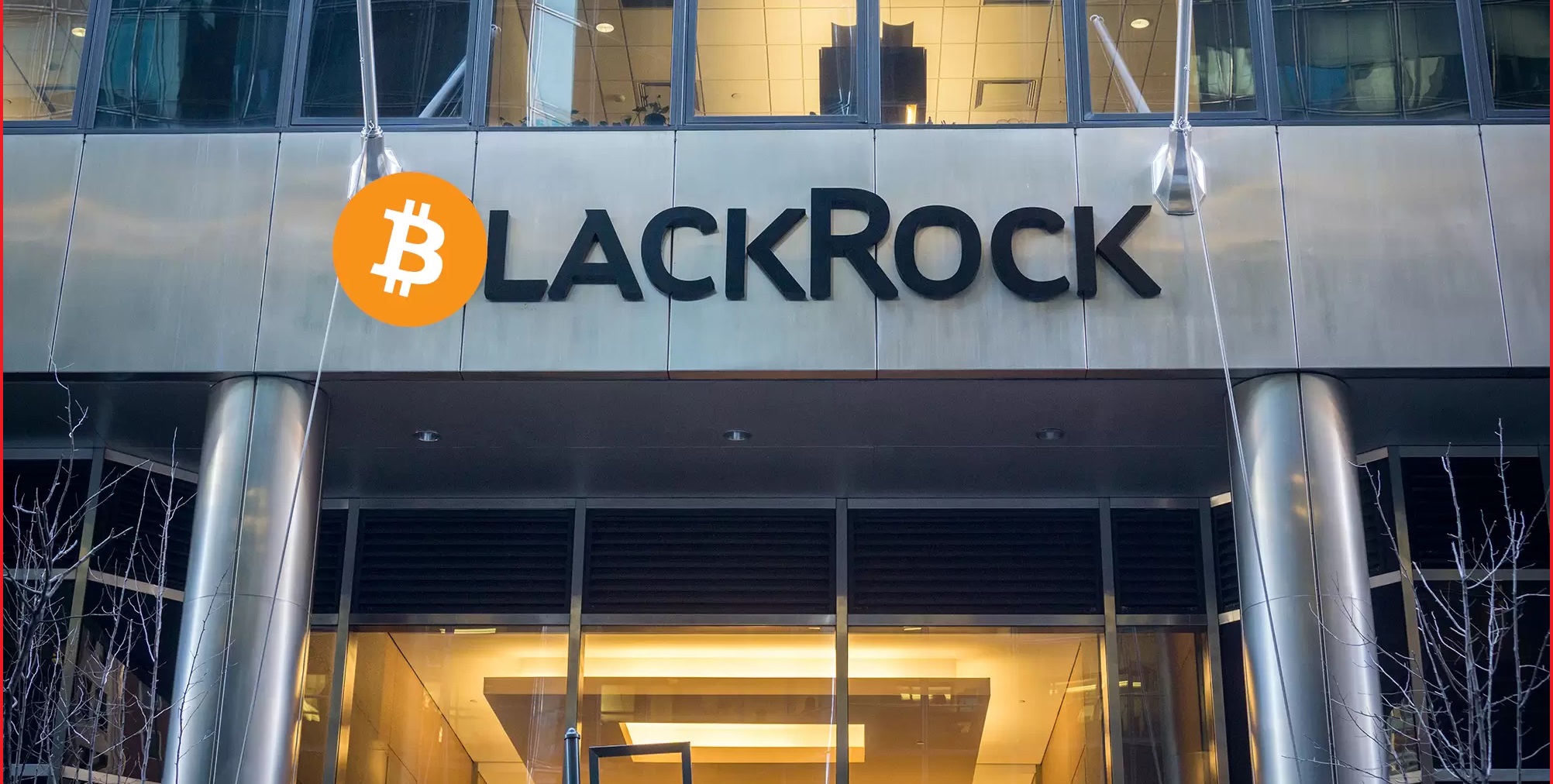
New York City, February 22, 2024 — BlackRock, Inc., the world’s largest asset manager with over $9.42 trillion in assets as of June 30, 2023, is set to hold its inaugural ”Institutional Digital Assets Summit” tomorrow. The event promises to be a significant milestone in the financial industry’s embrace of digital assets and blockchain technology.

As the financial landscape continues to evolve, asset managers are increasingly looking to digital assets as a means of driving efficiencies, improving access, and enhancing capital markets.

BlackRock, with over $9 trillion in assets under management (AUM), recognizes the potential of digital assets and is actively exploring their applications within the industry.

While some countries have made significant strides in adopting digital payment systems, the United States appears to be lagging behind. In his annual letter to investors, BlackRock CEO Larry Fink emphasized that BlackRock is actively exploring opportunities related to tokenization of assets, decentralized finance (DeFi), and cryptocurrencies.

The Institutional Digital Assets Summit is a testament to BlackRock’s commitment to staying at the forefront of financial innovation.

Fink highlighted the success of faster and more efficient payment systems in India, Brazil, and parts of Africa. For instance: India’s United Payments Interface (UPI) has become one of the most widely used forms of payment in the country. Brazil’s Pix system has revolutionized local payments.

By contrast, many developed markets, including the US, have yet to fully embrace innovation in payments, resulting in higher costs for consumers.

Tokenization is a promising use case, one area where BlackRock sees significant promise is asset tokenization. Tokenization involves representing real-world assets (such as stocks, bonds, or real estate) as digital tokens on a blockchain.

Here’s why it matters.

Efficiencies in Capital Markets: Tokenization can streamline processes related to issuance, trading, and settlement of securities. By digitizing assets, BlackRock aims to reduce friction and enhance liquidity.

Shortening Value Chains: Tokenization allows for direct ownership and transfer of assets without intermediaries. This can simplify complex value chains and improve transparency.

The BlackRock Digital Summit is an exclusive event that brings together top business leaders, economists, and policy experts to discuss the themes shaping the investment landscape and their impact on institutional portfolios. As we look ahead to 2024, this year’s summit promises to be particularly insightful.

BlackRock’s Institutional events offer curated access to experts from across the financial industry, politics, and business. These thought leaders join BlackRock investors to explore timely views on market events, macro swings, and pivotal moments in the global economy. Whether it’s geopolitical conflicts, earnings surprises, or bank closures, we curate events that provide actionable insights for institutional portfolios.

The summit will delve into key themes that are currently shaping investment decisions:

Market Volatility and Macro Swings: As we navigate a new regime characterized by higher interest rates, macro volatility, and tougher financial conditions, our experts will provide insights into how to seize opportunities in this environment.

Fixed Income Strategies: With elevated rates and less confident growth outlooks, institutions are reevaluating their fixed income portfolios. We’ll explore portfolio positioning themes and macro-outlooks across markets.

Infrastructure Investments: The generational opportunity for infrastructure investments will be discussed, along with how these allocations may benefit portfolios and help solve today’s market challenges.

Portfolio Construction in the New Regime: Our experts will share how they are building flexibility and nimbleness into portfolio construction to take advantage of higher dispersion, tactical plays, and market mispricing.

Saudi Arabia’s $100bn Investment Drive: A Strategic Shift Toward Economic Diversification

0

Saudi Arabia, long synonymous with oil wealth, is making bold strides toward economic diversification with the establishment of a $100 billion investment firm, Alat, per Bloomberg.

This initiative, backed by the Saudi Public Investment Fund (PIF) and spearheaded by Crown Prince Mohammed bin Salman, aims to propel the kingdom into the forefront of industrial innovation and manufacturing prowess.

In contrast to Nigeria, which faces its own economic challenges, Saudi Arabia is leveraging strategic partnerships and investments to transform its economy beyond oil dependency.

Alat’s recent announcement of lucrative deals marks Saudi Arabia’s determination to expand its economic portfolio. The partnership with SoftBank Group Corp. to establish a fully automated manufacturing and engineering hub in Riyadh, with an initial investment of $150 million, signifies a significant step towards technological advancement.

Masayoshi Son, Chairman of SoftBank, hailed the venture as a “historic milestone for how future manufacturing will take place,” highlighting the transformative potential of the collaboration.

Furthermore, Alat’s collaboration with Dahua Technology to venture into security and surveillance product manufacturing, backed by a $200 million investment, reflects Saudi Arabia’s strategic positioning in the global market.

Despite Dahua’s controversial history, including bans in the US due to security concerns, the partnership underscores the kingdom’s eagerness to capitalize on emerging industries and technological advancements.

According to Bloomberg, Dahua was one of the companies prohibited from selling electronics in the US by regulators, who cited security concerns. Previously, the company had supplied products to Saudi Arabia, including face scanners for the government’s $500 billion megaproject, Neom.

Amit Midha, CEO of Alat, emphasized the firm’s commitment to compliance with international standards, particularly in navigating US sanctions targeting China’s semiconductor industry.

While Alat explores opportunities in semiconductor manufacturing, it aims to initially focus on less advanced chip types, mitigating potential risks associated with geopolitical tensions. The firm plans to invest $100 billion by 2030.

The establishment of Alat marks a significant departure from traditional investment strategies pursued by the PIF. Unlike previous ventures that incurred substantial losses, Alat aims to be financially sustainable from its inception, signaling a shift towards more prudent investment practices.

Midha emphasized that Alat is not akin to a venture capital fund, highlighting the firm’s focus on achieving profitability without prolonged cash drains.

Saudi Arabia’s economic diversification efforts extend beyond technological ventures, with plans to develop an auto manufacturing hub on the West Coast. Collaborations with companies like Lucid Group Inc. and Hyundai Motor Co. underline the kingdom’s commitment to fostering downstream industries, including semiconductor and battery manufacturing.

In contrast to Nigeria’s economic engineering, characterized by persistent challenges such as reliance on oil revenue and limited diversification initiatives, Saudi Arabia’s proactive approach offers a blueprint for sustainable economic transformation.

While both nations face unique economic circumstances, Saudi Arabia’s strategic investments and partnerships position it as a global contender in emerging industries, paving the way for long-term prosperity and resilience.

As Alat embarks on its ambitious journey to reshape Saudi Arabia’s economy, the kingdom’s vision for a diversified, technology-driven future appears increasingly within reach. With strategic partnerships, prudent investment practices, and a commitment to innovation, Saudi Arabia is poised to redefine its role in the global economy, charting a new path toward diversified economic growth.

Nigeria Plans $10bn Raise to Tackle Currency Crisis

0

In response to the persistent challenges faced by Nigeria’s currency, the naira, the Federal Government has unveiled plans to raise $10 billion aimed at bolstering liquidity in the foreign exchange market.

This announcement comes amidst growing concerns over the currency’s freefall, with the naira plummeting to an unprecedented low of 1,850 per dollar at the parallel market on Tuesday.

President Bola Tinubu, represented by Vice President Kashim Shettima, revealed the government’s strategy at the inaugural Public Wealth Management Conference held in Abuja. The event, themed “Championing Nigeria’s Economic Prosperity,” was organized by the Ministry of Finance Incorporated.

In a statement, Senior Special Assistant to the President on Media & Communications, Stanley Nkwocha, elucidated on the government’s objectives, stating, “The Federal Government set a goal to raise at least $10 billion in order to increase foreign exchange liquidity, a key ingredient to stabilize the naira and grow the economy.”

Furthermore, he emphasized the administration’s commitment to doubling the GDP growth rate and expanding the GDP base over the next eight years. The President underscored the importance of transparency, accountability, and effective asset management in achieving these ambitious targets, expressing confidence that enhanced corporate governance and strategic partnerships would yield substantial returns.

President Tinubu stressed the significance of directing these returns towards critical sectors such as education, healthcare, infrastructure, and job creation, emphasizing the government’s commitment to alleviating poverty and fostering sustainable economic development.

However, despite efforts to curb exchange rate volatility, the naira’s value continued to plummet across the country. As of Wednesday, the naira depreciated further to N1,900 against the dollar in intraday trading at the parallel market, while trading at approximately N1,555.24 per dollar at the official market (NAFEM).

The nation has been grappling with a persistent forex shortage stemming from reduced oil production and foreign inflows. In June 2023, the Central Bank of Nigeria adopted a policy of floating the naira, unifying all segments of the forex market. This move has led to a substantial devaluation of the local currency.

Bureau de change operators expressed concerns over the worsening situation, with predictions that the exchange rate could spiral to an unprecedented 2,000 naira per dollar if decisive measures are not implemented promptly.
The country’s ongoing forex scarcity stems from various factors, including dwindling oil production and foreign inflows.

Critics remain skeptical about the government’s ability to fulfill its promises, citing previous instances where assurances of addressing forex concerns were not realized. Last October, the Minister of Finance and Coordinator of the economy, Wale Edun, projected an influx of $10 billion in FX inflows to resolve outstanding forex obligations, a promise that is yet to materialize.

Nevertheless, the government said it expects the proposed measures, alongside existing initiatives to enhance market transparency and facilitate foreign exchange transactions by domestic entities, to alleviate the currency crisis and stimulate economic growth.

The impacts widen

However, the impact of the FX volatility on the populace is palpable, with ordinary citizens feeling the brunt of the naira’s depreciation. For many Nigerians, especially those reliant on imported goods or foreign currency for business transactions, the weakening naira translates to higher costs of living and reduced purchasing power. Essential commodities, such as food, fuel, and medications, become more expensive, compounding the already challenging economic conditions.

Furthermore, the volatility in the foreign exchange market undermines investor confidence and hampers efforts to attract foreign direct investment (FDI) and stimulate economic growth. Businesses struggle to plan and budget effectively in an environment of uncertainty, leading to reduced investment, job losses, and stagnation in economic activities.

In summary, the currency crisis in Nigeria poses significant challenges to both the government and the populace, necessitating urgent and decisive actions to restore stability and foster sustainable economic development. This means that the government’s proposed measures to raise $10 billion and address FX concerns will be closely monitored, with hopes pinned on their potential to mitigate the adverse effects of exchange rate volatility and propel the country toward prosperity.

Naira Devaluation: Binance Reiterates Commitment to Safeguard User Funds Amidst Market Dynamics in Nigeria

0

The world’s biggest cryptocurrency trading platform Binance, has reiterated its commitment to safeguarding user funds and maintaining operational integrity amidst market dynamics in Nigeria.

This statement is coming following the complaints of Nigerians stating that they are experiencing restrictions from buying and selling Naira to USDT on the platform since Tuesday, also accusing Binance of collaborating with the government to restrict such transactions.

On hearing this, Binance via a blogpost disclosed that its action was mainly to protect users and prevent any abuse. The company also distanced itself from the forex crisis in Nigeria, stating that the platform is market-driven and not intended to be a proxy for currency pricing in Nigeria.

Binance statement reads,

“Don’t believe the FUD. We would like to assure users that their funds are secure and our peer-to-peer (P2P) product remains operational. Binance provides a P2P marketplace, not as a price discovery platform. To be clear: it is market-driven and is not intended to be a proxy for currency pricing in Nigeria.

“To protect users, and to prevent any abuse, our system automatically pauses in the event of a period of significant currency movement. Late last night, we observed a temporary suppression of prices that briefly reached our system limit. We quickly made the necessary adjustments to allow trading to continue.

We have stringent measures in place to protect users in the market, including real-time monitoring, immediate removal of non-compliant advertisements, and permanent removal of bad actors from using our P2P product. Continuous market surveillance ensures the prompt removal of abnormal prices, supported by a fixed security deposit. It is important to note that foreign exchange rates are influenced by various complex factors, which Binance does not influence.

“However, we continue to actively engage with regulators, policymakers, and other relevant stakeholders to foster an open transparent dialogue about managing the evolving landscape of cryptocurrency and financial markets. We remain dedicated to providing market-driven, fraud-free, and manipulation-free products for users. We take our responsibility to protect users and their confidential data very seriously.”

It is understood that the Nigerian Naira has been on a steady decline against other foreign currencies, with the British Pounds currently trading at N2,000/£1 and the US dollar at N1,900/$1.

The incessant fall of the naira is fast diminishing the international purchasing power of the currency and consequently buying strength of Nigerian residents. This has spurred a lot of Nigerians to convert their naira into dollars. By converting their naira to dollars, they aim to safeguard the value of their savings and assets, especially those denominated in foreign currency.

Also, converting naira to dollars serves as a hedge against inflation, as the dollar is typically perceived as a more stable and reliable store of value during periods of economic uncertainty.

Overall, the widespread conversion of naira to dollars reflects a loss of confidence in the local currency and underscores the challenges facing Nigeria’s economy. While converting to dollars may provide temporary relief from currency depreciation, addressing the root causes of naira devaluation coupled with forex crisis is very crucial at this moment.