DD
MM
YYYY

PAGES

DD
MM
YYYY

spot_img

PAGES

Home Blog Page 3312

United Kingdom has become 3rd largest nation-state holders of Bitcoin

0

The United Kingdom has become the third largest nation-state holder of Bitcoin, according to a new report by Chainalysis. The report, which ranks countries by their estimated Bitcoin holdings, reveals that the UK has accumulated over 1.3 million BTC, worth about $60 billion at current prices. This puts the UK behind only the US and China in terms of Bitcoin ownership.

The report attributes the UK’s rise in the rankings to several factors, including:

The growing adoption of Bitcoin by institutional investors, such as MicroStrategy, Tesla and Square, which have established their European headquarters in London.

The increasing popularity of Bitcoin among retail investors, who have access to a variety of platforms and services that enable them to buy, sell and store Bitcoin easily and securely.

The supportive regulatory environment for crypto assets in the UK, which has fostered innovation and competition in the sector, while also providing clarity and protection for consumers and businesses.

The strong presence of the Bitcoin community and industry in the UK, which hosts some of the leading events, media outlets, research institutes and advocacy groups in the space.

The report also notes that the UK’s Bitcoin holdings are diversified across different segments of the population, reflecting the broad appeal and utility of the cryptocurrency. According to Chainalysis, about 40% of the UK’s Bitcoin is held by individuals, 30% by institutions, 20% by exchanges and 10% by other entities, such as miners, merchants and charities.

The report concludes that the UK is well-positioned to benefit from the continued growth and development of Bitcoin, as well as to contribute to its advancement and adoption. The report states:

“The UK is a global leader in many aspects of the Bitcoin ecosystem, from innovation and investment to education and advocacy. As Bitcoin becomes more mainstream and integrated into the global financial system, we expect the UK to play a key role in shaping its future.”

The UK has been one of the most progressive and supportive countries for Bitcoin and other cryptocurrencies. It has a vibrant and diverse crypto ecosystem, with many exchanges, wallets, brokers, payment services, and educational platforms. The UK also has a favorable regulatory environment, with clear and flexible guidelines from the Financial Conduct Authority (FCA) and HM Revenue and Customs (HMRC).

The FCA regulates crypto assets that fall under its jurisdiction, such as security tokens and e-money tokens. It also requires crypto businesses to register with it and comply with anti-money laundering and counter-terrorism financing rules. The FCA does not regulate Bitcoin or other unregulated tokens, such as utility tokens and exchange tokens. However, it warns consumers of the high risks and volatility involved in investing in these assets.

The HMRC treats Bitcoin and other cryptocurrencies as property for tax purposes. This means that individuals and businesses have to pay capital gains tax or corporation tax on any profits or losses from buying, selling, or exchanging crypto assets. The HMRC also provides guidance on how to calculate and report crypto-related income and expenses.

The UK’s position as the third largest nation holder of Bitcoin reflects its strong interest and adoption of this innovative technology. The UK has many advantages that make it an attractive destination for crypto investors, such as:

A stable and robust economy with a high GDP per capita and a low inflation rate. A well-developed financial sector with a high level of digitalization and innovation. A large and diverse population with a high level of internet penetration and smartphone usage.

A supportive and forward-looking government that embraces new technologies and fosters a competitive and dynamic business environment.

The UK also faces some challenges and risks that could affect its crypto market, such as:

The uncertainty and impact of Brexit on the UK’s trade and financial relations with the EU and other countries. The competition and pressure from other countries that are developing their own digital currencies or adopting more favorable crypto policies.

The potential for cyberattacks, fraud, theft, or hacking of crypto platforms or users. The volatility and unpredictability of crypto prices and market movements.

The UK has a significant role to play in the global crypto space as one of the leading holders of Bitcoin. It has the opportunity to leverage its strengths and overcome its challenges to become a hub for crypto innovation and adoption. It also has the responsibility to ensure that its crypto activities are conducted in a safe, secure, ethical, and sustainable manner.

Coinbase surges after beating analysts’ fourth-quarter earnings estimates

0

Coinbase, the leading cryptocurrency exchange platform, reported its fourth-quarter earnings on Thursday, surpassing analysts’ expectations and sending its shares soaring. The company posted revenue of $2.8 billion, up 71% from the previous quarter and beating the consensus estimate of $2.6 billion.

The company reported a net income of $1.3 billion, a 25% increase from the previous year. The revenue was driven by strong growth in trading volume, fees, and subscriptions, as well as new products and services such as Coinbase Earn, Coinbase Card, and Coinbase Commerce.

Its net income was $1.3 billion, or $6.42 per share, compared to $0.29 per share in the same period last year. Coinbase attributed its strong performance to the increased adoption and demand for crypto assets, as well as its diversified product offerings and global expansion.

Coinbase’s earnings report came amid a volatile period for the crypto market, which saw Bitcoin reach a new all-time high of over $69,000 in November, before plunging to below $40,000 in December. The company said it had 73 million verified users at the end of 2021, up 13% from the third quarter, and 7.4 million monthly transacting users, up 26%. It also said it had more than $223 billion in assets on its platform, representing 13% of the total crypto market share.

Coinbase’s shares jumped more than 10% in after-hours trading following the earnings release, reaching $281.50 as of 5:30 p.m. ET. The stock has gained more than 40% since its direct listing in April 2021, when it debuted at $250 per share. Analysts have been bullish on Coinbase’s prospects, citing its leadership position in the crypto space, its strong revenue growth and profitability, and its potential to benefit from the mainstream adoption of digital currencies.

Coinbase also provided guidance for the first quarter of 2022, projecting revenue of $2.4 billion to $2.6 billion, and net income of $800 million to $1 billion. The company said it expects to have 75 million to 80 million verified users, and 8 million to 9 million monthly transacting users by the end of March. It also said it plans to invest more in product innovation, customer service, regulatory compliance, and social impact initiatives in the coming year.

Coinbase’s CEO Brian Armstrong said in a letter to shareholders that the company’s mission is to increase economic freedom for everyone in the world, and that it is well-positioned to achieve that goal. “We believe that crypto is not only the future of finance, but also a powerful force for good in society,” he wrote. “We are proud of what we accomplished in 2021, and we are excited about the opportunities ahead in 2022 and beyond.”

Coinbase also highlighted its achievements in expanding its global presence, supporting more than 100 countries and 50 fiat currencies. The company added over 20 million verified users in 2023, bringing its total user base to over 80 million. Coinbase also increased its assets on platform to $320 billion, representing more than 10% of the total market capitalization of cryptocurrencies.

The company attributed its success to its mission of creating an open financial system for the world, and its vision of becoming the most trusted and easiest to use platform for anyone to access cryptocurrencies. Coinbase said it will continue to invest in innovation, security, compliance, and customer service to deliver the best experience for its users and partners.

Coinbase’s positive balance sheet for 2023 reflects the growing adoption and acceptance of cryptocurrencies as a legitimate and valuable asset class. The company’s performance also demonstrates its leadership and resilience in a highly competitive and dynamic industry. Coinbase is well-positioned to capitalize on the opportunities and challenges that lie ahead in the crypto space.

Thank You, LinkedIn Nation

0

Do you know that we log about 1 million views on Linkedin weekly? And in #Nigeria, we have one of the most engaged feeds by miles. Yes, our community here is very robust and dynamic. This is the power of building an organic community where every follower is REAL. I thank our community for considering a village boy from Ovim as being worthy of your follow and time. Thank you, and also LinkedIn as its products have scaled missions.

To appreciate more, I am open to support young people who want to productively get together, to expand the business-oriented playbooks which LinkedIn offers us here, in Aba, PHC, Kano, Lagos and Abuja. You can get an experienced person in the community to speak on Jobs, Careers, Tech, Opportunities in Nigeria, and similar topics. If you have no idea, feel free to check names here https://school.tekedia.com/faculty/ (I will ask the person to make time to speak in your meetup).

I will contribute towards the lunch. Organize yourself, and connect with Eyitayo Adeleke; his total budget is N1 million. Again, thanks and keep coming. When I write, I have liberation – and the fact that many read makes it amazing.

LinkedIn link

Economic Hardship likely to spark societal unrest in Nigeria – AfDB

0
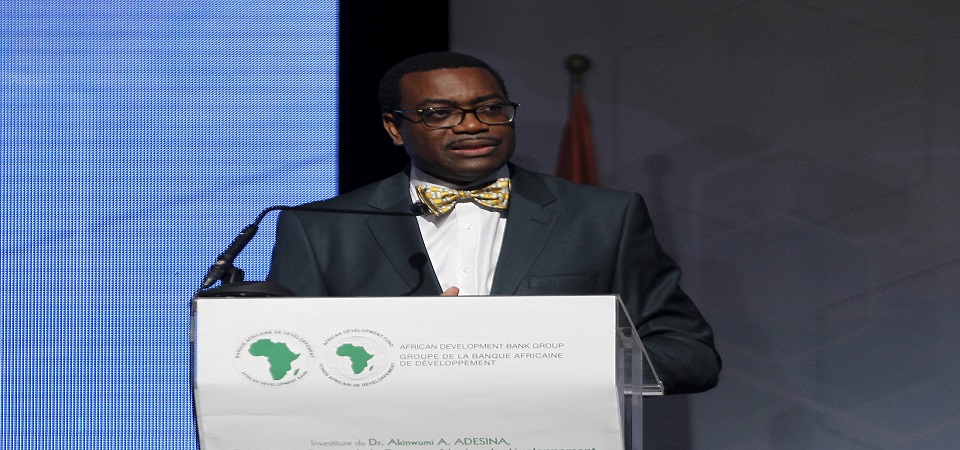
AfDB president Akinwumi Adesina
Akinwumi Adesina

The African Development Bank (AfDB) has issued a stern warning regarding the potential for social unrest across Nigeria due to increasing commodity and fuel prices, particularly in response to government policies such as subsidy removal.

The bank’s latest macroeconomic performance and outlook for 2024 highlight potential challenges for Africa, despite projecting higher economic growth compared to the previous year’s 3.2% recorded growth.

In its report, the AfDB emphasized Africa’s vulnerability to global supply chain disruptions, citing ongoing geopolitical tensions in Eastern Europe and the Middle East, as well as the El Niño phenomenon. These disruptions, it warned, could exacerbate energy and food inflation, posing significant consequences for social stability.

The report further cautioned that regional conflicts and political instability, often triggered by disruptions in constitutional governments, could divert vital resources away from development and social support towards security and defense.

“Internal conflicts and violence could also result from rising prices for fuel and other commodities due to weaker domestic currencies and reforms,” the report stated.

It also highlighted the negative economic implications of any unconstitutional takeover of government, which could lead to severe sanctions.

The warning comes at a crucial time for Nigeria, Africa’s most populous nation, which recently faced significant public outcry over the removal of fuel subsidies. This move, aimed at addressing economic challenges and fiscal deficits, has led to widespread protests across the country.

“For instance, the removal of fuel subsidies in Angola, Ethiopia, Kenya, and Nigeria and the resulting social costs have led to social unrest driven by economic hardship,” the report said.

The consequences of these policies are already evident, with ordinary Nigerians bearing the brunt of the economic hardships. High fuel prices have cascading effects, impacting transportation costs, food prices, and overall living expenses. For many Nigerians, already struggling to make ends meet, the removal of subsidies has exacerbated their financial burdens.

In urban centers like Lagos and Abuja, where the cost of living is already high, the sudden spike in fuel prices has further strained household budgets. Commuters face increased transportation costs, as public transportation operators pass on the higher fuel costs to passengers. This, in turn, affects businesses reliant on transportation for the movement of goods and services, leading to higher prices for consumers.

Rural communities are not spared from the economic fallout either. Farmers, who rely heavily on fuel for agricultural machinery and transportation of produce, find themselves grappling with higher operational costs. As a result, food prices surge, pushing many families further into poverty.

Moreover, the removal of fuel subsidies has a ripple effect on other sectors of the economy. Industries reliant on fuel for power generation or as raw materials experience cost escalations, potentially leading to layoffs and reduced production.

In response to the economic hardship, civil society groups and labor unions in Nigeria have announced plans to embark on a two-day warning strike, demanding a reversal of the subsidy removal and greater government accountability. There are concerns that the protest has the potential to escalate social unrest if the government fails to address the underlying economic grievances effectively.

The AfDB’s warning comes amid others, urging policymakers across Africa to consider the broader socio-economic implications of their decisions to mitigate the risk of unrest and ensure sustainable development for all citizens.

The Naira’s BIG Reset And How Nigeria Lost the Naira

2

Between 2011 and 2015 when the exchange rate was largely stable, what was happening in Nigeria? Understand that in May 2015, in the black market, Naira exchanged at N197/$; then the official rate was around N167/$. The same team in charge towards the end of that era was still in charge; yes, Emefiele was still the boss of the Central Bank of Nigeria.

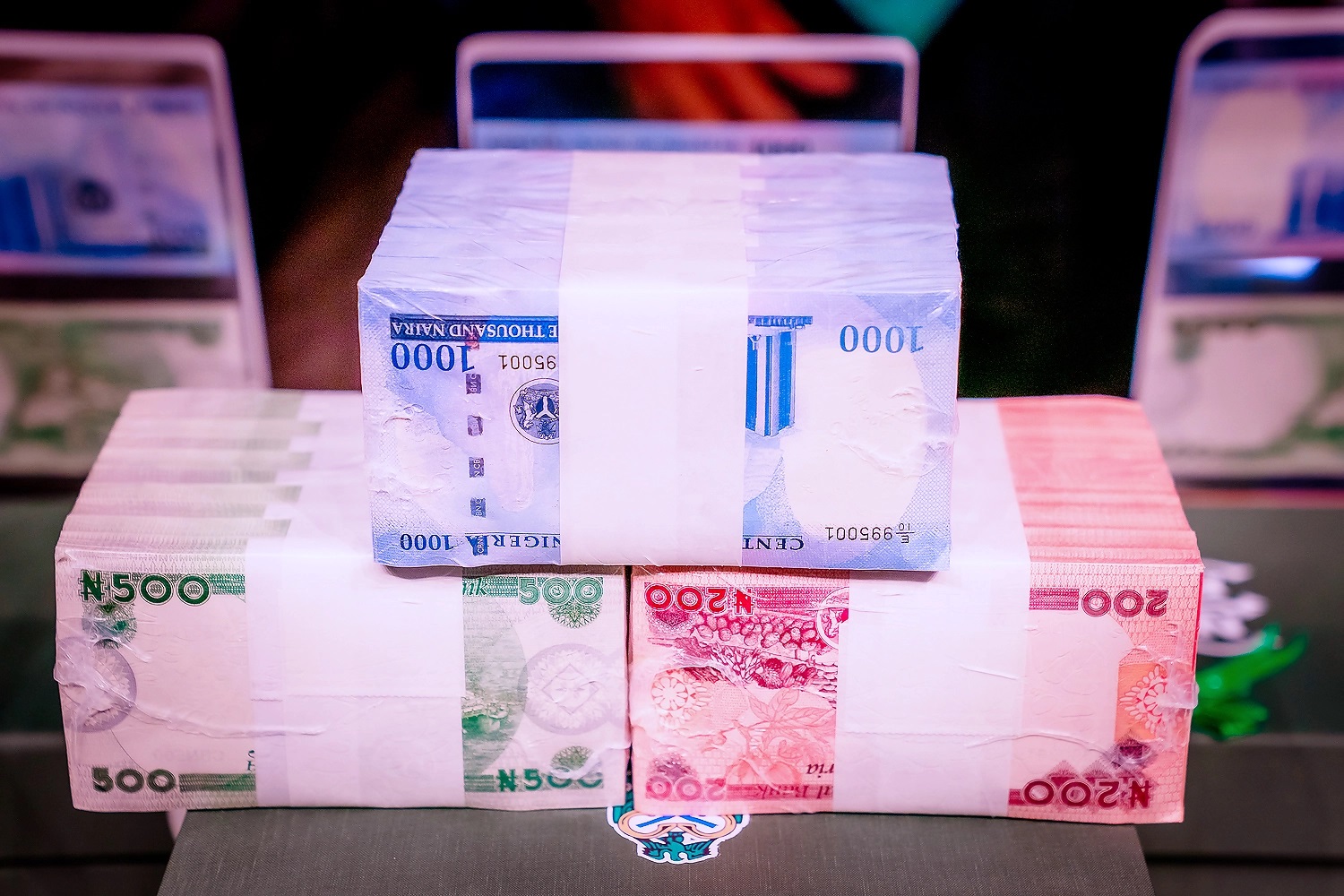
The implication is massive: between 1999 to 2015, per USD, Naira moved from N22 to N197; and then from N197 to N1600 in 2024!

In my analysis, something happened from Jan 2016; Nigeria changed policies and went big on Ways and Means (unconstrained printing of money with no fiscal discipline).  Quickly, the apex bank lost control. From my data, CBN got so much into the bureaucracy of the executive that it stopped publishing Working Papers. From Feb 2016 till today, CBN has not published any working paper. That obscurity happened because it could not really defend whatever it was doing. With no working papers, we went big on circulars, directives, etc, and no one understood the reasons behind those directives. 

While some of us note the perilous nature of the Naira, understand that Naira was destined to weaken immediately the newly printed Naira (from 2022 Naira redesign) and existing Naira were normalized as legal tenders. Have you considered how much cash we pushed into the system in months after that normalization? The current administration cannot be blamed for everything of course. My only issue was that it did not consider those factors when it put frontal and flank attacks via new policies on the Naira.

I also want to address the point on domiciliary accounts. Good People, Nigeria did not invent dorm accounts. All major economies allow dorm accounts in their banking sectors. In Canada, you can get USD-bank accounts. Most banks in Kenya offer those. HSBC China can open nine currencies for you within hours. And for decades, we have been running dorm accounts; they never blew Naira off paths.

More so, what is $30 billion accumulated over decades in these dorm accounts? Yearly, I posit that about $2 billion are transactional. Assuming we have no dorm accounts and the $2 billion yearly is made available, is that enough to deal with close to $70 billion of yearly imports?

Please note that if Nigeria disbands dorm accounts, we will create problems for our banks. Dorm accounts support our banking sector since without them most correspondent banking will not have any meaning. In other words, without dorm accounts, our banks will struggle internationally. When you send $10k to a Nigerian bank from New York, they credit that bank’s account with a correspondent bank like UBS or JP Morgan. With that fund, our banks can play internationally. (Of course if people are doing illegal things in dorm accounts, prosecute them.)

The debate about Naira and Nigeria will continue but one thing I know is this: people know the right things to do, but we lack the boldness to do them. That explains why the team which managed a stable Naira was also the team which destroyed it because we hate to say “No Sir, that will not happen under my watch”. With our “Yes Sir” syndrome, we allow politicians to have their ways, and at the end, the denominator becomes what the politicians want.

If you look at data, and question why it took Naira more than 40 years to move from N1/$ to N197/$, but nine years to move from N197/$ to N1600/$, it is possible that you can see we could have done certain things differently. And that “differently” is what we are making a case that the government can do because Nigeria is a democracy and the voices of the citizens matter. To start with, can we make Ways and Means printing illegal, today and tomorrow?