DD
MM
YYYY

PAGES

DD
MM
YYYY

spot_img

PAGES

Home Blog Page 3314

We’re Here for You At Tekedia Capital When You’re Ready

0

Question: why did you make joining Tekedia Capital Syndicate very expensive?

Our response: we want only people who can afford to invest in startups to become our members. We do not want people to take money for Indomie, diapers and cereals, for fintechs, agtechs, etc. It is the right thing to do. Yes, protecting people who cannot take risks without affecting important things in life. We see those diapers, cereals, etc as more strategic than investing in companies, and if those important things are not guaranteed with investments, we ask you to focus on them. So, do not feel bad that we kept the barrier high.

Understand: I belong to We The People and that makes us think deeper on how to discourage people from taking risks they may not have the capacity to handle. Yes, when things stabilize, we’re here to welcome you to Tekedia Capital

We’re invested at a $1M valuation and in three years, a company is worth $300M. But that does not mean investments cannot disappear (we hope not in our community). I am responding again after a question during today’s Tekedia class. Young People, we are not against you; we just do not want people to take risks they cannot handle.

Take care of the basic things of life, and later come here at Tekedia Capital.

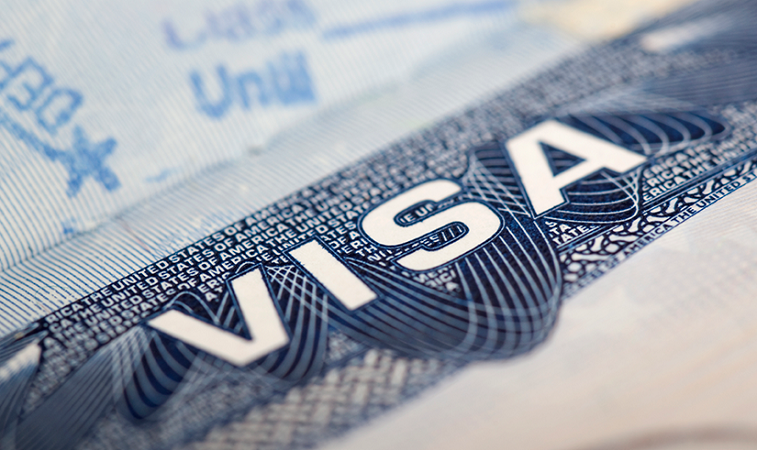
Thailand plans to wave visas for more countries

0

Thailand is one of the most popular tourist destinations in the world, attracting millions of visitors every year with its rich culture, stunning beaches, and delicious cuisine. However, many travelers face the hassle of applying for a visa before they can enter the country, which can be time-consuming and costly.

That’s why the Thai government has announced a new policy that will make it easier for tourists from more countries to visit Thailand without a visa. Starting from March 1, 2024, Thailand will waive the visa requirement for nationals of 45 countries, including Australia, Canada, France, Germany, Japan, South Korea, Singapore, and the United Kingdom.

This means that travelers from these countries can stay in Thailand for up to 30 days without a visa, as long as they have a valid passport and a return ticket. The visa waiver policy is part of Thailand’s efforts to boost its tourism industry, which has been hit hard by the COVID-19 pandemic.

The country hopes to attract more visitors and generate more revenue from tourism, which accounts for about 20% of its GDP. The policy is also expected to benefit the Thai people, who will have more opportunities to interact with foreign cultures and learn new languages.

According to the Tourism Authority of Thailand (TAT), the country received only 3.7 million international tourists in 2023, a sharp decline from the 39.8 million visitors in 2019. The tourism sector accounts for about 20% of Thailand’s gross domestic product (GDP) and employs millions of people.

The TAT hopes that the visa waiver policy will attract more tourists to Thailand, especially during the peak season from November to February. The TAT expects to welcome 10 million international visitors in 2024, generating about 500 billion baht ($15 billion) in revenue. The TAT also plans to promote Thailand as a safe and attractive destination, with strict health and safety measures in place to prevent the spread of COVID-19.

The visa waiver policy is a welcome news for travelers who want to explore Thailand’s rich culture, history, nature, and cuisine. Thailand offers a variety of attractions for different types of travelers, such as temples, beaches, islands, mountains, wildlife, shopping, nightlife, and gastronomy. Thailand is also known for its hospitality and friendliness, making it one of the most popular destinations in Southeast Asia.

If you are interested in visiting Thailand under the visa waiver policy, you should check the latest travel advice and requirements from your government and the Thai authorities before booking your trip.

You can also explore more of Thailand’s amazing attractions, such as Bangkok’s Grand Palace, Chiang Mai’s temples, Phuket’s beaches, and Krabi’s islands. Whether you are looking for adventure, relaxation, or culture, Thailand has something for everyone.

You should also follow the local rules and regulations regarding COVID-19 prevention and control during your stay in Thailand. By doing so, you can enjoy a safe and memorable holiday in the Land of Smiles.

BlackRock and Fidelity now hold 191,657 $BTC worth over $10 billion

0

Bitcoin ETFs are one of the hottest topics in the crypto space right now. They offer a way for investors to gain exposure to Bitcoin without having to deal with the technical and regulatory challenges of buying and storing the digital asset directly.

However, not all Bitcoin ETFs are created equal. Some of them track the price of Bitcoin using futures contracts, while others hold actual Bitcoin in custody and track its spot price. The latter are known as spot Bitcoin ETFs, and they have some advantages over their futures-based counterparts.

One of the main benefits of spot Bitcoin ETFs is that they avoid the negative effects of contango, which is when the futures price is higher than the spot price. This means that futures-based ETFs have to constantly roll over their contracts at a higher cost, which erodes their returns over time. Spot Bitcoin ETFs, on the other hand, do not have this problem, as they reflect the true market value of Bitcoin.

Another benefit of spot Bitcoin ETFs is that they increase the demand for Bitcoin in the market, as they have to buy and hold the underlying asset to back their shares. This creates a positive feedback loop, as more demand drives up the price, which attracts more investors, and so on.

Spot Bitcoin ETFs are still relatively new and rare in the crypto space, as they face more regulatory hurdles than futures-based ETFs. However, some of the biggest names in the financial industry have recently launched or announced plans to launch their own spot Bitcoin ETFs, signaling a growing interest and acceptance of this innovative product.

Among them are BlackRock and Fidelity, two of the largest asset managers in the world. According to a recent report by CryptoCompare, BlackRock and Fidelity now hold 191,657 BTC worth over $10 billion for their spot Bitcoin ETFs. This makes them the largest holders of Bitcoin among all ETF providers and shows their confidence and commitment to this emerging asset class.

BlackRock launched its spot Bitcoin ETF in Canada in October 2021, under the ticker BTCX. The fund has amassed over $7 billion in assets under management (AUM) as of February 2024, making it the largest Bitcoin ETF in the world. BlackRock also plans to launch a similar product in the US, pending regulatory approval.

Fidelity launched its spot Bitcoin ETF in Canada in December 2021, under the ticker FBTC. The fund has attracted over $3 billion in AUM as of February 2024, making it the second-largest Bitcoin ETF in Canada and the third largest in the world. Fidelity also filed for a US spot Bitcoin ETF in March 2021, but has not received a green light from the regulators yet.

Both BlackRock and Fidelity have stated that they believe in the long-term potential of Bitcoin as an alternative store of value and a hedge against inflation. They have also expressed their support for the development and innovation of the crypto ecosystem, and their willingness to offer more products and services to meet the growing demand from their clients.

The success of BlackRock and Fidelity’s spot Bitcoin ETFs is a testament to the maturity and resilience of the crypto market, as well as the increasing adoption and recognition of Bitcoin as a legitimate asset class by institutional investors. It also sets a positive precedent for other countries and regions that are considering allowing or launching their own spot Bitcoin ETFs, such as Europe, Asia, and Australia.

Spot Bitcoin ETFs are not without risks, however. They are subject to the volatility and unpredictability of the crypto market, as well as the operational and security challenges of storing and managing large amounts of digital assets. They also face regulatory uncertainty and scrutiny, as different jurisdictions have different rules and standards for approving and overseeing these products.

Nevertheless, spot Bitcoin ETFs are a game-changer for the crypto industry, as they offer a convenient and accessible way for investors to participate in the growth and innovation of this space. They also provide a strong incentive for more innovation and competition among crypto service providers, such as custodians, exchanges, and platforms, which ultimately benefits the entire ecosystem.

Spot Bitcoin ETFs are here to stay, and they are likely to grow even bigger and more popular in the future. BlackRock and Fidelity are leading the way, but they are not alone. More players are expected to join this exciting and lucrative market soon, bringing more diversity and dynamism to the crypto landscape.

Innovation and Dynamism of Crypto Consumer Ecosystem as Crypto Fund Managers Confront the Market Fragmentation and Complexity

0

The crypto market has grown exponentially in the last decade, attracting more and more investors who seek to diversify their portfolios and access new opportunities. However, the infrastructure and tools available for professional money managers in crypto are still lagging behind those in traditional finance.

We will explore some of the main challenges and pain points that crypto fund managers face today, and how they can be addressed to improve the trading experience and performance.

One of the biggest challenges for crypto fund managers is the fragmentation and complexity of the market. Unlike traditional finance, where there are centralized exchanges and brokers that offer liquidity, execution, custody, and reporting services, the crypto market is composed of hundreds of different platforms, each with its own protocols, fees, features, and risks.

This means that fund managers have to deal with multiple accounts, interfaces, APIs, and security measures, which increases the operational overhead and reduces efficiency. Moreover, the lack of standardization and regulation in the crypto market creates additional challenges such as price discrepancies, slippage, counterparty risk, and compliance issues.

Another challenge for crypto fund managers is the lack of sophisticated tools and analytics that can help them optimize their trading strategies and performance. While there are some platforms that offer basic features such as portfolio management, order routing, and risk management, they are often limited in scope and functionality.

For instance, most platforms do not support advanced order types such as stop-loss, trailing stop, or conditional orders, which are essential for managing risk and capturing opportunities in a volatile market.

Similarly, most platforms do not provide comprehensive data and insights that can help fund managers analyze their performance, identify trends, patterns, and anomalies, and adjust their strategies accordingly.

To overcome these challenges and improve the trading experience for professional money managers in crypto, there is a need for a platform that can provide a unified and seamless solution that covers all aspects of crypto fund management.

Such a platform should offer:

Access to multiple liquidity sources across different platforms and regions, with competitive fees and execution quality. A secure and reliable custody solution that ensures the safety of funds and assets, with support for multiple wallets and protocols.

A user-friendly and customizable interface that allows fund managers to easily manage their portfolios, orders, positions, and risk exposure. A powerful and flexible order management system that supports various order types and strategies, with smart routing and execution algorithms.

A comprehensive and insightful analytics dashboard that provides real-time data and reports on performance, attribution, risk metrics, benchmarks, and more. A compliant and transparent solution that adheres to the highest standards of regulation and governance in the crypto industry.

By offering such a platform, we aim to bridge the gap between crypto and traditional finance and enable professional money managers to leverage the full potential of the crypto market.

Crypto is one of most innovative and dynamic Consumer Ecosystem

The world of crypto is not only about trading and investing. It is also about creating and participating in a new kind of economy that is powered by decentralized technologies and communities.

Crypto is also the most innovative and dynamic consumer ecosystem in the world, where users can access a variety of products and services that are tailored to their needs and preferences.

Crypto is not just a new way of transferring value or storing wealth. It is a paradigm shift that enables anyone to create, own and participate in decentralized networks that are governed by code and incentives. Crypto is the ultimate expression of individual sovereignty, collective intelligence and network effects.

Crypto is also the most innovative and dynamic consumer ecosystem in the world. There are thousands of projects, protocols and platforms that are constantly evolving, experimenting and competing to offer the best solutions for various use cases and needs. Crypto is a playground for entrepreneurs, developers, investors and users who want to explore the possibilities of a new digital economy.

Some of the benefits of crypto for consumers are:

Crypto enables users to have more control over their own data, identity, and assets. Users can choose how to store, share, and use their information, without relying on intermediaries or centralized platforms that may compromise their privacy or security.

Crypto allows users to access a global market of goods and services, without borders or barriers. Users can transact with anyone, anywhere, anytime, using any currency or token they prefer. Users can also benefit from lower fees, faster transactions, and more transparency.

Crypto empowers users to become creators and contributors, not just consumers. Users can create their own content, products, or services, and monetize them through various platforms and protocols. Users can also join communities that share their interests and values and collaborate on projects or causes that matter to them.

Crypto is not only a technology, but also a culture and a movement. It is a way of thinking and living that challenges the status quo and embraces innovation and diversity. Crypto is also the most innovative and dynamic consumer ecosystem in the world, and it is only getting started.

Crypto is not without its challenges and risks. It is still a nascent and volatile industry that faces regulatory uncertainty, technical complexity and security threats. Crypto is not for everyone and it requires a lot of research, education and due diligence before engaging with it. Crypto is not a get-rich-quick scheme or a magic bullet that will solve all the world’s problems.

But crypto is also an opportunity and a vision. It is an opportunity to create more open, fair and inclusive systems that empower people and communities. It is a vision of a more decentralized, transparent and resilient world that respects individual rights and values collaboration. Crypto is arguably the best and most vibrant consumer ecosystem in the universe. And it is just getting started.

Capital sitting idle and not earning a return, negatively impacts performance

0

One of the most important concepts in investing is the time value of money. This means that money available today is worth more than the same amount of money in the future, because it can be invested and earn interest or returns. The longer the money is invested, the more it can grow and compound over time.

However, this also implies that any delay or interruption in investing can have a significant opportunity cost. Every second that capital is sitting idle and not earning a return, the more negatively it impacts performance. This is why investors should always seek to minimize cash drag, which is the amount of uninvested cash in a portfolio that reduces the overall return.

Cash drag is the negative impact of holding cash in an investment portfolio. It occurs when the return on cash is lower than the return on the rest of the portfolio, reducing the overall performance. Cash drag can be a significant drag on long-term returns, especially in periods of high inflation or low interest rates.

Cash drag can occur for various reasons, such as holding cash for liquidity needs, waiting for better market conditions, or simply being unable to find attractive investment opportunities. While some cash drag may be unavoidable or even desirable in certain situations, it should always be monitored and managed carefully to avoid eroding the long-term performance of a portfolio.

There are several ways to measure cash drag, depending on the type of portfolio and the benchmark used. One common method is to compare the portfolio’s return with the return of a similar portfolio that is fully invested, without any cash allocation.

The difference between the two returns is the cash drag. Another method is to compare the portfolio’s return with the return of a market index that represents the portfolio’s asset allocation. The difference between the two returns is the cash drag plus any active management fees or expenses.

Cash drag can be reduced by minimizing the amount of cash held in the portfolio, or by investing the cash in higher-yielding assets that are consistent with the portfolio’s risk and return objectives.

For example, an investor can use a sweep account that automatically transfers excess cash into a money market fund or a short-term bond fund. Alternatively, an investor can use a margin account that allows borrowing against the securities in the portfolio, reducing the need to hold cash for liquidity purposes.

Reducing cash drag can enhance the portfolio’s long-term returns, but it also involves some benefits and risks. The benefits include:

Higher compounding effect: By reinvesting the cash into higher-returning assets, the investor can benefit from the power of compounding over time, increasing the portfolio’s value.

Lower opportunity cost: By avoiding holding cash when the market is rising, the investor can capture more of the market’s upside potential, reducing the opportunity cost of missing out on gains.

Lower tax liability: By holding less cash, the investor can reduce the tax liability from interest income, which is typically taxed at a higher rate than capital gains or dividends.

The risks include:

Higher volatility: By holding less cash, the investor can increase the portfolio’s exposure to market fluctuations, increasing its volatility and downside risk.

Lower liquidity: By holding less cash, the investor can reduce the portfolio’s ability to meet short-term cash needs, such as withdrawals, rebalancing, or margin calls.

Higher borrowing cost: By using a margin account, the investor can incur interest charges and fees for borrowing against the securities in the portfolio, increasing the portfolio’s expenses and reducing its net return.

Cash drag is an important factor to consider when managing an investment portfolio. By measuring and reducing cash drag, an investor can improve the portfolio’s efficiency and performance.

However, this also involves trade-offs between risk and return, liquidity and opportunity cost, and tax and borrowing implications. Therefore, an investor should carefully assess their goals, time horizon, risk tolerance, and cash flow needs before making any changes to their cash allocation.