
DD
MM
YYYY

PAGES

DD
MM
YYYY

spot_img

PAGES

Home Blog Page 3361

The Risks of Smuggling Operation in the West African Economy

0

West Africa, a region characterized by its rich culture, diverse populations, and significant economic potential, faces a daunting challenge that undermines its progress: the pervasive threat of smuggling. This illicit activity not only poses a risk to the region’s economic stability but also has far-reaching implications for security and governance.

Smuggling in West Africa is a multifaceted issue, involving various forms of contraband, including drugs, humans, arms, and counterfeit goods. The economic impact of smuggling is profound, as it diverts legitimate revenue from state coffers, distorts market dynamics, and fuels corruption. The United Nations Office on Drugs and Crime (UNODC) has highlighted the gravity of this threat, noting that transnational organized crime, including smuggling, poses a significant challenge to the region’s development and stability.

The economic ramifications of smuggling are particularly evident in the loss of customs revenue, which is crucial for funding public services and infrastructure development. Smuggling also undermines local industries by flooding markets with cheaper, often inferior goods, thereby stifling the growth of domestic businesses and employment opportunities.

Moreover, the clandestine nature of smuggling operations makes it difficult to quantify their economic impact accurately. However, it is clear that the revenue generated from these illicit activities is substantial. For instance, the global revenue from human smuggling alone was estimated to be between $5 billion and $35 billion per year worldwide. In West Africa, the economy around migrant smuggling is largely cash-based, complicating efforts to track and address the resulting illicit financial flows.

The social consequences of smuggling are equally concerning. Human smuggling, in particular, exploits vulnerable populations, violating their rights and exposing them to danger. The criminal networks involved in smuggling often have links to other illicit activities, such as drug trafficking and terrorism, which further destabilize the region.

The criminalization of smugglers has significant impacts on the economy, leaving young men vulnerable to recruitment by extremist groups such as Boko Haram and Al Qaeda in the Islamic Maghreb, which exploit economically disenfranchised communities to expand their presence in the region.

Addressing the risks associated with smuggling in West Africa requires a comprehensive approach that includes strengthening governance, enhancing law enforcement capabilities, and promoting regional cooperation. It is also essential to address the underlying factors that drive individuals towards smuggling, such as poverty, unemployment, and lack of legal migration channels.

International collaboration is crucial in tackling this issue, as smuggling networks often operate across borders. Efforts to improve the capacity to identify and seize assets related to smuggling activities must be intensified, and legal frameworks need to be harmonized to facilitate effective cross-border cooperation.

The risk of smuggling in the West African economy is a complex problem that demands a coordinated response from national governments, regional organizations, and the international community. By addressing the root causes and strengthening mechanisms to combat smuggling, West Africa can secure a more stable and prosperous future for its citizens. The resilience and ingenuity of the West African people, coupled with sustained international support, can turn the tide against this scourge and unlock the region’s full potential.
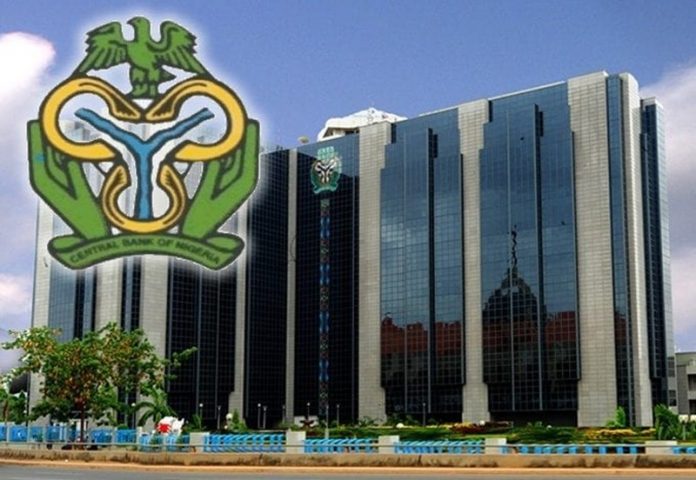

CBN’s Revised Guidelines Mandate Banks to Deposit ‘Excess FX’ in its Lagos and Abuja Branches

0

In another move to deepen the foreign exchange market and stabilize the naira, the Central Bank of Nigeria (CBN) has issued revised guidelines allowing Deposit Money Banks (DMBs) to deposit excess foreign currency notes at its branches in Lagos and Abuja.

This initiative aims to credit the banks’ offshore accounts with correspondent banks, aligning the exchange rates between the parallel and official markets.

The guidelines, detailed in a document signed by Solaja, Mohammed J. Olayemi, the Acting Director of the Currency Operations Department at the CBN, respond to the increasing demand from DMBs for streamlined forex cash management. This measure is anticipated to foster a more robust and liquid foreign exchange market, facilitating a stable and convergent exchange rate regime.

According to the revised guidelines, DMBs are required to provide at least three working days’ notice before making any foreign currency deposits, accompanied by a detailed list of the currency owners.

Daily deposit limits are set, with a maximum of $10 million for higher denomination bills ($100 and $50) and $1 million for lower denomination bills ($20 and below). Similar limits apply to GBP and Euro deposits, capped at £1 million and €1 million, respectively. To ensure transparency, two representatives from each depositing bank must be present to witness the deposit process.

Deposits must be made in specific denominations and stored in separate boxes to facilitate counting and authentication. Security is paramount, with DMBs required to use CBN-registered Cash-in-Transit (CIT) companies for the safe transport of foreign currency. Deposits will be accepted between 8 a.m. and 12 p.m., and processing will be completed on the same day.

The CBN will credit the DMBs’ offshore correspondent bank accounts within a cycle of T+5 days, deducting a handling charge of 0.30% from the bank’s current account. Non-compliance with these guidelines will result in the rejection of deposits.

The CBN’s initiative is expected to positively impact Nigeria’s foreign exchange market by boosting liquidity and aligning exchange rates between the parallel and official markets. Increased liquidity will help stabilize the naira, making more foreign currency available for legitimate transactions and reducing speculative activities that lead to exchange rate volatility.

This move comes amid growing concerns about the volatility in Nigeria’s foreign exchange market. Previously, the CBN had released a circular addressing cases of excessive foreign currency speculation and hoarding by Nigerian banks.

The circular mandated DMBs to sell their excess dollar stock by February 1, 2024, to stabilize the exchange rate, and stipulated that the Net Open Position (NOP) must not exceed 20% short or 0% long of the bank’s shareholders’ funds. The NOP measures the difference between a bank’s foreign currency assets and its foreign currency liabilities.

Previous measures by the CBN, under former Governor, Godwin Emefiele, did little to quell the FX market volatility. They included restrictions on FX access for certain imports to encourage local production, and the introduction of the “Naira for Dollar” scheme to incentivize diaspora remittances.

Current CBN governor, Yemi Cardoso, has equally announced a series of new guidelines, aimed at tackling the FX crisis. Despite these efforts, Bloomberg on Friday, reported the naira as the worst-performing currency in the world in the first half of 2024, reflecting the ongoing challenges in achieving exchange rate stability.

The lingering situation has been attributed to many factors, including speculation and foreign currency hoarding. Against this backdrop, the House of Representatives recently claimed that four banks were holding approximately $5 billion in surplus foreign exchange. In response, the House directed the joint Committees on Banking Regulations and Banking Institutions to conduct an investigative hearing into the failure of banks to adhere to CBN directives regarding NOP limits. The outcome of this probe is still awaited.

The CBN’s revised guidelines represent a significant step towards stabilizing Nigeria’s foreign exchange market. By allowing DMBs to deposit excess foreign currency notes, the CBN aims to enhance market liquidity and promote exchange rate convergence. This move, while addressing the immediate needs of DMBs for better forex cash management, also aims to curb speculative practices and foster a more stable FX market.

The Rule of Economic Supremacy in Africa

0

Africa, continent rich in cultural diversity and natural resources, has long been a subject of discussion when it comes to economic supremacy. The concept of economic supremacy in Africa is multifaceted, involving a complex interplay of geopolitical, social, and economic factors that influence the continent’s position in the global economy.

The rule of law and the supremacy of the constitution are fundamental to establishing a stable economic environment. South Africa’s post-apartheid legal order is a prime example of this, where the supremacy of the constitution and the rule of law are upheld by an independent judiciary, free from executive influence. This legal framework provides a solid foundation for economic growth and development, ensuring that all economic activities are conducted within the bounds of the law, promoting fairness, and protecting investments.

However, the journey towards economic supremacy is not solely dependent on legal frameworks. It involves strategic economic planning, investment in human capital, and the development of infrastructure. African nations must leverage their abundant resources, both human and natural, to foster economic growth that is inclusive and sustainable.

One of the key strategies for achieving economic supremacy is regional integration. The African Continental Free Trade Area (AfCFTA) is a step in this direction, aiming to create a single market for goods and services, thereby increasing intra-African trade. By reducing trade barriers and harmonizing regulations, AfCFTA has the potential to significantly boost economic activity across the continent.

Investment in technology and innovation is also crucial. With a burgeoning youth population, Africa has the potential to become a hub for technological innovation. Investing in education and digital infrastructure can empower the youth to develop solutions that address local challenges while being globally competitive.

One of the most pressing challenges is political instability. Many African countries face issues such as conflict, weak governance, and lack of democratic processes, which can deter investment and hinder economic development. Political instability can disrupt the functioning of institutions and the implementation of economic policies, leading to uncertainty and risk for investors.

Corruption is another significant barrier that affects many African countries. It undermines trust in public institutions, diverts resources from essential services, and hampers efforts to achieve economic growth. Corruption also discourages foreign investment and skews the economic playing field, benefiting a few at the expense of the majority.

Infrastructure deficits are a critical challenge in Africa. Inadequate transport networks, energy supply, and digital connectivity impede trade, productivity, and access to markets. Investing in infrastructure is vital for facilitating economic activities and attracting investments that can drive growth and development.

Health challenges, including the high burden of diseases and recent pandemics, have profound implications for Africa’s economic aspirations. Health crises can strain already limited resources, reduce the workforce, and impact productivity, thereby slowing down economic progress.

Furthermore, unemployment and underemployment represent a significant challenge. Despite a large and growing workforce, many African countries struggle with high levels of joblessness, especially among the youth. This is exacerbated by a mismatch between education outcomes and the skills required in the labor market.

Achieving regional integration is a complex challenge due to the remnants of colonial legacies, diverse political and economic systems, and unforeseen developments in the international economy. Regional integration is essential for creating larger markets, enhancing trade, and fostering economic cooperation.

Moreover, good governance and the fight against corruption are essential for economic supremacy. Transparent and accountable governance systems attract foreign investments and aid in the efficient utilization of resources. The rule of law ensures that businesses operate in a predictable and secure environment, which is vital for economic stability and growth.

The rule of economic supremacy in Africa is not about dominance but about creating a sustainable and prosperous future for all its citizens. It requires a collaborative effort from all African nations to establish legal and economic frameworks that promote stability, growth, and equitable development. With the right policies and collective will, Africa can achieve economic supremacy that benefits not just the continent but the entire world.

SEC Files Lawsuit against Consensys as Coinbase files Counter suit against SEC

0

The cryptocurrency industry is facing a pivotal moment as regulatory scrutiny intensifies. Two significant legal developments have caught the attention of investors and stakeholders: the U.S. Securities and Exchange Commission’s (SEC) lawsuit against ConsenSys, the developer behind the popular Ethereum wallet MetaMask, and Coinbase’s legal action against the SEC.

The SEC’s Lawsuit Against ConsenSys

The SEC has filed a lawsuit against ConsenSys, alleging that the company engaged in activities that require registration as a broker-dealer and offered unregistered securities through its MetaMask service. The SEC’s enforcement action targets MetaMask’s Swaps and Staking products, claiming they violated federal securities laws. This lawsuit is part of the SEC’s broader effort to bring the crypto market under regulatory oversight, particularly focusing on services that allow the swapping of crypto assets and staking services.

The SEC’s enforcement action against Consensys claims that the company facilitated over 36 million crypto transactions, out of which at least 5 million involved what the agency considers to be crypto asset securities. The lawsuit also targets Ethereum staking services Lido and Rocket Pool, suggesting that tokens such as Lido’s stETH and Rocket Pool’s rETH may fall under the category of unregistered securities. This development comes after a period of increasing tension between the crypto industry and regulatory bodies, with debates centering on the classification of digital assets and the applicability of securities laws.

Coinbase’s Legal Action Against the SEC

In a countermove, Coinbase has filed a lawsuit against the SEC. The crypto exchange platform alleges that the SEC has not complied with requests to disclose past crypto probes and has failed to provide clear regulatory guidance. Additionally, Coinbase is suing the Federal Deposit Insurance Corp. (FDIC) for allegedly pressuring the banking sector to sever ties with the crypto industry. Furthermore, Coinbase is suing the Federal Deposit Insurance Corp. (FDIC) for allegedly pressuring the banking sector to sever ties with the crypto industry.

Coinbase’s lawsuit against the SEC is a critical moment for the crypto industry, as it seeks clarity and fair regulatory guidance. The exchange claims that the SEC has failed to provide clear regulations, leaving companies to navigate an uncertain legal landscape. This legal confrontation highlights the growing need for a well-defined regulatory framework that balances innovation with investor protection.

These legal battles underscore the ongoing debate over the classification and regulation of cryptocurrencies and related services. The outcomes of these cases could set precedents for how crypto assets are treated under U.S. securities laws, potentially influencing the future of blockchain technology and digital asset innovation.

The SEC’s approach reflects a cautious stance towards the rapidly evolving crypto market, emphasizing investor protection and compliance with existing securities laws. The outcome of these lawsuits will have far-reaching implications for the crypto industry. A ruling in favor of the SEC could lead to stricter regulations and potentially hinder the growth of the sector. On the other hand, a favorable outcome for Consensys and Coinbase could pave the way for more defined rules and foster a more conducive environment for crypto innovation.

As the legal proceedings unfold, the crypto community will be closely monitoring the situation, hoping for a resolution that supports the industry’s progress while ensuring compliance with the law. The SEC’s actions and Coinbase’s counter-lawsuit underscore the ongoing debate over the regulation of digital assets and the future of the crypto ecosystem.

Workers Increasingly Trust AI to Perform Nearly Half of Their Tasks – Salesforce Research

0

According to new Salesforce research, today’s workforce is increasingly turning to AI to handle a significant portion of their tasks.

The study found that 77% of workers have confidence in AI managing nearly half of their workload, though human involvement remains critical for now.

While workers are most comfortable with a collaborative approach between Al and humans, trust in Al’s autonomous capabilities is growing. Tasks such as writing code, uncovering data insights, and drafting communications are increasingly being offloaded to Al, freeing up workers for more complex responsibilities. However, tasks like onboarding, training, and data security are still preferred to be managed by humans, reflecting a cautious approach towards full automation.

The research highlights the importance of building trust in AI, noting that workers who understand how AI is implemented and governed, are five times more likely to trust the technology to operate autonomously, within the next two years, compared to those who lack the knowledge and technical know-how.

Surveying nearly 6,000 people globally, the Salesforce research revealed that workers are excited about an AI-powered future. Globally, 51% of leaders trust AI to do more of their work than employees do. Most workers trust AI to handle about 43% of their tasks, signaling a shift towards greater reliance on the advanced technology.

While only 10% of global workers trust Al to operate autonomously today, this figure is expected to rise. Also,  within the next three years, 26% of workers are predicted to trust Al to function independently, and 41% will trust Al in three or more years.

Notably, despite the preference of AI for human collaboration, with 54% of the global workforce trusting humans and AI to handle most tasks together, certain tasks are increasingly trusted by AI alone. These include;

Writing code: 15% trust AI to write code autonomously.

Uncovering data insights: 13% trust Al to uncover data insights on its own.

Develop communications: 12% trust Al to develop internal and external communications without a human.

Act as a personal assistant: 12% trust autonomous AI to act as their assistant.

Other tasks, according to respondents, require having a human involved right now.

Global workers are most likely to trust humans alone to do the following:

Be inclusive: 47% trust humans alone to be inclusive.

Onboard and train: 46% trust humans alone to onboard and train employees.

Keep data safe: 40% trust humans alone to keep data safe.

Speaking on the research, Paula Goldman, Chief Ethical and Humane Use Officer said,

“Workers are excited about an AI-powered future and the research shows us that human engagement can help us get there. By empowering humans at the helm of today’s Al systems, we can build trust and drive adoption enabling workers to unlock all that AI has to offer.”

The Role of Human Involvement

Human involvement remains crucial in building trust in Al. 63% of global workers believe that more human oversight would increase their confidence in Al systems. Furthermore, 54% of workers admit they lack understanding of Al implementation and governance at their workplaces, which contributes to their hesitance.

Meanwhile, training and skill-building are identified as key factors in fostering trust. 62% of workers indicate that additional training opportunities would enhance their confidence in AI, suggesting that continuous education is essential for the transition to an AI-augmented future. On the aspect of the gender knowledge gap in AI, 94% of males say they are knowledgeable about AI and how it is implemented, compared to females.

As technology continues to advance at a rapid rate, a large percentage of the global workforce is embracing AI to handle a significant portion of their tasks. While collaboration between humans and AI is happening at an increased rate, the trend indicates a growing trust in AI capabilities, enabling workers to work efficiently and as well ease their workload.